How to Choose Silicone Bottom Sleeves for 40oz Tumbler Wholesale Orders?
You place a large wholesale order. The sleeves arrive. Your buyers start complaining about staining, slipping, and unclear safety labels. That costs you accounts.
Choosing the right silicone bottom sleeve for 40oz tumbler wholesale orders means checking material quality, microwave safety communication, and functional use cases. These three factors protect your brand reputation and reduce customer complaints after delivery.
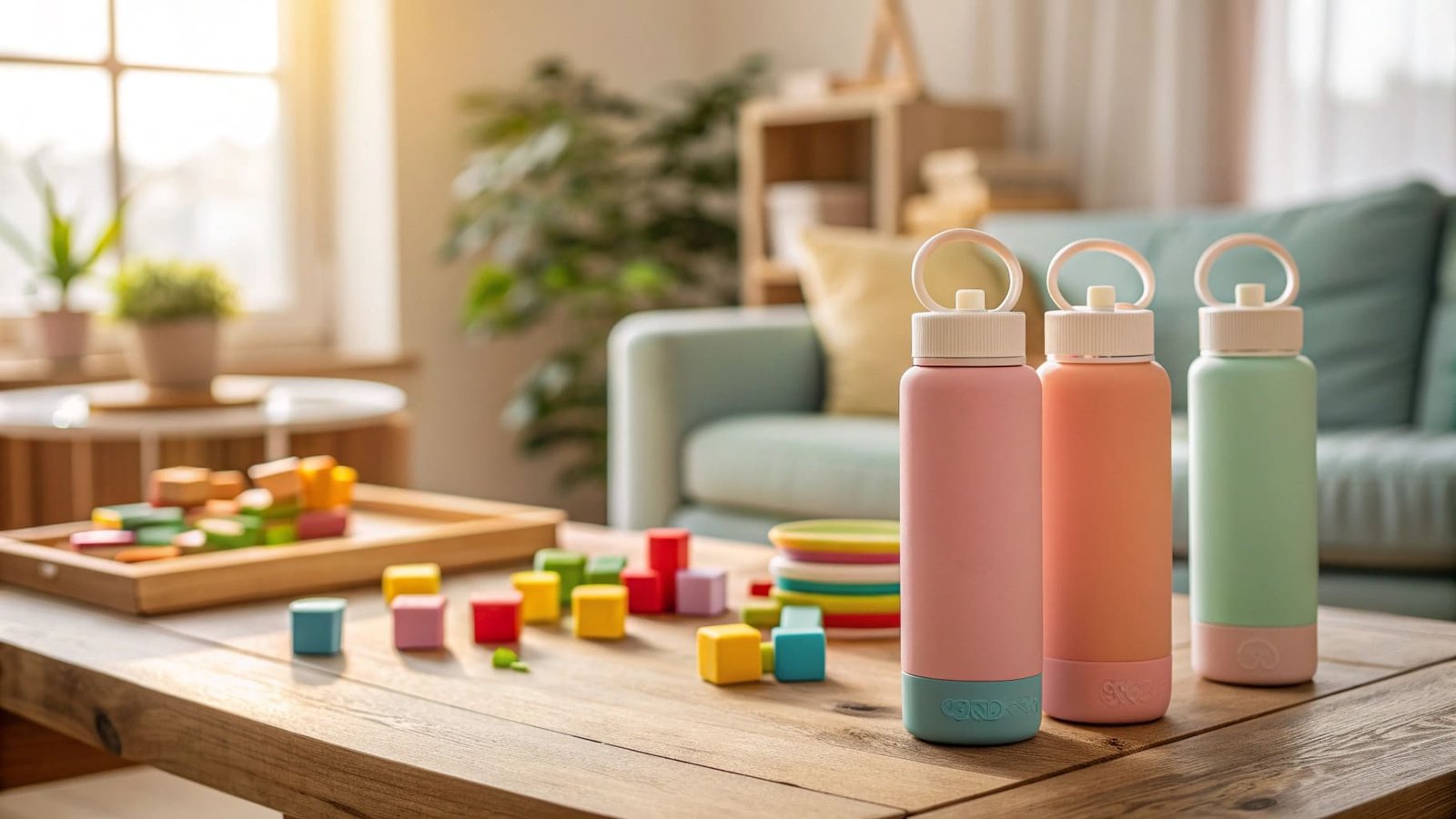
I have worked with wholesale buyers across North America and Europe. The same problems come up again and again. They pick the wrong material. They skip the safety instructions. They miss the chance to add real value with a sleeve. I want to break each of these down so you can avoid them before your next order.
Are Silicone Pads Better Than Rubber?
You pick rubber to save money per unit. Then your buyers report black stains on their customers' furniture and tumblers. That one decision kills repeat orders.
Silicone outperforms rubber for tumbler bottom sleeves. Silicone resists temperature changes and UV exposure without breaking down.1 Rubber degrades over time, leaving residue and losing grip. For wholesale buyers targeting quality-conscious markets, silicone delivers fewer complaints and lower return rates.
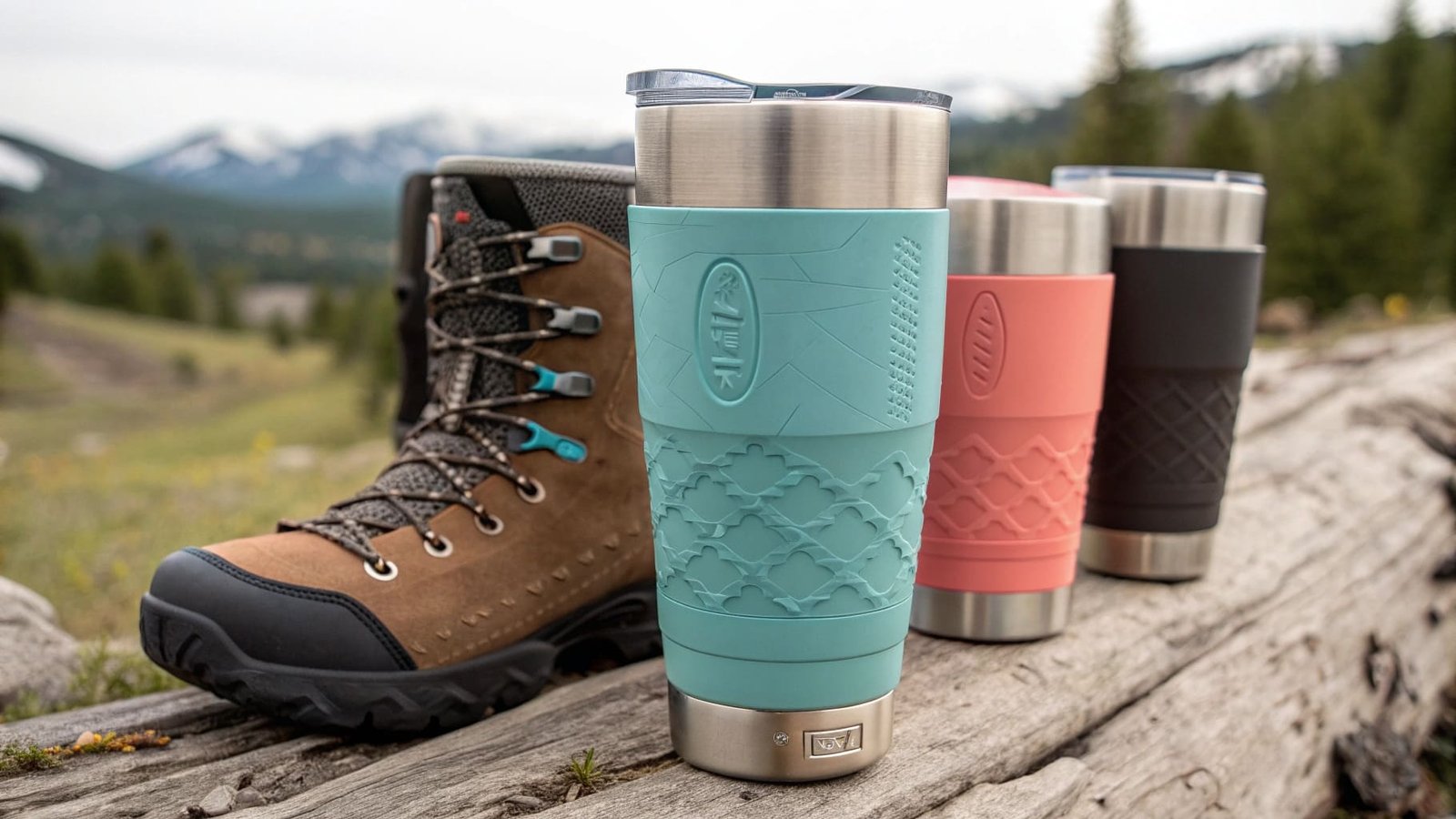
The cost difference between rubber and silicone looks attractive on a spreadsheet. But that gap closes fast when you factor in returns, complaints, and reputational damage.
I have seen buyers switch from silicone back to rubber to cut costs by a few cents per unit. Within two product cycles, they were dealing with staining complaints and losing shelf space at retail. The savings were not worth it.
Here is a direct comparison to make this easier to evaluate:
| Feature | Silicone | Rubber |
|---|---|---|
| Temperature resistance | High, stable across heat and cold | Low, degrades with exposure |
| UV resistance | Strong, holds shape over time | Weak, becomes brittle |
| Surface marking | None, clean contact | Common, leaves black marks |
| Odor | Odorless | Can develop rubber smell |
| Non-toxic rating | Food-grade certified available | Varies, harder to certify |
| Long-term grip | Consistent | Decreases as material ages |
| Wholesale return risk | Low | Higher |
For 40oz tumblers, the sleeve sits at the base and contacts surfaces constantly. That means marking risk is high. Silicone's non-marking surface matters more here than it would for a smaller product.
Wholesale buyers selling into premium retail or corporate gifting channels need to think about how their end customers perceive quality. A stained countertop caused by a rubber sleeve creates a lasting negative impression of the entire tumbler brand, not just the sleeve. Silicone removes that risk entirely. If your buyers are in markets where health and material safety matter, silicone also wins on that front. Food-grade silicone is non-toxic and odorless2, which matters when the product sits close to a beverage container used daily.
Are Silicone Sleeves Microwave Safe?
Your customer puts their tumbler with the sleeve in the microwave. The metal sparks. They blame your product. You lose the account.
Food-grade silicone is microwave safe and heat-resistant up to 450°F (230°C).3 But silicone bottom sleeves on stainless steel tumblers must never go in a microwave. The danger comes from the metal tumbler, not the silicone. Metal causes arcing and sparking inside microwaves, which creates fire risk and equipment damage.
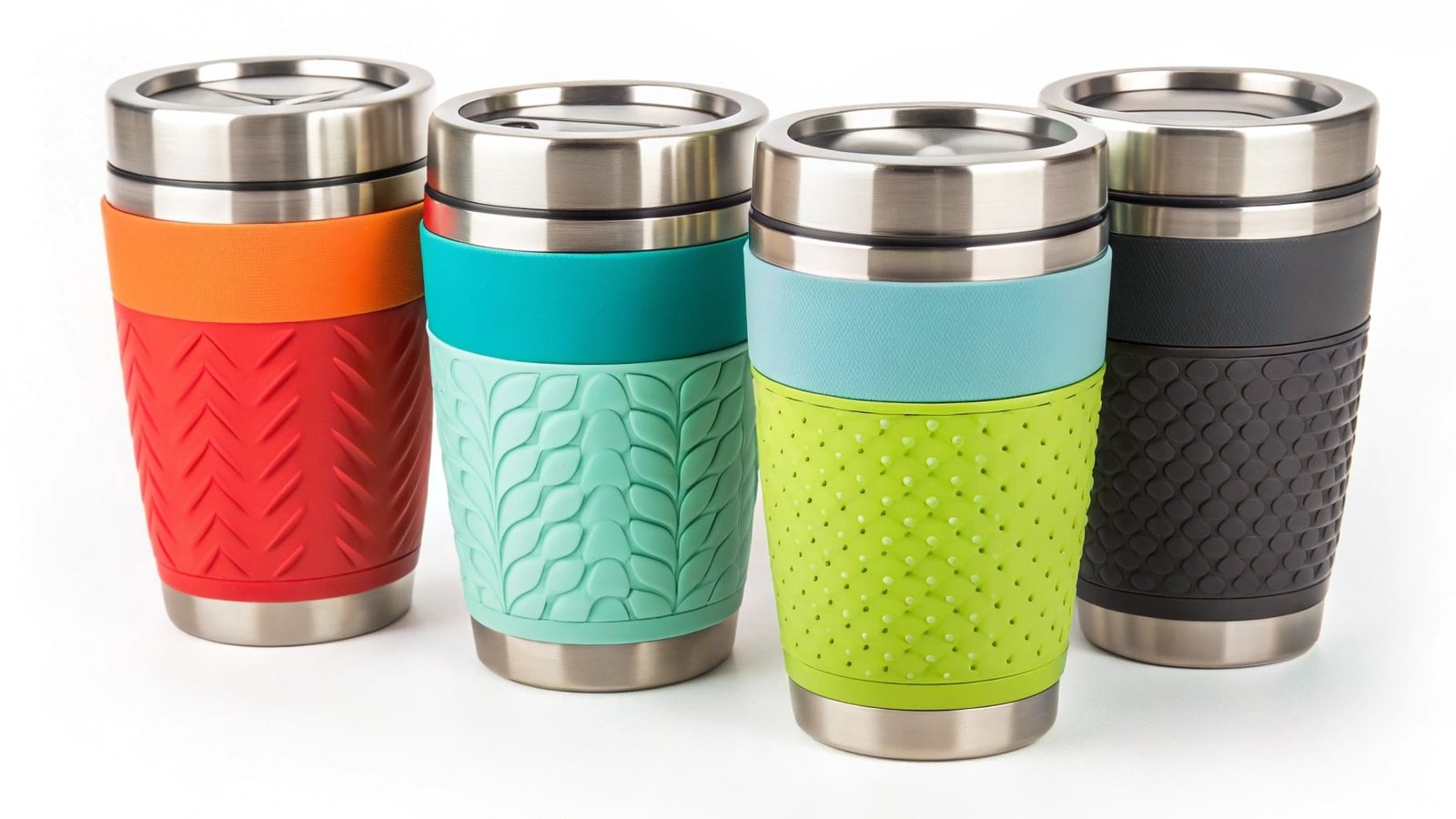
This is one of the most misunderstood points in the tumbler accessory market. Many wholesale buyers do not think about it at all until something goes wrong. By then, the damage is already done.
I always tell buyers: this is not a product flaw. This is a communication gap. The silicone itself is safe. The problem is that end customers do not know they cannot microwave a stainless steel tumbler under any circumstances, sleeve or no sleeve.
The best wholesale strategies I have seen handle this in a simple and direct way:
| Communication Method | Where It Appears | What It Covers |
|---|---|---|
| Care instruction card | Inside product packaging | Lists safe and unsafe uses clearly |
| Sleeve packaging label | On the sleeve wrapper | Highlights no-microwave warning |
| Retail shelf tag | At point of sale | Catches buyer before purchase |
| Brand website FAQ | Online product page | Addresses question before it becomes a complaint |
None of these cost much to produce. But each one reduces the number of safety-related complaints your buyers have to handle.4 That directly improves their experience working with you as a supplier.
For B2B wholesale orders, I recommend asking your supplier to include care instruction cards as a standard part of the packaging. Some suppliers offer this as a customization option at low or no added cost. If your supplier does not offer it, it is worth producing your own and including it in the shipment. The liability protection alone makes it worth the effort. A buyer who gets a customer safety complaint traced back to your product will not reorder. A buyer who has all the right materials to handle that conversation will.
What Are Silicone Sleeves Used For?
You think of a silicone sleeve as just a base protector. Your competitor offers it as a premium branded component. They charge more and win the account.
Silicone bottom sleeves protect surfaces, reduce noise, prevent slipping, and carry brand identity. For 40oz tumblers, these functions matter more than most buyers expect. The sleeve directly affects how the end customer experiences the product every time they set it down.
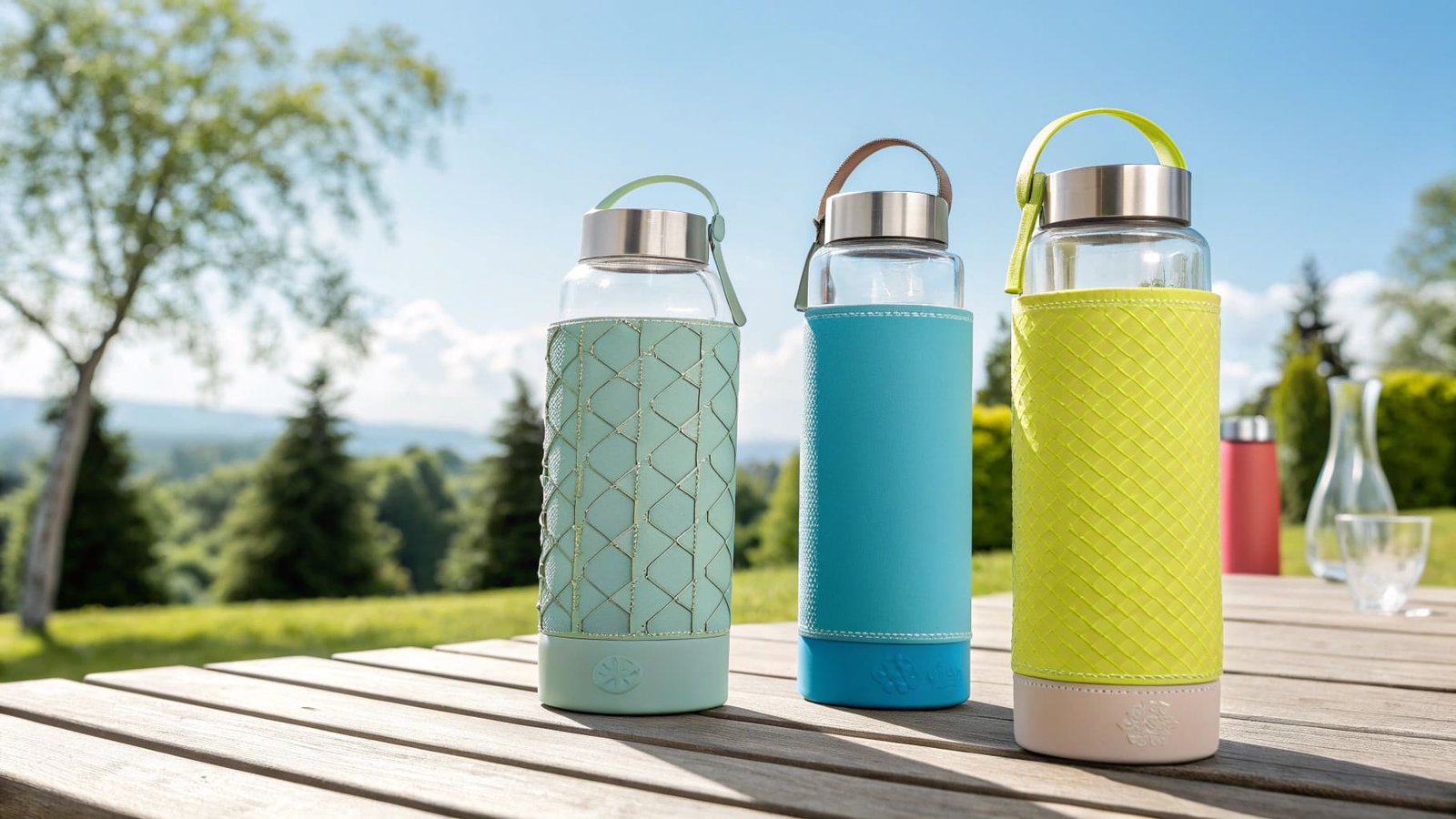
I want to go through each function in a structured way, because each one has a different implication for wholesale positioning.
Surface protection is the primary function most buyers understand. The sleeve prevents the metal base of the tumbler from scratching furniture, countertops, and car cup holders.5 For 40oz tumblers, this matters because the larger format is used heavily. It goes in the car, sits on desks, and moves through multiple surfaces each day. Without a sleeve, scratch complaints are common. With one, that complaint disappears entirely.
Noise reduction is a function buyers often underestimate. A bare metal tumbler hitting a hard surface is loud. A silicone sleeve absorbs that impact and makes the product feel more refined.6 This is a small detail that shows up clearly in product reviews. End customers notice it, even if they cannot name exactly what feels different.
Anti-slip grip is especially important for the 40oz format. A full 40oz tumbler is heavy and tall, which raises its center of gravity.7 On slick surfaces, that creates real tipping risk. Silicone's natural grip reduces that risk. For buyers selling into office environments, hospitality, or family use, this is a safety feature worth highlighting.
Branding is where the sleeve moves from functional component to marketing tool.
| Customization Option | What It Does | Best For |
|---|---|---|
| Color matching | Aligns sleeve to brand palette | Corporate gifts, brand kits |
| Logo embossing | Adds tactile brand mark | Premium retail, high-end gifting |
| Logo debossing | Subtle, clean brand placement | Minimalist product lines |
| Custom shape cutout | Unique silhouette on base | Differentiated retail SKUs |
Wholesale buyers who use these options do not need to redesign the tumbler itself. They take a standard 40oz tumbler body and make it distinctly theirs at the accessory level. That lowers the cost of differentiation and speeds up time to market. For buyers who source from China and rebrand for North American or European markets, this is a practical way to build brand equity without a full product development cycle.
Conclusion
Pick silicone over rubber. Communicate microwave safety clearly. Use the sleeve as both a functional and branding asset. These three steps protect your wholesale business.
-
"Silicone rubber", https://en.wikipedia.org/wiki/Silicone_rubber. Materials-science references describe silicone elastomers as having comparatively high thermal stability and resistance to weathering, including ultraviolet exposure; this supports the general durability claim but does not test the specific tumbler sleeve product. Evidence role: general_support; source type: research. Supports: silicone elastomers generally have strong thermal stability and weathering resistance compared with many organic rubbers. Scope note: Contextual support; performance depends on silicone formulation, fillers, curing system, and service conditions. ↩
-
"Inventory of Food Contact Substances Listed in 21 CFR", https://hfpappexternal.fda.gov/scripts/fdcc/index.cfm?search=silicone&set=IndirectAdditives. Food-contact regulatory guidance and standards treat properly formulated silicone materials as acceptable for specified food-contact uses, supporting the article's statement that food-grade silicone is generally suitable near beverage containers. Evidence role: expert_consensus; source type: government. Supports: properly formulated silicone materials are permitted or commonly used for food-contact applications under regulatory frameworks. Scope note: Regulatory acceptance applies to compliant formulations and test conditions; it does not verify the composition or odor profile of a particular wholesale sleeve. ↩
-
"Amazon.com: Sunicon Silicone Microwave Mat, Food Grade ...", https://www.amazon.com/Sunicon-Silicone-Microwave-Insulation-Resistant/dp/B0DPL21NYQ. Consumer-safety and materials references commonly describe food-grade silicone bakeware as microwave-compatible and heat resistant to temperatures in the range of about 230°C, supporting the stated temperature context. Evidence role: general_support; source type: institution. Supports: silicone bakeware or food-contact silicone is commonly described as microwave-safe and heat resistant within a high-temperature range near 230°C. Scope note: Temperature limits vary by formulation and manufacturer; the cited source would support a general range rather than certify the specific sleeve. ↩
-
"U.S. Consumer Product Safety Commission Launches Crackdown ...", https://www.cpsc.gov/Newsroom/News-Releases/2026/US-Consumer-Product-Safety-Commission-Launches-Crackdown-on-Fake-Safety-Labels-Used-to-Push-Dangerous-Foreign-Products-into-US-Homes. Research on product warnings and risk communication indicates that clear, accessible safety instructions can improve consumer hazard comprehension and intended compliance, contextually supporting the claim that labeling may reduce safety-related complaints. Evidence role: general_support; source type: paper. Supports: clear warnings and instructions can improve consumer understanding of hazards and reduce misuse. Scope note: The evidence would support improved comprehension or compliance, not necessarily quantify complaint reductions for tumbler sleeves. ↩
-
"[PDF] THE PROBLEM OF WAX IN ELASTOMERIC BRIDGE BEARINGS:", https://fsel.engr.utexas.edu/pdfs/Chen_thesis.pdf. Tribology and materials references explain that interposing a softer polymer or elastomer layer can reduce direct hard-contact abrasion, supporting the mechanism by which a silicone sleeve may protect surfaces from a metal tumbler base. Evidence role: mechanism; source type: research. Supports: a softer elastomeric layer can act as a barrier between a hard metal object and a surface, reducing direct abrasive contact. Scope note: The support is mechanistic; actual scratch prevention depends on surface material, contamination by grit, sleeve thickness, and load. ↩
-
"Temperature and Frequency Dependence of the Dynamic ... - PMC", https://pmc.ncbi.nlm.nih.gov/articles/PMC10383995/. Research on viscoelastic elastomers describes their ability to dissipate impact and vibrational energy, supporting the mechanism by which a silicone sleeve can dampen contact noise from a metal tumbler. Evidence role: mechanism; source type: paper. Supports: silicone rubber and other elastomers have viscoelastic damping properties that can reduce impact vibration and transmitted sound. Scope note: The source would support the damping mechanism, not a measured decibel reduction for this specific product. ↩
-
"Perception of physical stability and center of mass of 3-D objects", https://pmc.ncbi.nlm.nih.gov/articles/PMC4323039/. Physics education sources explain that stability depends on the position of the center of mass relative to the base of support, supporting the article's reasoning that a tall, filled tumbler can have greater tipping risk. Evidence role: mechanism; source type: education. Supports: objects with higher centers of mass and limited base support are more susceptible to tipping when disturbed. Scope note: This supports the general mechanics principle; the actual stability of a particular tumbler depends on its geometry, mass distribution, base diameter, and lid contents. ↩