What Are the Key Differences Between Tumbler Bumpers and Bottom Protectors?
Buying the wrong drinkware accessory eats into your margin and kills your brand reputation. If you can't tell a bumper from a bottom protector, you're already behind.
Tumbler bumpers are sleeves or wraps that cover the body of a tumbler. They add grip, hand protection, and impact resistance. Bottom protectors are disc or ring-shaped pieces that attach to the base. They prevent scratches, reduce noise, and protect surfaces from heat. They are two different products solving two different problems.
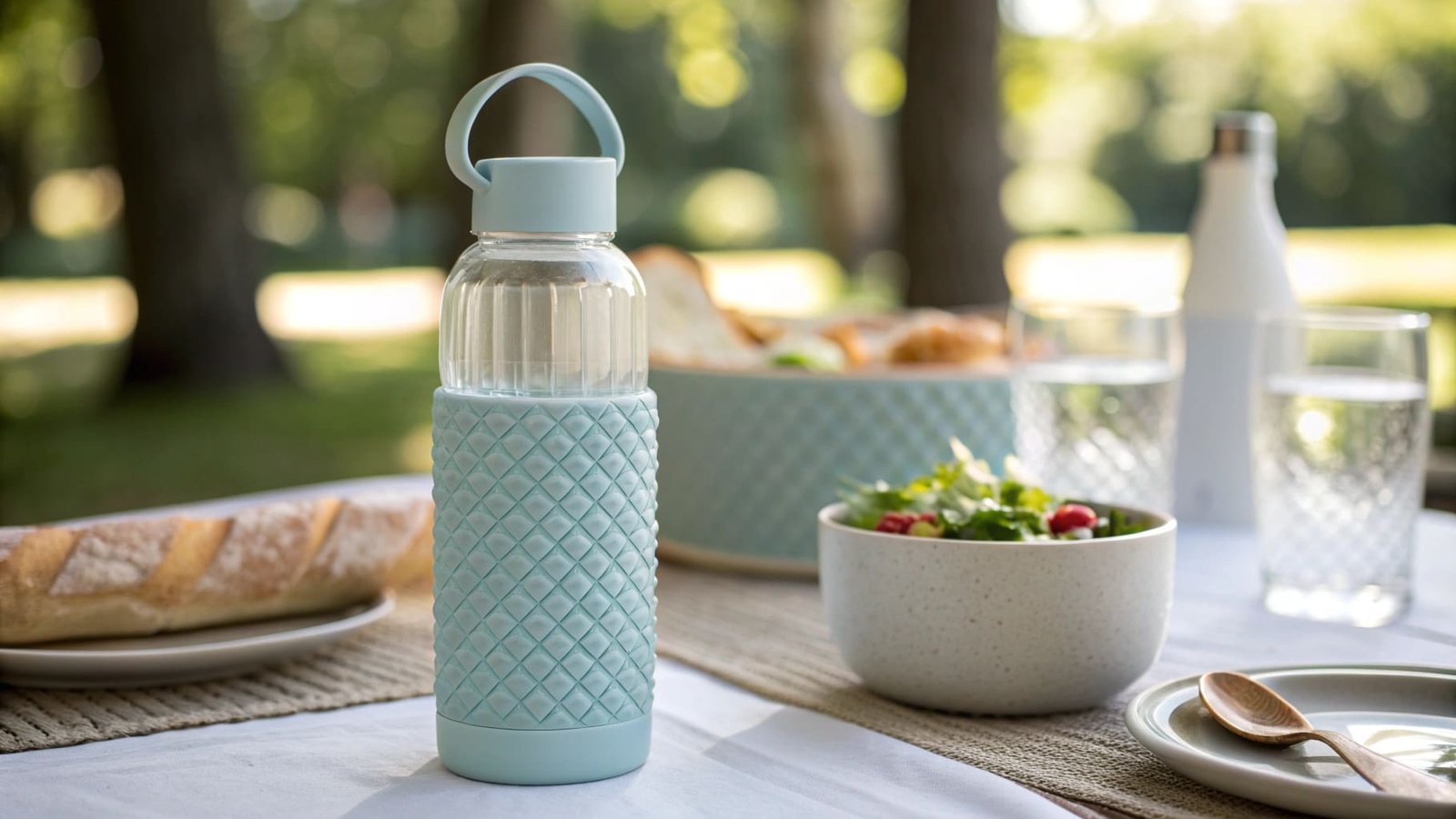
Most buyers I talk to lump these two products into one category. That mistake leads to wrong specs, wrong materials, and wrong pricing. Once you understand what each product actually does, sourcing becomes much cleaner. Let me walk you through the details.
What Is the Best Material for Bumpers?
Pick the wrong material and your bumper fails in the field. Returns go up, reorders stop, and your customer moves on.
Food-grade silicone is the best material for tumbler bumpers.1 It absorbs shock well, handles temperature extremes, feels good in the hand, and is easy to clean.2 It also holds its shape through repeated use. No other common material matches this combination of properties.
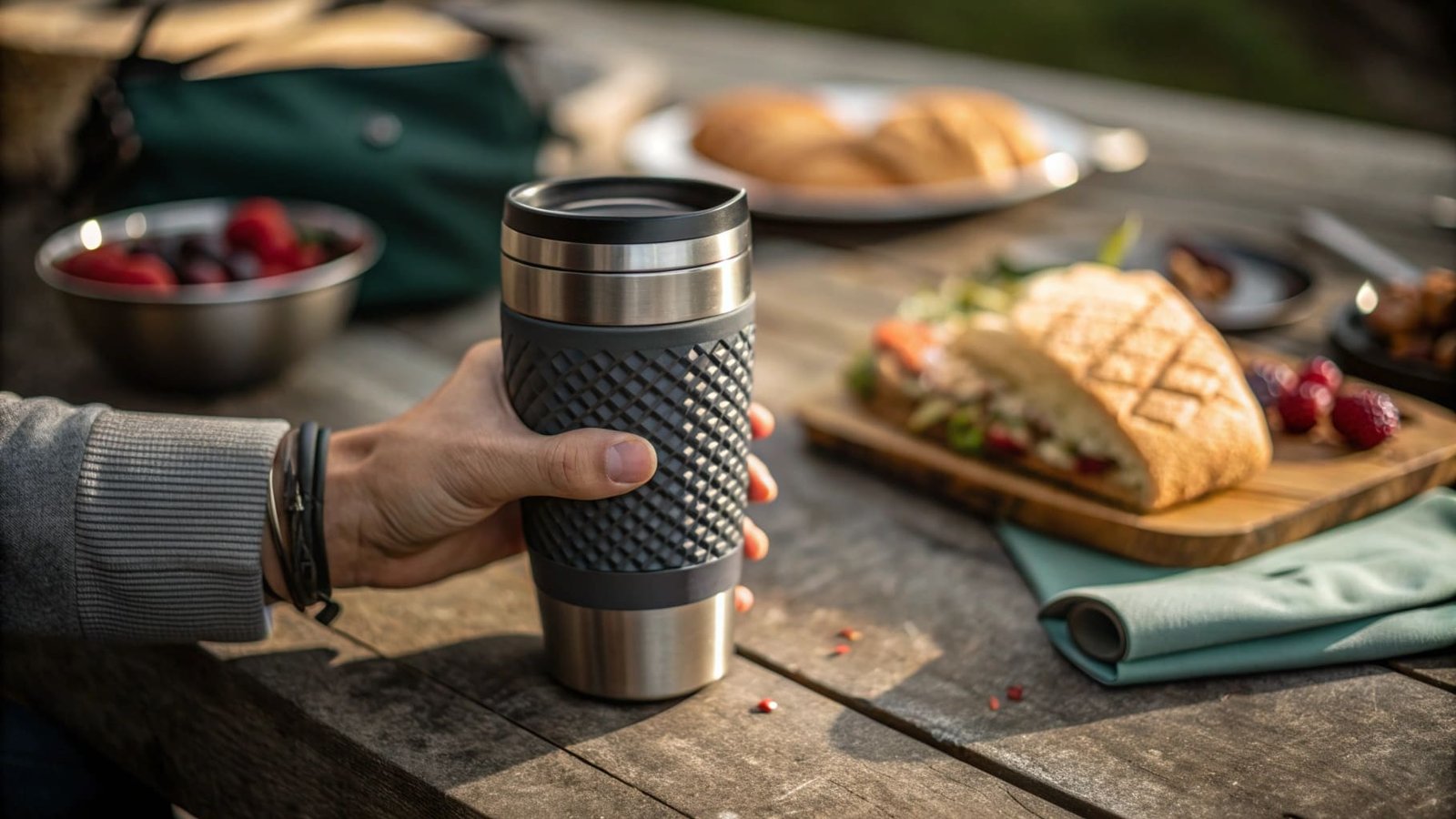
Silicone is not the only option on the market, though. TPE (thermoplastic elastomer) is used as a lower-cost alternative, and it works reasonably well in stable conditions. But when you compare the two side by side across real-world use cases, silicone pulls ahead in almost every category that matters to end users.
Here is a direct comparison:
| Property | Food-Grade Silicone | TPE |
|---|---|---|
| Grip performance | Excellent | Good |
| Temperature resistance | -40°C to 230°C | Limited range |
| Durability over time | Very high | Moderate |
| Food safety certification | FDA / LFGB available | Varies by grade |
| Cost | Higher | Lower |
| Tactile feel | Soft, premium | Can feel stiff |
I work with silicone exclusively at Silijoy, and the reason is simple. When Mark, a buyer like the ones I work with regularly, brings a product to the Canadian market under his own brand, the material has to perform every single day. A bumper that peels, hardens, or smells after six months is a brand problem, not just a product problem.
Silicone also passes FDA and LFGB food safety standards, which matters in North American and European markets.3 If a supplier cannot provide certification for the material they use, that is a red flag you should not ignore.
The right material choice starts with understanding what job the bumper is doing. If grip and hand comfort are the priority, food-grade silicone is the answer. If you are building a budget line and performance requirements are lower, TPE can be considered, but verify the grade and certification before committing.
Do Insulated Boots Lose Their Insulation Over Time?
You invested in a quality tumbler boot. Six months later, a customer says it doesn't feel the same. Is the insulation gone?
Quality silicone boots do not lose their insulation properties under normal use.4 Silicone's structure stays stable through heat and cold. The issue is not silicone itself. The issue is low-quality silicone, or silicone that is repeatedly exposed to temperatures beyond its rated range.
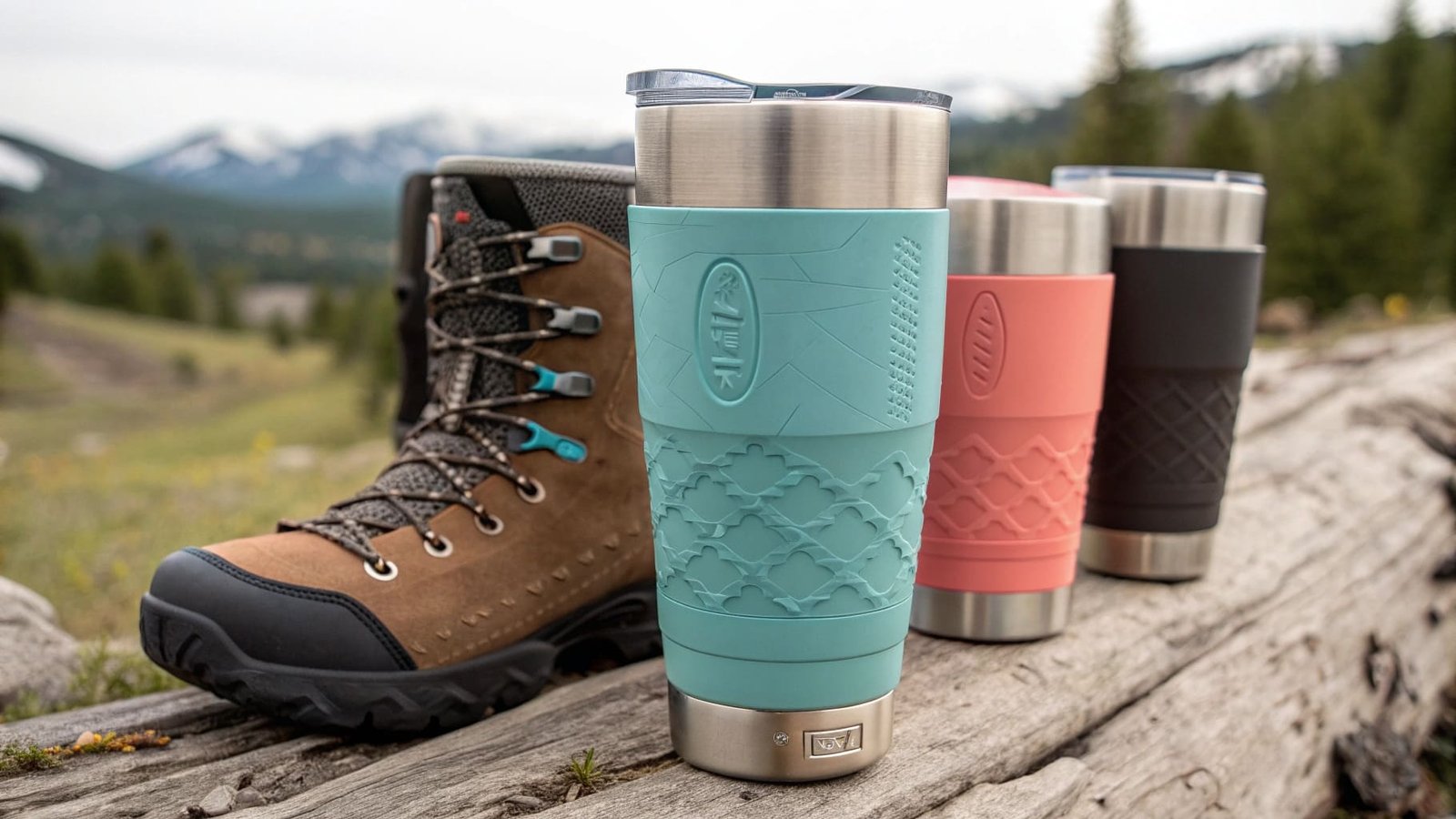
This is a question I hear often from buyers who had a bad experience with a previous supplier. The concern is real, but the cause is almost always material quality, not the product category itself.
Here is what actually happens when insulation performance drops over time:
| Cause | What It Means | How to Avoid It |
|---|---|---|
| Low-grade silicone | Material breaks down faster under heat | Request material certification |
| Thin wall construction | Less insulation from the start | Check product specs before ordering |
| Repeated extreme temperatures | Accelerates degradation in poor materials | Confirm rated temperature range |
| Air gaps or bubbles in molding | Inconsistent performance across batch | Request pre-shipment inspection |
| No quality control at factory | Batch variation goes undetected | Work with audited suppliers |
High-quality silicone boots, made from properly graded food-safe silicone, maintain their performance for years. I have seen our own products hold up through commercial dishwasher cycles and outdoor winter use without any measurable change in performance.
The key point for B2B buyers is this. Insulation performance is a material and manufacturing quality question. A cheap boot from an uncertified supplier will degrade. A properly made silicone boot from a supplier with documented quality control will not. When you are sourcing at volume, this distinction affects your customer return rate directly. Ask for material test reports. Ask about mold quality and wall thickness specifications. These are not difficult questions, and any serious supplier should answer them without hesitation.
What Is Better, PP or ABS Plastic?
You need a hard component for your drinkware line. Someone recommends PP. Someone else says ABS. Which one do you actually choose?
PP and ABS serve different roles. PP is better for food-contact parts because it is more chemically resistant and generally safer.5 ABS is better for structural parts that need rigidity and impact resistance, like lids and hard casings. Neither is better in all situations.
This comparison comes up most often when buyers are specifying tumbler lids or structural accessories. The confusion is understandable because both are common plastics, both are widely available, and both look similar in a product photo. The difference shows up in performance.
Here is how they compare across the factors that matter most in drinkware accessories:
| Property | PP (Polypropylene) | ABS (Acrylonitrile Butadiene Styrene) |
|---|---|---|
| Food safety | High, FDA approved | Lower, not recommended for direct contact |
| Impact resistance | Moderate | High |
| Rigidity | Flexible at thin walls | Stiff, holds shape well |
| Chemical resistance | Excellent | Moderate |
| Temperature resistance | Up to ~100°C | Up to ~80°C |
| Surface finish | Matte, less premium | Smooth, more premium look |
| Cost | Lower | Slightly higher |
For bumpers and grips, neither PP nor ABS is the right answer. Both are too rigid to provide the shock absorption and tactile feel that a bumper needs. Silicone or TPE handles that job far better.
Where PP makes sense is in structural inserts, bases, or internal components where food contact is possible and flexibility is not needed. Where ABS makes sense is in lids, hard-shell cases, or display components where a clean, rigid surface matters.
I always tell buyers to separate the question into two parts. What is this part touching, and what stress is it under? If it touches food or drink, lean toward PP or silicone. If it needs to hold a shape under physical stress, ABS works well. Mixing up these two leads to product failures that are entirely avoidable with the right spec from the start.
Conclusion
Bumpers protect the body. Bottom protectors protect the base. Material matters more than most buyers expect. Know your spec before you source.
-
"Progress in research on the safety of silicone rubber ...", https://pubmed.ncbi.nlm.nih.gov/37183940/. Materials references describe food-contact silicone elastomers as flexible, thermally stable, chemically inert in many use conditions, and available in food-contact compliant grades, supporting their suitability for tumbler bumpers. Evidence role: expert_consensus; source type: research. Supports: Food-contact silicone elastomers combine flexibility, thermal stability, cleanability, and regulatory availability, making them suitable for soft drinkware accessories.. Scope note: This supports silicone as a strong material choice, not the absolute claim that it is best in every cost, design, or regulatory scenario. ↩
-
"The Effect of Aging Process Conditions on the Thermal ... - PMC", https://pmc.ncbi.nlm.nih.gov/articles/PMC11595879/. Published reviews of silicone elastomers report viscoelastic damping, broad thermal stability, low glass-transition behavior, and chemical inertness under many cleaning conditions, supporting these practical performance attributes. Evidence role: general_support; source type: paper. Supports: Published material-property data should support silicone's damping behavior, temperature stability, soft elastomeric feel, and resistance to water-based cleaning.. Scope note: The source would substantiate general silicone properties rather than consumer perceptions of tactile quality in a specific product. ↩
-
"21 CFR 177.2600 -- Rubber articles intended for repeated use. - eCFR", https://www.ecfr.gov/current/title-21/chapter-I/subchapter-B/part-177/subpart-C/section-177.2600. Official food-contact rules and guidance recognize silicone rubber articles as eligible for food-contact use when specified formulation and migration requirements are satisfied, supporting the relevance of FDA and LFGB documentation for drinkware accessories. Evidence role: general_support; source type: government. Supports: Government or official institutional sources should confirm that silicone rubber articles may be used for food contact when they meet applicable composition and migration requirements.. Scope note: This supports the availability of compliant silicone grades, not a blanket claim that every silicone product passes FDA or LFGB requirements. ↩
-
"Effects of aging on the structural, mechanical, and thermal properties ...", https://pmc.ncbi.nlm.nih.gov/articles/PMC4916109/. Aging and thermal-property studies of silicone elastomers report low thermal conductivity and relatively stable behavior under moderate service conditions, supporting the expectation that quality silicone boots retain insulating function in normal use. Evidence role: general_support; source type: paper. Supports: Research should show that silicone elastomers have low thermal conductivity and relatively stable thermal properties under ordinary service conditions.. Scope note: This is contextual support; it does not prove performance retention for every boot design, wall thickness, or manufacturing batch. ↩
-
"21 CFR 177.1520 -- Olefin polymers. - eCFR", https://www.ecfr.gov/current/title-21/chapter-I/subchapter-B/part-177/subpart-B/section-177.1520. Food-contact regulations list compliant polypropylene formulations for specified uses, and polymer references describe polypropylene as resistant to many aqueous chemicals, supporting its frequent selection for food-contact components. Evidence role: general_support; source type: government. Supports: Official food-contact regulations and materials references should support polypropylene's common use in compliant food-contact applications and its chemical resistance profile.. Scope note: The evidence supports compliant PP grades and typical resistance behavior, not every polypropylene product or all chemical exposures. ↩