How to Clean Rubber Gaskets on Water Tumbler Lids for Bulk Production Lines?
Dirty gaskets cost you more than you think. One contaminated batch can trigger recalls, kill client relationships, and destroy the reputation you spent years building.
Cleaning rubber gaskets on water tumbler lids for bulk production lines requires a combination of food-grade alkaline cleaners or diluted hydrogen peroxide, mechanical scrubbing, and proper drying. This removes residual agents, organic buildup, and bacteria without damaging silicone or breaking FDA and LFGB compliance.

I have worked with enough buyers to know that gasket hygiene is the last thing most people think about—until it becomes the only thing they think about. A single shipment of tumbler lids with moldy or contaminated gaskets can trigger a product recall, flood your inbox with complaints, and put your brand on the wrong side of regulatory agencies. I have seen it happen to careful, experienced buyers. The problem is not always poor sourcing. Sometimes, it is simply that no one had a clear, practical cleaning protocol in place. That is what this article is for.
How to Clean Tumbler Gaskets?
Most people treat gasket cleaning as an afterthought. By the time contamination shows up, the damage is already done.
To clean tumbler gaskets properly, soak them in a food-grade alkaline solution or diluted hydrogen peroxide for 10 to 15 minutes, scrub with a soft brush, rinse thoroughly with clean water, and dry completely before reassembly. This process removes organic residue, oils, and bacteria without degrading silicone material.

Cleaning gaskets in a bulk production environment is a different challenge from cleaning a single tumbler at home. You are not dealing with one gasket. You are dealing with thousands, and every single one needs to meet the same hygiene standard before it leaves your line.
Contamination in production settings usually comes from three places. First, there are residual mold release agents left over from the manufacturing process. Second, there is moisture that gets trapped during assembly. Third, there is bacterial growth that develops during storage, especially in humid warehouse conditions1. Each source requires a slightly different approach, but the core cleaning method stays the same.
The Cleaning Process Step by Step
Here is how a reliable bulk gasket cleaning protocol looks in practice:
| Step | Action | Detail |
|---|---|---|
| Pre-rinse | Flush with warm water | Removes loose particles and surface dust |
| Soak | Alkaline cleaner or diluted H₂O₂ | 10–15 minutes, food-grade solution only |
| Scrub | Soft nylon brush | Focus on grooves and edges where residue collects |
| Rinse | Clean running water | Remove all chemical residue completely |
| Dry | Forced air or controlled heat drying | Zero moisture before reassembly or packaging |
The drying step is where most production lines cut corners. A gasket that looks clean but retains moisture is a mold problem waiting to happen.2 Forced air drying or low-heat drying tunnels are standard in well-run facilities. If your supplier is air-drying gaskets at room temperature in an open warehouse, that is a red flag.
One more thing to keep in mind: not all cleaning agents are safe for food-contact silicone. Harsh solvents like acetone or petroleum-based cleaners will break down the silicone structure over time.3 They can also leave residues that fail FDA or LFGB testing. Stick to food-grade solutions. The cost difference is small. The compliance risk is not.
What Is the Best Cleaner for Rubber Gaskets?
The wrong cleaner will not just leave residue. It will slowly destroy the gasket material and put your certifications at risk.
The best cleaner for rubber gaskets used in food-contact applications is a food-grade alkaline detergent or a diluted hydrogen peroxide solution at 3% concentration. These clean effectively without degrading silicone, leaving harmful residues, or violating FDA or LFGB food safety requirements.

Choosing the right cleaner is not just a technical decision. It is a compliance decision. If you are selling branded tumblers into the North American or European market, your gaskets need to meet food safety standards. The cleaner you use during production becomes part of that compliance story.
I have spoken with procurement officers who assumed any industrial cleaner would do the job. Some of them found out the hard way that their gaskets failed migration testing because of residual cleaning agents left in the material. That failure did not just cost them one batch. It cost them a client contract and several weeks of re-testing.
Comparing Common Cleaning Agents for Silicone Gaskets
| Cleaner Type | Effectiveness | Safe for Silicone | Meets Food-Grade Standards | Notes |
|---|---|---|---|---|
| Food-grade alkaline detergent | High | Yes | Yes | Best for regular production line use |
| Diluted hydrogen peroxide (3%) | High | Yes | Yes | Good for disinfection and organic residue |
| White vinegar solution | Moderate | Yes | Yes | Suitable for light maintenance cleaning |
| Acetone | High | No | No | Degrades silicone, fails compliance testing |
| Petroleum-based solvent | High | No | No | Leaves residue, banned in food-contact use |
| Bleach (undiluted) | High | No | No | Too harsh, causes material breakdown |
The safest and most practical choice for a bulk production line is food-grade alkaline detergent. It is designed for exactly this kind of use. It removes oils, proteins, and manufacturing residues without attacking the silicone polymer structure.4 Hydrogen peroxide at 3% is a strong second option, especially useful when you need a disinfection step on top of basic cleaning.
One thing I always recommend is asking your gasket supplier for the specific material composition before you select a cleaner. Different silicone formulations have slightly different tolerances.5 A good supplier will give you a material safety data sheet and a recommended cleaning protocol. If they cannot provide that, it tells you something about how seriously they take product quality.
How to Remove Black Mold from a Rubber Gasket?
Black mold on a gasket is not just a cleaning problem. It is a warning that something in your process has already failed.
To remove black mold from a rubber gasket, apply a diluted hydrogen peroxide solution directly to the affected area, allow it to sit for 15 minutes, then scrub with a soft brush and rinse thoroughly. For large-scale contamination, UV-C sterilization or controlled ozone treatment provides a more reliable industrial-scale solution.
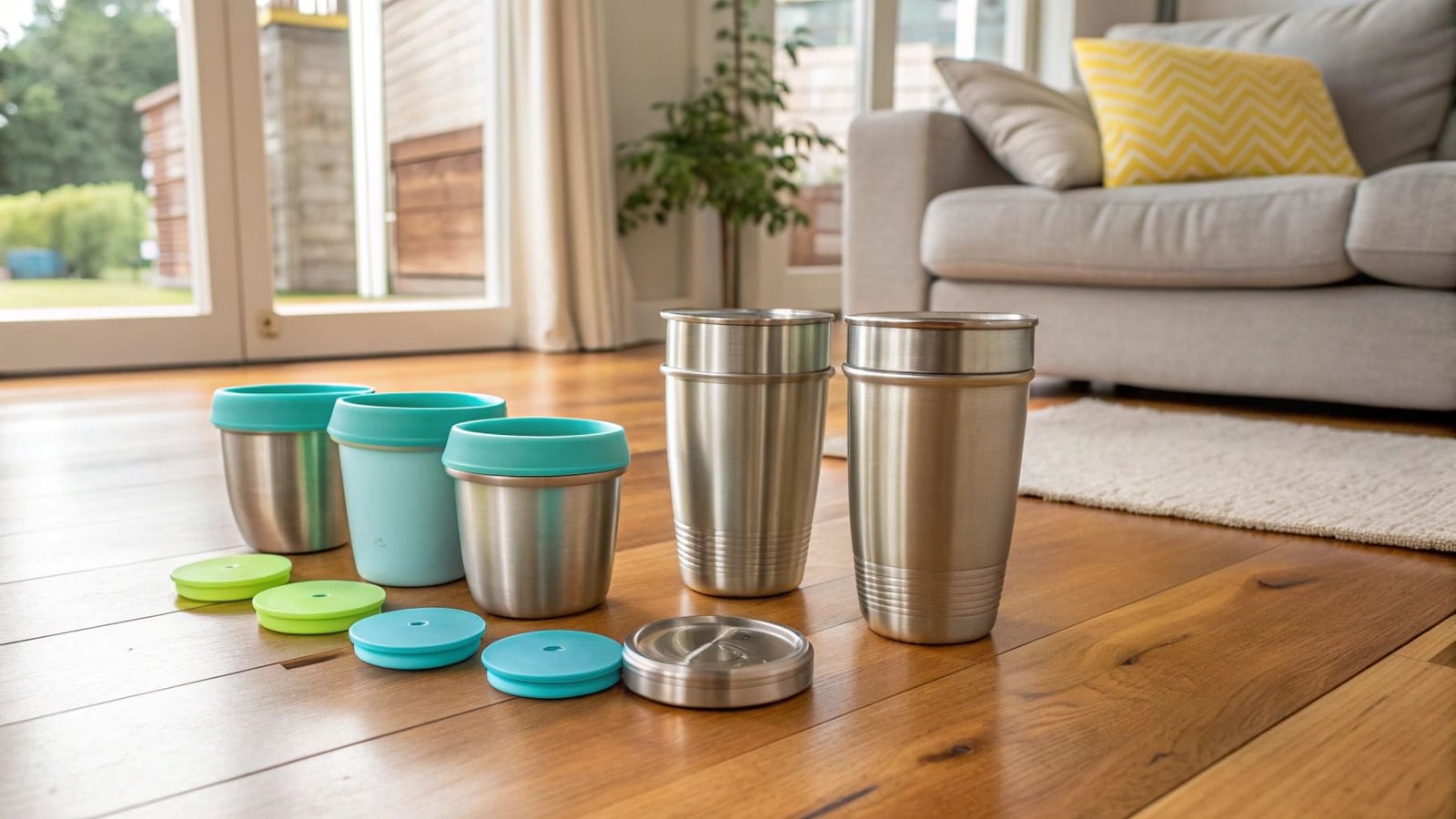
When I see black mold on a gasket, my first question is never "how do we clean it?" My first question is "how did it get there?" Mold does not appear randomly. It appears because moisture was present, temperature conditions were right, and the material gave it somewhere to grow.6 If you clean the mold without fixing the underlying cause, it will come back.
In bulk production, mold contamination usually points to one of two problems. Either the drying protocol after cleaning is not working, or the gasket material itself is not suited for the environment it is being stored or used in. Standard rubber compounds are far more susceptible to mold than premium food-grade silicone with antimicrobial additives. If your supplier is using standard rubber to cut costs, you will see this problem repeatedly.
Mold Risk Factors and Solutions
| Risk Factor | Why It Causes Mold | Practical Solution |
|---|---|---|
| Inadequate drying after cleaning | Residual moisture creates mold conditions | Use forced air or heat drying tunnels |
| Humid warehouse storage | Moisture in packaging encourages growth | Store in climate-controlled, sealed packaging |
| Low-grade rubber material | Porous surface holds moisture and bacteria | Switch to food-grade silicone with antimicrobial additives |
| Slow production turnover | Long storage time increases exposure risk | Improve inventory rotation and turnover rate |
| No post-clean inspection step | Contamination goes undetected | Add visual and swab inspection to the line |
For individual gaskets with surface mold, hydrogen peroxide at 3% is effective if applied correctly and left long enough to work. But for a production line dealing with mold at scale, manual cleaning is too slow and too inconsistent. UV-C sterilization stations and ozone treatment chambers are the industrial-grade answer. They work across large batches simultaneously, reduce human error, and produce results that can be documented and verified for quality audits.
This matters especially if your buyers in North America or Europe are asking for documented hygiene protocols. More and more quality-conscious buyers are requesting this as part of their supplier qualification process. Having a UV-C or ozone treatment step in your line gives you something concrete to show them.
I want to be direct about one more thing. If a supplier sends you gaskets with existing mold and dismisses it as a minor issue, that is not a supplier you want to build your business on. Mold on food-contact components is a regulatory and reputational risk. A good supplier treats it that way.
Conclusion
Gasket cleaning is a quality control decision. The right process, the right cleaner, and the right material protect your product, your compliance status, and your client relationships.
-
"The Effects of Ventilation, Humidity, and Temperature on Bacterial ...", https://pmc.ncbi.nlm.nih.gov/articles/PMC9691097/. Microbiology studies associate moisture availability and elevated relative humidity with increased microbial survival or growth on surfaces, supporting the article’s concern about humid storage conditions. Evidence role: mechanism; source type: paper. Supports: Moisture and high relative humidity support microbial survival and growth on materials and stored products.. Scope note: The evidence is general to microbial ecology and storage environments, not necessarily specific to tumbler gaskets. ↩
-
"Mold Cleanup in Your Home | US EPA", https://www.epa.gov/mold/mold-cleanup-your-home. Public-health and environmental guidance identifies moisture control as central to preventing mold growth, supporting the claim that residual moisture on gaskets increases mold risk. Evidence role: mechanism; source type: government. Supports: Mold growth depends strongly on moisture, and moisture control is a standard mold-prevention measure.. Scope note: The source supports the moisture–mold relationship generally rather than measuring mold growth on tumbler gaskets specifically. ↩
-
"Equilibrium swelling of elastomeric materials in solvent environments", https://www.sandia.gov/research/publications/details/equilibrium-swelling-of-elastomeric-materials-in-solvent-environments-1990-03-01/. Polymer-compatibility research reports that silicone elastomers may swell or experience property changes after exposure to some organic solvents, including ketones and hydrocarbon solvents, supporting caution against harsh solvent cleaning. Evidence role: mechanism; source type: paper. Supports: Silicone elastomers can swell, lose properties, or degrade when exposed to certain organic solvents, including hydrocarbons and ketones depending on formulation and exposure conditions.. Scope note: Compatibility is formulation-, concentration-, and exposure-time dependent, so the source should not be read as proving identical degradation for all silicone gaskets. ↩
-
"(PDF) Cleaning in the Food Processing Industry - Academia.edu", https://www.academia.edu/17000927/Cleaning_in_the_Food_Processing_Industry. Food-processing sanitation literature describes alkaline detergents as effective for removing fats, proteins, and organic soils, and polymer-compatibility references generally support silicone’s resistance to many mild aqueous cleaning conditions. Evidence role: mechanism; source type: paper. Supports: Alkaline cleaners are widely used in food-processing sanitation to remove fats, proteins, and organic soils, while silicone generally has compatibility with many mild aqueous cleaning conditions.. Scope note: The support is contextual because compatibility depends on detergent formulation, pH, temperature, and exposure duration. ↩
-
"Preparation of High-Strength and Excellent Compatibility Fluorine ...", https://pmc.ncbi.nlm.nih.gov/articles/PMC9893473/. Materials-science reviews note that silicone elastomer performance depends on formulation, including fillers, curing chemistry, and additives, supporting the need to verify cleaner compatibility for a specific gasket material. Evidence role: mechanism; source type: paper. Supports: The properties of silicone elastomers depend on formulation variables such as polymer type, fillers, crosslinking, and additives, which can affect resistance to chemicals and processing conditions.. Scope note: The source supports formulation-dependent variability but does not prescribe a cleaning protocol for any named supplier’s gasket. ↩
-
"Mold Growth - FSEC® - Florida Solar Energy Center", https://energyresearch.ucf.edu/consumer/buildings/building-science-basics/mold-growth/. University extension and public-health sources describe mold growth as dependent on moisture, suitable temperature, and available substrate or nutrients, supporting the article’s explanation of why mold appears on gaskets. Evidence role: mechanism; source type: education. Supports: Mold growth is promoted by moisture, suitable temperatures, and available surfaces or nutrients.. Scope note: The source explains general fungal-growth conditions rather than diagnosing a specific production-line failure. ↩