What Are the Advantages of Durable Black Fabric Tumbler Sleeve with Strap?
If you source drinkware accessories for resale, you already know one bad product choice can cost you a full season. The right sleeve is not just cosmetic. It changes the whole product.
A durable black fabric tumbler sleeve with strap protects the tumbler from drops and scratches, improves grip, adds portability, and gives the product a premium feel. For B2B buyers, it also opens up a low-cost branding opportunity that adds perceived value without raising the base product cost much.
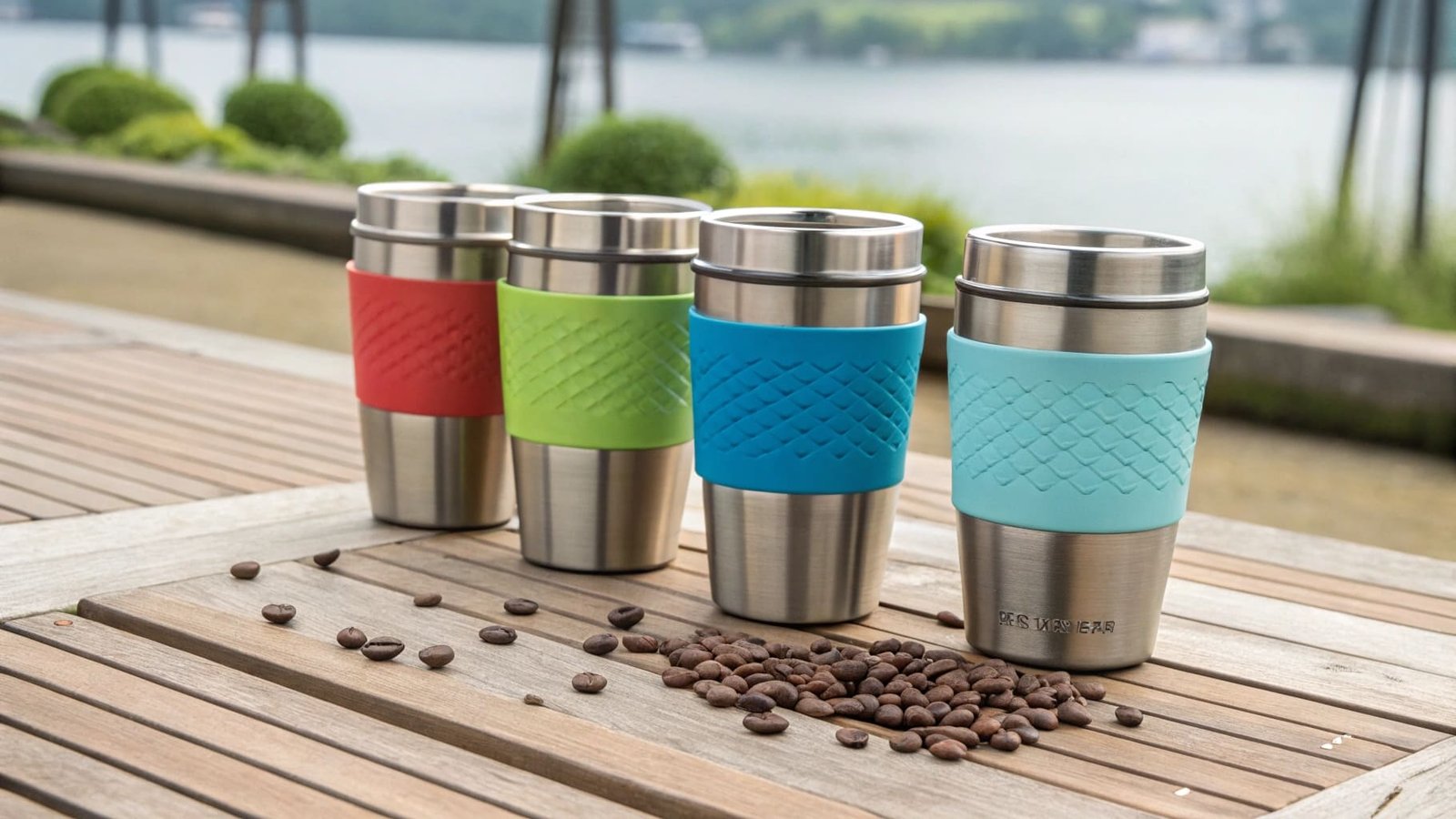
I have spoken with a lot of buyers who treat the sleeve as an afterthought. They focus on the tumbler itself, then grab whatever sleeve fits at the lowest price. That approach works until a client complains about a cracked finish, a slippery hold, or a product that feels cheap in the hand. The sleeve matters more than most people think. Once you understand what a good one does, you will not go back to sourcing it blindly.
Why Should a Cloth Not Be Used to Make a Tumbler?
Some buyers ask whether fabric could replace hard materials in tumbler construction altogether. The short answer is no, and the reasons are worth understanding clearly.
Cloth cannot hold liquid on its own. It has no structural shape, no sealing ability, and no resistance to pressure. A tumbler made from fabric alone would collapse, leak, and absorb bacteria over time. The fabric works only when placed around a solid container, not as the container itself.
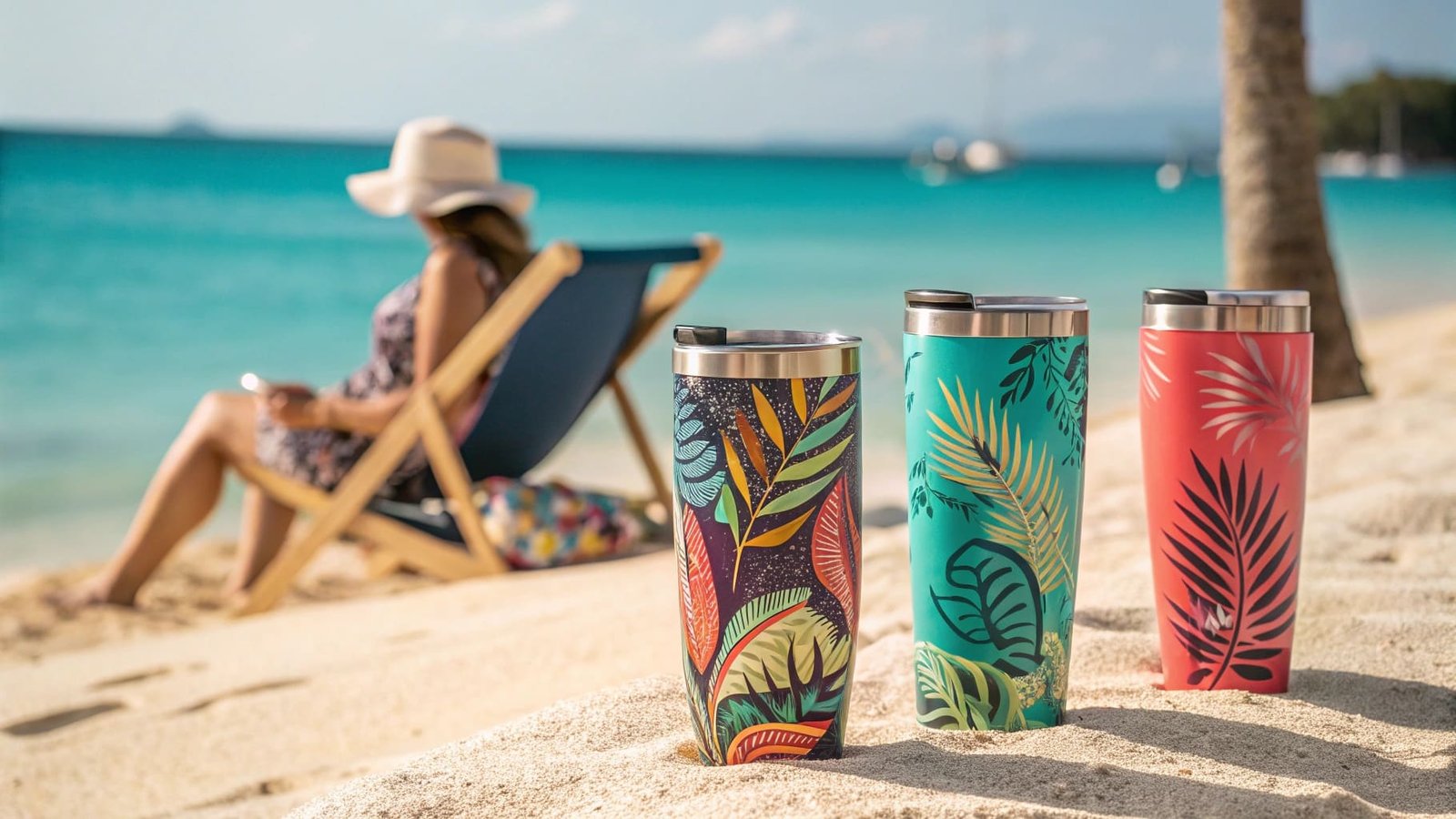
This is a distinction that matters a lot in B2B procurement. When a supplier markets a "fabric tumbler," they mean a hard-bodied tumbler with a fabric sleeve wrapped around it. The fabric is the accessory layer, not the core. The core still needs to be rigid, sealed, and food-safe.
Here is why each material layer has a different job:
| Layer | Material | Function |
|---|---|---|
| Inner wall | Stainless steel or food-grade plastic | Holds liquid, maintains shape |
| Vacuum gap | Air or gas | Blocks heat transfer |
| Outer shell | Stainless steel or hard plastic | Structural protection |
| Sleeve | Fabric or silicone | Grip, insulation boost, impact buffer |
The fabric sleeve adds real value, but only because the tumbler underneath already does the hard work. If a supplier ever suggests that fabric can replace hard materials in the container itself, that is a red flag. It shows a lack of basic product knowledge, and it should make you question the rest of their catalog as well.
I once reviewed a product sample where the fabric was stitched so tightly around the tumbler that it actually trapped moisture between the sleeve and the shell. That caused rust on an otherwise decent stainless steel body. The lesson was clear. Good sleeve design is not just about the fabric. It is about how the sleeve is attached and how it breathes.
What Tumbler Keeps Cold the Longest?
Cold retention is one of the top questions I hear from buyers targeting the North American and European markets. End users there are serious about it, and they will return a product or leave a bad review if it fails to deliver.
Vacuum-insulated stainless steel tumblers consistently keep cold the longest.1 A well-made double-wall vacuum tumbler can hold cold temperatures for 12 to 24 hours. No other common tumbler material comes close to that range under normal conditions.
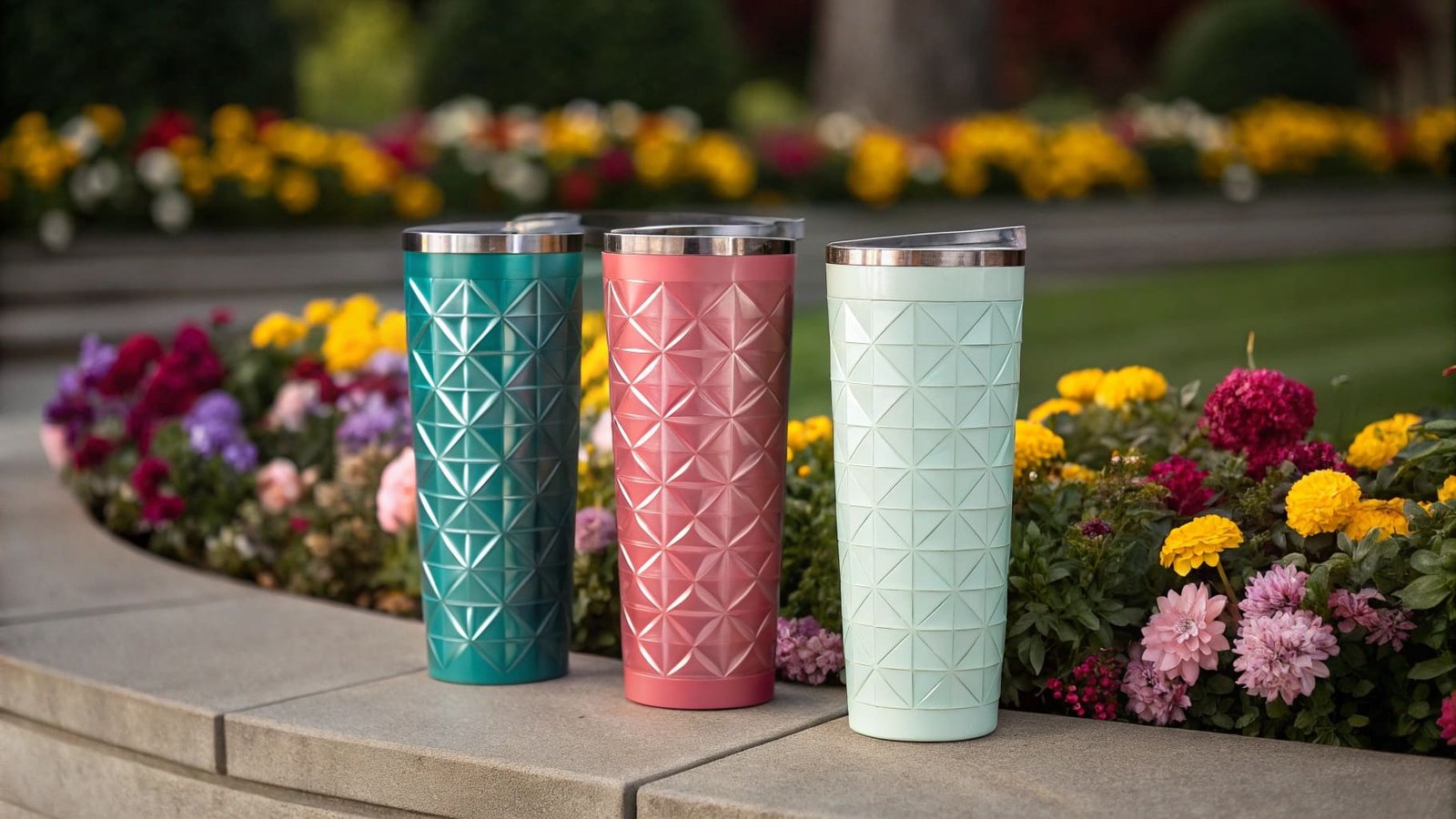
The science behind this is straightforward. Heat moves from warm areas to cold ones through three main paths: conduction, convection, and radiation.2 A vacuum gap between two stainless steel walls blocks all three at once.3 Conduction is blocked because there is no solid material connecting the walls. Convection is blocked because there is no air to carry heat. Radiation is reduced because polished steel reflects thermal energy.
Now here is where the fabric sleeve enters the picture again. A vacuum-insulated tumbler already performs well on its own. But when you add a fabric sleeve, you create one more layer of separation between the cold inner contents and the warm outer environment. That extra layer reduces heat gain from your hand, from direct sunlight, and from warm surfaces like car cup holders.4
| Tumbler Type | Cold Retention Estimate | Key Weakness |
|---|---|---|
| Plastic single-wall | 1–2 hours | No insulation, absorbs heat fast |
| Stainless steel single-wall | 2–4 hours | Conducts heat through walls |
| Double-wall stainless (no vacuum) | 4–6 hours | Some heat transfer still occurs |
| Double-wall vacuum stainless | 12–24 hours | Can be affected by poor lid seals |
| Double-wall vacuum + fabric sleeve | 12–24+ hours | Best overall in real-use conditions |
For B2B buyers, this matters when writing product specs for wholesale orders. If you want to make a strong claim about cold retention on your retail packaging, you need to source a true vacuum-insulated tumbler, not just a double-wall one. Many suppliers use those terms loosely. Always ask for test data or request a sample you can test yourself before committing to a bulk order.
I have seen buyers locked into large orders of tumblers that were advertised as vacuum-insulated but turned out to be only air-gap insulated. The cold retention was half of what was claimed. That mistake cost them both money and customer trust.
Which Tumbler Material Is the Safest?
Safety is non-negotiable in B2B drinkware. If you sell into North America or Europe, your buyers will ask about certifications. If you cannot provide them, you will lose the deal.
Food-grade stainless steel and medical-grade silicone are the two safest tumbler materials available.5 Both meet FDA and LFGB standards. Both are BPA-free, non-toxic, and resistant to bacterial growth. They do not leach chemicals into beverages even with repeated use or temperature changes.
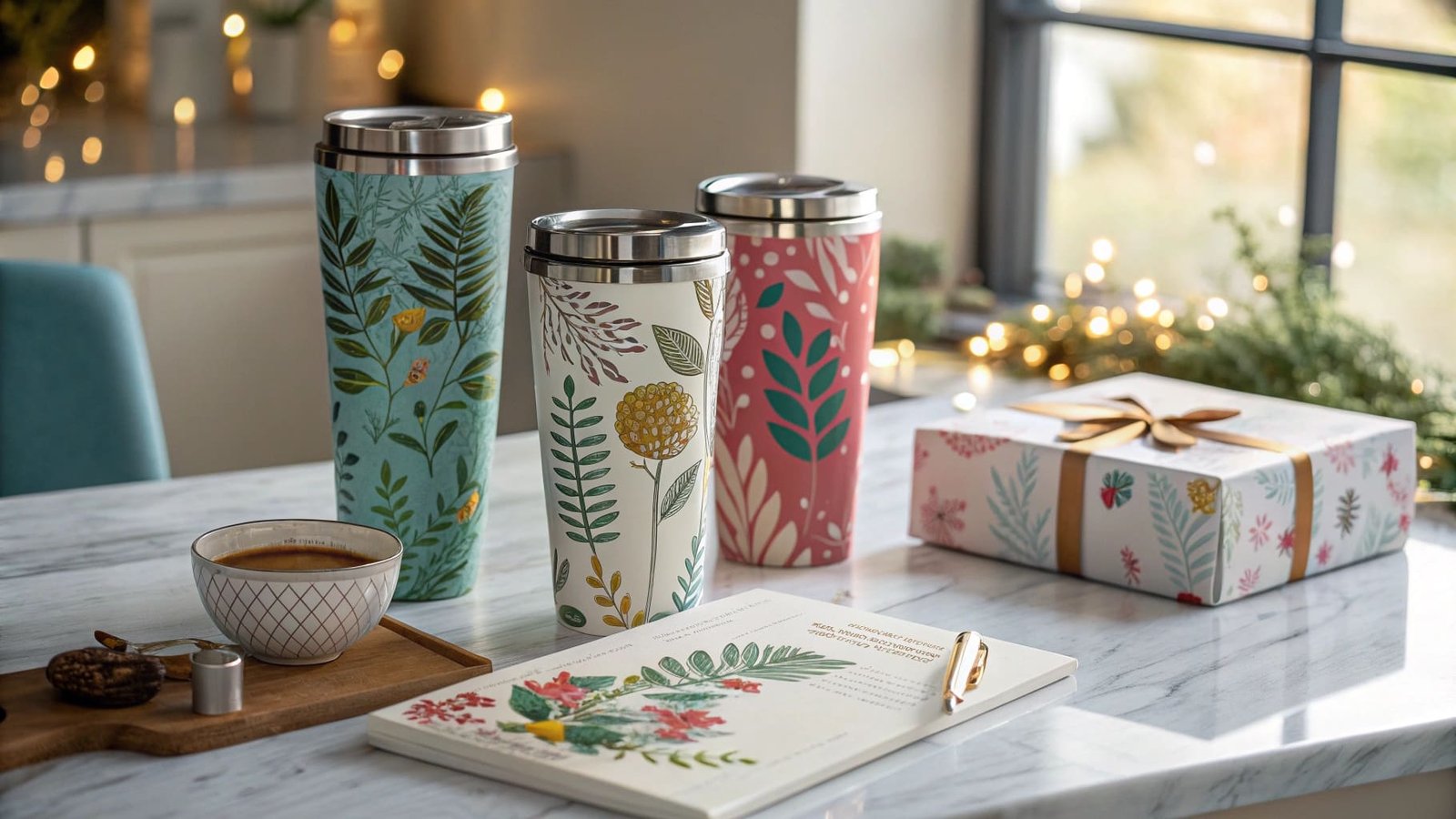
Let me break down what each material does and where it shows up in a tumbler product:
Stainless Steel (Grade 304 or 18/8)
This is the most common inner wall material in premium tumblers. It is corrosion-resistant, easy to clean, and does not absorb flavor or odor from previous drinks6. Grade 304 stainless steel is the standard minimum for food contact.7 Some suppliers use lower grades to cut costs. Always ask for the grade specification in writing.
Medical-Grade Silicone
Silicone shows up in several parts of a tumbler assembly. It is used in lid gaskets, seal rings, straw hole plugs, bite valves, and sleeve constructions. Medical-grade silicone is flexible, heat-resistant, and completely food-safe.8 It does not crack under cold temperatures or warp under heat.
| Material | Safety Rating | Common Use in Tumblers | Certification to Ask For |
|---|---|---|---|
| Grade 304 stainless steel | High | Inner wall, outer shell | FDA, LFGB |
| Medical-grade silicone | High | Gaskets, sleeves, lids | FDA, LFGB |
| BPA-free plastic | Medium | Lids, some inner walls | FDA |
| Standard fabric | Varies | Outer sleeve only | OEKO-TEX if textile |
| Low-grade stainless (430) | Low | Avoid for food contact | Often uncertified |
For buyers sourcing from China or Vietnam, certificate fraud is a real risk. I have seen suppliers present certificates that were outdated, mismatched to the actual product, or outright fake. The safest approach is to ask for the original certificate with the issuing lab's name and to verify it directly through the lab's website or by contacting them yourself.
When the tumbler body is made from certified safe materials and the sleeve is made from a tested fabric like OEKO-TEX certified textile, you have a product that passes compliance checks in both North America and Europe. That combination also gives your brand a clear selling point when marketing to health-conscious consumers.
Conclusion
A durable black fabric tumbler sleeve with strap improves grip, protection, and portability. Pair it with vacuum-insulated stainless steel and certified-safe materials for a product that sells and lasts.
-
"Vacuum flask", https://en.wikipedia.org/wiki/Vacuum_flask. References on vacuum flasks explain that the evacuated space between container walls reduces conductive and convective heat transfer, providing general support for the superior cold-retention performance of vacuum-insulated tumblers. Evidence role: general_support; source type: encyclopedia. Supports: Vacuum flasks reduce heat transfer by using a vacuum between walls, which explains their superior temperature retention compared with non-vacuum containers.. Scope note: This supports the insulation principle, while exact rankings depend on lid design, volume, wall geometry, and test conditions. ↩
-
"STEMonstrations: Thermal Energy - NASA", https://www.nasa.gov/stem-content/stemonstrations-thermal-energy/. Standard heat-transfer references define conduction, convection, and radiation as the principal modes by which thermal energy is transferred, supporting the article's explanation of insulation performance. Evidence role: definition; source type: education. Supports: Heat transfer is commonly classified into conduction, convection, and radiation.. ↩
-
"Modes of heat transfer - Bluffton University", https://homepages.bluffton.edu/~bergerd/NSC_111/thermo1.html. Heat-transfer references on vacuum flasks state that the vacuum layer suppresses conduction and convection and that reflective surfaces reduce radiative heat transfer, supporting the general mechanism described for double-wall tumblers. Evidence role: mechanism; source type: education. Supports: Vacuum insulation substantially reduces conductive and convective heat transfer, while reflective surfaces reduce radiative transfer.. Scope note: The source would qualify the article's wording because radiation is reduced rather than completely blocked by the vacuum itself. ↩
-
"Development of a perioperative thermal insulation system - PMC - NIH", https://pmc.ncbi.nlm.nih.gov/articles/PMC10497167/. Research on textile thermal resistance shows that fabric layers can reduce heat transfer by trapping air and adding conductive resistance, providing contextual support for a sleeve's insulation contribution around a tumbler. Evidence role: mechanism; source type: paper. Supports: Textile layers can provide thermal resistance by trapping air and reducing heat flow across a surface.. Scope note: This supports the physical mechanism but does not quantify the specific improvement for the article's sleeve design. ↩
-
"Food Packaging & Other Substances that Come in Contact ...", https://www.fda.gov/food/food-ingredients-packaging/food-packaging-other-substances-come-contact-food-information-consumers. Food-contact regulations and guidance recognize stainless-steel alloys and silicone elastomers as materials that may be suitable for repeated food-contact use when they comply with applicable composition, extractives, or migration limits. Evidence role: expert_consensus; source type: government. Supports: Regulatory frameworks permit stainless steel and silicone-type materials for food-contact applications when they meet applicable composition and migration requirements.. Scope note: This supports material suitability, not an absolute ranking that they are the two safest materials in every tumbler application. ↩
-
"Microbial investigation of cleanability of different plastic and ...", https://pmc.ncbi.nlm.nih.gov/articles/PMC10439085/. Guidance on stainless steel in food-contact applications describes its smooth, corrosion-resistant, and readily cleanable surface, supporting the claim that it is less likely to retain flavors or odors than absorbent materials. Evidence role: mechanism; source type: institution. Supports: Stainless steel is valued in food-contact settings for its smooth, cleanable, non-porous surface properties.. Scope note: The source supports the material property generally; poor cleaning, damaged surfaces, or residues can still cause odor retention. ↩
-
"Characteristics of Food Contact surface materials: stainless ...", https://www.foodprotection.org/files/food-protection-trends/Oct-12-Schmidt.pdf. Food-equipment and stainless-steel industry references identify Type 304 stainless steel as a commonly used food-contact alloy because it combines corrosion resistance, cleanability, and durability. Evidence role: expert_consensus; source type: institution. Supports: Type 304 stainless steel is a common austenitic stainless steel used in food-contact and food-processing applications because of corrosion resistance and cleanability.. Scope note: This supports common suitability and industry use, but local regulations may not require 304 as the only minimum acceptable alloy. ↩
-
"Progress in research on the safety of silicone rubber products in ...", https://pubmed.ncbi.nlm.nih.gov/37183940/. Food-contact guidance for silicone elastomers supports their use in applications requiring flexibility and heat resistance when the finished material complies with applicable extractives or migration requirements. Evidence role: expert_consensus; source type: government. Supports: Silicone materials are used in food-contact applications because they are flexible and heat resistant, subject to compliance with extractives or migration limits.. Scope note: This qualifies the article's absolute wording: safety depends on formulation, additives, curing quality, and product-specific compliance testing. ↩