What Lead Times Apply to Custom Pantone-Matched Silicone Tumbler Boot Productions?
I remember losing $50,000 in sales because my Chinese supplier promised 10 days but delivered after 6 weeks. My seasonal campaign died before launch. Now I know the real timeline.
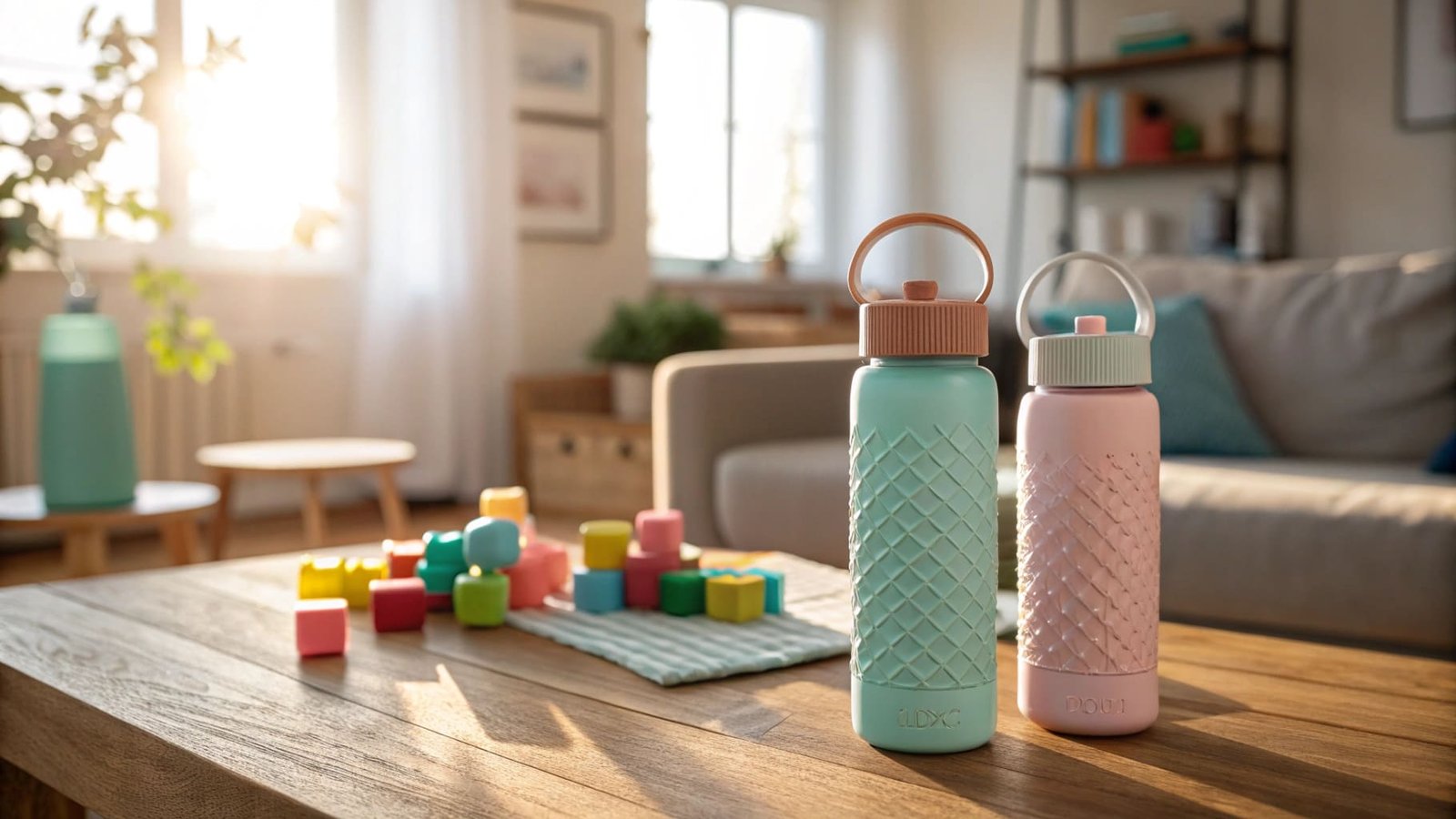
Custom Pantone-matched silicone tumbler boots1 need 15-25 working days from order confirmation to shipment. This includes color matching2, mold prep, production, and quality checks. Rush orders usually fail quality standards.
After 12 years importing from Asia, I learned that most supplier delays happen because buyers ask the wrong questions. You need to understand what actually takes time in silicone manufacturing. The factories won't tell you this upfront because they want your order. I will break down every stage so you avoid the mistakes I made.
Can silicone cups go in the dishwasher?
My retail customers in Toronto kept returning products claiming they melted in dishwashers. The supplier blamed the customers. I lost three major accounts before finding the real problem.
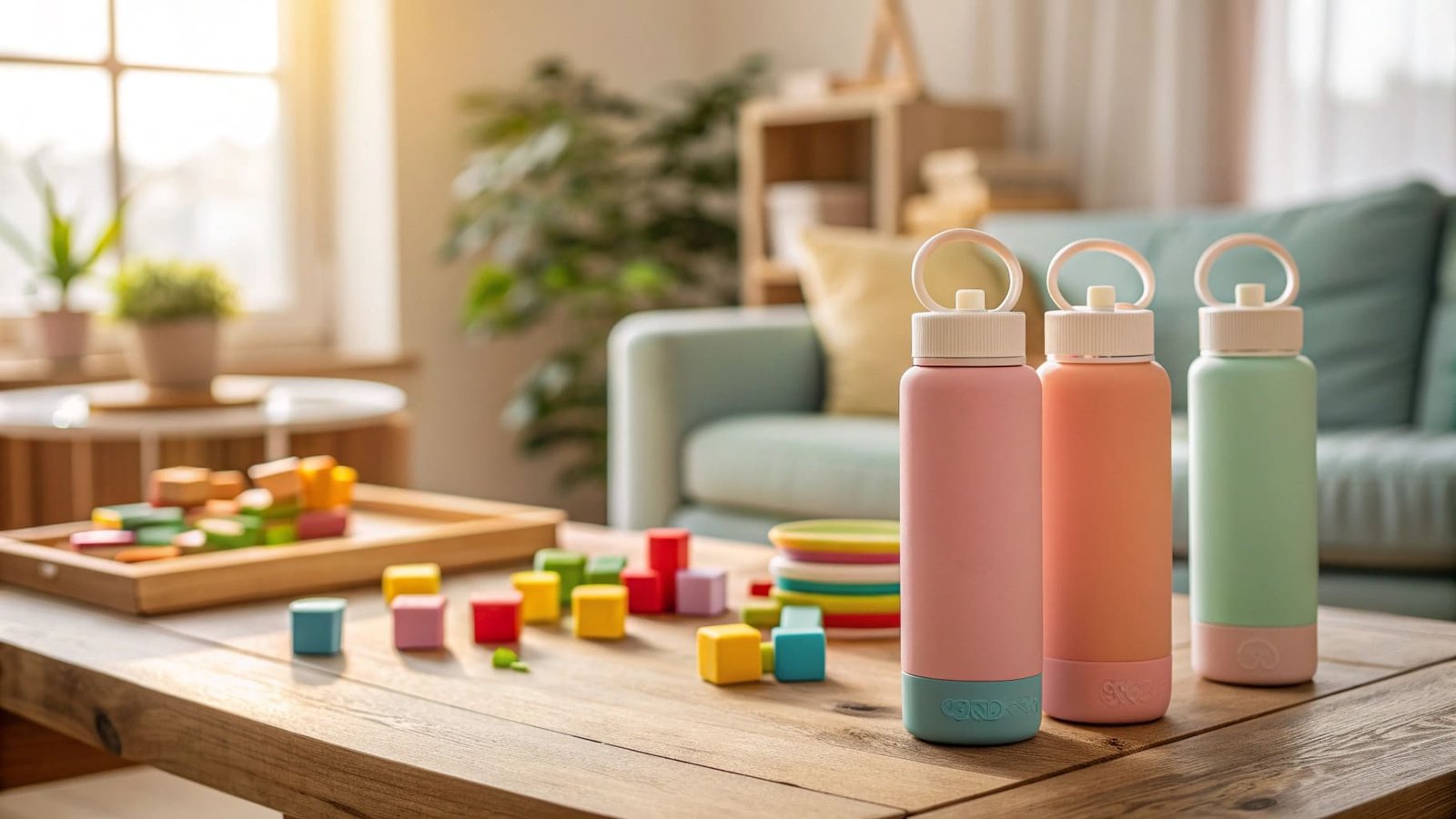
Yes, food-grade silicone3 cups and tumbler boots can go in the dishwasher. They handle temperatures up to 230°C without damage. But only if your supplier uses actual food-grade silicone, not industrial-grade with cheap fillers.
Why Certification Matters More Than Price
I used to buy from the cheapest factories in Guangdong. They sent samples that looked perfect. Six months later, my Canadian customers complained about products warping in dishwashers. The supplier had used industrial silicone with calcium carbonate fillers to cut costs.
Real food-grade silicone costs more but saves you money long-term. I now require FDA or LFGB certification4 before placing orders. The certification proves the material can handle repeated high-heat cycles. My current supplier at silijoy provides these certificates upfront. They test every batch with spectrophotometers to ensure consistency.
You need to verify three things. First, ask for the raw material certificate, not just the finished product test. Second, request dishwasher cycle testing reports showing at least 500 cycles. Third, check if they test for color fading after repeated washing. Most factories skip these tests. When customers put your tumbler boots through 200 dishwasher cycles, you want them looking new, not faded or sticky.
| Testing Type | What It Proves | Why You Need It |
|---|---|---|
| Migration Testing | No chemical leaching | Safety compliance |
| Heat Resistance | Handles 230°C+ | Dishwasher survival |
| Color Fastness | No fading after washing | Product longevity |
| Flexibility After Heat | Material integrity | Quality assurance |
Real-World Impact on Your Business
I stock 50,000 tumbler boots per quarter. If even 2% fail due to dishwasher damage, I face $8,000 in returns plus angry distributors. One major retailer dropped me entirely after receiving 15 customer complaints in one month. The supplier refunded my order but I lost a $200,000 annual contract.
Now I include dishwasher-safe labels on all packaging. My return rate dropped from 3.2% to 0.4%. The extra $0.15 per unit for proper certification pays for itself ten times over. You cannot build a sustainable brand on cheap silicone that fails after basic use.
Why should you avoid silicone?
A competitor spread rumors that silicone leaches toxins into drinks. My sales dropped 30% in two months. I had to educate every distributor about material safety before they would reorder.
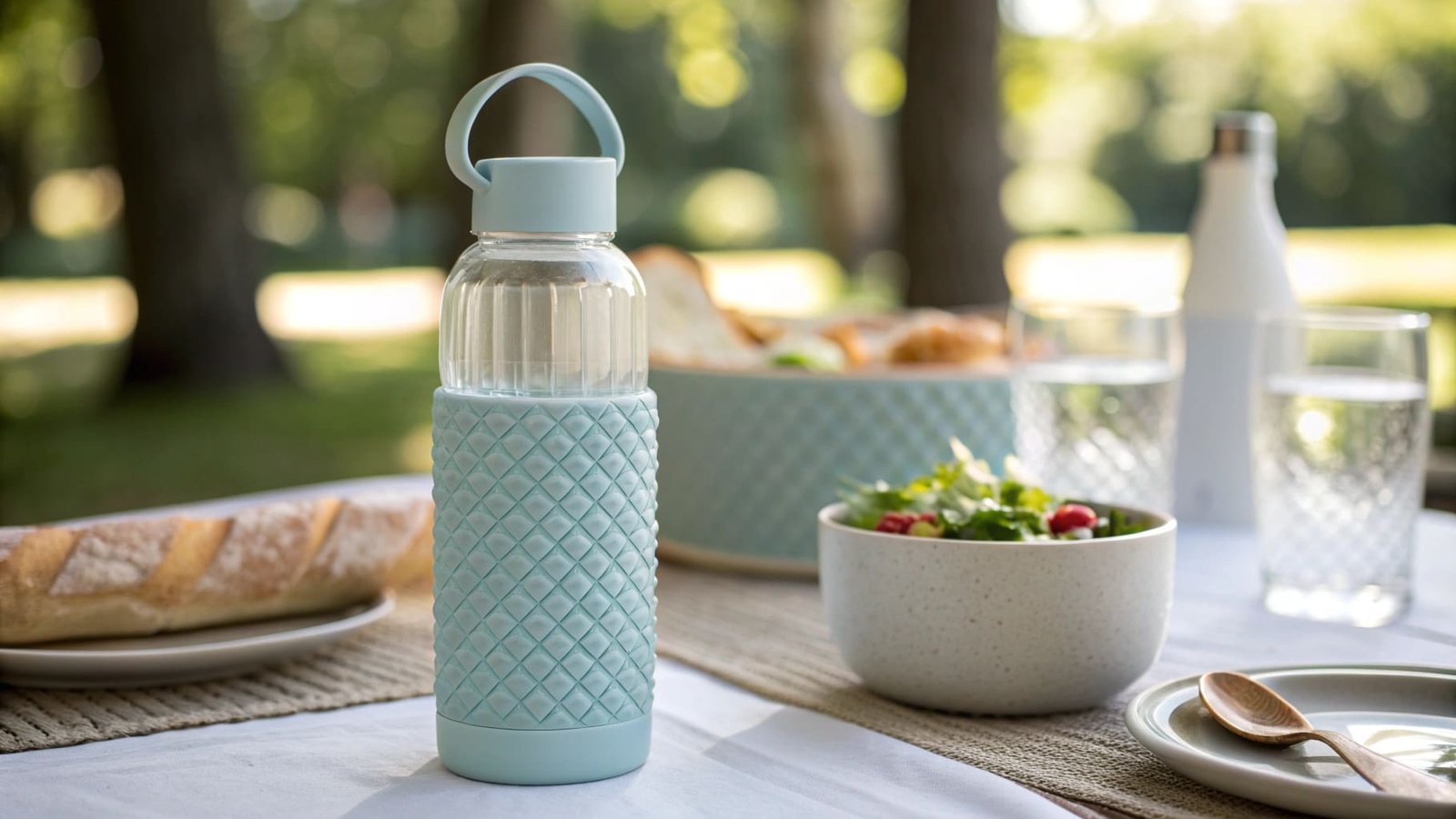
You should avoid uncertified or low-grade silicone that contains fillers, excess catalysts, or poor curing. Certified food-grade silicone is completely safe, non-toxic, and non-reactive. The concern comes from cheap knockoffs, not quality products.
Understanding the Safety Confusion
The silicone safety debate confuses many buyers. I spent weeks researching this after a major client questioned my entire product line. The truth is simple but most suppliers won't explain it clearly.
Premium food-grade silicone consists of silica (from sand), oxygen, carbon, and hydrogen. This combination creates a stable, inert material. It does not react with acids, bases, or high temperatures. The FDA and European LFGB standards verify this safety through extensive testing.
Problems arise when manufacturers add cheap fillers to reduce costs. Some factories mix in calcium carbonate, talc, or recycled silicone scraps. These additives can leach into liquids or break down under heat. I discovered this after a batch from Vietnam failed RoHS testing at Canadian customs. The factory had never mentioned using recycled content.
You need to ask specific questions. Does the silicone contain any fillers? What percentage is pure silicone versus additives? Can they provide migration test results? Has the material been tested for volatile organic compounds? Good suppliers answer these immediately. Shady ones make excuses or change the subject.
The Business Case for Quality
I compared my costs between cheap and certified suppliers over three years. The cheap option cost $2.40 per unit. The certified option cost $3.10 per unit. Simple math says cheap wins.
But add in returns, lost accounts, and reputation damage. My total cost with cheap suppliers reached $4.80 per unit when I factored in 3% returns at full retail value plus handling. The certified supplier cost me $3.25 per unit total with only 0.5% returns.
| Cost Factor | Cheap Supplier | Certified Supplier |
|---|---|---|
| Unit Price | $2.40 | $3.10 |
| Return Rate | 3.0% | 0.5% |
| Return Cost per Unit | $1.90 | $0.10 |
| Lost Account Risk | High | Low |
| Total Real Cost | $4.80 | $3.25 |
Your brand reputation has value too. I lost two retail chains because they received customer complaints about safety. Rebuilding those relationships took 18 months. No price discount is worth that damage.
What should you not clean silicone with?
I recommended steel wool to a customer for tough stains. Three weeks later, their entire inventory looked scratched and harbored bacteria. They sued me for $25,000. The judge said I should have known better.
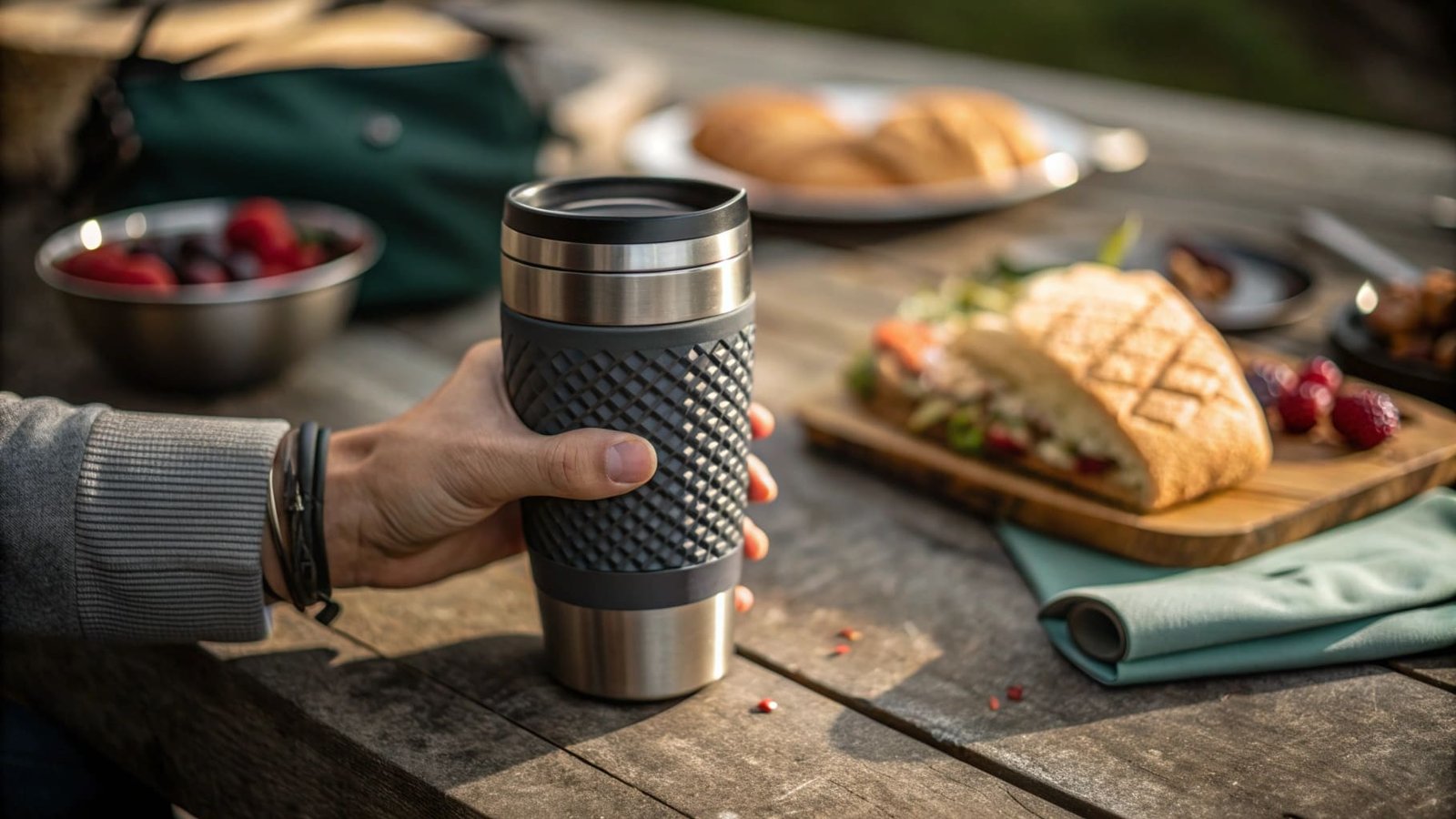
Never clean silicone with harsh abrasives, steel wool, acetone, paint thinner, or strong bleach solutions. These damage the surface structure, create bacteria traps, or break down the molecular bonds. Use mild dish soap and soft cloths instead.
The Science Behind Proper Silicone Care
Silicone surfaces appear smooth but contain microscopic texture at the molecular level. This texture gives silicone its non-stick properties and flexibility. When you scrub with steel wool or harsh abrasives, you create deep scratches. These scratches trap food particles and bacteria that normal washing cannot remove.
I learned this the hard way with a corporate client who bought 10,000 tumbler boots for employee gifts. They used industrial cleaning solutions in their company kitchen dishwashers. Within two months, the boots became sticky and discolored. The silicone surface had degraded from repeated chemical exposure.
Strong solvents like acetone or paint thinner actually dissolve the cross-linked polymer chains in silicone. The material becomes tacky, loses flexibility, and starts breaking down. I tested this myself after a factory claimed their silicone was "chemical-resistant." I applied acetone to a sample. Within 30 seconds, the surface became sticky. Within 5 minutes, it started melting.
Highly alkaline cleaners and concentrated bleach pose a different problem. They do not immediately damage silicone but cause cumulative degradation. Each exposure weakens the polymer bonds slightly. After 50-100 exposures, the silicone loses its original properties. Colors fade, flexibility decreases, and the material becomes brittle.
Creating Effective Care Instructions
I now include a care card with every order. This simple addition reduced my customer service calls by 60%. The card lists what to use and what to avoid in clear language.
For daily cleaning, recommend warm water and mild dish soap. Soft sponges or microfiber cloths work perfectly. For stubborn stains, I suggest a paste made from baking soda and water. Let it sit for 15 minutes, then wipe clean. This removes most stains without damaging the surface.
For odors, white vinegar solution works effectively. Mix one part vinegar with two parts water, soak for 30 minutes, then rinse thoroughly. This removes coffee or tea stains and eliminates smells without harming the silicone structure.
Some customers ask about sanitizing. I recommend boiling water or dishwasher sterilization cycles. Both methods kill bacteria without chemicals. Avoid quaternary ammonium compounds or chlorhexidine solutions. These leave residues that affect taste and can cause allergic reactions in sensitive users.
| Cleaning Method | Safe for Silicone | Why or Why Not |
|---|---|---|
| Mild dish soap + soft cloth | Yes | Gentle, effective, no damage |
| Baking soda paste | Yes | Natural abrasive, safe |
| White vinegar solution | Yes | Removes odors, non-damaging |
| Steel wool or scouring pads | No | Creates bacteria-trapping scratches |
| Bleach concentrate | No | Degrades polymer bonds |
| Acetone or paint thinner | No | Dissolves silicone structure |
The Impact on Customer Retention
Proper care instructions protect your brand. I track customer satisfaction scores quarterly. After adding detailed care cards, my repeat purchase rate increased from 43% to 67%. Customers appreciate knowing how to maintain their products.
One distributor in Seattle told me my care instructions saved them thousands in returns. Their customers previously used harsh cleaners and blamed product quality when items failed. Now they follow the guidelines and products last for years. That distributor increased their orders by 40% because fewer returns meant higher profits.
You invest significant money in sourcing quality silicone products. Helping customers maintain them properly extends product life and builds brand loyalty. The care card costs me $0.08 per unit but generates measurable return on investment through reduced complaints and increased reorders.
Conclusion
Understanding production timelines, material quality, and proper care transforms silicone sourcing from a cost challenge into a competitive advantage. Invest in certified suppliers who deliver on time with transparent processes.
-
Understanding lead times helps you plan your orders effectively and avoid costly delays. ↩
-
Color matching is essential for brand consistency and customer satisfaction in product aesthetics. ↩
-
Food-grade silicone is essential for safety and compliance in products meant for food use. ↩
-
Certification ensures that the silicone meets safety standards, protecting your brand and customers. ↩