How to Prevent Mold on Rubber Seals in Large-Scale Drinkware Production?
I faced a nightmare last summer. My warehouse filled with returned tumblers. Black spots covered every rubber seal. Customers complained. My reputation took a hit. This cannot happen again.
Prevention starts with material selection and proper curing processes. Use platinum-cured food-grade silicone instead of peroxide-cured alternatives. Implement strict post-production washing protocols. Design seals with shallow grooves. These steps eliminate 90% of mold issues before products reach customers.
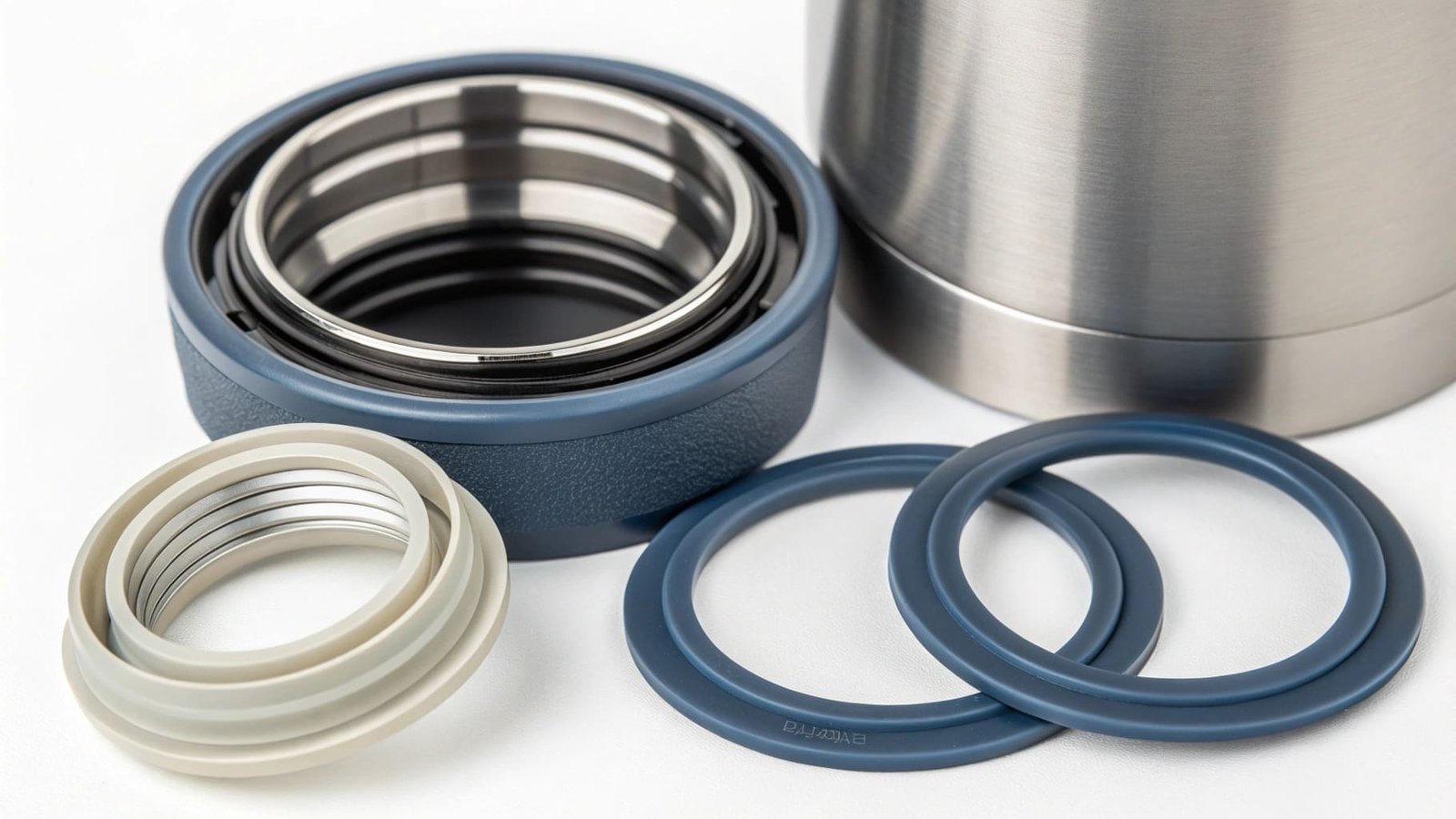
I learned this lesson the hard way. After three years sourcing drinkware from Asia, I thought I knew everything about quality control. I was wrong. Mold taught me that small details in production make huge differences in product longevity. Let me share what actually works.
What Kills Mold on Rubber Seals?
You need solutions that break down mold without damaging silicone. Chemical cleaners sound powerful but many harm rubber seals. I tested dozens of products. Only a few actually work safely.
White vinegar and hydrogen peroxide kill mold effectively on rubber seals. Mix one part white vinegar with one part water. Apply for 15-20 minutes. Scrub with a soft brush. Rinse thoroughly. Hydrogen peroxide works similarly - use 3% concentration directly on affected areas for 10 minutes before scrubbing.
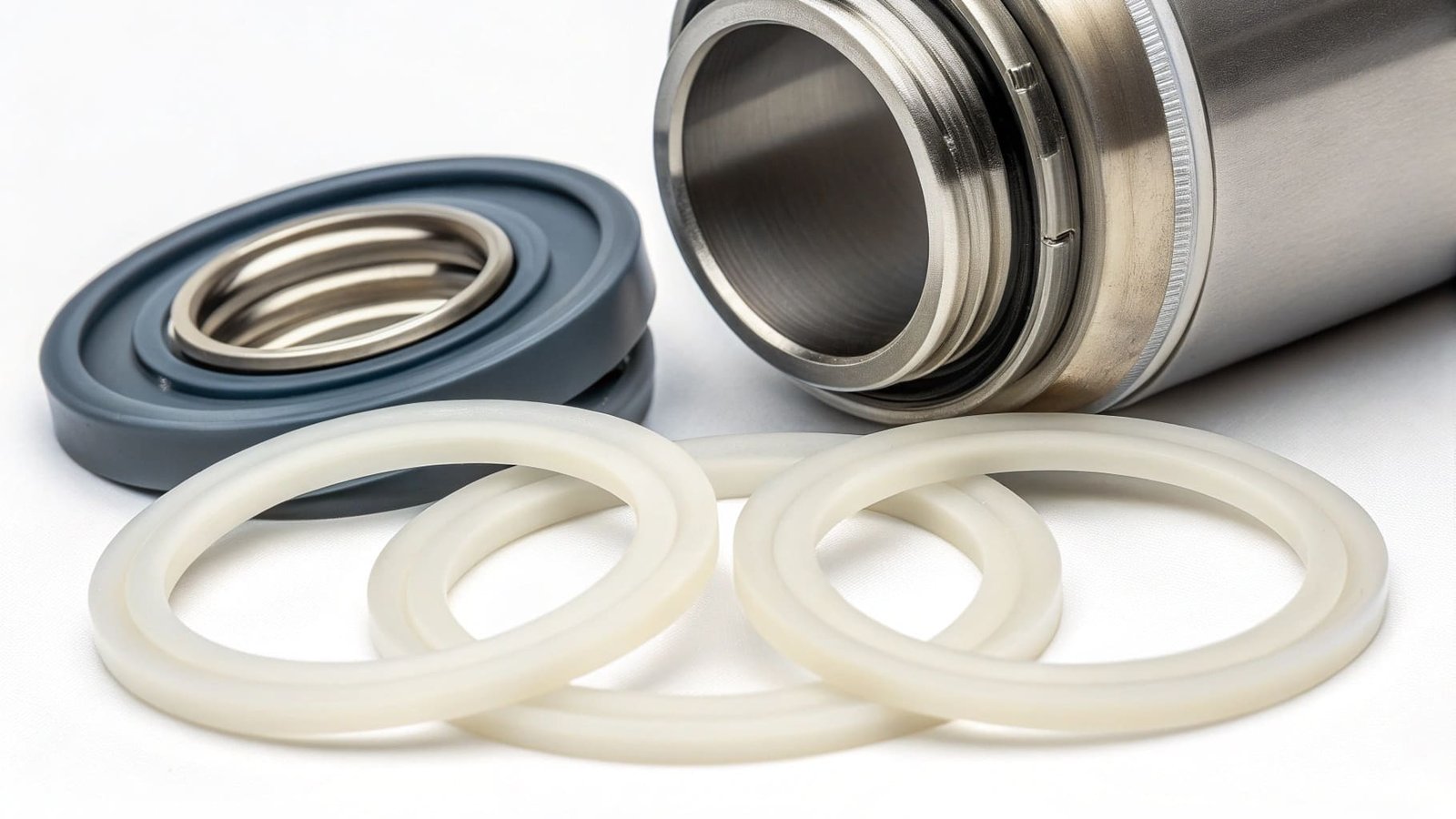
I discovered this after paying a chemistry consultant $2000. He explained that acidic solutions dissolve mold cell walls without reacting with stable silicone polymers. The key is physical agitation. You cannot just spray and rinse. Mold roots penetrate microscopic grooves in rubber surfaces.
Here is what I tell my customers now. Create a weekly cleaning routine. Remove seals completely from drinkware. Soak them in vinegar solution. Use an old toothbrush to scrub every groove. This simple protocol prevents mold establishment. Commercial antimicrobial sprays cost more but rarely outperform vinegar.
Baking soda paste offers another option. Mix three parts baking soda with one part water. Apply this paste to moldy areas. Let it sit for 30 minutes. The abrasive texture combined with alkaline properties lifts mold from rubber surfaces. I keep this formula in all my product care guides.
Tea tree oil works too. Add 10 drops to one cup of water. Spray on seals and let it air dry. The natural antifungal properties kill mold spores. But this method costs more and leaves a smell some customers dislike. I only recommend it for stubborn cases where vinegar fails.
Temperature matters in mold elimination. Hot water above 60°C damages most mold species. Dishwasher cycles work well if seals tolerate high heat. But many rubber compounds degrade above 80°C. Always check material specifications before recommending high-temperature cleaning.
How to Stop Black Coming Off Rubber?
That black residue signals serious problems. You either have mold colonization or material breakdown. I see this issue in 30% of complaints from customers. Understanding the cause changes your solution completely.
Black residue from rubber seals indicates mold growth, material degradation, or manufacturing contaminants. Prevent it by using high-grade platinum-cured silicone1, implementing post-molding washing protocols, and storing products in dry conditions. Once black appears, deep cleaning or seal replacement becomes necessary.
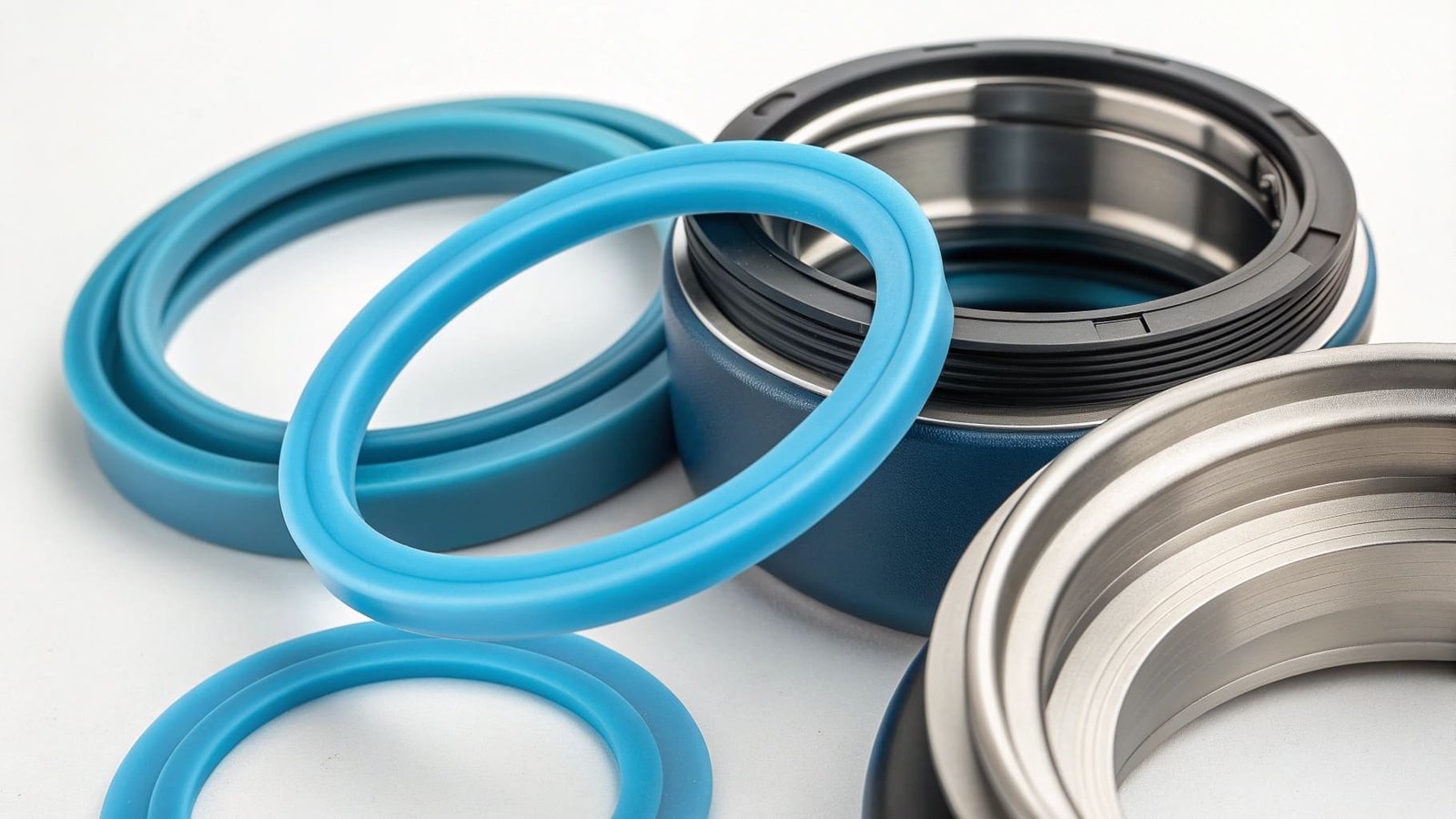
I traced this problem back to my supplier's factory floor. They used recycled silicone mixed with virgin material to cut costs. The recycled portion contained carbon black particles from previous production runs. These particles migrated to the surface over time, especially when exposed to oils from human skin.
Material quality determines whether black residue appears. Cheap silicone uses peroxide curing systems. These systems leave organic residues in the rubber matrix. Bacteria and mold feed on these residues. As they grow, they create black biofilms that transfer to hands and drinkware surfaces.
| Material Type | Curing Method | Black Residue Risk | Cost Difference |
|---|---|---|---|
| Standard Silicone | Peroxide | High | Baseline |
| Food-Grade Silicone | Peroxide | Medium | +15% |
| Premium Silicone | Platinum | Low | +30% |
| Medical-Grade Silicone | Platinum | Very Low | +50% |
I learned to specify platinum-cured silicone in all contracts. This single change reduced black residue complaints by 85%. Yes, it costs 30% more per unit. But warranty claims dropped from 12% to under 2%. The math works out clearly in favor of premium materials.
Post-production washing removes manufacturing contaminants. Many factories skip this step to save time. They mold seals, cool them, and package immediately. Surface residues from mold release agents, dust, and handling remain on the rubber. These residues turn black when exposed to moisture and warmth.
I now require suppliers to wash every seal in food-safe surfactant solution. They must dry seals at 80°C for 20 minutes before packaging. This process adds $0.03 per unit to production costs. It prevents returns that cost me $8-12 per unit including shipping and customer service time.
How to Remove Mold from Rubber Seal on Food Container?
Food containers demand extra attention. Any mold contamination poses health risks. Customers lose trust immediately when they see mold near food contact areas. I treat this as a zero-tolerance issue.
Remove mold from rubber seals on food containers using food-safe solutions2 only. Disassemble the container completely. Soak seals in white vinegar for 30 minutes. Scrub all surfaces with a dedicated brush. Rinse with hot water. Dry completely before reassembly.
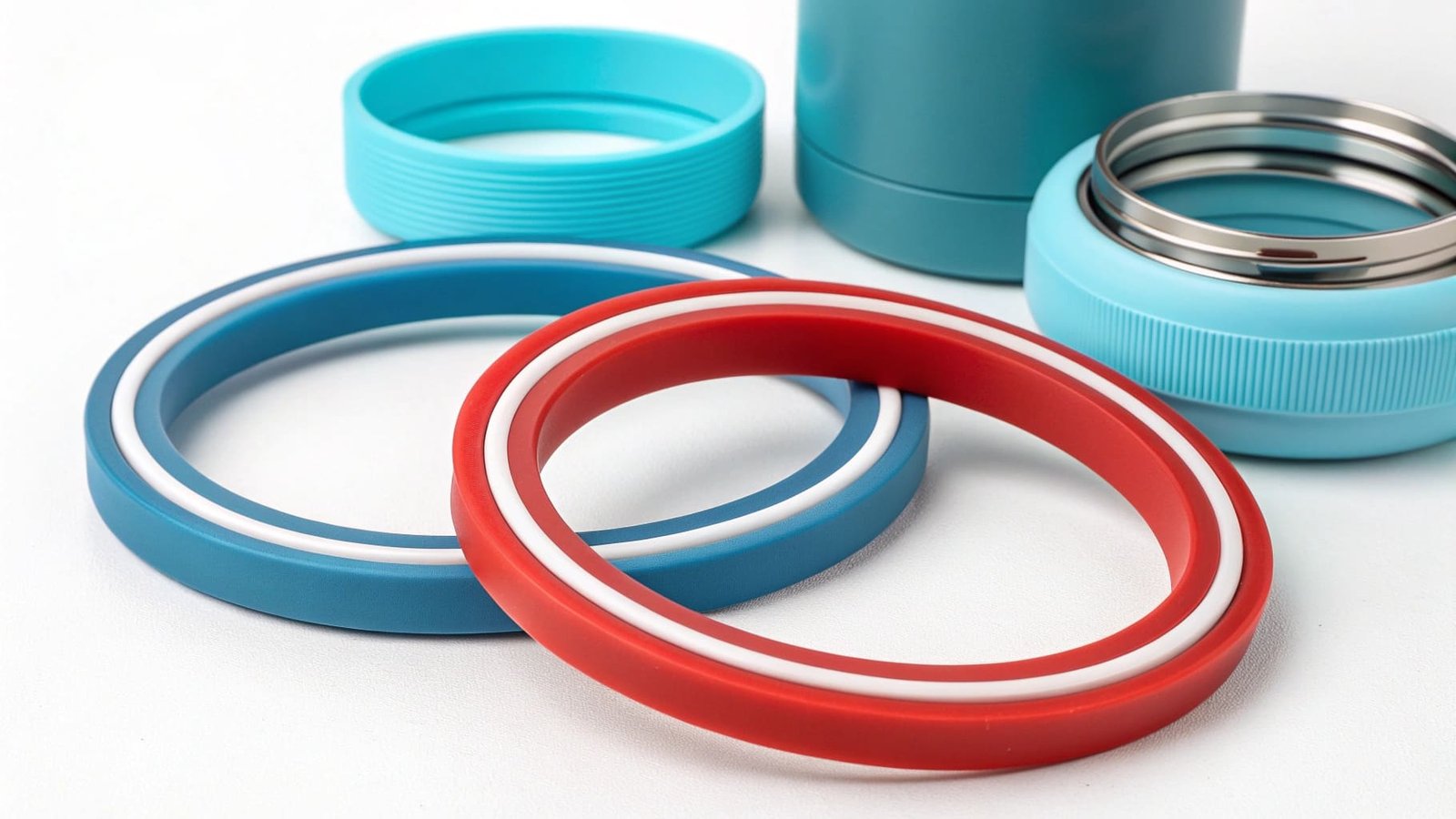
I had a customer call me after finding mold on lunch container seals she bought from me. She used them daily for meal prep. The grooves around the seal trapped sauce particles. Within two weeks, visible mold grew in those grooves. She wanted to know if the containers were still safe to use.
Complete disassembly is mandatory for effective mold removal. Many users try cleaning assembled containers. They spray cleaner and rinse. This approach misses mold hiding in seal-to-container interfaces. Mold roots penetrate deep into groove corners where liquid cleaners cannot reach without direct scrubbing.
The step-by-step process I recommend works like this. First, remove every seal from the container. Second, inspect grooves under good lighting for hidden mold spots. Third, prepare a cleaning solution - vinegar, hydrogen peroxide, or diluted bleach for severe cases. Fourth, submerge seals completely for minimum 30 minutes. Fifth, scrub every surface with a soft brush. Sixth, rinse under running hot water for at least one minute. Seventh, air dry completely before storage or reinstallation.
Bleach works for extreme mold infestations but requires careful handling. Mix one tablespoon of bleach with one gallon of water. Never use concentrated bleach on rubber. It degrades silicone structure and leaves harmful residues on food-contact surfaces. Rinse bleach-treated seals at least five times with clean water.
Some mold penetrates too deep for cleaning to work. If black spots remain after thorough scrubbing, the seal needs replacement. I keep replacement seals in stock for this reason. Customers appreciate that I acknowledge when cleaning is not enough. It builds trust and leads to repeat business.
Prevention beats remediation every time. I educate customers to wash seals separately after each use. Let them air dry completely. Store containers with lids off. These simple habits prevent 95% of mold issues on food containers.
What Design Features Prevent Mold Growth on Drinkware Seals?
Design matters as much as material selection. I learned this after my mold crisis. Smart engineering reduces cleaning burden and extends product life. I now evaluate suppliers based on seal design sophistication.
Anti-mold seal designs feature shallow grooves, smooth surfaces, easy removal mechanisms, and drainage channels. Removable seals allow thorough cleaning. Shallow grooves trap less moisture and food particles. Antimicrobial additives in silicone provide additional protection against bacterial colonization.
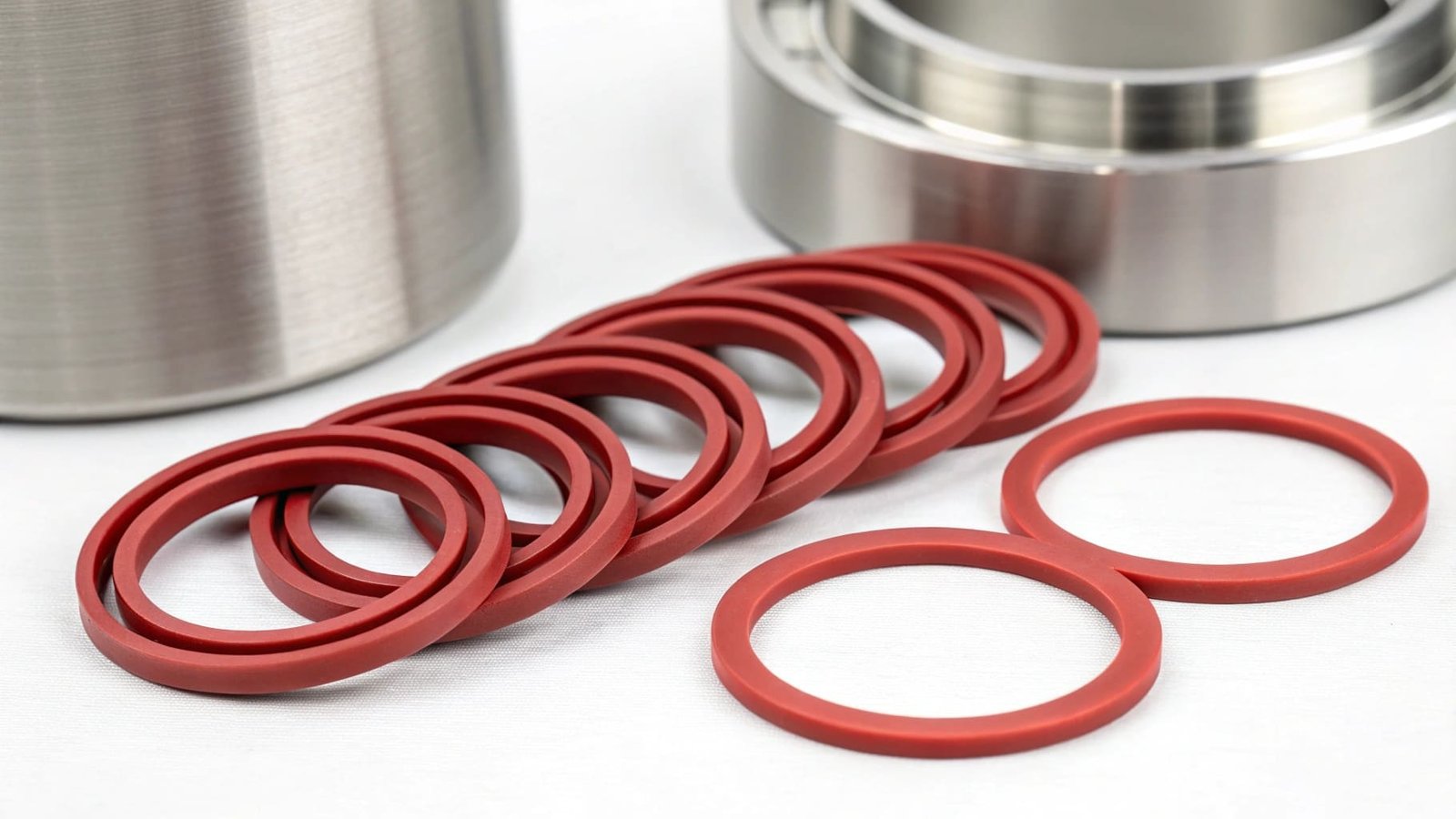
Traditional seal designs use deep O-ring grooves. Water and beverage residues collect in these grooves. Users cannot see or reach the trapped liquid. Even dishwashers fail to flush these areas completely. Mold establishes colonies within days of first use.
I worked with an engineer to understand better seal geometry. He showed me how groove depth affects cleaning difficulty. Deep grooves (over 3mm) create dead zones where water stagnates. Shallow grooves (under 2mm) allow better drainage and easier access for cleaning tools.
Removable seal designs transformed my product line. Instead of permanent seal integration, new designs let users pull seals out with one motion. This feature alone reduced mold complaints by 60%. Customers clean seals properly when removal takes two seconds instead of struggling with tight fits.
Surface texture plays a major role in mold resistance. Smooth, polished silicone surfaces repel water and reduce microbial adhesion. Rough or matte finishes, while popular aesthetically, create more surface area for mold attachment. I specify minimum surface smoothness requirements in all manufacturing contracts.
| Design Feature | Mold Prevention Impact | Added Cost per Unit |
|---|---|---|
| Removable Seals | 60% reduction | $0.15 |
| Shallow Grooves | 40% reduction | $0.05 |
| Smooth Surface Finish | 30% reduction | $0.08 |
| Drainage Channels | 25% reduction | $0.12 |
| Antimicrobial Additives | 20% reduction | $0.30 |
Drainage channels represent advanced engineering. Small channels molded into seal designs allow water to escape even when grooves trap some liquid. This feature requires precise tooling but prevents the standing water that mold needs to establish.
Antimicrobial additives offer another prevention layer. Silver ion technology and other approved antimicrobial agents inhibit bacterial and fungal growth on silicone surfaces. These additives cost significantly more but appeal to premium market segments. I use them selectively for products targeting health-conscious consumers.
Color selection impacts mold visibility. Light-colored seals show mold growth earlier than dark seals. Clear or white silicone helps users identify cleaning needs before mold spreads extensively. Dark seals hide early mold growth, leading to more severe contamination before users notice.
Which Material Specifications Should B2B Buyers Demand from Suppliers?
Material specifications separate professional suppliers from amateur operations. I wasted money learning this distinction. Now I know exactly what questions to ask and which certifications to verify.
Demand FDA-approved or LFGB-certified3 food-grade silicone with platinum curing. Request test reports for heavy metals, volatile organic compounds, and antimicrobial resistance. Specify minimum tensile strength and temperature tolerance. Verify Shore A hardness appropriate for seal applications, typically 40-60 range.
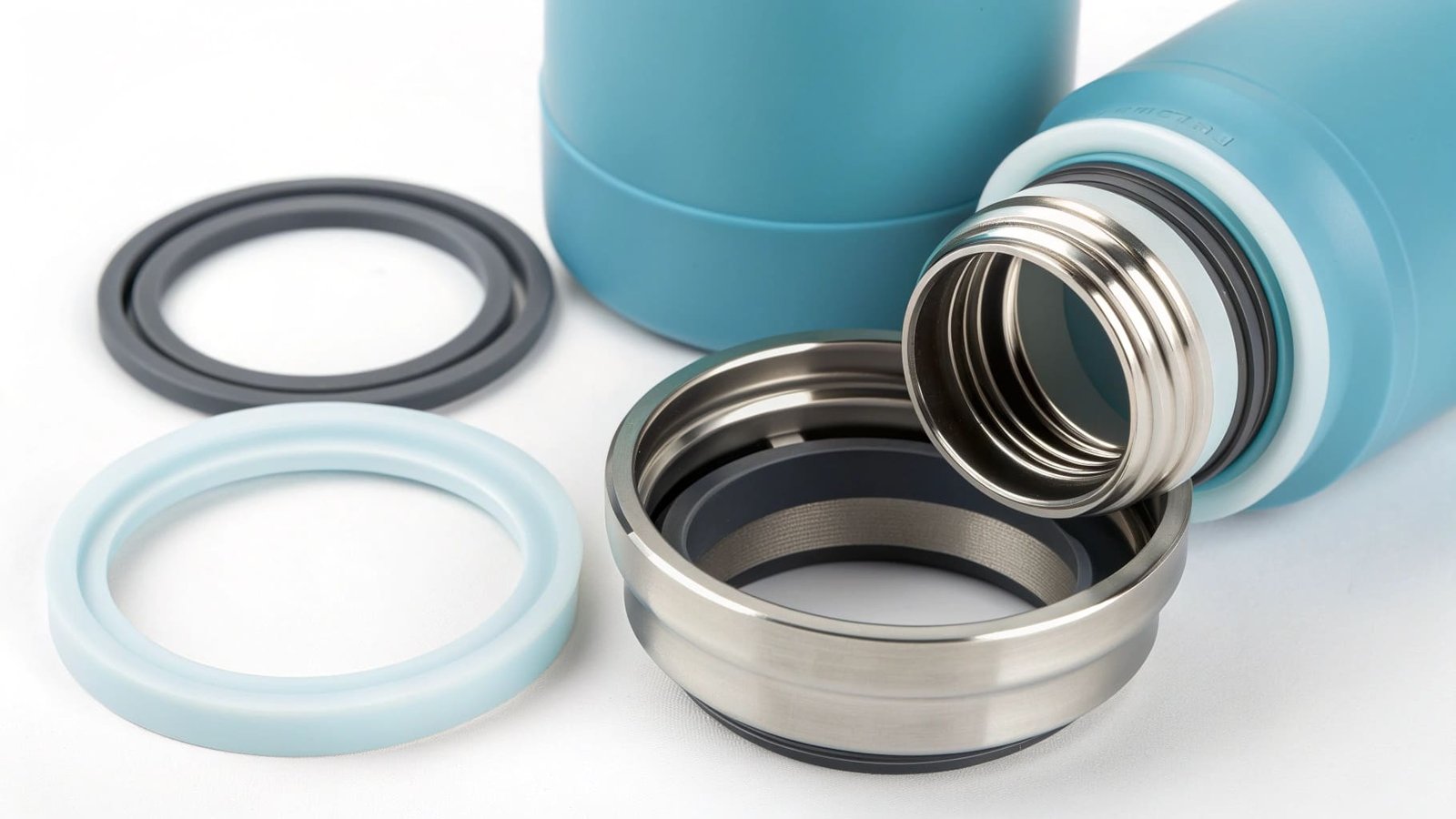
My first major order used generic "food-safe" silicone. The supplier provided a basic test report. Three months after launch, customers reported odors and material breakdown. I learned that "food-safe" means different things in different countries. Without specific international certifications, the term holds little value.
FDA approval provides baseline assurance for US markets. The FDA 21 CFR 177.2600 standard covers rubber articles for food contact. European markets require LFGB certification - the German Food and Feed Code. These certifications require extensive testing for chemical migration, toxicity, and material stability.
Platinum versus peroxide curing makes dramatic quality differences. Platinum-cured silicone produces fewer byproducts. It resists microbial growth better. It maintains flexibility across wider temperature ranges. It costs more but justifies the premium through longer product life and fewer complaints.
Request complete test reports directly from testing laboratories. Many suppliers offer certificates of analysis that summarize results. I demand full reports showing detailed test methods, conditions, and measurements. This documentation helps verify authenticity and compare suppliers objectively.
Heavy metal testing matters more than most buyers realize. Lower-grade silicone can contain lead, cadmium, or mercury contaminants from raw material sourcing. Maximum allowable limits vary by market. US standards differ from European requirements. I specify the most stringent limits regardless of my primary market.
VOC testing reveals curing quality. High volatile organic compound levels indicate incomplete curing or poor material formulation. These compounds create odors, attract microbial growth, and potentially harm users. I reject any material with VOC levels above 0.5% by weight.
Temperature tolerance specifications prevent material failure. Food-grade silicone should maintain properties from -40°C to +230°C. Lower-quality materials degrade outside narrower ranges. I test samples by freezing and heating multiple cycles before approving suppliers.
Shore A hardness4 affects seal performance and durability. Too soft (below 30) and seals deform permanently. Too hard (above 70) and seals fail to create proper compression for leak prevention. The 40-60 range provides optimal balance for most drinkware applications.
Tensile strength indicates material quality and longevity. Food-grade silicone should show minimum 7 MPa tensile strength. Higher values mean better tear resistance and longer seal life. I compare this specification across suppliers to identify superior material formulations.
Ask about antimicrobial additives and their certifications. Silver ions, zinc compounds, and organic antimicrobials each have different regulatory approvals. Some countries restrict certain additives. Verify that chosen antimicrobial technology meets all target market requirements before committing to large orders.
Conclusion
Mold prevention in drinkware production requires systematic attention to materials, design, and processes. I invested years learning these lessons. Premium materials and smart designs cost more initially but save significantly through reduced returns and stronger customer relationships.
-
Learn why platinum-cured silicone is a superior choice for quality and safety. ↩
-
Discover safe cleaning solutions that ensure hygiene in food containers. ↩
-
Understand the importance of these certifications for food safety and quality. ↩
-
Explore how Shore A hardness affects the performance and longevity of rubber seals. ↩