How to Select Neoprene Gasket Material for Industrial Bulk Purchases?
You ordered a bulk batch of gaskets. They failed six months in. Now you're facing downtime, angry clients, and a costly reorder. I've seen this happen more than once.
Selecting neoprene gasket material for industrial bulk purchases comes down to matching the material's performance range to your operating conditions. You need to check temperature limits, chemical exposure, pressure demands, and compliance requirements before placing any large order.
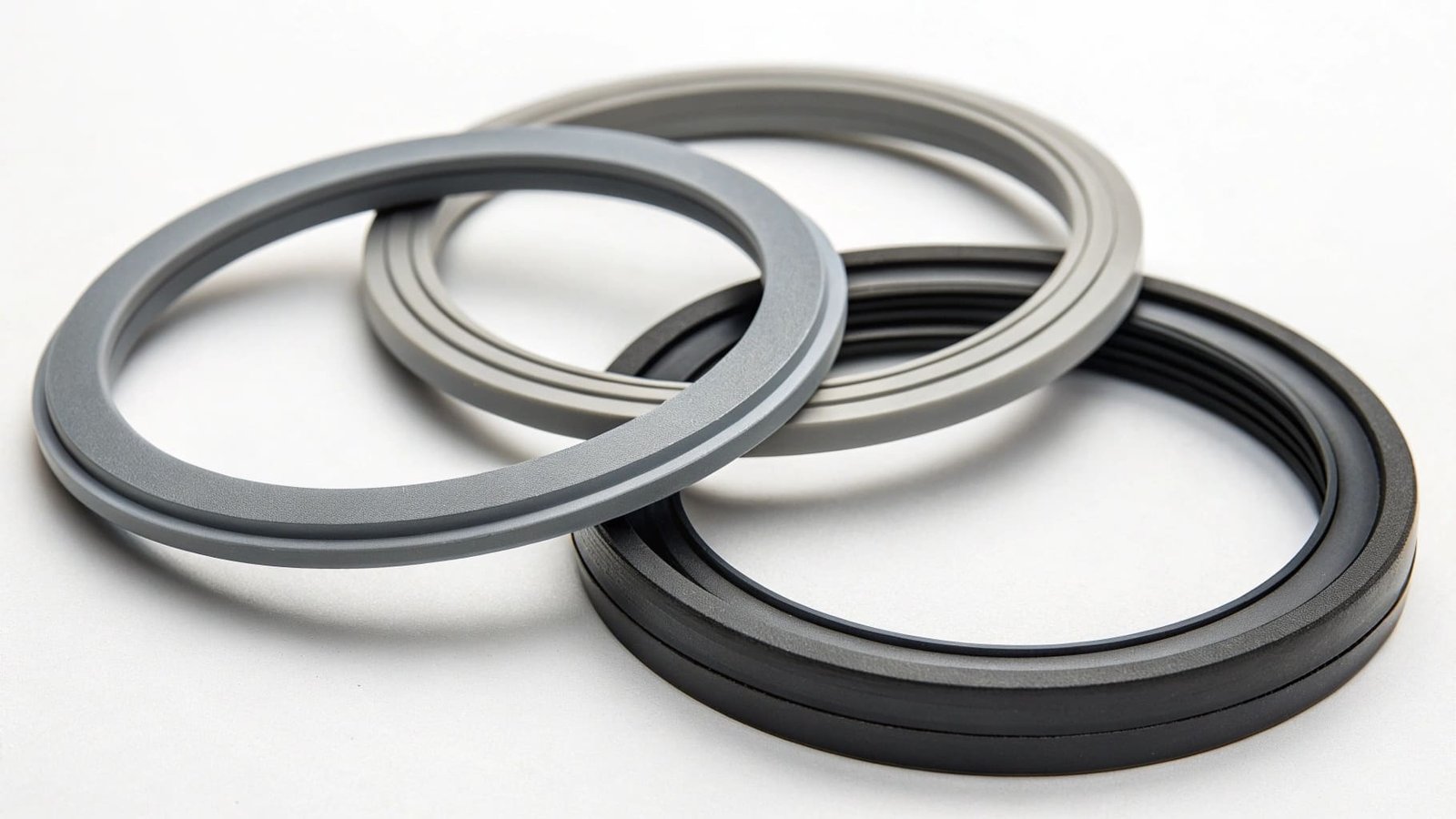
Getting this decision wrong is expensive. Getting it right saves you money on every order you place going forward. Here is everything you need to know to make the right call.
What Factors Determine the Choice of a Gasket?
Most buyers look at price first. That is the wrong place to start. The wrong gasket in the right application will cost you far more than the money you saved upfront.
The right gasket choice depends on your operating environment, compression requirements, regulatory needs, and total cost of ownership. Neoprene works best in moderate temperature ranges with exposure to oils, mild acids, and outdoor conditions.1 Matching the material to the environment is the first and most important step.
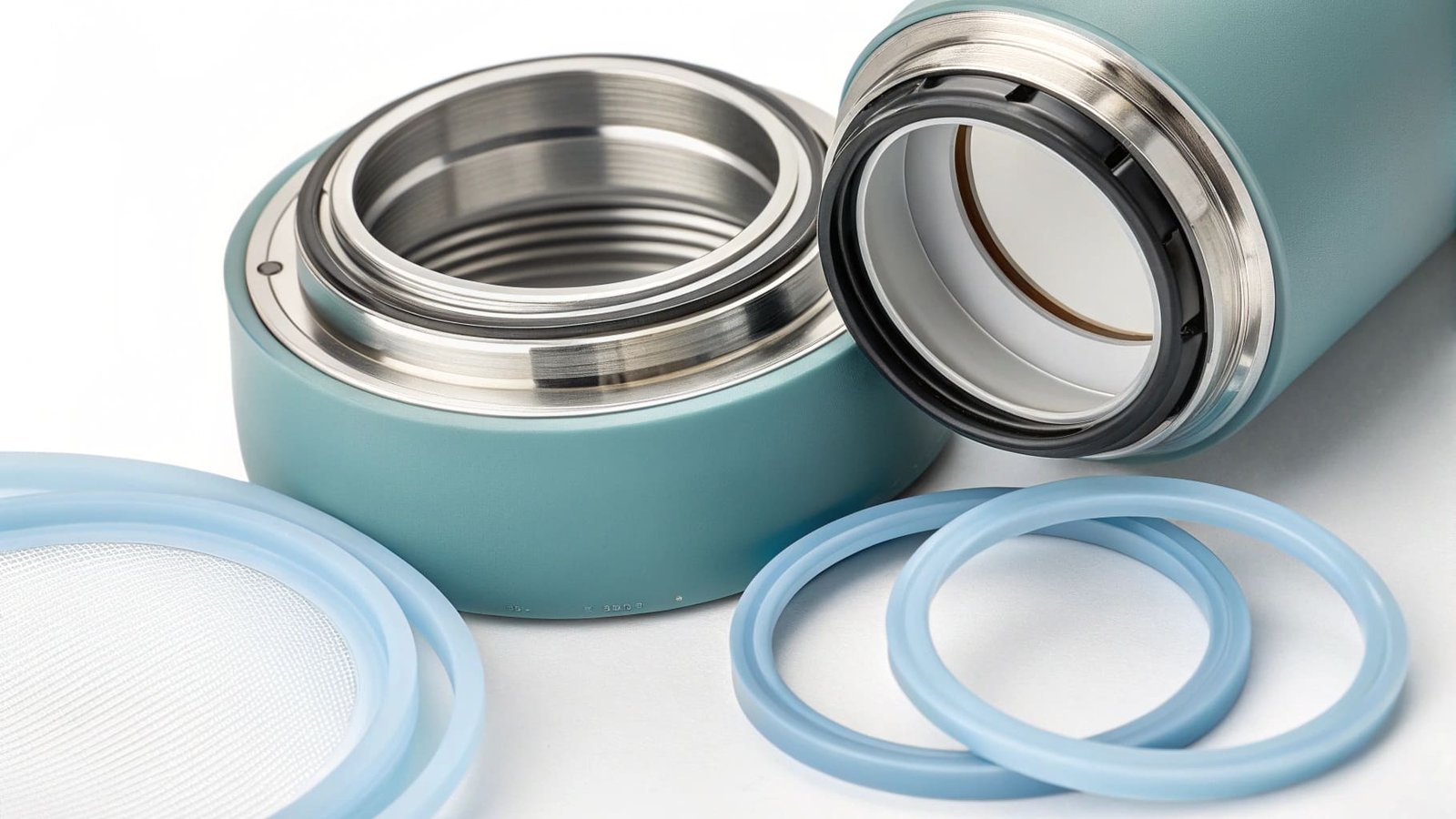
Let me walk you through each factor in detail, because each one can change your decision.
Does Operating Environment Really Drive the Choice?
Yes, it does. I have talked to buyers who picked neoprene because it was available and affordable. That works — until the application falls outside neoprene's range.
Neoprene performs reliably between -40°F and 250°F. Push it beyond that, and it breaks down faster than expected. The environment dictates the material, not the other way around.
[image placeholder]
Here is a breakdown of how key environmental factors should guide your material selection:
| Factor | Neoprene Performance | When to Consider an Alternative |
|---|---|---|
| Temperature Range | -40°F to 250°F | Above 250°F — consider PTFE or EPDM |
| Chemical Exposure | Oils, mild acids, fuels | Strong solvents or steam — consider PTFE |
| UV and Ozone | Good resistance | Extended outdoor use over 5 years — test first |
| Pressure Conditions | Moderate pressure sealing | Extreme pressure — check compression set specs |
Most buyers focus only on chemical compatibility. That is a mistake. Compression set resistance is equally important. This is the material's ability to maintain its seal shape under constant pressure over time.2 If you are planning a long-term installation, a gasket with poor compression set resistance will start to leak — even if the chemical compatibility is perfect. Ask your supplier for compression set test data, not just chemical resistance charts. That single piece of data can prevent a costly surprise six months into your deployment.
Regulatory compliance is another factor that narrows your choices fast. If your end product touches food or drink, you may need FDA-compliant grades.3 Standard neoprene does not always qualify. Clarify the end-use requirement before you choose the material, not after you've placed the order.
How Long Do Neoprene Gaskets Last?
This is the question I get asked most often, and the honest answer is: it depends. A flat number without context is useless for planning your inventory.
In controlled indoor environments with low chemical exposure, quality neoprene gaskets typically last 5 to 10 years. Outdoor applications with UV exposure and temperature cycling reduce that to 3 to 5 years.4 Installation quality and maintenance practices often affect lifespan more than the material grade itself.
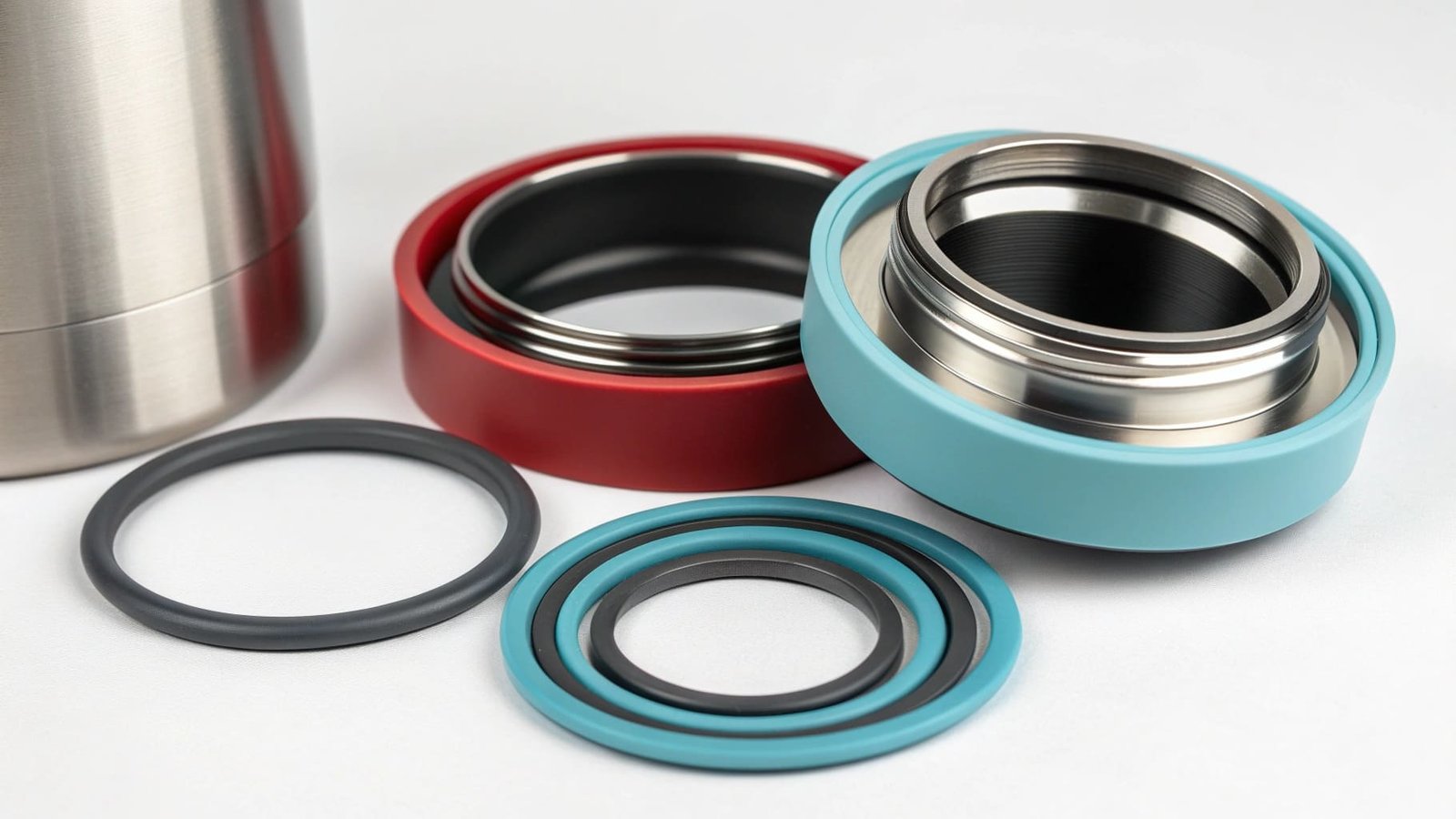
Understanding what cuts lifespan short gives you real control over your procurement cycle.
Does Installation Quality Affect How Long a Gasket Lasts?
More than most buyers realize. You can buy the best neoprene on the market and still have it fail early — if it is installed wrong.
Over-compression is the most common installation mistake. When a gasket is compressed too far during installation, it exceeds its design limit. The material starts to deform permanently and loses its ability to seal. This alone can cut expected lifespan by 30 to 40 percent.
[image placeholder]
Here is how different factors affect real-world neoprene gasket lifespan:
| Condition | Expected Lifespan | Key Risk Factor |
|---|---|---|
| Indoor, low chemical exposure | 5 to 10 years | Compression set over time |
| Outdoor, UV and ozone exposure | 3 to 5 years | Surface cracking and hardening |
| Over-compressed during install | Reduced by 30 to 40% | Accelerated permanent deformation |
| Poorly maintained flanges | Unpredictable | Uneven seating and early leaks |
One practice I recommend to bulk buyers is building a preventive replacement schedule at 60 to 70 percent of the expected lifespan. This sounds conservative, but it eliminates unplanned failures. An unplanned failure in an industrial line costs far more than the cost of a scheduled replacement.
When you are evaluating suppliers for a large order, ask for accelerated aging test data. This data shows how the gasket behaves under stress — high temperature, pressure, and chemical exposure — compressed into a short test window. It gives you a realistic picture of how the material will hold up in your specific conditions. Theoretical service life claims from a catalog are not enough. Aging test data is what you need to set accurate replacement intervals and plan your inventory with confidence.
Which Gasket Material Should I Use?
Neoprene is not the right answer for every application. But it is the right answer for more applications than most buyers realize — if the conditions match. The mistake is choosing without testing.
Neoprene is a strong choice for HVAC systems, automotive applications, and general industrial sealing where temperatures stay below 250°F and exposure is limited to petroleum oils, mild acids, and outdoor weathering. For steam, strong solvents, or high-heat environments, EPDM or PTFE will likely perform better despite higher unit prices.5
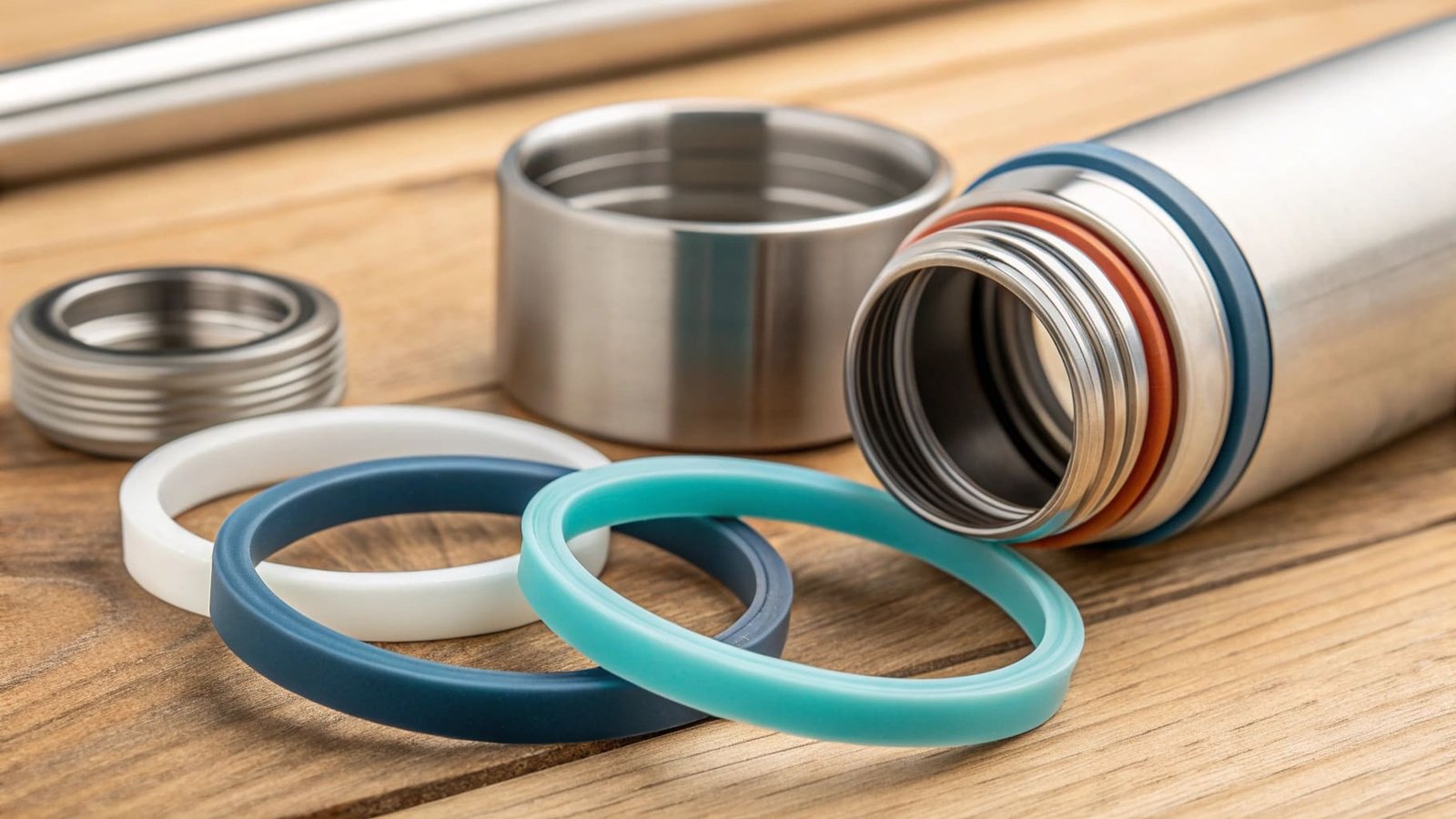
The real question is not just "which material works" — it is "which material works best for your specific conditions and your procurement model."
Should You Test Before You Commit to a Bulk Order?
Always. I have seen buyers skip this step to save time and regret it at scale.
Most reputable suppliers offer sample programs. Use them. Run samples in your actual operating conditions before placing a large order. Chemical compatibility charts are a starting point, not a final answer. Real-world performance data from your own environment is worth far more.
[image placeholder]
Here is a direct comparison of common gasket materials to help you narrow your options:
| Material | Best Application | Temperature Limit | Weakness |
|---|---|---|---|
| Neoprene | Oils, mild acids, HVAC, outdoor | 250°F | Strong solvents, high-heat steam |
| EPDM | Steam, water, outdoor weathering | 300°F | Oils and fuels |
| PTFE | Strong chemicals, food-grade | 500°F+ | High cost, limited compression |
| Nitrile (NBR) | Oils and fuels | 250°F | UV and ozone exposure |
One thing most buyers overlook is supply chain stability. Neoprene has better global availability and more stable pricing compared to specialty fluoroelastomers. This matters when you are managing inventory across seasons or scaling up orders quickly. A material that performs at 95 percent of a specialty option but ships reliably and prices consistently is often the better business decision.
If you are sourcing internationally — and many B2B buyers are — specify your quality standard in the purchase order. Write ASTM or ISO grade requirements into the contract. The word "neoprene" alone does not guarantee consistent quality across different regions and suppliers.6 Specifying the standard protects you from grade variations that only show up after the gaskets are installed.
Conclusion
Match your environment to the material, test before bulk ordering, and track lifespan under real conditions. These three steps prevent most procurement mistakes with neoprene gaskets.
-
"Estimation of Synthetic Rubber Lifespan Based on Ozone ... - PMC", https://pmc.ncbi.nlm.nih.gov/articles/PMC11944956/. Reference descriptions of polychloroprene describe the elastomer as having useful oil, weathering, and ozone resistance, supporting its use in moderate industrial sealing environments. Evidence role: general_support; source type: encyclopedia. Supports: Polychloroprene rubber is known for resistance to oils, weathering, ozone, and a range of moderate chemical exposures.. Scope note: A general material-property source would not verify performance in a specific gasket design, compound formulation, or installation environment. ↩
-
"Compression set - Wikipedia", https://en.wikipedia.org/wiki/Compression_set. ASTM and ISO compression-set test methods define the property as the residual deformation of vulcanized or thermoplastic rubber after controlled compression for specified time and temperature conditions. Evidence role: definition; source type: institution. Supports: Compression set is defined by standards such as ASTM D395 or ISO 815 as the residual deformation of rubber after specified compression, time, and temperature conditions.. ↩
-
"21 CFR 177.2600 -- Rubber articles intended for repeated use. - eCFR", https://www.ecfr.gov/current/title-21/chapter-I/subchapter-B/part-177/subpart-C/section-177.2600. FDA food-contact regulations, including 21 CFR 177.2600 for rubber articles intended for repeated use, establish compositional and extractive requirements relevant to elastomeric gaskets used in food or beverage equipment. Evidence role: general_support; source type: government. Supports: FDA regulations address rubber articles intended for repeated food-contact use, which can include elastomeric sealing components.. Scope note: The regulation supports the need to evaluate food-contact compliance but does not determine whether a particular neoprene formulation is compliant. ↩
-
"Correlation of a Temperate UV-Weathering Cycle to Outdoor ... - PMC", https://pmc.ncbi.nlm.nih.gov/articles/PMC7920266/. Polymer-weathering research identifies ultraviolet radiation, ozone, oxygen, and repeated thermal cycling as environmental stressors that accelerate elastomer aging, supporting the expectation that outdoor neoprene gaskets have shorter service lives than indoor gaskets. Evidence role: mechanism; source type: paper. Supports: UV, ozone, oxygen, and thermal cycling can accelerate aging, hardening, and cracking in elastomeric materials used outdoors.. Scope note: The source would support the degradation mechanism, while the specific 3-to-5-year estimate would depend on local climate, compound formulation, and gasket loading. ↩
-
"Comparison between EPDM Gasket and PTFE Gasket - Magpie", https://www.magpievalves.com/media-hub/comparison-between-epdm-gasket-and-ptfe-gasket.html. Materials references describe EPDM as suitable for hot water and steam service and PTFE as having broad chemical resistance and high thermal stability, supporting their selection over neoprene in steam, strong-solvent, or high-heat applications. Evidence role: general_support; source type: research. Supports: EPDM is widely used for water and steam resistance, while PTFE has broad chemical resistance and high-temperature capability compared with many elastomers.. Scope note: The source would support broad material tendencies; actual performance depends on compound grade, gasket design, pressure, and exposure duration. ↩
-
"Material Specification Standards: Understanding ASTM D2000", https://www.applerubber.com/hot-topics-for-engineers/material-specification-standards-understanding-astm-d2000/. Rubber classification standards such as ASTM D2000 specify elastomer materials by type, class, hardness, tensile strength, heat aging, and other performance requirements, indicating that the generic term 'neoprene' alone is insufficient to define a consistent gasket material. Evidence role: expert_consensus; source type: institution. Supports: Rubber material standards classify elastomers by detailed physical and performance requirements, showing why a generic polymer name is not enough for consistent procurement.. ↩