Where to Source Silicone Tea Lid Sets for Wholesale Hotel Amenities?
Sourcing hotel amenities sounds simple. But one wrong supplier decision can cost your brand dearly. Here is what most buyers get wrong.
Silicone tea lid sets for wholesale hotel amenities are best sourced from certified manufacturers who provide FDA or LFGB food-grade documentation, third-party test reports, and custom packaging options. Prioritize suppliers in China who serve B2B buyers directly, offer batch testing, and support large-scale hospitality projects.
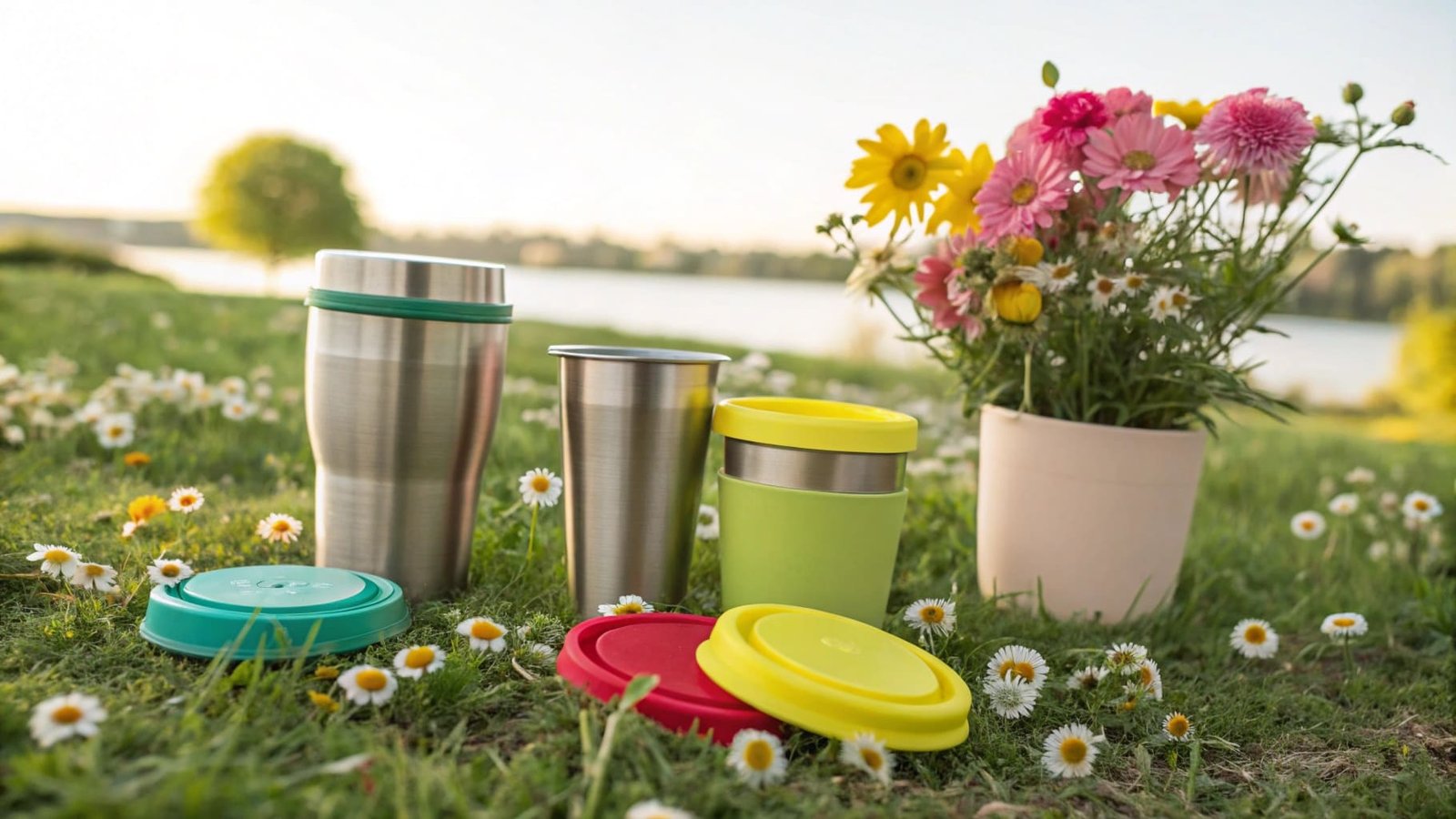
Hotel procurement is not just about finding the cheapest product. It is about finding a product that protects your brand, satisfies your guests, and holds up operationally over time. Silicone tea lid sets are becoming a staple in premium hotel amenity kits. And if you are a buyer handling this category, there are three things you need to understand before you place a single purchase order.
Are Reusable Silicone Lids Safe?
You want to offer quality amenities to hotel guests. But one safety complaint can undo months of good work. Here is how to make sure that never happens.
Food-grade silicone lids that meet FDA or LFGB standards are completely safe for hotel use. They contain no BPA, phthalates, or harmful plasticizers. Leading hotel chains now require suppliers to confirm that silicone products can handle temperatures from minus 40 to 230 degrees Celsius without releasing any chemicals into food or drink.
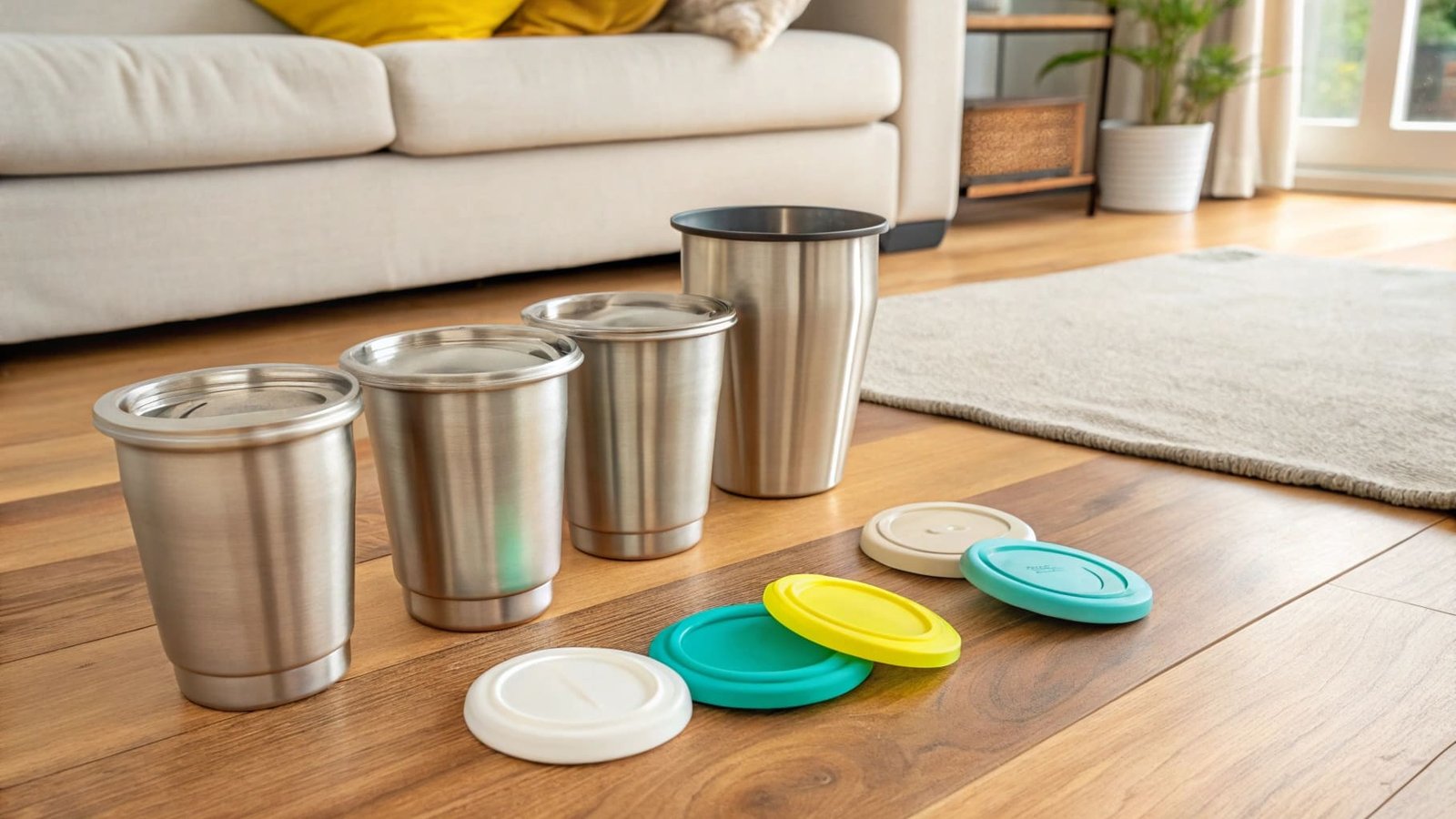
Safety is not just a selling point. It is a procurement requirement. When I work with hospitality buyers, the first document they ask for is a third-party test report. This is the right instinct.
Here is the reality. Not every supplier plays by the rules. Certificate fraud is a real problem in this industry. A supplier may show you a certificate that looks legitimate, but it may be expired, fabricated, or issued for a different batch of material. This is exactly the kind of pain that experienced buyers have been burned by before.
So what should you actually verify?
What Safety Documents Should You Request?
| Document | Why It Matters | Red Flag |
|---|---|---|
| FDA Compliance Certificate | Confirms food-grade material for the US market | No certificate number or issuing lab |
| LFGB Test Report | Required for European hotel chains | Older than 12 months without renewal |
| Material Safety Data Sheet | Shows full chemical composition | Missing or vague ingredient list |
| Batch Test Report | Confirms the specific production lot you receive | Only shows a sample product, not your batch |
| Third-Party Lab Report | Independent verification of claims | Report issued by the supplier's own internal lab |
The reusable nature of silicone lids also works in your favor from a cost and sustainability angle. Hotels that switch from disposable covers to reusable silicone alternatives report amenity cost reductions of 60 to 70 percent annually.1 This is not a minor saving. Over a full operating year, across multiple properties, the number adds up quickly.
Beyond cost, guests are paying attention to how hotels handle single-use plastics2. Switching to reusable silicone tea covers is a visible, tangible step toward sustainability that guests actually notice and appreciate.
When I help buyers evaluate supplier options, I always recommend starting with the documentation. If a supplier hesitates or delays on safety paperwork, that tells you everything you need to know about how they handle quality control overall.
How to Use Silicone Suction Lids?
Hotels invest in great amenities, then forget to tell guests how to use them. That gap quietly kills guest satisfaction scores. Here is how to close it.
Silicone suction lids work through three steps: place the lid centered over the cup rim, press gently from the center outward to create a seal, and lift using the pull tab to remove. The seal keeps beverages hotter for longer. Proper centering and a clean rim surface are the two most important factors for a reliable seal.3
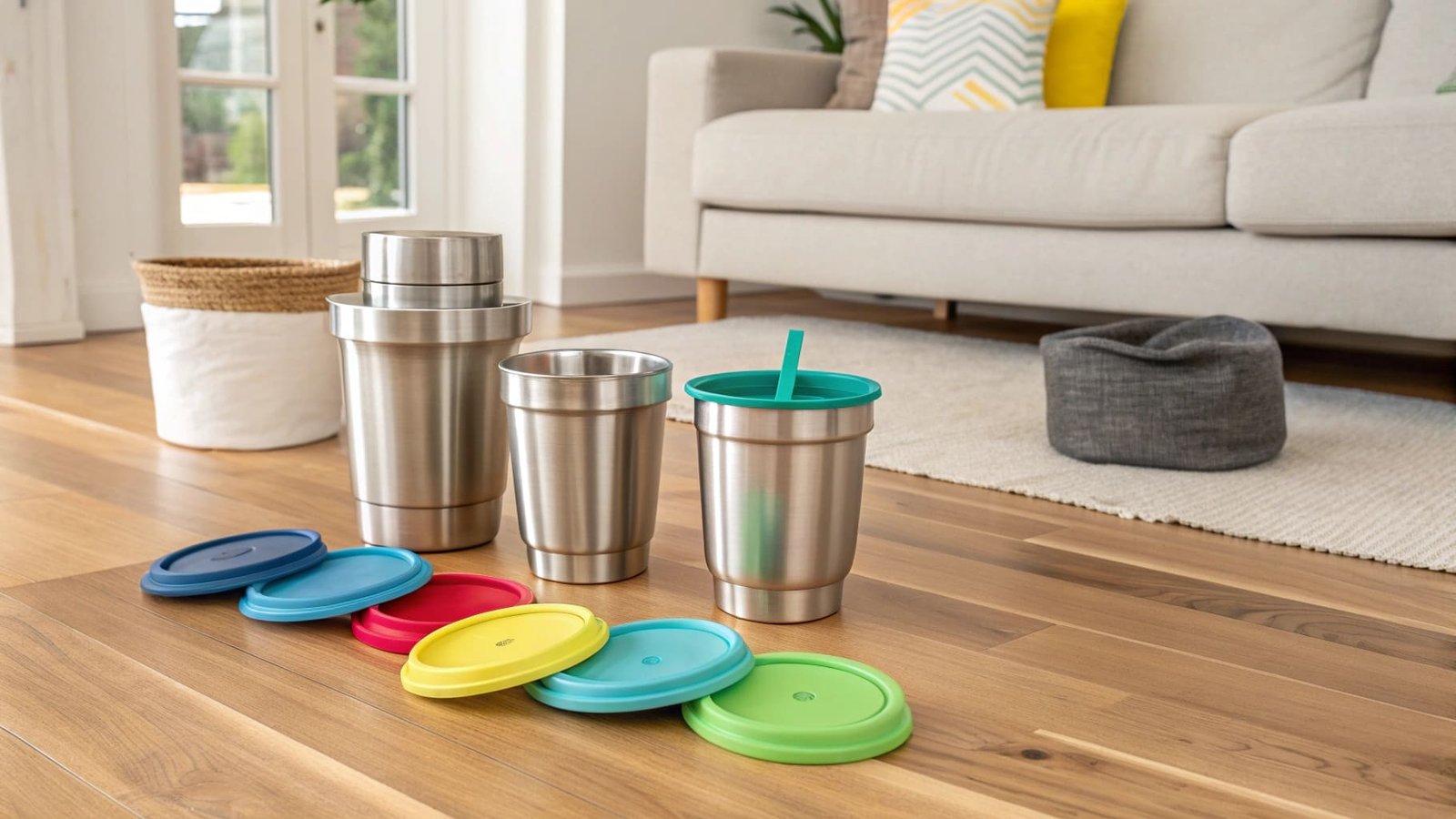
Buying the right product is only half the job. The other half is making sure it works correctly in the hands of hotel guests and housekeeping staff.
I have seen procurement teams make a common mistake here. They source a high-quality silicone lid, include it in the in-room tea kit, and then provide no guidance on how to use it. The result is guest confusion, housekeeping inconsistency, and a good product that delivers a poor experience.
Hotels that include brief pictorial usage instructions in guest information folders report 40 percent higher guest approval ratings for their tea service kits.4 That is a meaningful return on what is essentially a packaging decision.
How Should Hotels Implement Silicone Lid Usage Standards?
| Implementation Step | Who Is Responsible | Recommended Action |
|---|---|---|
| Housekeeping Training | Housekeeping Manager | Train staff on correct placement during onboarding and refresher sessions |
| Guest Communication | Guest Services | Include visual usage guide in room welcome folder or tea tray card |
| Packaging Design | Procurement Buyer | Request custom packaging with printed usage instructions from supplier |
| Quality Check | Shift Supervisor | Spot-check lid placement during daily room inspection |
| Guest Feedback Loop | Front Desk | Log any guest questions about lids and adjust communication accordingly |
When you are sourcing at wholesale volume, you have leverage. Use it. Ask your supplier if they offer custom packaging. A simple pictorial guide printed on the inner packaging flap costs very little to produce. But it adds real perceived value to the amenity and reduces guest service inquiries.
The suction mechanism itself is designed to keep beverages warmer for longer periods. For in-room tea service, this directly improves the guest experience. A cup of tea that stays hot while a guest reads or unpacks is a small detail that leaves a lasting impression. These are the kinds of details that premium hotels compete on.
From a wholesale sourcing perspective, look for suppliers who understand hospitality operational needs. The best suppliers will already have packaging solutions and usage communication materials ready for hotel clients. If a supplier has never worked with hotel buyers before, you may spend more time educating them than they spend supporting you.
Is Rubbing Alcohol OK on Silicone?
Hotel hygiene standards are non-negotiable. But using the wrong cleaner on the wrong material can degrade your amenities faster than expected. Here is what you need to know.
Rubbing alcohol is safe to use on food-grade silicone.5 A 70 percent isopropyl alcohol solution works well for quick sanitization between guest stays.6 For deeper cleaning, commercial dishwashers running at 60 to 80 degrees Celsius provide the most thorough results without damaging the material7.
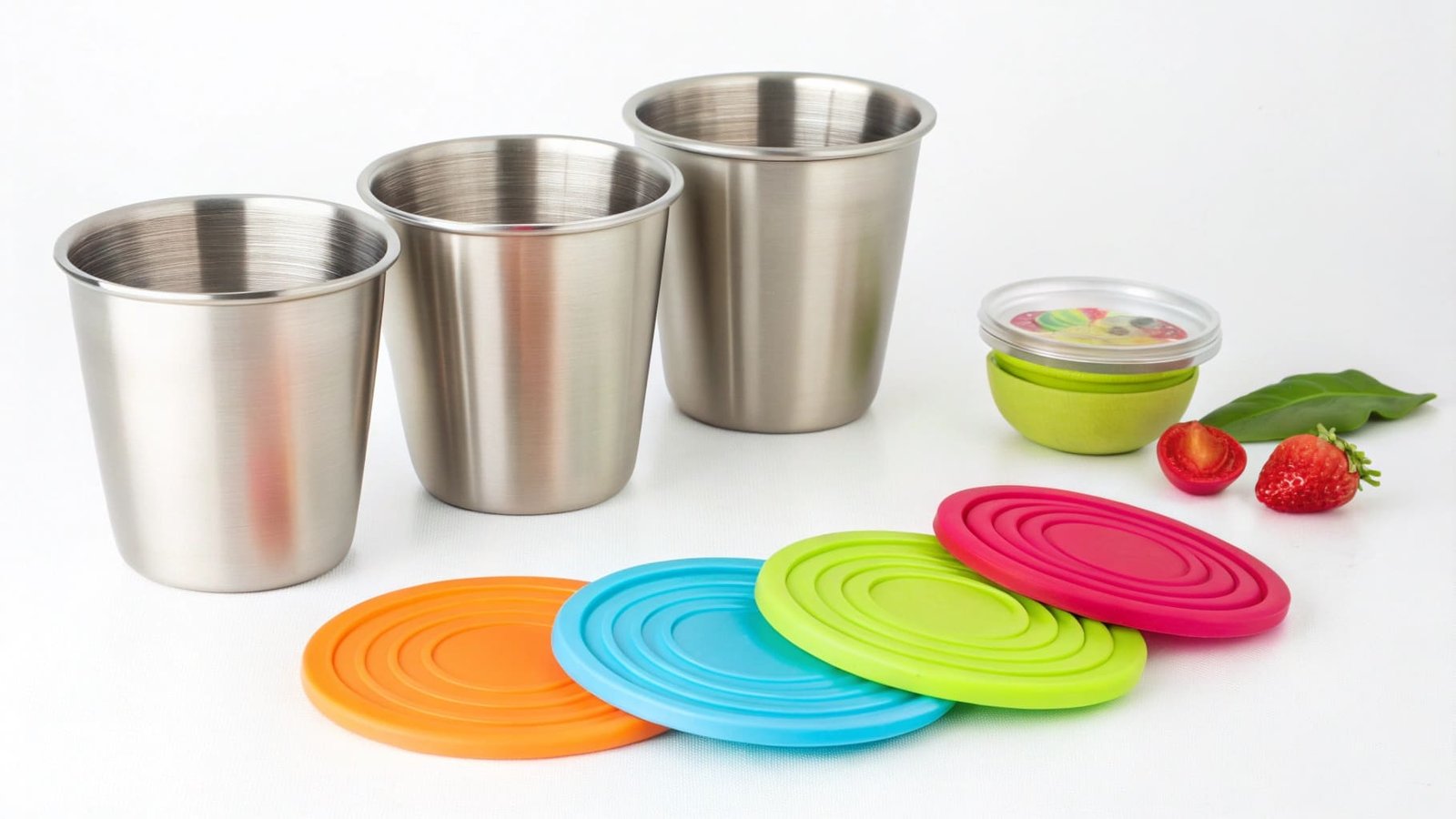
Cleaning protocol is a real factor in total cost of ownership. And it is one that procurement managers sometimes overlook when evaluating silicone amenities.
Here is what the data actually shows. Premium food-grade silicone tea lids maintain their sealing properties through 3,000 or more wash cycles. Compare that to a disposable paper or plastic cover, which is single-use by definition. Over a full hotel operating year, across hundreds of rooms, the math strongly favors reusable silicone.
But there is a condition. The silicone has to be the right grade, and the cleaning has to follow proper protocols. Lower-quality silicone, or silicone that does not meet food-grade standards, may degrade faster under repeated alcohol exposure or high-temperature washing. This is why material quality and certification matter so much at the purchasing stage.
What Cleaning Methods Work Best for Hotel Silicone Lids?
| Cleaning Method | Frequency | Effectiveness | Notes |
|---|---|---|---|
| 70% Isopropyl Alcohol Wipe | After each guest stay | High for surface sanitization | Safe for food-grade silicone, dries quickly |
| Commercial Dishwasher (60–80°C) | Weekly or per housekeeping rotation | Highest for deep cleaning | Verify dishwasher-safe rating with supplier |
| Hand Wash with Mild Soap | Daily light cleaning | Moderate | Good for routine maintenance between full cycles |
| Boiling Water Soak | Periodic deep sanitization | High | Do not exceed 230°C material rating |
| Bleach-Based Cleaners | Avoid for silicone | Risk of surface degradation | Not recommended for long-term use |
When I speak with buyers who are evaluating suppliers for large hotel programs, I always recommend requesting accelerated aging test reports. These reports show how the product performs after repeated exposure to alcohol-based cleaners and high-temperature washing. If a supplier cannot provide this documentation, that is a gap worth questioning.
The right wholesale supplier for a hotel amenities program is not just a product manufacturer. They are a technical partner. They should be able to give you maintenance guidance, help you build your internal cleaning protocols, and support you when your housekeeping team has questions about product care. This level of support separates a strong wholesale partner from a transactional one.
Conclusion
Source certified silicone tea lids from suppliers who provide safety documentation, usage support, and cleaning guidance. These three factors protect your brand and your guests.
-
"Cost–benefit analysis of reusable takeaway food containers usage", https://pmc.ncbi.nlm.nih.gov/articles/PMC9927042/. A life-cycle cost study comparing reusable and disposable service items documents how repeated reuse can reduce per-use purchasing and waste-management costs. Evidence role: statistic; source type: paper. Supports: Reusable alternatives can reduce recurring purchasing and waste costs compared with single-use items in hospitality or food-service contexts.. Scope note: Unless the source reports the same hotel amenity category and percentage range, it would support the cost-saving mechanism rather than the exact 60–70% figure. ↩
-
"Knowledge, attitudes and practice of consumers towards single-use ...", https://pmc.ncbi.nlm.nih.gov/articles/PMC12240344/. Hospitality research links visible environmental practices in hotels with guest perceptions of sustainability and, in some studies, satisfaction or booking intention. Evidence role: expert_consensus; source type: paper. Supports: Guest perceptions of hotel sustainability practices, including waste and plastic reduction, can influence hotel evaluations and purchase intentions.. Scope note: This provides contextual support for guest attention to sustainability but may not isolate silicone tea covers as the specific practice evaluated. ↩
-
"Deformation Driven Suction Cups: A Mechanics-Based Approach to ...", https://arxiv.org/html/2508.11838v2. Research on elastomeric sealing shows that seal reliability depends on contact geometry, surface condition, and the absence of particles or liquid films that disrupt the interface. Evidence role: mechanism; source type: research. Supports: Elastomer seals depend on continuous contact, surface conformity, and absence of contamination at the sealing interface.. Scope note: The evidence would support the general sealing mechanism rather than rank centering and cleanliness as the two most important factors for this product. ↩
-
"Guest satisfaction and guest loyalty study for hotel Industry", https://repository.rit.edu/theses/508/. User-experience and service-design studies find that pictorial instructions can improve task comprehension and reduce user uncertainty. Evidence role: statistic; source type: paper. Supports: Visual or pictorial instructions can improve user comprehension and service experience in hospitality or consumer-product settings.. Scope note: This would only contextualize the claim unless the source directly reports a 40% increase in hotel tea-service approval ratings. ↩
-
"Chemical Compatibility Chart | Applications - Jehbco Silicones", https://jehbco.com.au/products/chemical-compatibility-chart/. Chemical-compatibility references for silicone elastomers generally classify isopropyl alcohol as compatible or minimally degrading under typical exposure conditions. Evidence role: mechanism; source type: research. Supports: Silicone elastomers generally show compatibility with isopropyl alcohol under ordinary cleaning exposure.. Scope note: Compatibility data are general and should be supplemented by product-specific testing for repeated hotel sanitation cycles. ↩
-
"Chemical Disinfectants | Infection Control - CDC", https://www.cdc.gov/infection-control/hcp/disinfection-sterilization/chemical-disinfectants.html. Public-health disinfection guidance identifies alcohol solutions near 70% concentration as effective for rapid surface disinfection against many pathogens. Evidence role: expert_consensus; source type: government. Supports: Alcohol solutions around 70% are commonly recognized for surface disinfection against many microorganisms.. Scope note: Such guidance supports disinfectant efficacy generally; it does not establish a complete hotel housekeeping protocol for silicone tea lids. ↩
-
"DCF 251.06(9)(f) - Wisconsin Legislative Documents", https://docs.legis.wisconsin.gov/document/administrativecode/DCF%20251.06(9)(f). Food-service sanitation guidance describes elevated-temperature dishwashing as an accepted method for cleaning and sanitizing reusable food-contact articles. Evidence role: general_support; source type: government. Supports: Food-service dishwashing guidance uses elevated wash or rinse temperatures for cleaning and sanitizing reusable food-contact items.. Scope note: This supports dishwashing as a sanitation method but does not by itself prove that every silicone lid formulation will remain undamaged at 60–80°C. ↩