How to Select Stanley Boot Tumblers for Corporate Gift Bulk Purchases?
Corporate gifting feels easy until you start placing real orders. You pick a product, get a quote, and then the problems begin — wrong specs, late delivery, and unhappy recipients.
Stanley Boot Tumblers make strong corporate gifts. They combine high perceived value with everyday utility. For bulk purchases, you need to verify B2B wholesale access, check accessory compliance, and plan for 4–6 week lead times, especially during peak seasons.
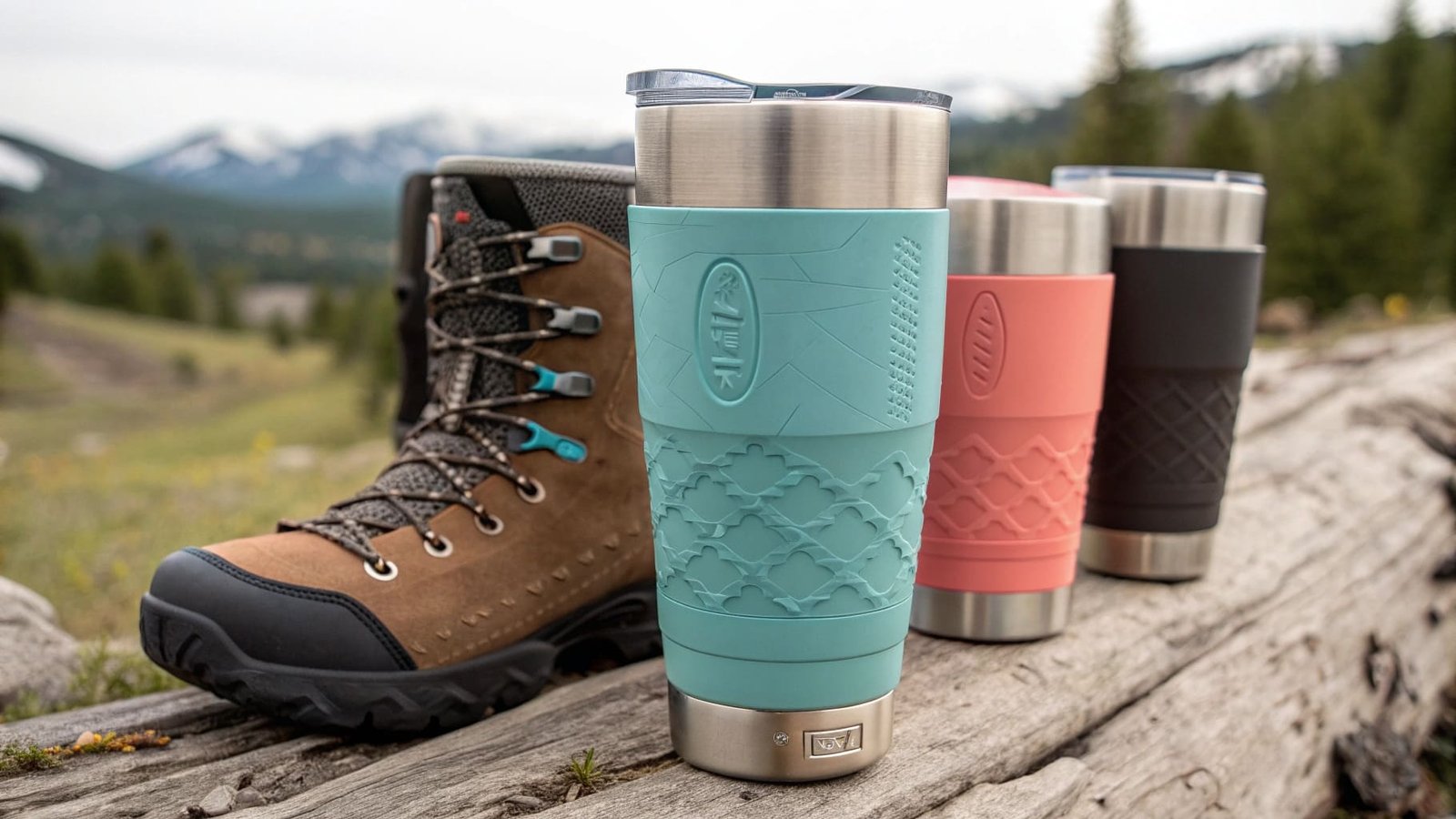
I have worked with many B2B buyers who start with excitement and end with frustration. The gap is almost always in the details. This post walks through the details so you can avoid that frustration entirely.
Can You Buy Stanley Cups in Bulk?
You find a product you love, you want 500 units with your logo on them, and then you hit a wall. Minimum orders, confusing channels, and no clear answers.
Yes, you can buy Stanley cups in bulk. Stanley offers B2B wholesale programs through authorized distributors.1 Minimum order quantities typically start at 50–100 units.2 Custom logo printing adds 4–6 weeks to lead time, so early planning is not optional — it is required.
How Does the Stanley B2B Wholesale Process Actually Work?
Most buyers assume bulk buying is just buying more units at a lower price. In my experience, that is only part of the picture. There are specific steps, and skipping any one of them creates delays.
Here is how the process generally works:
Step One: Find an Authorized Distributor
Stanley does not sell directly to every B2B buyer. You need to go through an authorized distributor. Going through unofficial channels puts you at risk of receiving counterfeit or non-compliant products. This matters especially when the gifts carry your company's name.
Step Two: Confirm Minimum Order Quantities
| Order Type | Typical MOQ |
|---|---|
| Standard color, no custom logo | 50 units |
| Custom logo, single color print | 100 units |
| Custom logo, full color print | 150–200 units |
| Custom packaging included | 200+ units |
These numbers vary by distributor and season. Always confirm in writing before committing to a delivery date.
Step Three: Plan for Lead Time
Custom orders take 4–6 weeks under normal conditions. During Q4 or before major holidays, that window stretches further. I always tell buyers to add two extra weeks as a buffer. Missing a gifting deadline is far more damaging than ordering early.
Step Four: Verify Silicone Accessories Separately
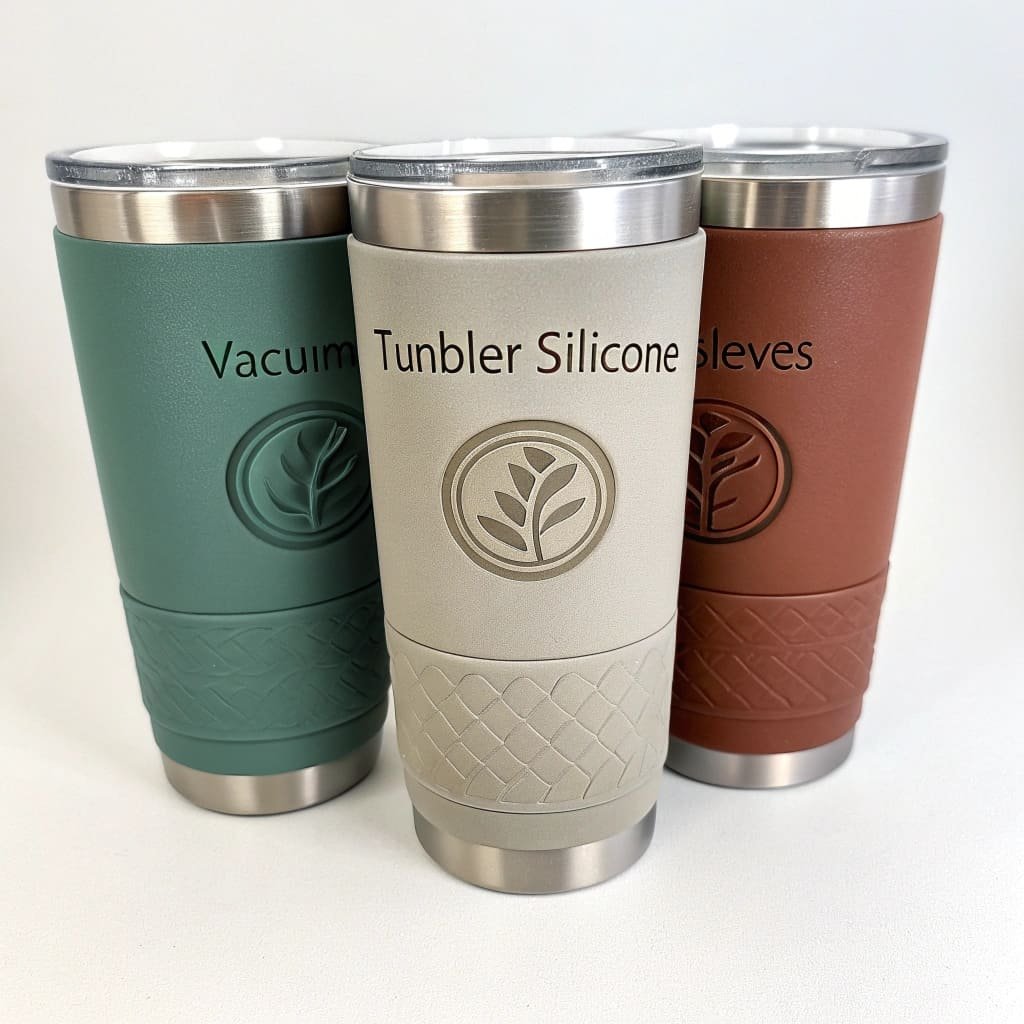
The tumbler boot, the lid gasket, and the seal ring are often sourced from third-party suppliers. These components are not always covered under Stanley's own quality documentation. If your recipients are in Europe, LFGB compliance documentation for silicone parts is mandatory.3 If they are in the US, FDA compliance is the standard.4 Request these documents before finalizing your order.
Who Manufactures Stanley Tumblers?
You want to send a premium gift, but you are not sure who is actually behind the product. Brand reputation is only as strong as the manufacturer behind it.
Stanley tumblers are manufactured under PMI Worldwide, formerly known as Pacific Market International.5 PMI is the parent company behind the Stanley brand and manages manufacturing quality control across its product lines. Stanley itself has over 100 years of brand history.6
What Does PMI Worldwide Actually Control in the Supply Chain?
Understanding who controls what in the supply chain helps you ask better questions during procurement. I have seen buyers assume that one brand name means one quality standard across all components. That is not always true.
PMI Worldwide controls the core tumbler manufacturing. This includes the stainless steel body, the outer finish, and the lid mechanism. Their quality standards are consistent, and they have a strong track record.
However, the accessory ecosystem around Stanley tumblers is different.
| Component | Manufactured By | Compliance Standard |
|---|---|---|
| Stainless steel tumbler body | PMI Worldwide | Standard product QC |
| Tumbler boot (silicone base) | Third-party suppliers | FDA / LFGB |
| Lid gasket and seal ring | Third-party suppliers | FDA / LFGB |
| Stretch lids and cup sleeves | Third-party suppliers | FDA / LFGB |
This table shows something important. The silicone accessories — the parts that touch the user's hands and liquids — come from outside PMI's direct control. When you buy in bulk for corporate gifting, you are responsible for checking the compliance of these parts yourself.
What Certifications Should You Request?
For US distribution, ask for FDA food-contact material compliance for all silicone components. For European distribution, ask for LFGB test reports. These are not optional in regulated markets. Suppliers who cannot provide these documents are a risk you should not accept.
Why Does This Matter for Corporate Gifting Specifically?
Corporate gifts carry your company's name. If a recipient experiences a product failure — a cracked boot, a leaking gasket — they connect that failure to your brand, not to a third-party supplier they have never heard of. Vetting the full accessory chain protects your company's reputation, not just your procurement budget.
Why Is Everyone Buying Stanley Tumblers?
You see them everywhere — on desks, in meeting rooms, in social media feeds. You wonder if this is a real trend or just noise. And more importantly, you wonder if it is the right product for your gifting program.
Stanley tumblers exploded in popularity because of three things happening at the same time: a growing focus on sustainability, the rise of hybrid work making personal drinkware more visible, and social media turning the Quencher series into a lifestyle symbol.7
What Makes Stanley a Strong Choice for B2B Corporate Gifting?
I work with buyers who ask this question every month. The answer is not about trends. It is about what makes a corporate gift actually work.
A corporate gift works when the recipient keeps it, uses it, and sees your brand every time they do. Most promotional drinkware ends up in a drawer. Stanley tumblers do not. Here is why.
Perceived Value vs. Actual Cost
Stanley tumblers are positioned as premium products. Recipients perceive them as a high-value gift. For B2B buyers, this means you get a strong impression without spending at the very top of your budget.
| Gift Category | Perceived Value | Recipient Retention Rate |
|---|---|---|
| Standard promotional mug | Low | Low |
| Mid-range insulated bottle | Medium | Medium |
| Stanley Quencher tumbler | High | High |
| Luxury branded merchandise | Very High | High |
The Stanley tumbler sits at the intersection of high perceived value and strong daily utility. That combination is rare in corporate gifting.
The Sustainability Factor
Many corporate audiences — especially in North America and Europe — now care about sustainability.8 A reusable tumbler sends a message that your company shares those values. This is not a small detail. It shapes how your brand is perceived by the recipient.
The Hybrid Work Factor
Since hybrid work became standard, people move between home, office, and coffee shops constantly.9 A large-format insulated tumbler fits that lifestyle directly. Recipients use it in all three settings. Your logo gets seen across all three as well.
The Social Media Factor
Stanley's viral growth was driven by real users sharing their tumblers online. That cultural momentum adds social proof to your gift. When a recipient receives a Stanley tumbler, they already associate it with something they have seen and wanted. That association works in your favor.
Conclusion
Buying Stanley Boot Tumblers in bulk requires early planning, verified distributor access, and separate compliance checks for all silicone accessories. Do these three things and the rest is straightforward.
-
"Stanley (drinkware company) - Wikipedia", https://en.wikipedia.org/wiki/Stanley_(drinkware_company). An official Stanley or authorized-distributor source documents the existence of corporate or wholesale purchasing channels for Stanley drinkware, supporting the claim that bulk B2B orders are handled through approved sales channels. Evidence role: general_support; source type: other. Supports: An official Stanley/PMI or authorized-distributor source should confirm that Stanley products are available for corporate or wholesale purchasing through approved channels.. Scope note: This would verify channel availability, but it may not independently confirm every distributor relationship or current regional ordering rule. ↩
-
"Bulk Corporate Gifts: Volume Orders Done Right - Merchwell", https://www.merchwell.com/blog/bulk-corporate-gifts?srsltid=AfmBOop6QQ84tMBA3-OSbtc6wb75DM9HrR7fo6vcSlYHOie6RKf6O5bi. A current corporate-order or authorized-distributor ordering guide gives minimum order quantities for Stanley drinkware orders, providing commercial context for the stated 50–100 unit starting range. Evidence role: statistic; source type: other. Supports: A current Stanley corporate-order page or authorized-distributor ordering guide should support typical minimum order ranges for bulk or customized Stanley drinkware.. Scope note: MOQ evidence is likely distributor- and date-specific, so it should be treated as an example of typical purchasing terms rather than a universal Stanley policy. ↩
-
"BfR Recommendations on Food Contact Materials", https://www.bfr.bund.de/en/service/databases/bfr-recommendations-on-food-contact-materials/. European and German food-contact-material regulations require materials intended to contact food to meet safety and documentation obligations; Germany's LFGB is a key national framework for such compliance. Evidence role: definition; source type: government. Supports: Government or EU regulatory sources should clarify the requirements for food-contact silicone materials in Europe and the role of Germany's LFGB alongside EU food-contact rules.. Scope note: The support is jurisdiction-specific: LFGB is German law, while other European markets may rely primarily on EU food-contact regulations and national implementation rules. ↩
-
"Inventory of Food Contact Substances Listed in 21 CFR", https://hfpappexternal.fda.gov/scripts/fdcc/index.cfm?search=silicone&set=IndirectAdditives. FDA guidance and regulations define requirements for food-contact substances and indirect food additives, supporting the use of FDA compliance as the relevant U.S. regulatory benchmark for silicone components that contact beverages or food. Evidence role: definition; source type: government. Supports: FDA sources should establish that materials intended for food contact in the United States are regulated through food-contact-substance and indirect-additive requirements.. Scope note: FDA compliance generally concerns materials and substances, not a blanket FDA certification of every finished consumer product. ↩
-
"Stanley (drinkware company) - Wikipedia", https://en.wikipedia.org/wiki/Stanley_(drinkware_company). Company-history sources identify PMI Worldwide, formerly Pacific Market International, as the corporate entity associated with the Stanley drinkware brand. Evidence role: historical_context; source type: institution. Supports: A PMI/Stanley corporate-history source or reliable company profile should confirm that PMI Worldwide was formerly known as Pacific Market International and is connected to the Stanley brand.. Scope note: Such sources may establish brand ownership or management more directly than the precise factory locations or subcontracted manufacturing arrangements. ↩
-
"Stanley (drinkware company) - Wikipedia", https://en.wikipedia.org/wiki/Stanley_(drinkware_company). Historical accounts of the Stanley bottle brand trace its origins to 1913, supporting the statement that Stanley has more than one hundred years of brand history. Evidence role: historical_context; source type: encyclopedia. Supports: A reliable historical profile should show that the Stanley bottle brand traces its origin to the early twentieth century, commonly 1913.. ↩
-
"Stanley drinkware sensation offers a vivid example of the power of ...", https://www.qu.edu/quinnipiac-today/stanley-cups-ride-the-wave-of-tiktok-popularity-2024-01-09/. Consumer-behavior and market-analysis sources identify sustainability interest, changing work routines, and social-media visibility as relevant factors in demand for reusable drinkware, providing context for Stanley's recent popularity. Evidence role: general_support; source type: research. Supports: Market research, consumer-behavior studies, and media-analysis sources should show that reusable drinkware demand, hybrid-work visibility, and social-media virality are relevant contextual factors in Stanley's rise.. Scope note: This would provide contextual support for the explanation, but it would not by itself prove that those three factors were the exclusive or primary causes of Stanley's growth. ↩
-
"Attitudes of Europeans towards the environment - May 2024", https://europa.eu/eurobarometer/surveys/detail/3173. Survey research in North American and European markets reports substantial public concern about sustainability and environmentally responsible consumption, supporting the article's claim that sustainability matters to many corporate audiences. Evidence role: statistic; source type: research. Supports: Survey or institutional research should document that significant shares of consumers, employees, or business stakeholders in North America and Europe report concern about sustainability.. Scope note: Attitudinal survey evidence supports general concern about sustainability, not a direct preference for Stanley tumblers as corporate gifts. ↩
-
"The rise in remote work since the pandemic and its impact on ...", https://www.bls.gov/opub/btn/volume-13/remote-work-productivity.htm. Workplace research documents the persistence of hybrid work among remote-capable employees, supporting the article's premise that many workers now divide work time across multiple locations. Evidence role: statistic; source type: research. Supports: Workplace research should show that hybrid work remains common among remote-capable employees in the United States, Europe, or comparable corporate labor markets.. Scope note: The evidence would support hybrid-work prevalence, but the specific reference to coffee shops as a regular location may require separate behavioral or workplace-mobility data. ↩