Why Is Everyone Obsessed with Cup Holders in B2B Promotional Markets?
Promotional budgets are tight. Every item you choose has to work hard. So why are B2B buyers spending more money on cup holders than ever before1?
Cup holders dominate the B2B promotional market because people use them every day.2 A cup holder sits in a car, on a desk, or in a bag. That means your brand stays visible without any extra effort. No other low-cost item offers that kind of daily exposure.
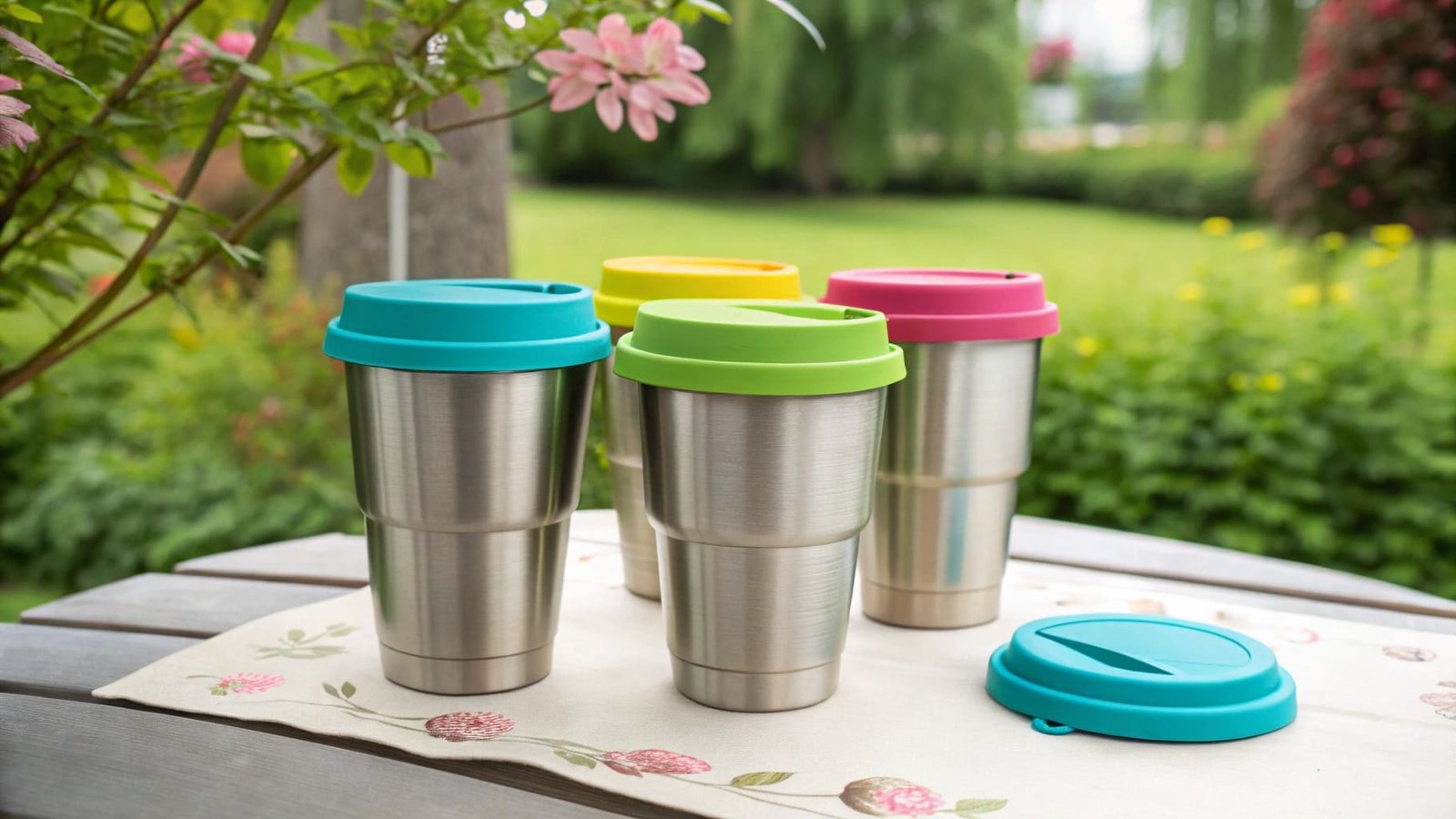
I've talked with dozens of procurement officers over the years. Most of them started our conversations by asking about price and minimum order quantities. But the best ones — the ones who kept coming back — always asked one more question: "Will people actually use this?" That question is exactly why cup holders have taken over the promotional market. They solve a real problem. People keep them. And that means your brand sticks around too.
When Did Cup Holders Become Common?
Most people don't think twice about cup holders today. But there was a time when cars didn't have them at all. That shift happened faster than most people realize.
Cup holders became standard in most vehicles during the late 1980s and early 1990s.3 Before that, they were a luxury feature found only in higher-end models. Once automakers added them as standard equipment, consumers quickly came to expect them everywhere — not just in cars4.
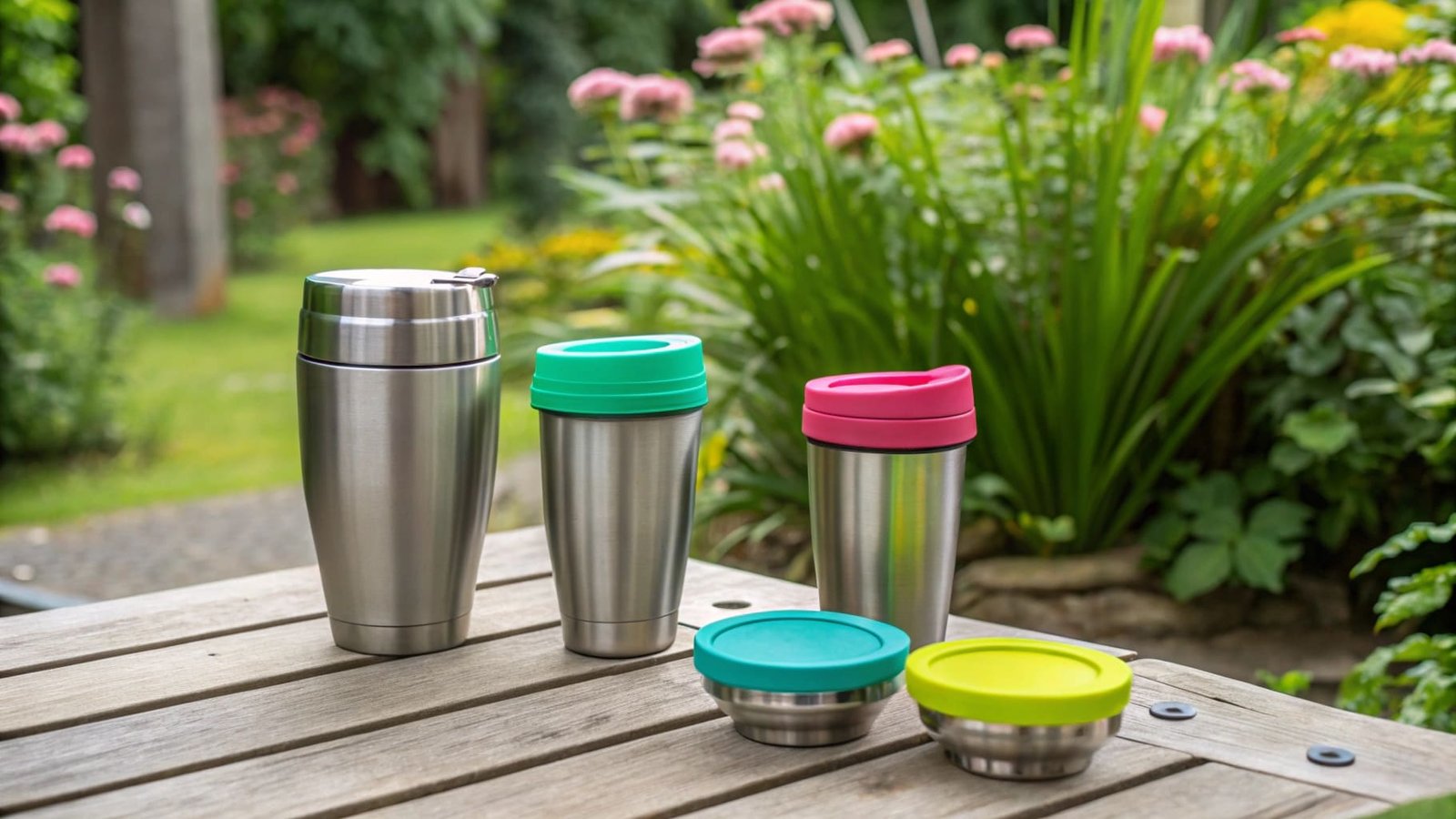
From a Car Feature to an Everyday Expectation
The move from luxury to standard did not happen overnight. It followed a simple pattern that shows up again and again in product history.
| Era | Cup Holder Status | Consumer Attitude |
|---|---|---|
| Pre-1980s | Rare or absent | Not expected |
| Late 1980s | Optional add-on | Nice to have |
| Early 1990s | Standard in most vehicles | Expected |
| 2000s onward | Found in cars, strollers, office chairs, gym bags | Required |
Once consumers got used to having cup holders in cars, they started wanting them everywhere else. Stroller makers added them. Office chair manufacturers added them. Gym bag designers added them. The product moved out of the vehicle and into every part of daily life.
This is important for B2B buyers like Mark, who sources silicone cup holders to rebrand and sell in Canada. His customers are not buying a novelty item. They are buying something that fits into routines people already have. That is a very different selling position from a branded pen or a tote bag. The cup holder does not need to teach the user a new habit. It slides into one that already exists.
For promotional buyers, this history matters. A product with deep roots in daily life carries built-in value. Your brand doesn't have to fight for attention. The product earns its place on its own.
What Is the Purpose of a Cup Holder?
The obvious answer is that it holds cups. But that answer misses most of what makes cup holders valuable as promotional products. Their real purpose goes much further.
A cup holder keeps beverages stable, protects surfaces from spills, and makes it easier to carry a drink hands-free.5 In a promotional context, it also keeps a brand visible in spaces where people spend a large amount of time — like their car or their desk.
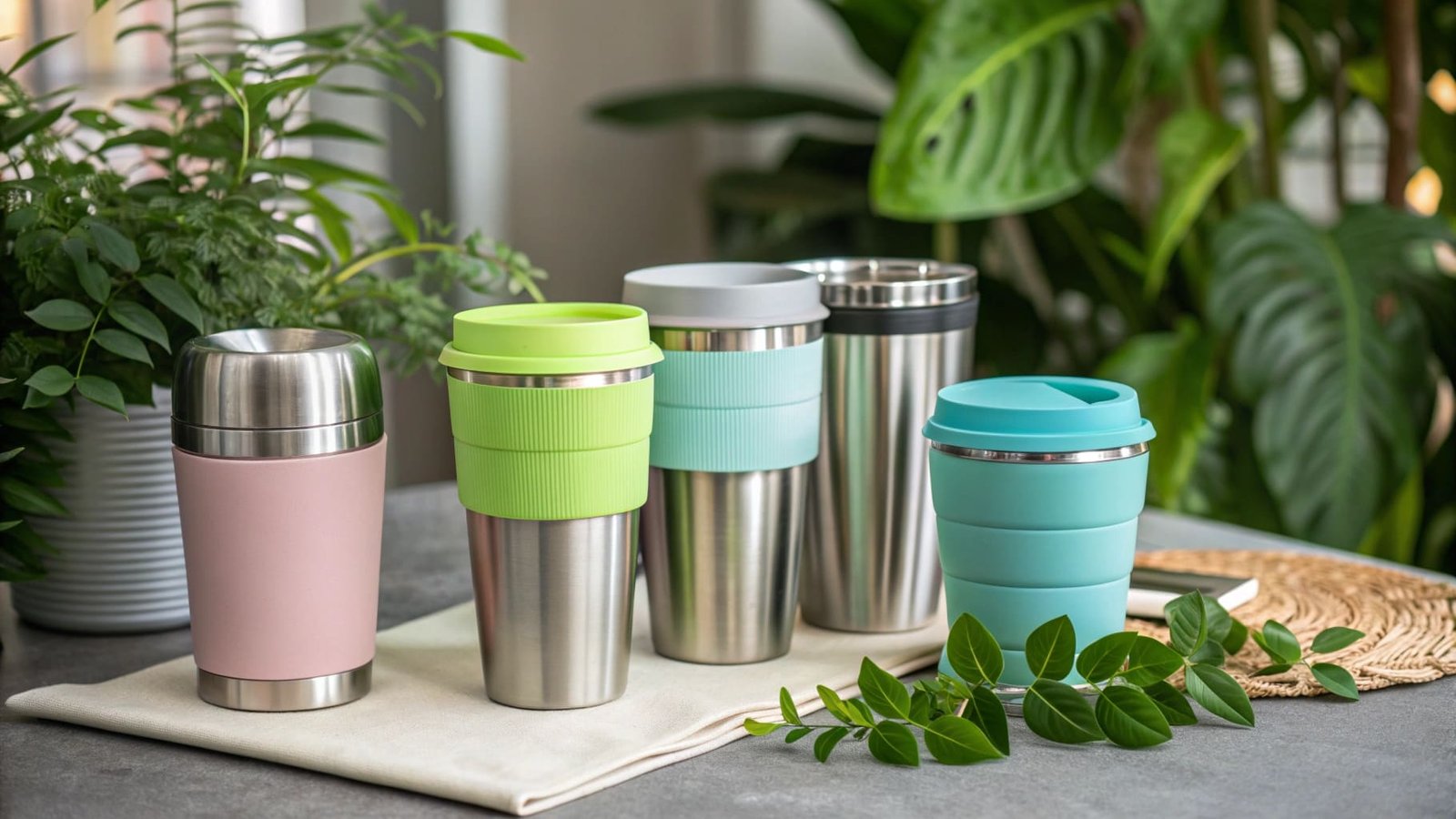
One Product, Several Jobs
When I look at how buyers like Mark use silicone cup holders in their distribution business, I see three separate jobs happening at the same time.
Job One: Physical Function
The cup holder prevents spills. It grips the bottle. It protects the surface underneath. This is the base level of value. If a product doesn't do this well, nothing else matters.
Job Two: Emotional Function
A well-made cup holder signals care. When a company gives out a promotional item that actually solves a problem, the recipient forms a positive feeling toward that brand.6 A cheap item that breaks or doesn't fit right does the opposite.
Job Three: Brand Function
| Function Type | What It Does | Why It Matters to B2B Buyers |
|---|---|---|
| Physical | Holds the drink, prevents spills | Keeps the product in use |
| Emotional | Creates a good feeling toward the brand | Builds long-term brand association |
| Brand | Displays logo or colors daily | Generates repeated impressions |
Silicone as a material supports all three jobs better than most alternatives. It grips without scratching. It stretches to fit different bottle sizes. It can be molded into any color, which makes it easy to match brand guidelines exactly.7 I've seen buyers request Pantone-matched colors, textured logos, and custom shapes — all of which are possible with silicone in a way that hard plastic simply does not allow.
For a procurement officer choosing between five promotional products with a similar price point, this combination of physical, emotional, and brand function is hard to beat.
How to Get Gunk Out of Cup Holders?
Anyone who has left a cup holder in their car through a hot summer knows the problem. Sticky residue, crumbs, and dried spills collect at the bottom. Cleaning a rigid cup holder is a frustrating job. This pain point has become a real product differentiator in the B2B space.
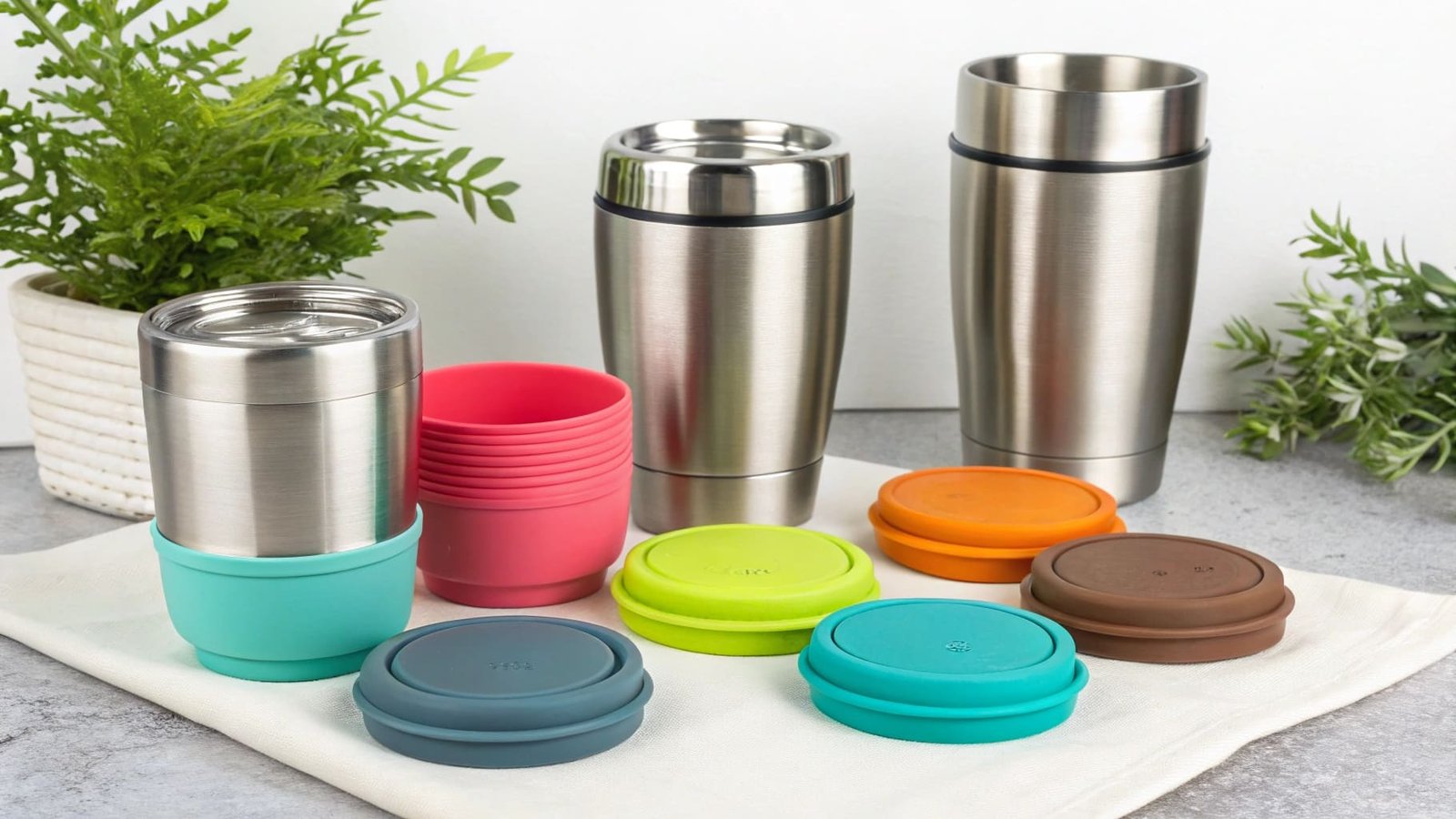
Silicone cup holders are the easiest to clean. You can remove them completely, turn them inside out, rinse them under a tap, or put them in the dishwasher. The residue that gets trapped in rigid holders never gets the chance to build up.
Why Ease of Cleaning Affects Brand Visibility
This might seem like a small detail. But for a promotional buyer, it has a direct impact on how long the product stays in use — and how long the brand stays visible.
Here is the problem with a cup holder that is hard to clean:
| Cleaning Difficulty | User Behavior | Brand Outcome |
|---|---|---|
| Hard to clean | User stops using the product | Brand disappears |
| Moderate effort required | User cleans it occasionally, uses it less | Brand visibility drops |
| Easy to clean | User cleans it regularly and keeps using it | Brand stays visible |
I've had buyers tell me that their previous supplier sent hard plastic cup holders that looked great in the product photos. But within three months, their end customers had stopped using them because they were too difficult to keep clean. That is a promotional budget that produced zero long-term results.
Silicone solves this problem in a direct way. The material is non-porous, so bacteria and odors don't build up the way they do in textured plastic. The flexibility means users can reach every part of the surface. And because silicone is heat-resistant, it can go straight into a dishwasher without warping or losing its shape.
For Mark, this is a strong selling point when he presents the product to his distribution customers. He can say that his cup holders last longer and stay cleaner than alternatives — and he can back that up with the material properties. That gives him a clear reason to charge a premium, which fits directly into his profit model.
Conclusion
Cup holders moved from a car accessory to a daily essential. In the B2B promotional market, that journey makes them one of the smartest buys available today.
-
"Promotional Product Industry Statistics 2026 - Gitnux", https://gitnux.org/promotional-product-industry-statistics/. An industry market report documenting growth in promotional drinkware or cup-holder-related categories would support the claim that buyer spending has increased, although category-level data may not isolate cup holders specifically. Evidence role: statistic; source type: institution. Supports: A credible industry or institutional report should document growth in promotional drinkware or cup-holder-related spending.. Scope note: Evidence may be contextual if it reports drinkware or beverage-accessory growth rather than cup holders alone. ↩
-
""Promotional Product Brand Message Effectiveness: A Study of ...", https://scholarsarchive.jwu.edu/jwu_etd/10/. Research on promotional-product effectiveness indicates that useful items are more likely to be retained and repeatedly used, supporting the article’s argument that frequent utility can increase brand exposure; it does not by itself prove that cup holders dominate the entire B2B promotional market. Evidence role: expert_consensus; source type: paper. Supports: Research should support that useful promotional products are kept and used more often, improving brand exposure.. Scope note: The source may support the usefulness mechanism rather than the specific market-dominance claim. ↩
-
"Cup holder - Wikipedia", https://en.wikipedia.org/wiki/Cup_holder. A historical account of automotive interior design places the spread of built-in cup holders in the late twentieth century, supporting the article’s timeline while not confirming standardization in every vehicle model. Evidence role: historical_context; source type: encyclopedia. Supports: A historical source should document when cup holders became common or standard in passenger vehicles.. Scope note: Automotive adoption varied by manufacturer, region, and model. ↩
-
"Cup Holder Market Size & Forecast Analysis 2025 to 2035", https://www.futuremarketinsights.com/reports/cup-holder-market. A product-design history source documenting the spread of cup holders into non-automotive goods would support the claim that the feature became a broader consumer expectation, though it would provide contextual rather than quantitative proof of consumer demand. Evidence role: historical_context; source type: research. Supports: A product-design or consumer-culture source should describe the spread of cup holders beyond cars.. Scope note: The source may document product diffusion without measuring consumer expectations directly. ↩
-
"The Un-Spillable Cup Holder - Innovative Gadget for No-Mess Drinks", https://www.tiktok.com/@kylekruegerr/video/7214263276308516142. Patent and design descriptions commonly define cup holders as devices for retaining beverage containers in a stable position, supporting the functional claim while not measuring spill reduction in ordinary use. Evidence role: definition; source type: government. Supports: A patent or design source should describe the basic purpose of a cup holder as retaining beverage containers and reducing spills.. Scope note: Patent language describes intended function rather than independently tested performance. ↩
-
""Promotional Product Brand Message Effectiveness: A Study of ...", https://scholarsarchive.jwu.edu/jwu_etd/10/. Marketing research on promotional gifts and consumer response supports the mechanism that useful branded items can improve brand recall or attitudes, although effects depend on product quality, relevance, and recipient context. Evidence role: mechanism; source type: paper. Supports: A marketing or consumer-behavior study should show that useful promotional gifts can improve brand attitudes or recall.. Scope note: The evidence may apply to promotional products generally rather than cup holders specifically. ↩
-
"Color Stability and Mechanical Properties of Two Commonly Used ...", https://pubmed.ncbi.nlm.nih.gov/33882566/. Materials-science references characterize silicone elastomers as flexible, elastic, and compatible with pigments, supporting the stated design advantages; the claim that they grip without scratching depends on product hardness and surface finish. Evidence role: mechanism; source type: education. Supports: A materials-science source should describe silicone rubber as flexible, elastic, and pigmentable, with surface properties suitable for grip.. Scope note: General silicone properties do not guarantee performance for every formulation or product design. ↩