How to Source Silicone Bite Valves for Hydration Pack Bulk Orders?
Your bulk order arrives. The bite valves fail within weeks. Your customers complain. Your brand takes the hit. This happens more than most buyers admit.
Sourcing silicone bite valves for hydration pack bulk orders means finding a supplier who uses food-grade or medical-grade silicone, passes FDA and LFGB testing1, delivers consistent wall thickness, and provides full material documentation. These four factors separate a safe order from a costly mistake.
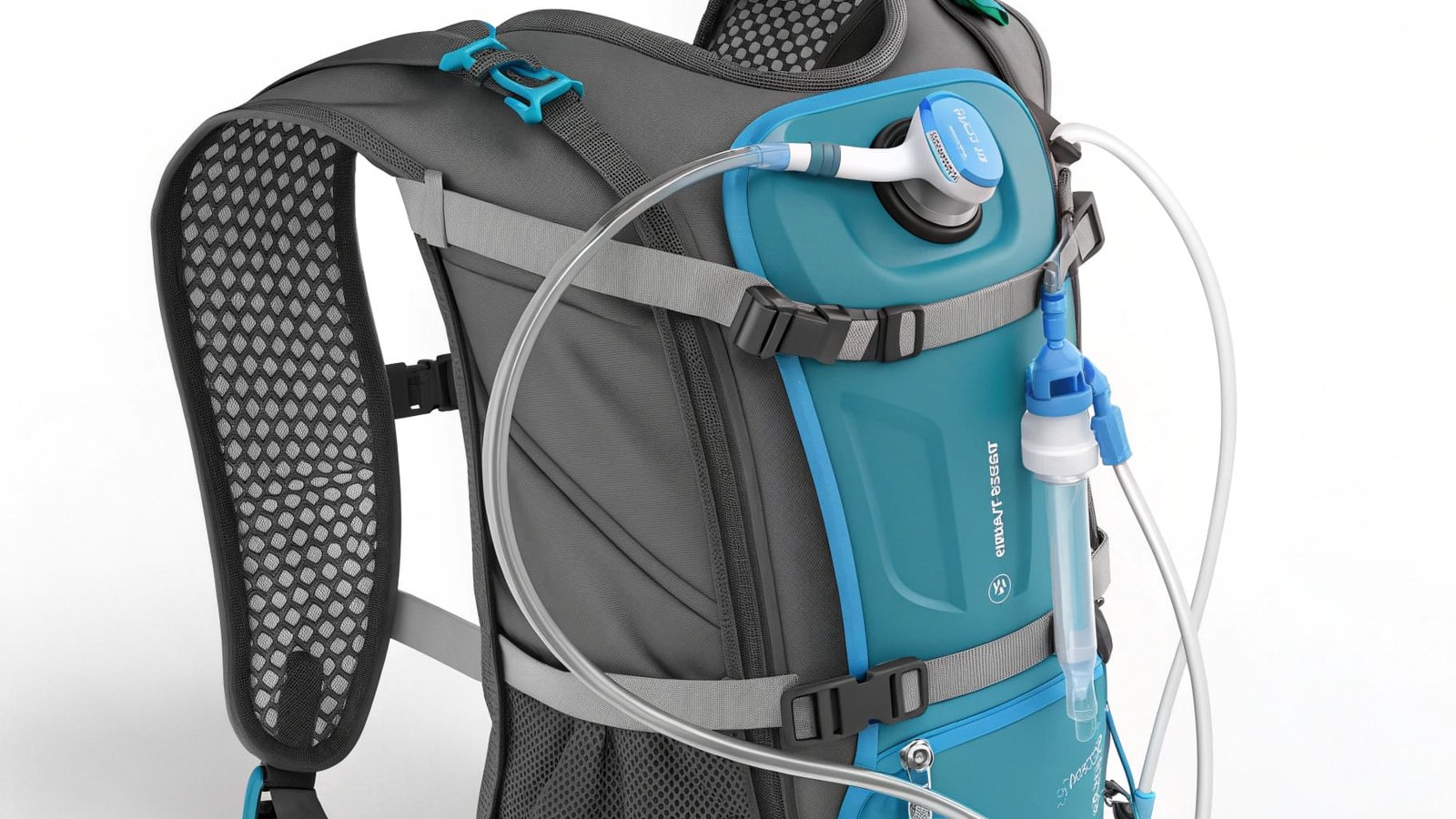
I have worked with B2B buyers long enough to know where the real problems start. It is rarely the price. It is almost always the details that nobody asked about before the order was placed. The sections below break down exactly what you need to know before you commit to any supplier.
How to Use a Bite Valve?
You think the product is simple. Your end users think the same. Then the returns come in, and you realize nobody explained the basics.
A bite valve works by compression. The user bites down on the silicone sheath. This compresses the material and opens a small internal channel. Liquid flows through. When the user releases, the silicone returns to its original shape and seals the channel shut. No bite, no flow. This is the core function.
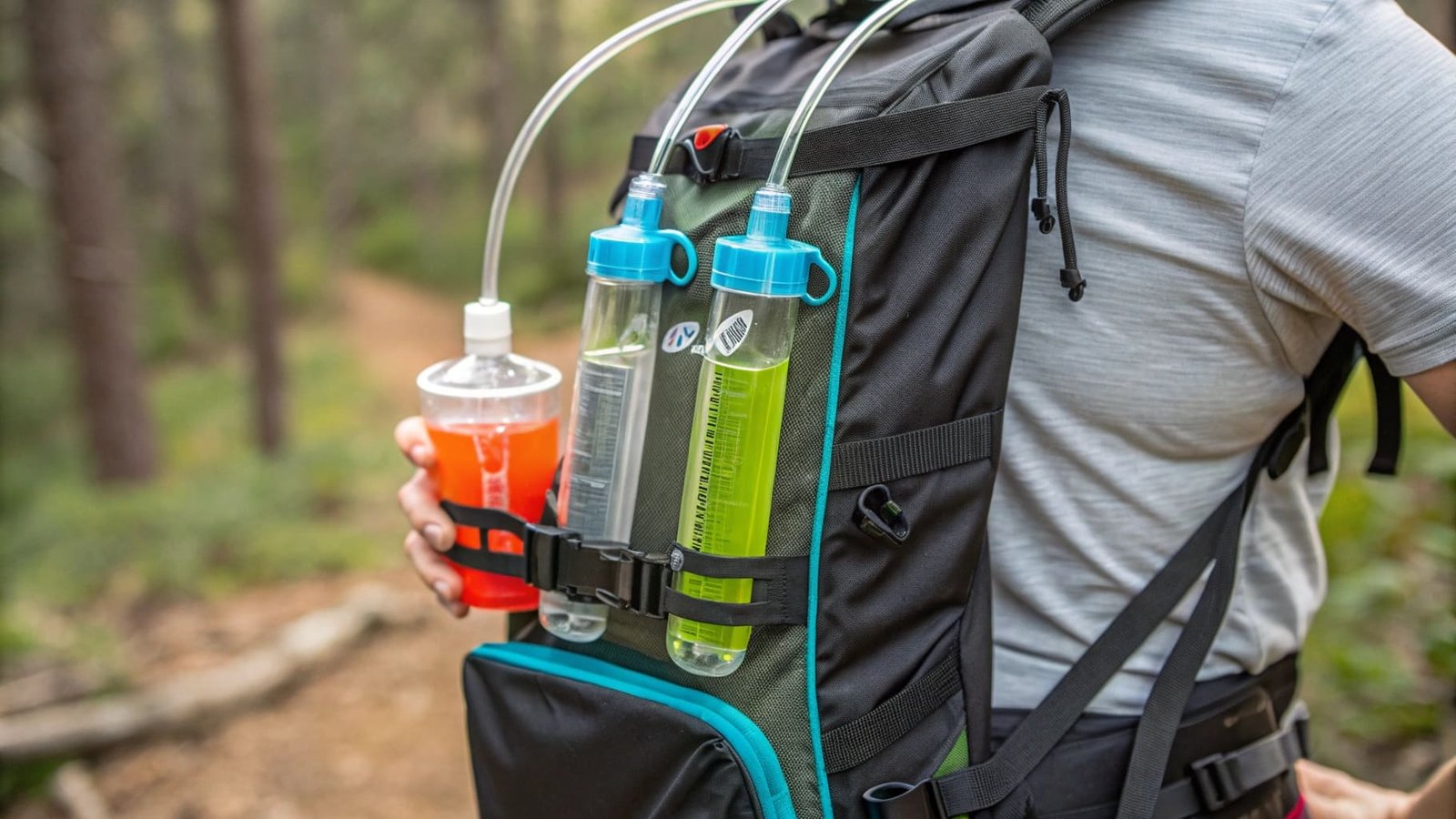
The mechanism sounds simple. But the quality of that mechanism depends entirely on the silicone used to make it.
What Makes a Bite Valve Work Well?
The silicone sheath must do two things at the same time. It must be soft enough to compress with light bite pressure. It must also be firm enough to seal completely when released. These two demands pull in opposite directions. Shore hardness is the measurement that controls this balance.2
Most quality bite valves sit between 30A and 50A shore hardness.3 Too soft and the valve stays partially open, causing leaks. Too firm and users have to bite hard, which causes fatigue and early sheath tearing. I always ask suppliers to share shore hardness data before samples are even sent.
Beyond hardness, the material must stay stable across temperature ranges. A hydration pack used in Canadian winters or desert summer heat needs a bite valve that does not stiffen or soften beyond its functional range. Medical-grade silicone typically handles temperatures from -40°C to 200°C without losing elasticity.4 This range matters for both storage and active use.
Here is a quick reference for bite valve silicone performance standards:
| Property | Acceptable Range | Why It Matters |
|---|---|---|
| Shore Hardness | 30A – 50A | Controls bite force and seal quality |
| Temperature Range | -40°C to 200°C | Prevents failure in extreme conditions |
| Material Grade | Food-grade or medical-grade | Required for FDA and LFGB compliance |
| Tear Resistance | High | Prevents sheath failure under repeated use |
| Taste and Odor | Neutral | Critical for user acceptance |
Every buyer I know who skipped the shore hardness conversation early on ended up regretting it later. Get that data upfront.
How to Take Apart a Bite Valve?
You place a large order. The product reaches your customers. Six weeks later, a buyer emails you asking how to clean inside the valve. You have no answer. This is a sourcing problem disguised as a customer service problem.
A well-designed bite valve can be pulled apart without any tools. The user grips the sheath and the valve body separately, then pulls or twists to separate the two pieces. This exposes the internal channel for cleaning. Most quality designs use either a pull-apart fit or a simple twist-lock that releases with a quarter turn.
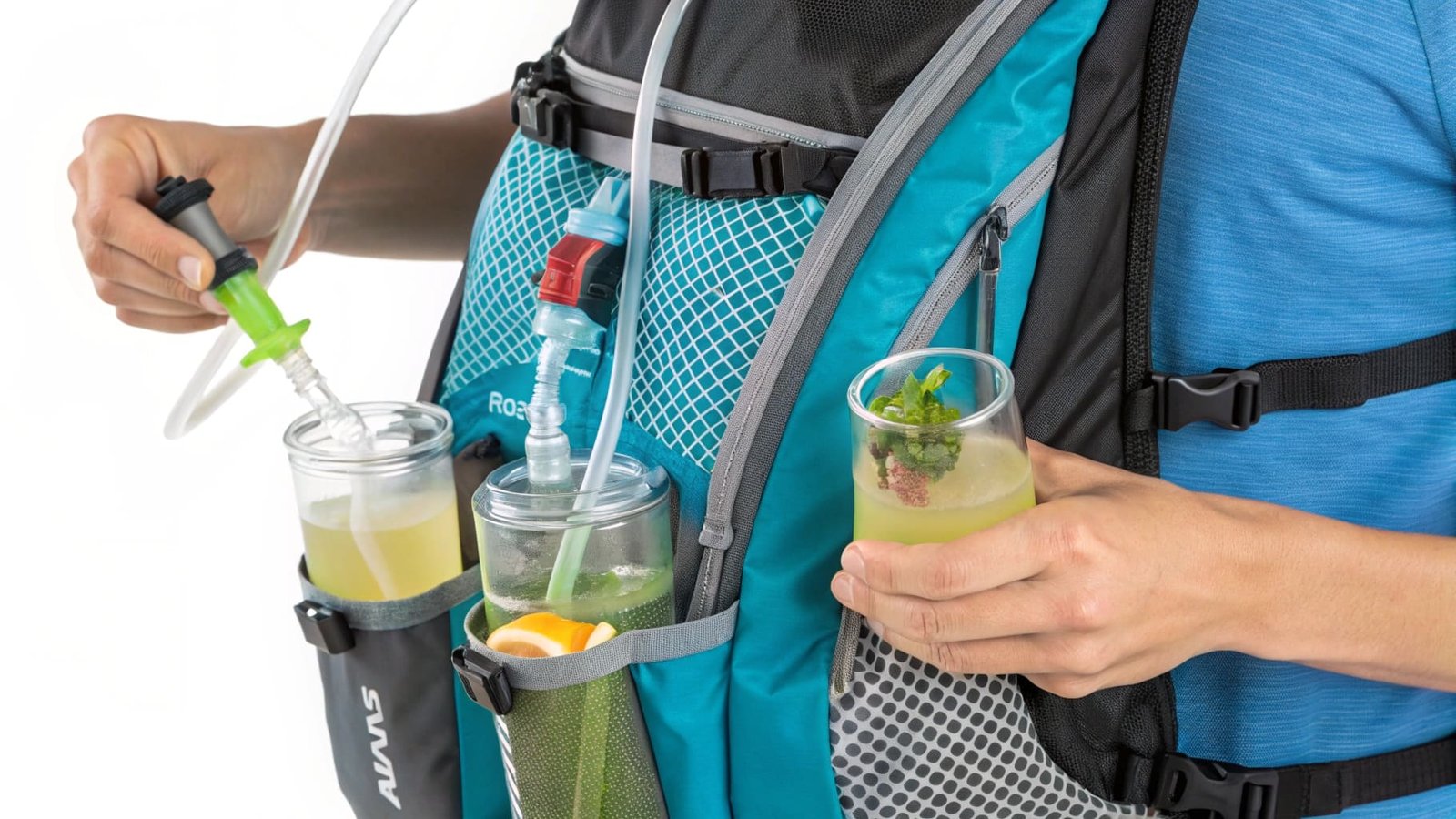
This feature is not just a convenience. It is a hygiene requirement for any serious outdoor or sports brand.5
Why Disassembly Design Affects Your Sourcing Decision?
I look at disassembly as a sign of how seriously a supplier thinks about product lifecycle. If the valve cannot be taken apart, mold and bacteria build up inside the channel.6 This leads to bad taste, health complaints, and returns. A supplier who builds in easy disassembly has already thought through the real-world use case.
When I evaluate a new supplier sample, I personally test whether I can take the valve apart with my bare hands in under ten seconds. If I cannot, that design has a problem. Your end users will not read instructions. They will just try to pull it apart. If it breaks during that attempt, the return comes back to you.
There is also a business case for disassembly beyond hygiene. A valve that comes apart can be reassembled with a replacement sheath. This creates an aftermarket product line. You can sell replacement sheaths separately. This turns a one-time product into a repeat purchase. For distributors working the premium outdoor market, this adds real margin over time.
Here is how I compare disassembly designs when reviewing supplier samples:
| Design Type | Tool Needed | User Ease | Cleaning Access | Aftermarket Potential |
|---|---|---|---|---|
| Pull-apart fit | None | High | Full | Yes |
| Twist-lock | None | Medium | Full | Yes |
| Glued or molded shut | N/A | None | None | No |
| Screw thread | Sometimes | Low | Partial | Limited |
Pull-apart and twist-lock designs are the only ones I recommend for bulk sourcing. Glued or molded shut designs save the supplier money on tooling. They cost you money in customer complaints.
How to Replace a Bite Valve Sheath?
The sheath wears out before the rest of the valve. The user knows it. But if they cannot replace just the sheath, they throw out the whole product. That is both a waste and a lost repeat sale for you.
Replacing a bite valve sheath means removing the old sheath from the valve stem, sliding a new sheath into position, and pressing it down until it seats correctly against the valve body. No adhesive is needed. The fit should be snug enough to hold under flow pressure but loose enough to remove by hand.
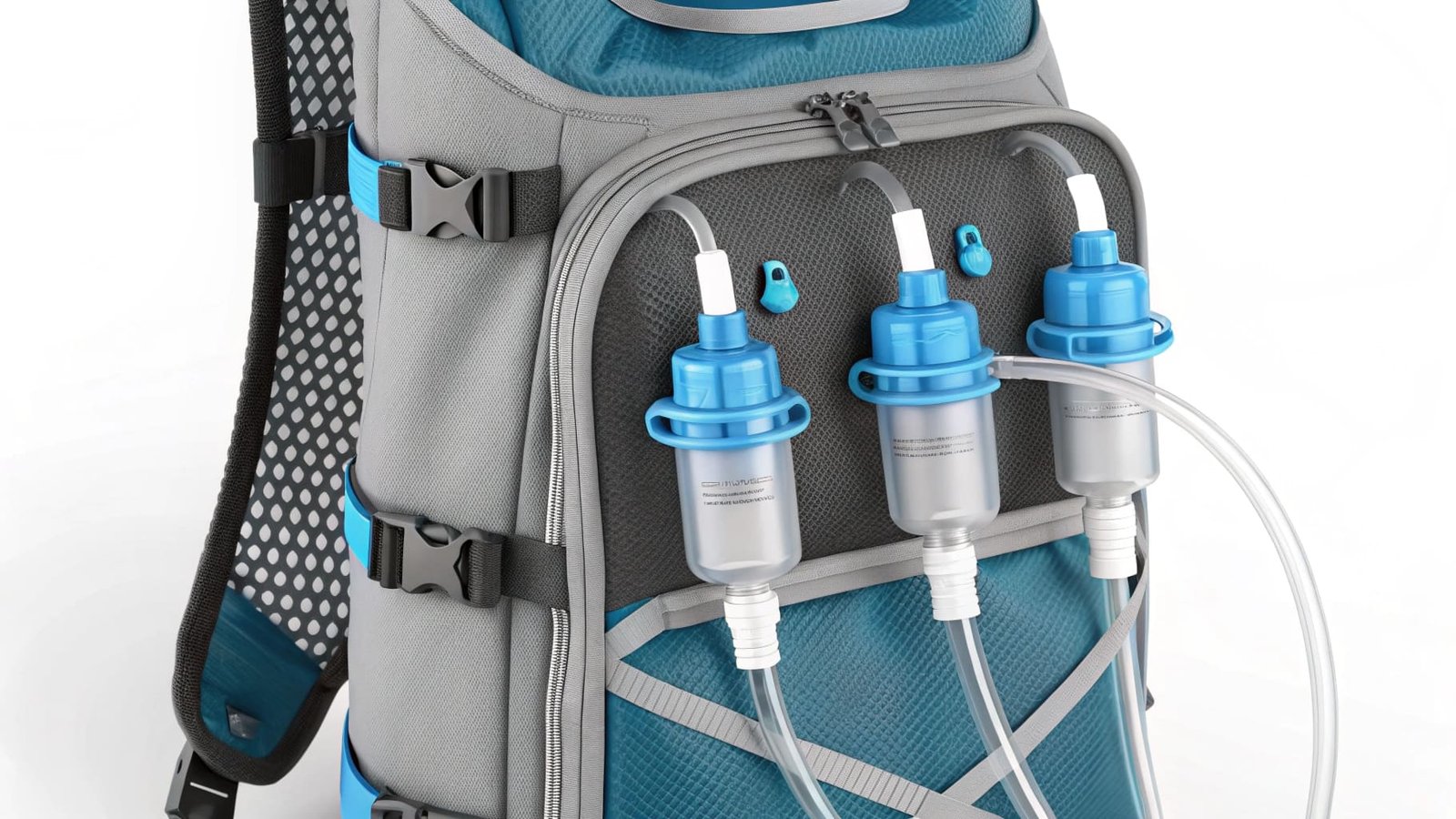
This is the step most buyers never think about when they place their first bulk order. They think about the initial sale. They do not think about what happens twelve weeks later when the sheath splits.
How Does Sheath Replacement Design Affect Supplier Selection?
I treat sheath replaceability as a quality signal. A supplier who builds a valve where the sheath can be replaced separately has tighter dimensional control over their manufacturing. The sheath must fit the valve stem precisely. If the tolerances are loose, the replacement sheath either falls off during use or cannot be pressed on without tearing.7
Dimensional accuracy is something I verify by requesting samples from three separate production batches. I check whether the sheath from batch one fits the valve body from batch two. If they do not fit, the supplier has inconsistent mold dimensions. This inconsistency will cause problems at scale.
For buyers serving the North American and European markets, sheath replaceability also ties into sustainability positioning. Brands that allow component-level replacement can market their products as lower-waste options.8 This matters to end consumers and to retail buyers who evaluate your product line for shelf placement.
Here is what I check when evaluating a supplier's sheath replacement system:
| Check Point | What I Look For | Red Flag |
|---|---|---|
| Sheath fit on valve stem | Snug with no gaps | Loose fit or requires force to seat |
| Cross-batch compatibility | Sheath from batch A fits body from batch B | Parts do not match across batches |
| Sheath tear resistance during installation | No tearing when pressed on by hand | Tears during normal installation |
| Replacement sheath availability | Sold separately as a SKU | Only available as full unit |
| Wall thickness consistency | Measured with calipers, batch to batch | Visible thickness variation |
I once had a customer contact me after receiving a large order of replacement sheaths that did not fit the valve bodies already in the field. The mold had been adjusted without notice between orders. That supplier lost the account. Consistent tooling control is not optional. It is the baseline.
Conclusion
Source bite valves by checking silicone grade, shore hardness, disassembly design, sheath replaceability, and cross-batch consistency. These five points protect your brand and your margins.
-
"21 CFR 177.2600 -- Rubber articles intended for repeated use. - eCFR", https://www.ecfr.gov/current/title-21/chapter-I/subchapter-B/part-177/subpart-C/section-177.2600. FDA food-contact regulations for rubber articles intended for repeated use, together with German BfR recommendations for silicone food-contact materials, support the need to verify silicone components that contact drinking fluids against recognized food-contact requirements. Evidence role: definition; source type: government. Supports: A regulatory source should support that silicone/rubber articles intended for repeated food contact are subject to compositional and extractive limits under FDA rules and comparable German/EU food-contact frameworks.. Scope note: These sources establish regulatory context for food-contact materials; they do not certify any specific bite valve or supplier. ↩
-
"Shore durometer - Wikipedia", https://en.wikipedia.org/wiki/Shore_durometer. ASTM D2240 and related materials-testing references define Shore A durometer hardness as an indentation-hardness measure for rubber and elastomeric materials, supporting its use as a measure of silicone softness or firmness. Evidence role: definition; source type: institution. Supports: A standards or technical source should define Shore A hardness as a durometer measure used for rubber and elastomer indentation hardness.. Scope note: The standard defines the measurement method; it does not by itself determine the optimal hardness for hydration bite valves. ↩
-
"Patent Public Search | USPTO - OSTI", https://www.osti.gov/servlets/purl/1824100. Published technical descriptions of flexible hydration bite valves identify silicone elastomers with Shore A durometers in the low-to-mid hardness range, providing contextual support for the article's stated 30A-50A working range. Evidence role: case_reference; source type: other. Supports: A technical patent or specification should show bite valve designs using silicone elastomers in the approximate Shore A 30-50 range.. Scope note: Such sources support the range as consistent with documented designs, not as an industry-wide statistical average. ↩
-
"Silicone rubber - Wikipedia", https://en.wikipedia.org/wiki/Silicone_rubber. Materials-science references on silicone elastomers report that silicone rubber retains useful flexibility over broad service-temperature ranges, commonly extending from subzero conditions to approximately 200°C depending on formulation. Evidence role: general_support; source type: research. Supports: A materials-science source should support that silicone elastomers are known for maintaining flexibility over wide low- and high-temperature ranges.. Scope note: The exact service range depends on the silicone grade, additives, curing system, and test conditions. ↩
-
"Drink water, not mold. Five steps for a cleaner water bottle | UAB News", https://www.uab.edu/news/news-you-can-use/drink-water-not-mold-five-steps-for-a-cleaner-water-bottle. Public-health guidance on reusable drinking containers emphasizes regular cleaning and drying to limit microbial growth, supporting the hygienic importance of designs that permit access to internal drinking surfaces. Evidence role: expert_consensus; source type: government. Supports: A public-health source should support that reusable drinking containers and components require regular cleaning to reduce microbial contamination.. Scope note: General cleaning guidance applies to reusable drinkware broadly and may not specifically evaluate hydration-pack bite valves. ↩
-
"Daily Use Water Bottles as a Hub for Microbial Population - PMC", https://pmc.ncbi.nlm.nih.gov/articles/PMC11174293/. Studies of reusable drinking containers and moist polymer surfaces show that bacteria and biofilms can persist where water and residues remain, providing a mechanism for contamination in inaccessible valve channels. Evidence role: mechanism; source type: paper. Supports: A microbiology study should support that reusable drinking containers can harbor bacteria or biofilms, especially where moisture remains and cleaning is incomplete.. Scope note: The evidence would support the microbial mechanism generally; direct contamination rates may vary by valve design, user behavior, and cleaning frequency. ↩
-
"Tolerance Stackup: Simple Assembly - YouTube", https://www.youtube.com/watch?v=GSXZipWl0fU. Engineering literature on tolerance stack-up and interference fits shows that dimensional variation can produce insufficient retention at one extreme and excessive assembly stress at the other, consistent with loose sheaths or tear-prone installation. Evidence role: mechanism; source type: education. Supports: An engineering source should support that tolerance variation affects assembly force and retention, creating risks of loose or over-tight fits.. Scope note: The source would support the mechanical principle rather than document this exact failure in hydration bite valves. ↩
-
"Non-Hazardous Materials and Waste Management Hierarchy - EPA", https://www.epa.gov/smm/sustainable-materials-management-non-hazardous-materials-and-waste-management-hierarchy. Circular-economy and waste-hierarchy guidance from public institutions identifies repair, reuse, and replacement of components as strategies for extending product life and reducing waste generation. Evidence role: expert_consensus; source type: institution. Supports: An environmental institution should support that repair, reuse, and replacement of components are waste-prevention strategies in circular-economy frameworks.. Scope note: This supports the lower-waste rationale in principle; actual waste reduction depends on replacement-part availability, consumer behavior, and product life-cycle impacts. ↩