Where to Find Paracord Planet Cord Locks for Wholesale Outdoor Gear?
You source the wrong components once, and an entire product line fails. That one mistake costs you customers, returns, and your reputation.
Wholesale cord locks for outdoor gear come from B2B suppliers in manufacturing countries like China. The best approach is to combine Google sourcing with trade show visits. You need to verify material grade, spring quality, and consistency across production batches before placing any order.
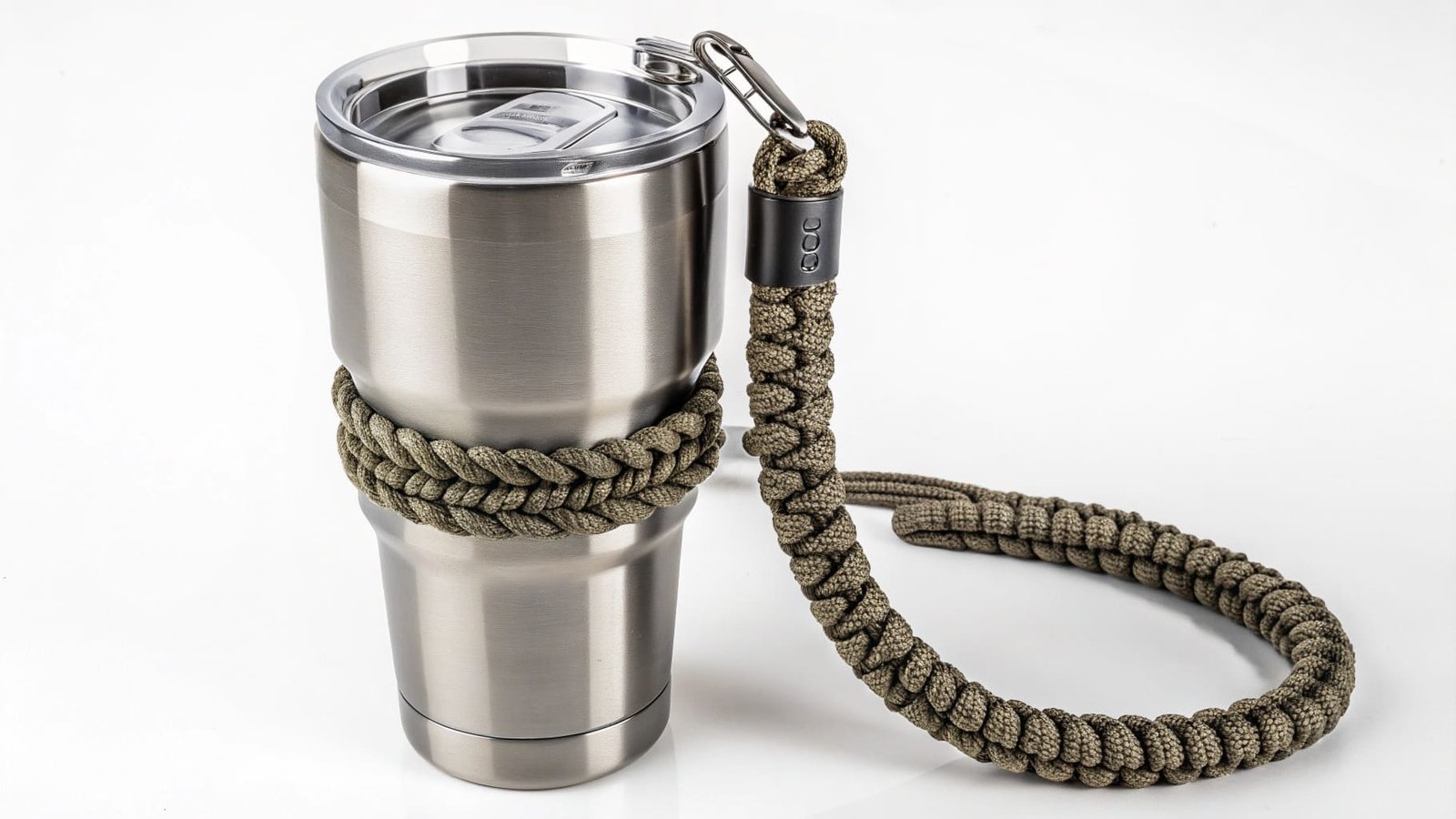
I have talked to many buyers who lost money on small components. They focused on the big items and ignored the locks, buckles, and stoppers. Those small parts are what end-users touch every single day. If a cord lock breaks on a backpack, the customer does not blame the lock. They blame the brand. That is why I think cord locks deserve just as much sourcing attention as the main materials. Let me walk you through what I have learned.
What Is the Highest Quality Paracord?
Most buyers think paracord is paracord. Then they get a return claim from a customer whose gear failed under load, and the whole picture changes fast.
The highest quality paracord is military-specification Type III, also called 550 paracord.1 It has a minimum breaking strength of 550 pounds and contains seven inner strands.2 Each strand is made of three yarns. This construction is the standard that serious outdoor gear brands use.
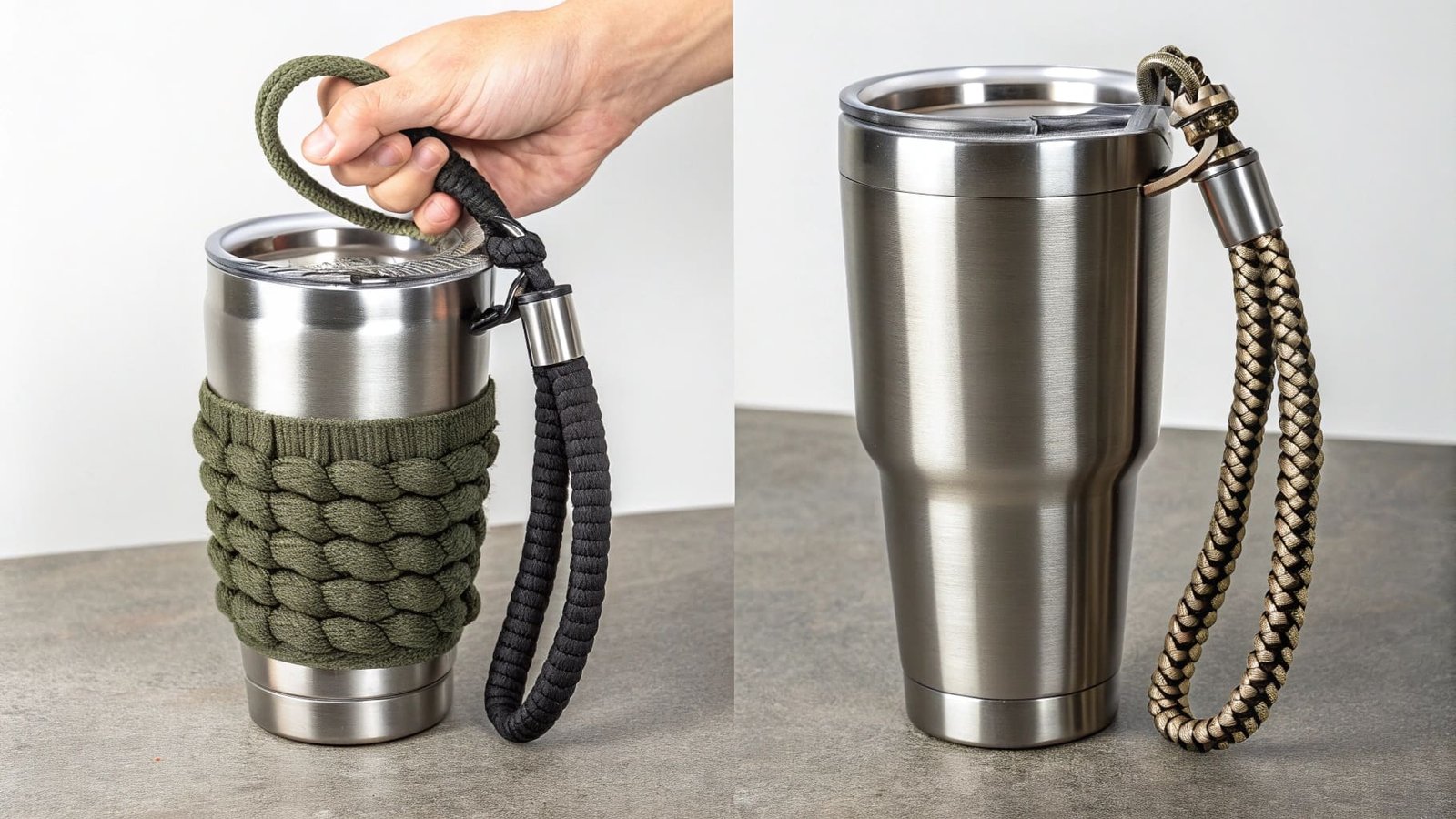
Why Tensile Strength Is Not the Only Thing That Matters
I used to think strength rating was enough. It is not. Two rolls of paracord can both say "550" on the label and perform very differently in real use.
Here is what I check now beyond the breaking strength number:
Nylon Composition
The outer sheath must be made from high-quality nylon. Cheap versions use a blended fiber that looks fine at first but fades, frays, and loses grip over time. If you are sourcing for a brand that sells in North America or Europe, color fastness matters. Your customer will compare their gear after six months of outdoor use.
UV Resistance
Outdoor gear sits in direct sunlight. Paracord that lacks UV stabilizers breaks down faster than it should.3 Ask your supplier for UV resistance test data. A good supplier will have it ready.
Type Comparison Table
| Type | Breaking Strength | Inner Strands | Best Use Case |
|---|---|---|---|
| Type II | 400 lbs | 5–7 strands | Budget gear, light duty |
| Type III (550) | 550 lbs | 7 strands | General outdoor, survival |
| Type IV (750) | 750 lbs | 11 strands | Heavy-duty, tactical |
The right type depends on your market segment. I always ask buyers: who is your end-user, and what will they actually do with this product? That answer tells you which grade to buy, not the highest number on a spec sheet.
Color Batch Consistency
If you order 10,000 meters in "olive green" today and reorder in three months, will the color match? Inconsistent dye batches cause real problems when you are assembling kits or selling bundled products. Request color sample confirmation on every production run, not just the first order.
What Is a Plastic Cord Lock?
You have seen cord locks on every drawstring bag and rain jacket hood you own. But most buyers have no idea how much variety exists inside that small component category.
A plastic cord lock is a spring-loaded device that grips a cord or string.4 You press the button, slide the cord, and release. The spring holds the cord in place. This simple action controls drawstrings in jackets, bags, tents, and gear pouches.
Why the Material Inside the Cord Lock Changes Everything
I have seen buyers choose cord locks purely on unit price. Then the spring loses tension after thirty uses, or the plastic cracks in cold weather, and the warranty claims start coming in.
Here is what the material choice actually means for your product quality and cost of ownership:
ABS Plastic
ABS is the most common and lowest-cost option. It works fine in mild conditions. The problem is that ABS becomes brittle in cold temperatures and degrades faster under UV exposure. If your products sell in Canada or Northern Europe, this matters a lot.
Reinforced Nylon
Reinforced nylon handles temperature swings better than ABS. It stays flexible in cold and does not warp in heat. Most mid-range outdoor brands use this material for their cord locks. The price is higher than ABS, but the return rate drops.
Acetal (Delrin)
Acetal, often sold under the brand name Delrin, is the premium option. It has very low friction, which means the cord slides through cleanly every time. It resists moisture, UV, and temperature extremes. This is what high-end gear brands specify when they want a component that lasts as long as the product.
Cord Lock Material Comparison
| Material | Temperature Range | UV Resistance | Cost Level | Best For |
|---|---|---|---|---|
| ABS Plastic | Limited | Low | Low | Budget gear |
| Reinforced Nylon | Good | Medium | Mid | Mid-range outdoor products |
| Acetal (Delrin) | Excellent | High | Premium | High-end gear and tactical use |
Beyond material, I also check spring tension consistency. A good spring should grip firmly under load but release smoothly when pressed. Ask your supplier for a batch sample test. Press every lock in the sample set ten times and check whether any of them feel loose or sticky. That test takes five minutes and saves a lot of problems.
Are There Different Grades of Paracord?
Every wholesale buyer I speak to knows there are different grades. The problem is that not everyone knows how to tell them apart when the supplier is showing them samples in a trade show booth.
Yes, there are multiple grades of paracord. The main tiers are military-spec, commercial-grade, and substandard.5 Each one serves a different market segment and price point. The risk is when a supplier sells you a lower grade while labeling it as mil-spec.
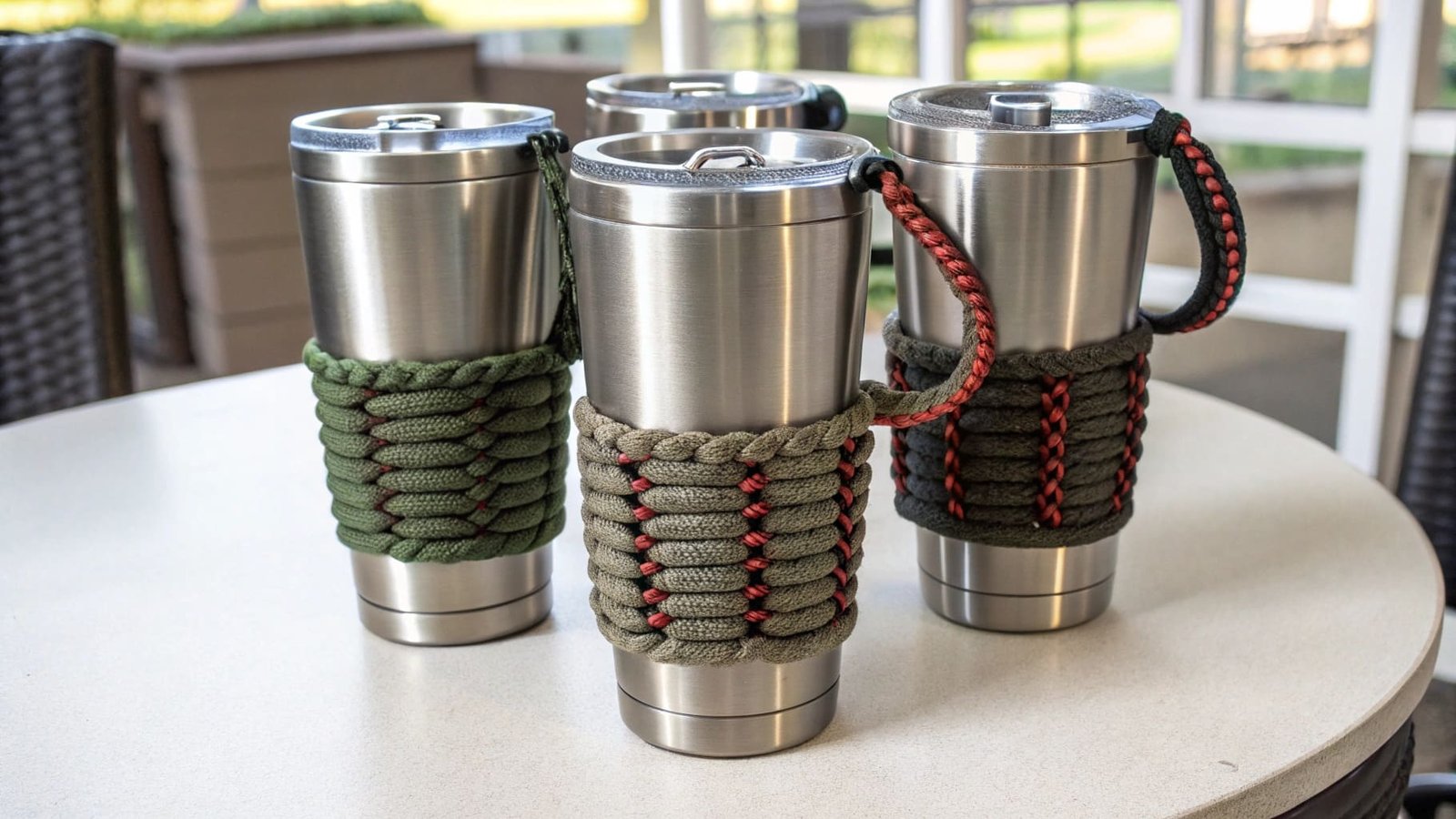
How to Match Paracord Grade to Your Market Segment
I work with buyers at different price points. The mistake I see most often is a buyer who wants to sell in the premium segment but sources from the cheapest tier to protect margin. That strategy almost always fails within two seasons.
Here is how I think about grade-to-market matching:
Premium Segment
Premium outdoor brands need mil-spec paracord with full certification and traceability. End-users in this segment research their gear before buying. They know what mil-spec means. If your certification is fraudulent or your quality is inconsistent, online reviews will find it fast. In this segment, the documentation is just as important as the cord itself.
Mid-Market Segment
This is where most wholesale volume lives. Commercial-grade paracord that meets functional requirements without full military certification works well here. The key is finding a supplier who is honest about what they are selling. A commercial-grade cord with consistent quality and honest labeling is a strong product. The same cord sold as mil-spec is a fraud waiting to happen.
Budget Segment
Budget cord is acceptable when it is disclosed and priced correctly. Buyers in this segment are not hiding anything from their customers. They are selling a lower-spec product at a lower price to a customer who made that choice. The only real failure in this segment is sourcing product that does not even meet the basic spec it claims.
Paracord Grade Summary Table
| Grade | Certification | Consistency | Price Point | Risk Level |
|---|---|---|---|---|
| Military-Spec | Full mil-spec cert | Very high | Premium | Low if verified |
| Commercial-Grade | None or basic | Medium | Mid | Medium |
| Substandard | None | Low | Budget | High if mislabeled |
When I verify a new paracord supplier, I request tensile strength test reports, examine yarn count by unraveling a short sample, and compare color across three different batch samples from previous orders. Any supplier who resists these checks is a supplier I do not use.
Conclusion
Sourcing paracord and cord locks well means understanding grade tiers, material choices, and honest supplier verification. Small components decide whether your brand lasts.
-
"Parachute cord - Wikipedia", https://en.wikipedia.org/wiki/Parachute_cord. The U.S. military specification for nylon parachute cord defines Type III cord as the 550-pound class, providing a standards-based basis for distinguishing it from lower-strength commercial cord. Evidence role: definition; source type: government. Supports: A military specification or neutral reference should define Type III parachute cord and identify it as the 550-pound class used in military parachute-cord standards.. Scope note: The source would support the technical classification and performance standard, but not prove that Type III is always the best choice for every outdoor product. ↩
-
"Parachute cord - Wikipedia", https://en.wikipedia.org/wiki/Parachute_cord. MIL-C-5040 identifies Type III nylon parachute cord as a seven-core-strand cord with a minimum breaking strength of 550 pounds. Evidence role: definition; source type: government. Supports: The source should confirm the minimum breaking strength and strand count for Type III parachute cord.. ↩
-
"Photodegradation and photostabilization of polymers, especially ...", https://pmc.ncbi.nlm.nih.gov/articles/PMC4320144/. Materials research on polyamide fibers reports that ultraviolet exposure can cause photo-oxidative degradation, reducing mechanical properties unless stabilizing additives or protective treatments are used. Evidence role: mechanism; source type: paper. Supports: A materials-science paper should explain that ultraviolet radiation can degrade nylon or polymer fibers and that stabilizers can reduce photo-oxidative degradation.. Scope note: Such research would provide contextual support for nylon or polymer cord behavior generally, not direct test data for every paracord supplier. ↩
-
"Cord lock - Wikipedia", https://en.wikipedia.org/wiki/Cord_lock. General reference sources describe cord locks as small fastening devices that secure drawstrings or cords, commonly using a spring-loaded mechanism to grip the cord. Evidence role: definition; source type: encyclopedia. Supports: The source should define cord locks as devices that secure or adjust cords, often by spring pressure.. ↩
-
"Parachute cord - Wikipedia", https://en.wikipedia.org/wiki/Parachute_cord. Standards-based descriptions distinguish MIL-C-5040 parachute cord from non-certified commercial cord, supporting a practical distinction between certified military-spec material and commercial products sold without that certification. Evidence role: general_support; source type: institution. Supports: The source should distinguish military-specification paracord from non-certified commercial cord and explain that commercial products may not meet the military standard.. Scope note: The exact three-tier language of 'military-spec, commercial-grade, and substandard' is an editorial sourcing framework rather than a universally formal grading system. ↩