How to Source Silicone Sleeves for Travel Mugs in Bulk for Distributors?
Most distributors focus only on price when sourcing silicone sleeves. That is a mistake. The wrong supplier will cost you far more than a few cents per unit.
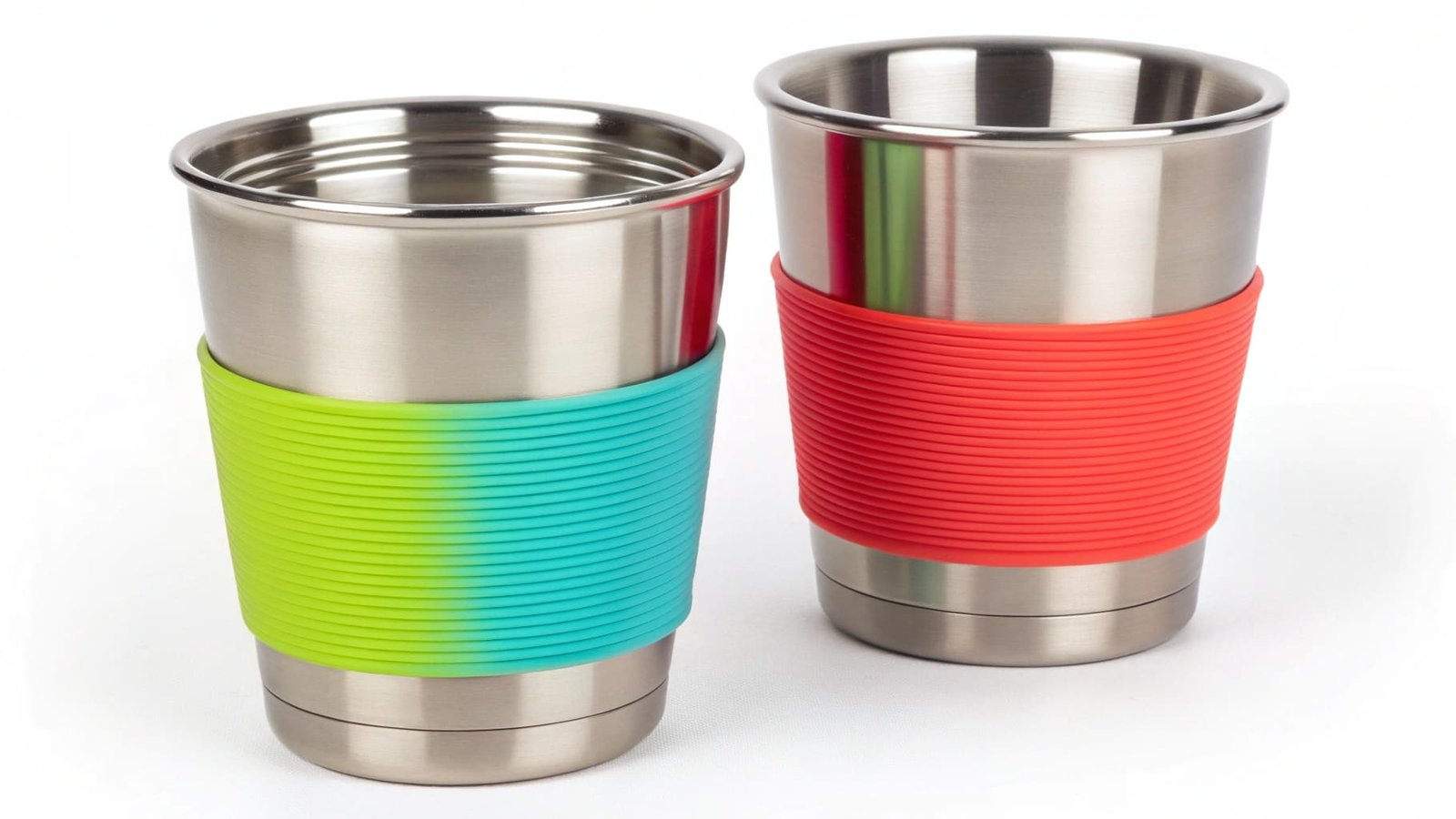
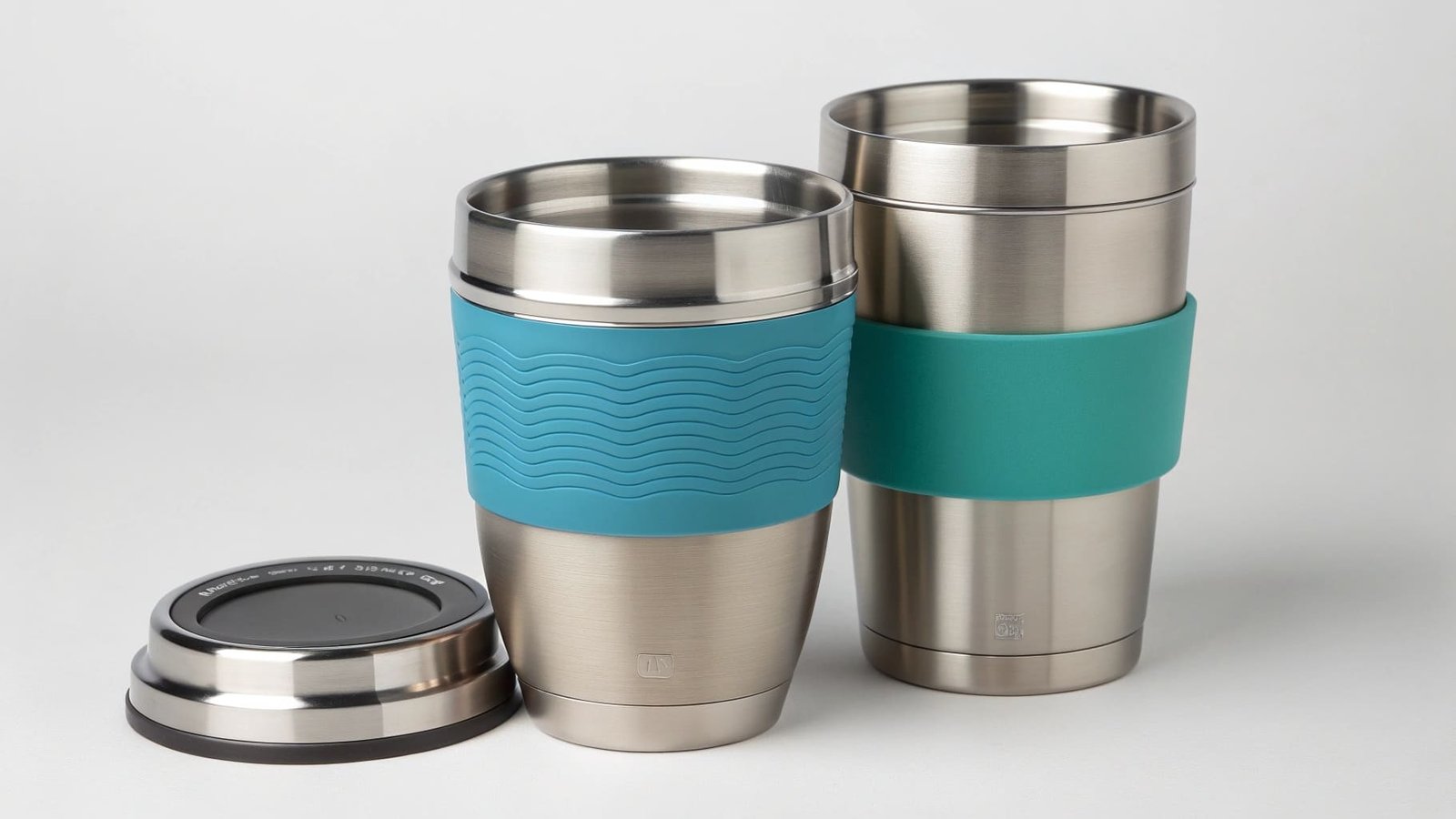
Sourcing silicone sleeves for travel mugs in bulk starts with understanding the material itself. Reliable suppliers use either Liquid Silicone Rubber or solid silicone rubber. LSR is better for travel mug sleeves. It gives you flexibility, heat resistance, and clean production. Once you know this, you can ask better questions and filter out weak suppliers fast.
I have spent years working with distributors across North America and Europe. The ones who get burned are almost always the ones who skip the basics. They place a big order, get a bad batch, and miss their peak season. I do not want that to happen to you. So let me walk you through what you actually need to know before you place a single bulk order.
What Is the Main Source of Silicone?
Many distributors have no idea where silicone actually comes from. That gap in knowledge costs them money. It makes them easy targets for supplier price games.
Silicone comes from silica. Silica is one of the most common materials on Earth.1 It is found in quartz sand and quartzite rock. Because silica is so widely available, the raw material price for silicone stays relatively stable.2 That is good news for you as a distributor planning large-volume orders.
Understanding where silicone comes from gives you real leverage. When a supplier suddenly raises prices and blames "raw material shortages," you will know whether that claim holds up.
Here is why the source of silicone matters for your buying decisions:
Does the abundance of silica mean prices are always stable?
Not always. The raw material is abundant, but the processing steps add cost. Mining, refining, and converting silica into usable silicone polymer takes energy, equipment, and skilled workers. Global energy prices and shipping costs affect the final price more than the silica itself.3
How does silica availability affect your supply chain?
Because silica is found in many countries, including China, the supply chain for silicone raw materials is generally reliable.4 This means a quality supplier in China should not have an excuse for long raw material delays. If they tell you they are waiting months for raw material, that is a red flag.
| Factor | Impact on Distributor |
|---|---|
| Silica is globally abundant | Stable long-term raw material pricing |
| Processing adds cost | Price varies by supplier capability |
| China has strong silica supply | Reliable sourcing from Chinese suppliers |
| Energy prices affect processing | Short-term price swings are possible |
Knowing this, I always tell distributors to ask their suppliers for a material sourcing overview. A confident, capable supplier will answer clearly. A weak one will avoid the question.
Is Silicone Easy to Manufacture?
A lot of people assume silicone is simple to make because the base material is cheap. That assumption leads to choosing the wrong supplier. It leads to quality failures.
Silicone is not easy to manufacture. The base material is simple. The process is not. Turning raw silica into a finished silicone sleeve for a travel mug takes multiple controlled steps.5 Each step can introduce defects if the supplier lacks proper equipment or experience.
I have seen distributors receive sleeves that smelled like chemicals, cracked after a few weeks of use, or had uneven wall thickness throughout the batch. All of those problems trace back to poor manufacturing control.
Here is what the production process actually involves:
What makes silicone manufacturing difficult?
The core challenge is control. Silicone goes through polymerization, compounding, molding, and vulcanization.6 Each step requires precise temperature, timing, and pressure. If any variable is off, the final product fails.
Vulcanization is the step that gives silicone its final strength and flexibility. If the curing temperature is too low or the time is too short, the sleeve will feel soft but tear easily. If the temperature is too high, the silicone discolors or becomes brittle.
What should you look for in a supplier's manufacturing capability?
This is the question most distributors do not ask. They ask about price and lead time. They skip the part about whether the factory can actually make a consistent product.
| Manufacturing Step | What Can Go Wrong | What to Ask the Supplier |
|---|---|---|
| Polymerization | Wrong molecular weight, poor elasticity | Do you use in-house compounding or buy pre-mixed material? |
| Molding | Uneven thickness, surface defects | What molding process do you use? LSR injection or compression? |
| Vulcanization | Under-cured or over-cured product | What are your curing temperature and time parameters? |
| Quality inspection | Defective units pass through | Do you do 100% inspection or sampling? |
I always request a factory audit report or at least a video walkthrough of the production floor. A supplier who refuses to show you their process is a supplier you should not trust with a bulk order.
What Is the Raw Material for Silicone?
Most distributors hear "silicone" and treat it as one single material. It is not. The type of silicone raw material used directly affects the performance of your sleeve. Getting this wrong means your customers return products or stop buying.
The two main forms of silicone raw material are Liquid Silicone Rubber, known as LSR, and solid silicone rubber, also called HTV or high-temperature vulcanization rubber. They behave differently. They are processed differently. And they produce different results in the finished sleeve.
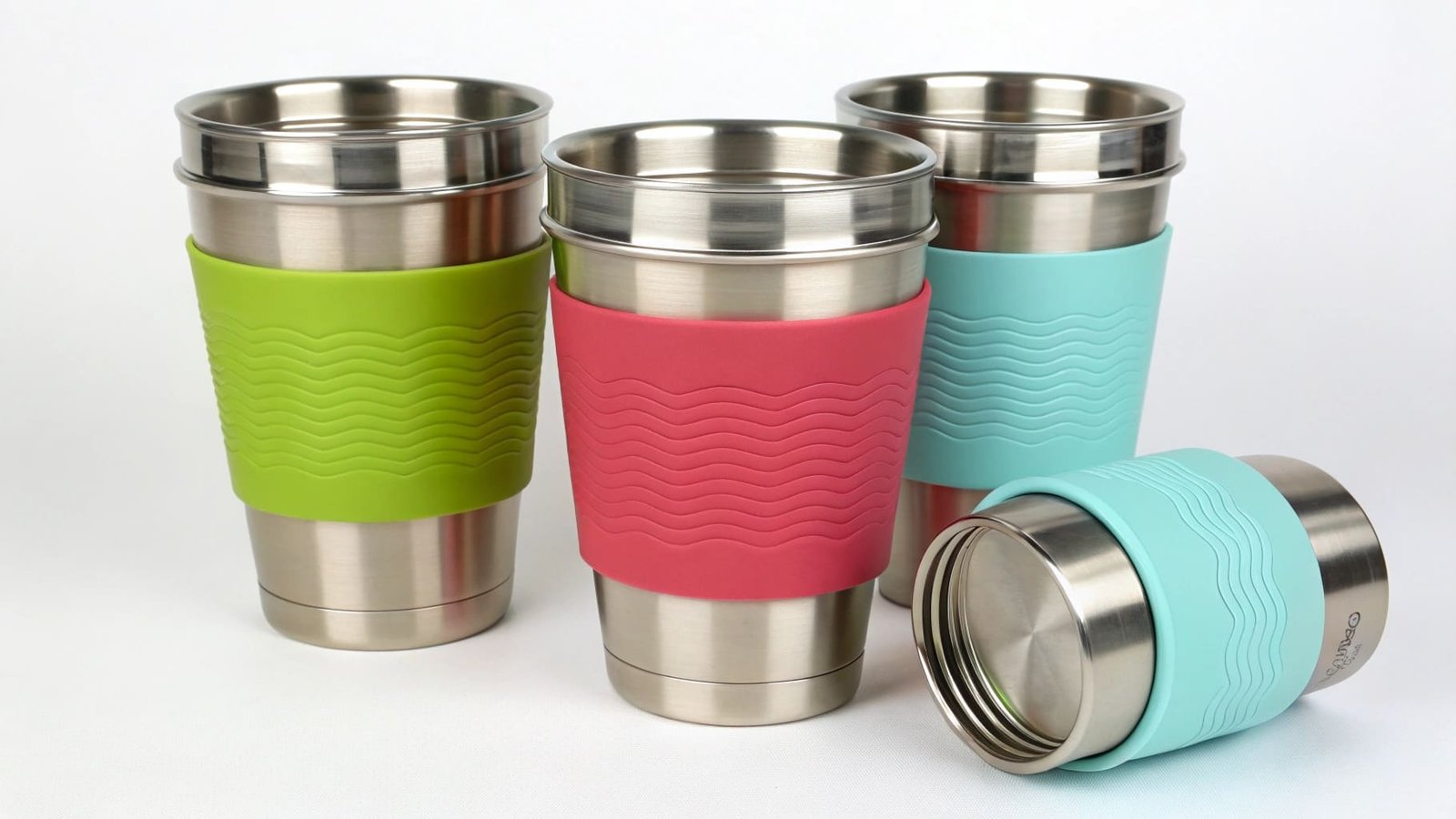
When I source silicone sleeves for travel mugs, I specify LSR. There is a clear reason for that. And if you are distributing into markets where quality expectations are high, you should know the reason too.
What is LSR and why does it matter for travel mug sleeves?
LSR is a two-part platinum-cured silicone that is injected into a mold under heat and pressure.7 It cures fast, produces very consistent parts, and has almost no waste. The result is a sleeve that is soft, flexible, and extremely clean. LSR meets strict food-contact safety standards, which matters if your customers are using these sleeves on mugs they drink from every day.
Solid silicone rubber is older technology. It is still used widely, but it requires longer curing times and is harder to control at high volumes. For simple shapes and non-critical applications, it works. For travel mug sleeves where consistency and safety matter, LSR is the better choice.
How do you use this knowledge when talking to suppliers?
This is where your technical knowledge becomes a business tool. When you ask a supplier, "Do you use LSR or HTV for your mug sleeves?" you immediately learn two things. First, you learn what their production setup actually is. Second, you learn whether they are willing to be transparent with you.
| Raw Material Type | Process | Best For | Watch Out For |
|---|---|---|---|
| LSR (Liquid Silicone Rubber) | Injection molding, platinum cure | Travel mug sleeves, food-contact products | Higher tooling cost upfront |
| HTV / Solid Silicone | Compression molding, peroxide cure | Simple shapes, low-precision parts | Longer curing time, less consistency |
| Blended / Unknown | Varies | Unclear | Supplier may not disclose details |
I have dealt with suppliers who claimed to use LSR but were actually using a blended material with fillers added to cut costs. The sleeves passed a quick visual check but failed after heat cycling tests. Always ask for the material data sheet and food-grade certification before you approve any sample.
Conclusion
Sourcing silicone sleeves in bulk is not just about price. It is about knowing the material, the process, and the supplier well enough to make a smart decision every time.
-
"[PDF] THE COMPOSITION OF- THE EARTH'S CRUST", https://pubs.usgs.gov/pp/0127/report.pdf. Geological references identify silicon dioxide and silica-bearing minerals as among the most abundant constituents of Earth's crust, supporting the article's statement about silica's wide availability. Evidence role: general_support; source type: government. Supports: A geological source should support that silica, especially in quartz and silicate minerals, is widespread in Earth's crust.. ↩
-
"Commodity Statistics and Information | U.S. Geological Survey - USGS", https://www.usgs.gov/centers/national-minerals-information-center/commodity-statistics-and-information. Commodity data on industrial silica indicate broad availability and diversified supply, which provides contextual support for the claim that silica scarcity is not the main driver of silicone raw-material price volatility. Evidence role: general_support; source type: government. Supports: A commodity report should show that silica or industrial sand is widely supplied and not typically constrained by geological scarcity.. Scope note: This would support the market context for silica, not directly prove price stability for all silicone intermediates. ↩
-
"Manufacturing Energy Consumption Survey (MECS) - EIA", https://www.eia.gov/consumption/manufacturing/briefs/chemical/index.php. Institutional analyses of chemical manufacturing costs identify energy inputs and logistics as significant contributors to delivered polymer costs, providing contextual support for the article's pricing explanation. Evidence role: general_support; source type: institution. Supports: An industry or institutional report should support that energy-intensive processing and logistics materially affect chemical and polymer production costs.. Scope note: Such evidence may address polymer manufacturing broadly rather than quantifying silicone sleeve costs specifically. ↩
-
"Silica Statistics and Information | U.S. Geological Survey - USGS", https://www.usgs.gov/centers/national-minerals-information-center/silica-statistics-and-information. Government mineral commodity data document production of silica-related materials across multiple countries, including China, supporting the article's premise that silica supply is geographically diversified. Evidence role: general_support; source type: government. Supports: A mineral commodity source should show that silica sand or silicon-related raw materials are produced in multiple countries, including China.. Scope note: Geographic mineral availability does not by itself prove uninterrupted silicone-polymer supply or supplier-specific reliability. ↩
-
"Silicone rubber - Wikipedia", https://en.wikipedia.org/wiki/Silicone_rubber. Polymer-processing references describe silicone elastomer manufacture as a sequence of synthesis, compounding, forming, and curing operations, supporting the article's characterization of the process as multi-step and controlled. Evidence role: mechanism; source type: research. Supports: A polymer processing source should describe silicone production and fabrication as involving synthesis, compounding, molding, and curing steps.. Scope note: The source may describe silicone elastomers generally rather than travel-mug sleeves specifically. ↩
-
"Specialty Rubber Polymers for Compounding - HM Royal", https://hmroyal.com/rubber-polymers/. Materials-engineering sources identify polymer synthesis, formulation or compounding, molding, and curing as central stages in silicone rubber production, supporting the process sequence described in the article. Evidence role: mechanism; source type: paper. Supports: A technical paper or handbook should describe the standard processing stages for silicone elastomers.. ↩
-
"Injection molding of liquid silicone rubber - Wikipedia", https://en.wikipedia.org/wiki/Injection_molding_of_liquid_silicone_rubber. Technical references define liquid silicone rubber as a two-component, platinum-catalyzed elastomer system that is commonly injection molded in heated tooling, supporting the article's description of LSR processing. Evidence role: definition; source type: research. Supports: A technical reference should define LSR as a two-component, platinum-catalyzed silicone elastomer used in heated injection molds.. ↩