Which Push-Pull Bladder Valve Suits European Outdoor Equipment Standards?
You source the wrong valve for a European buyer, and the deal falls apart at the certification stage. That one mistake costs you weeks and damages your reputation.
A push-pull bladder valve suits European outdoor equipment standards when it is made from medical-grade silicone, meets EU 10/2011 and LFGB compliance, and includes a positive shut-off mechanism that prevents contamination during storage. These three factors are what European buyers check first.
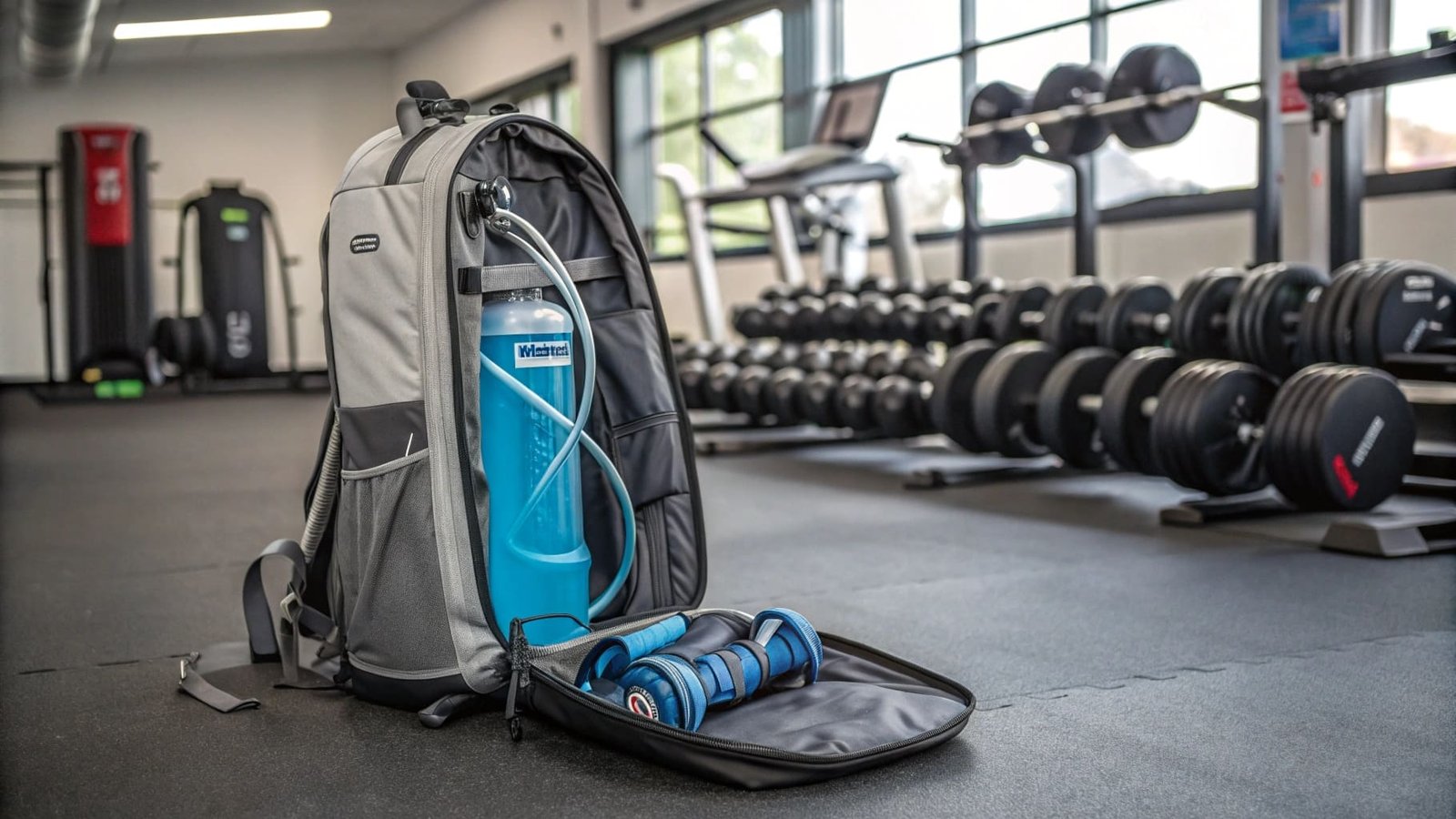
European outdoor brands are not forgiving on valve specifications. I have worked with buyers from Germany and Scandinavia, and the pattern is always the same. They ask for documentation before they ask for pricing. If you cannot match their standard from the first conversation, they move on. The following sections break down exactly what you need to know before you approach that conversation.
What Is a Push-Pull Valve?
Most suppliers describe the mechanism correctly but use the wrong words when talking to European buyers. That gap in terminology costs you credibility immediately.
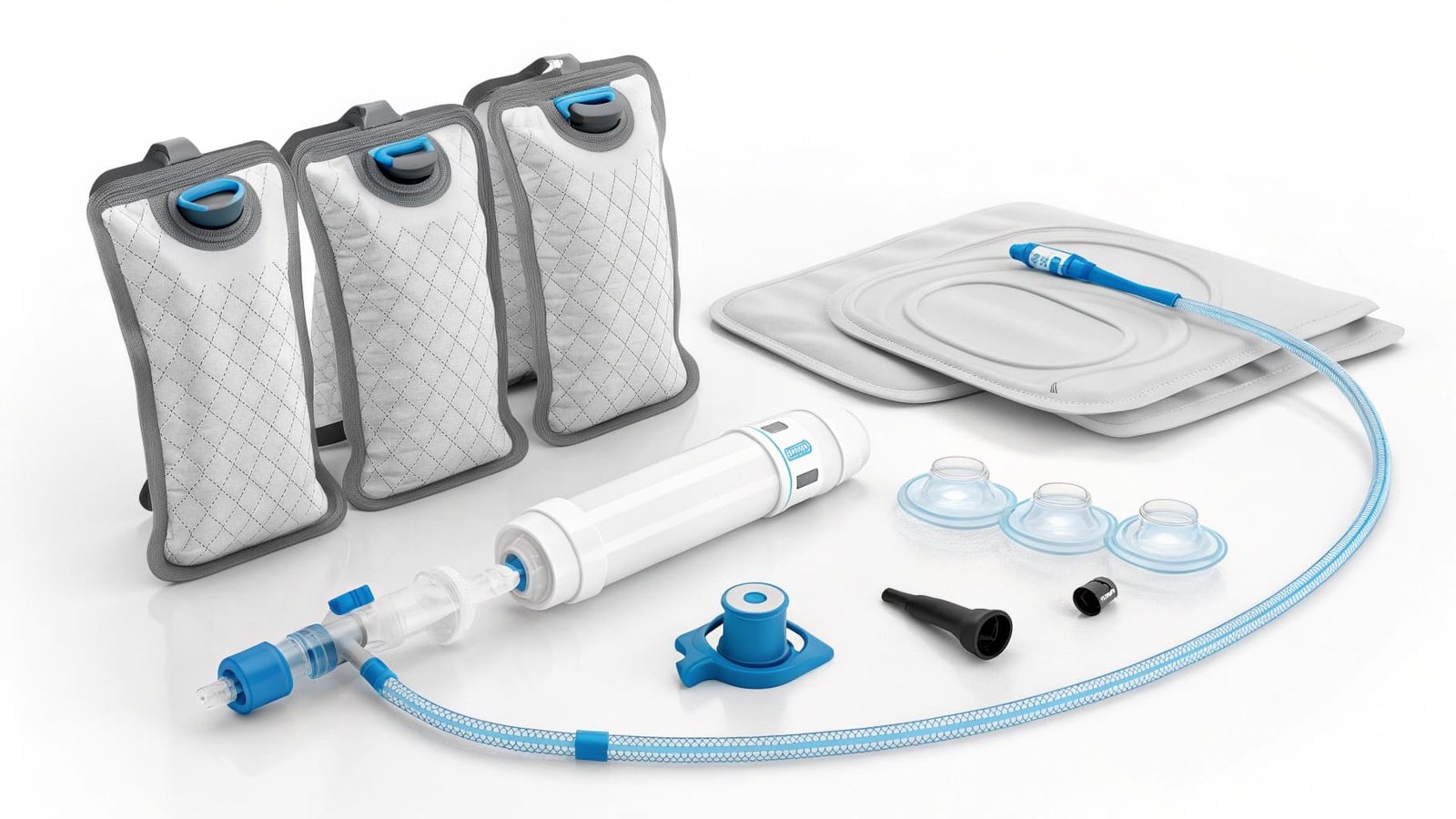
A push-pull valve is a self-sealing mouthpiece mechanism. The user pulls the tip open to drink and pushes it closed to stop the flow. No biting is needed. The valve stays sealed on its own when closed, which prevents leaks and contamination during transport and storage.
How the Push-Pull Mechanism Works in Practice
The push-pull design is built around one simple idea: the valve should be closed by default. This is different from a traditional bite valve, which only closes when the user applies jaw pressure. A push-pull valve uses either a spring tension system or the material memory of silicone to return to the closed position automatically1.
I have tested several versions of this design with buyers who run outdoor gear brands in Europe. The feedback is consistent. One-handed operation matters most to end users. A hiker carrying trekking poles cannot stop to use both hands on a valve. The push-pull design solves this directly.
The table below shows the key differences between push-pull valves and bite valves across the factors European buyers care about most.
| Feature | Push-Pull Valve | Bite Valve |
|---|---|---|
| Closure Method | Automatic (material memory or spring) | Requires jaw pressure |
| Contamination Risk | Low (positive shut-off) | Higher (open when not in use) |
| User Fatigue | Low | Higher on long treks |
| One-Handed Use | Yes | No |
| EU Food Contact Compliance | Easier to certify | Depends on material |
The push-pull valve became the dominant design in European hydration systems because it directly addresses the hygiene concern. Under EU food contact regulations, any material that touches drinking water must not change the taste, odor, or chemical composition of that water. A valve that stays sealed reduces the surface area exposed to outside air and contamination2, which makes compliance simpler and more reliable.
What Is the Bladder Valve Called?
The naming confusion around this product type loses B2B buyers before the technical conversation even starts. Using the right term sets you apart immediately.
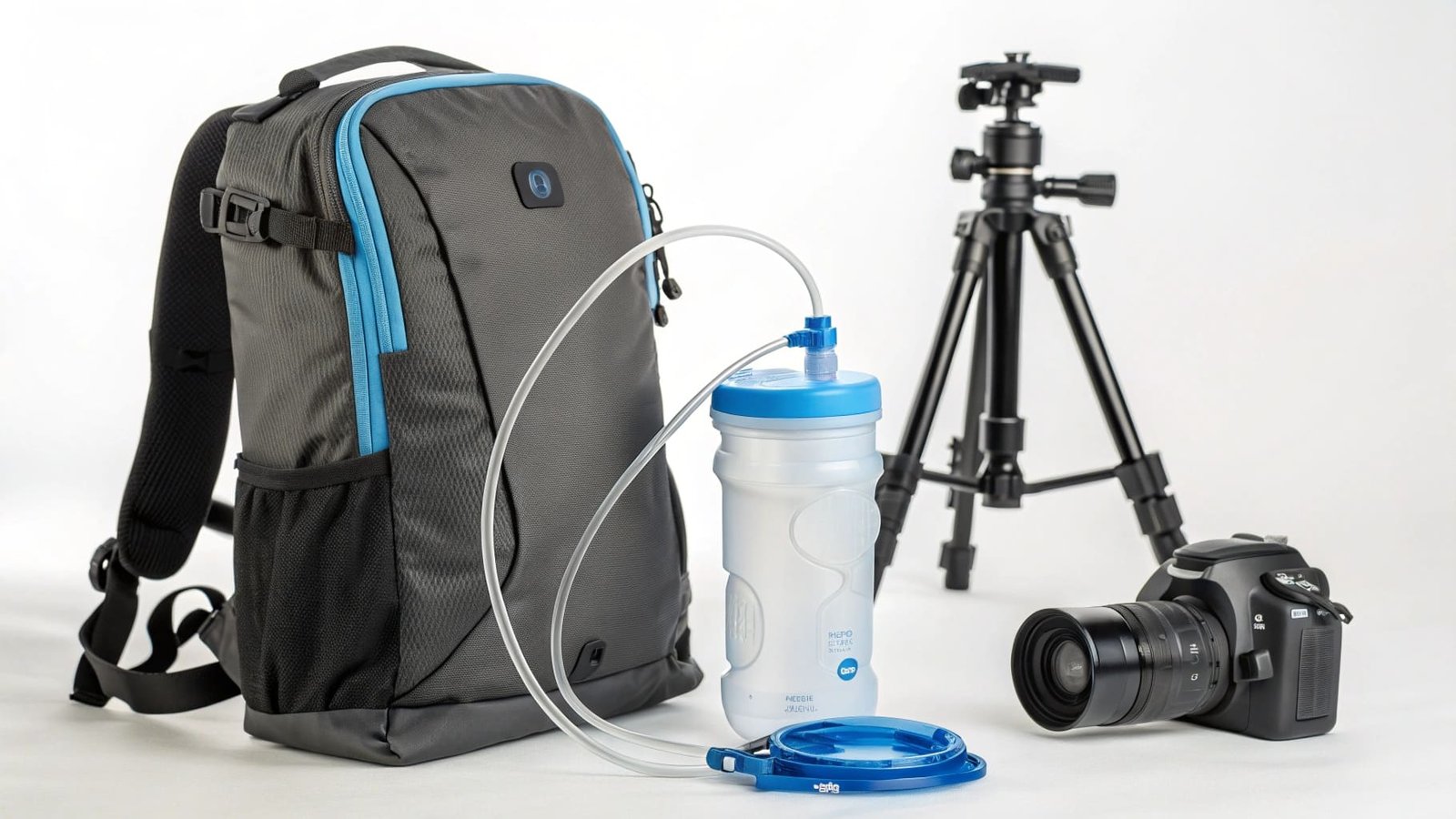
The bladder valve in a hydration pack is most accurately called a push-pull bite valve or a self-sealing hydration valve. The generic term "bladder valve" covers the whole connector category. When you specify the mechanism, European buyers understand exactly what they are getting.
Terminology That European Buyers Recognize
I have had buyers come to me using three or four different names for the same product. That confusion slows down the sourcing process and sometimes kills a deal entirely. Knowing which terms are standard in the European market helps you communicate clearly from the first email.
The table below maps common product terms to their accepted equivalents in European B2B sourcing conversations.
| Common Term | European Market Term | What It Describes |
|---|---|---|
| Bladder valve | Hydration valve | General connector at the drinking end |
| Bite valve | Self-closing bite valve | Opens under jaw pressure only |
| Push-pull valve | Push-pull bite valve | Opens and closes by hand, self-sealing |
| Mouthpiece | Drinking mouthpiece | The part that contacts the user's mouth |
The term "self-sealing hydration valve" is particularly useful when speaking to procurement officers who are not familiar with the technical side of the product. It describes the function directly without requiring the buyer to already know the mechanism. I use this term when I am communicating with buyers who understand distribution well but have limited product knowledge.
Certification documentation should also reflect the correct terminology. A certificate that lists "bite valve" may not satisfy a buyer who specified a "push-pull valve" in their purchase order. This is a small detail, but it matters in markets like Germany where documentation accuracy is taken seriously.
How Does a Bladder Valve Work?
A valve that fails during a long hike is not just a product complaint. For your buyer, it is a warranty claim, a return, and a reason not to reorder from you.
A bladder valve works by controlling water flow through an internal channel3. In a push-pull design, moving the mouthpiece forward or backward opens or closes that channel. When closed, the valve creates a watertight seal through silicone compression or a mechanical gate inside the housing.
The Internal Mechanics Behind the Seal
The working principle of a push-pull bladder valve is straightforward, but the quality of execution determines whether it passes European standards. The valve body is typically made from food-grade or medical-grade silicone. When the user pulls the mouthpiece, an internal channel aligns and allows water to pass through. When the mouthpiece is pushed back, the channel closes and the silicone walls compress against each other to form the seal.
There are two ways this seal is achieved. The first is through material memory, where the silicone naturally returns to a compressed, sealed shape after the pull force is released. The second is through a small internal spring that pushes the mouthpiece back to the closed position. Spring-based valves offer more consistent closure force4 but add a small assembly cost. Material-memory valves are simpler and easier to clean because they have fewer parts.
The table below compares the two sealing methods across practical performance criteria.
| Criteria | Material Memory Seal | Spring-Assisted Seal |
|---|---|---|
| Closure Consistency | Good under normal use | High across all temperatures |
| Cold Weather Performance | Can stiffen in extreme cold | More reliable below 0°C |
| Cleaning Ease | Easy, fewer parts | Requires spring removal |
| Cost | Lower | Slightly higher |
| Common Use Case | General outdoor use | Alpine and Nordic markets |
European outdoor brands targeting cold-weather users, particularly in the Nordic region and Alpine markets, tend to prefer spring-assisted valves. Silicone can stiffen at very low temperatures5, which reduces the reliability of material-memory closure. I always recommend confirming the intended use environment with the buyer before finalizing the valve specification. A valve that works well in moderate climates may not perform consistently at minus fifteen degrees.
Disassembly is another factor that European buyers raise regularly. EU food safety thinking puts a high value on the ability to clean products thoroughly. A valve that cannot be taken apart for cleaning will not be accepted by buyers who distribute to hygiene-conscious retail markets. Both the spring and mouthpiece components should be removable without tools.
Conclusion
Match the valve mechanism to EU standards, use the right terminology with buyers, and confirm performance under your buyer's specific use conditions before you finalize any specification.
-
"Tensile elastic recovery of elastomeric impression materials - PubMed", https://pubmed.ncbi.nlm.nih.gov/18589071/. Engineering literature on spring-return mechanisms and materials research on silicone elastomers show that restoring force can be supplied either by a mechanical spring or by elastic recovery of the elastomer, providing contextual support for the article's explanation of automatic valve closure. Evidence role: mechanism; source type: research. Supports: Springs can provide restoring force in valves, and silicone elastomers can recover shape after deformation.. Scope note: The sources would support the underlying mechanisms, not necessarily the internal design of a particular hydration-valve model. ↩
-
"Following the Water: A Controlled Study of Drinking Water Storage ...", https://pmc.ncbi.nlm.nih.gov/articles/PMC2592274/. WHO and CDC guidance on safe household water storage identifies covered or closed containers as a means of reducing recontamination after treatment, providing contextual support for the claim that a sealed drinking valve limits environmental exposure. Evidence role: mechanism; source type: institution. Supports: Public-health guidance on safe water storage recognizes that covered or closed containers reduce opportunities for recontamination.. Scope note: The evidence concerns water-storage hygiene generally and does not directly measure contamination rates on hydration-pack push-pull valves. ↩
-
"Valve - Wikipedia", https://en.wikipedia.org/wiki/Valve. General engineering references define a valve as a device that controls fluid flow by opening, closing, or partially obstructing a passage, supporting the article's description of a bladder valve as controlling water flow through an internal channel. Evidence role: definition; source type: encyclopedia. Supports: Valves are devices that regulate, direct, or control fluid flow by opening, closing, or obstructing passageways.. ↩
-
"Hooke's law - Wikipedia", https://en.wikipedia.org/wiki/Hooke%27s_law. Educational engineering sources on Hooke's law explain that a spring's restoring force is related predictably to displacement within its elastic range, providing contextual support for the claim that a spring-assisted valve can deliver consistent closure force. Evidence role: mechanism; source type: education. Supports: Mechanical springs provide a predictable restoring force over a defined displacement range, which can support consistent closure in a valve design.. Scope note: This supports the mechanical principle, but it does not prove that spring-based hydration valves outperform material-memory valves in field testing. ↩
-
"Research on the Influence of Extremely Cold Environment on ... - PMC", https://pmc.ncbi.nlm.nih.gov/articles/PMC9100387/. Materials-science studies of silicone elastomers report temperature-dependent mechanical behavior, including reduced flexibility or increased stiffness as temperature decreases, supporting the article's concern that very low temperatures can affect silicone-based valve closure. Evidence role: mechanism; source type: paper. Supports: Silicone elastomers exhibit temperature-dependent mechanical properties, including changes in stiffness and flexibility at low temperatures.. Scope note: The degree of stiffening depends on the silicone formulation and test conditions, so the source would not establish a universal failure temperature for all hydration valves. ↩