What Are Mug Cup Covers Used for in Hotel Supply Chain Procurement?
If you manage hotel procurement, you already know that small items create big headaches. Cup lids are one of them. Most buyers ignore them until the complaints start piling up.
Mug cup covers keep beverages at the right temperature, prevent spills, and protect guests from burns.1 In hotel procurement, they also carry hidden costs tied to material choice, waste disposal, and supplier compliance. Getting this decision wrong affects both your budget and your brand.
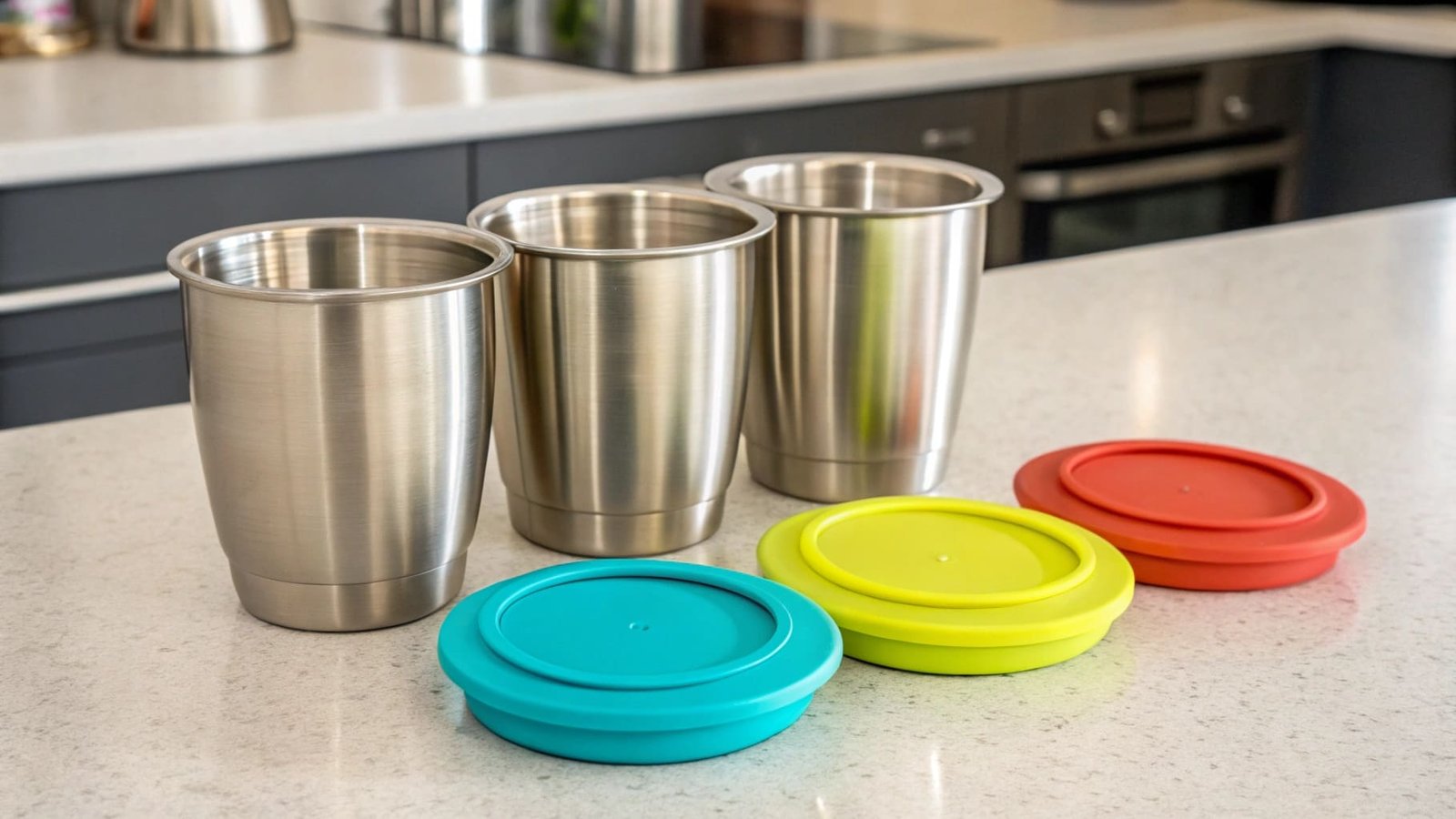
I have spent years working with hotel procurement teams across North America and Europe. One thing I keep seeing is this: buyers spend hours negotiating the price per unit on cup lids, but almost nobody asks what the lid is actually made of. That question matters far more than most people realize. The material determines how the lid performs, how it ages, and what happens to it after a guest throws it away.2 I want to walk you through the three questions I hear most often, and give you clear answers that you can actually use.
What Type of Plastic Is a Coffee Cup Lid?
You pick up a coffee cup lid at a hotel breakfast counter. It feels light. It snaps on cleanly. But do you know what it is made of?
Most coffee cup lids are made from polypropylene, which is also written as PP.3 Some cheaper lids use polystyrene, written as PS. PP lids handle heat better and last longer. PS lids cost less but crack more easily and perform poorly with hot drinks.
How Do PP and PS Actually Differ in a Hotel Setting?
The difference between PP and PS shows up fast in a high-volume hotel operation. Let me break this down so it is easy to compare.
| Feature | Polypropylene (PP) | Polystyrene (PS) |
|---|---|---|
| Heat resistance | High | Low to medium |
| Durability | Strong | Brittle |
| Cost per unit | Slightly higher | Lower |
| Risk of cracking | Low | Higher |
| Safe for hot drinks | Yes | Not always |
| Guest complaints | Fewer | More frequent |
PP is the standard choice for hot beverages in hospitality. It holds its shape under heat and does not release harmful compounds the way PS can when exposed to high temperatures. PS lids are sometimes used for cold drinks, but even then, many procurement teams are moving away from them.
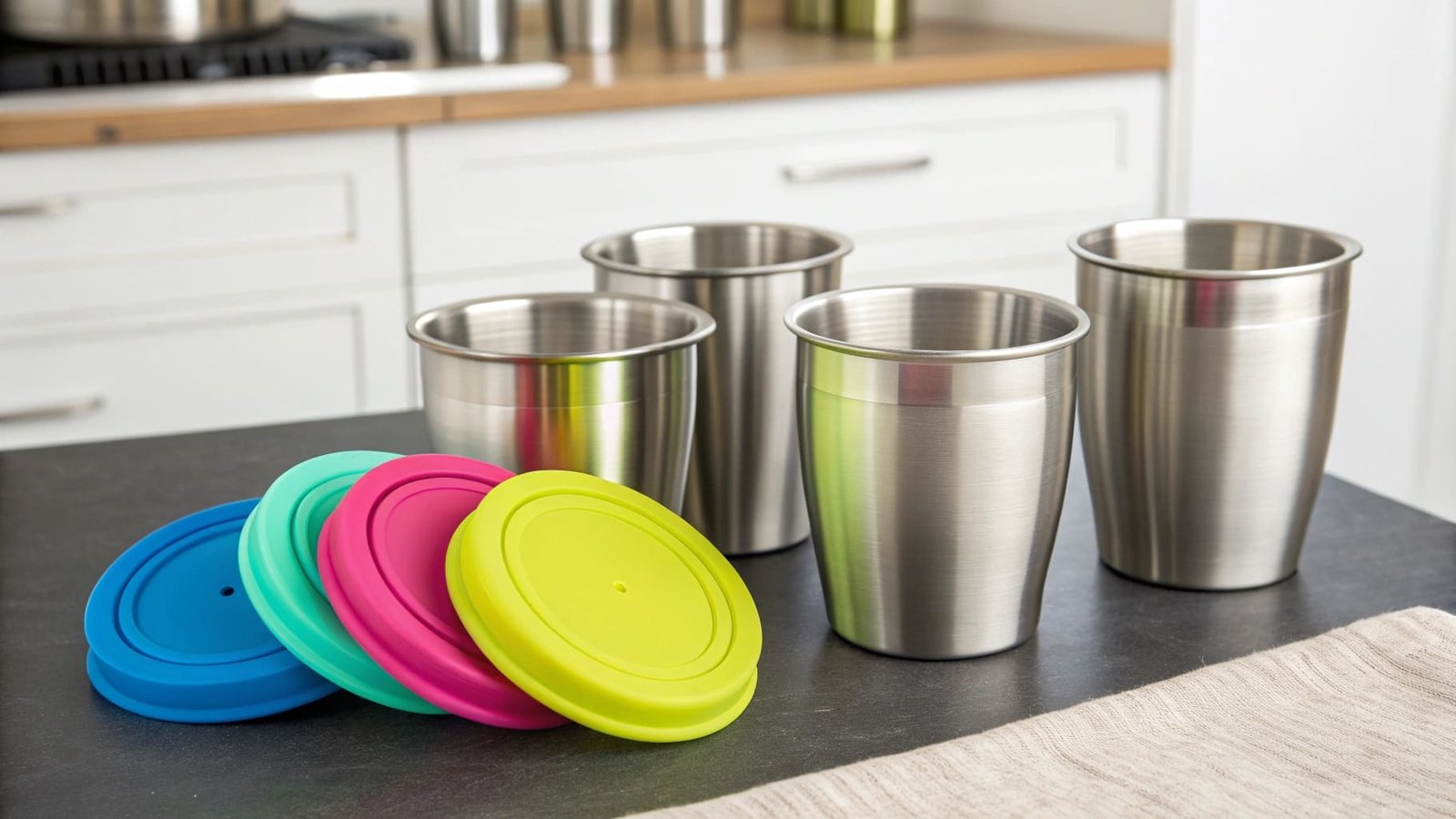
There is also a third option that many hotel buyers are now looking at seriously: food-grade silicone lids. Silicone is not a plastic at all. It is a rubber-like material made from silicon and oxygen.4 It handles both hot and cold drinks, it does not degrade over time, and it survives commercial dishwashing cycles without losing its shape or seal. For hotels that serve hundreds of beverages per day, this matters. A silicone lid that lasts two years costs far less per use than a plastic lid that goes in the bin after one use. I will come back to this when we talk about where lids actually end up.
Can Coffee Cup Lids Be Recycled?
Most people assume that if a recycling symbol is printed on the lid, the lid gets recycled. That assumption is wrong in most cases.
Technically, PP lids can be recycled. But most municipal recycling systems cannot process them.5 The lids are too small and too light. They fall through sorting machines. They also carry beverage residue, which contaminates the recycling stream.6
Why Does Recycling Fail for Cup Lids in Practice?
This is where procurement decisions meet real-world outcomes. A recycling symbol gives buyers and guests a false sense of security. Here is what actually happens at the facility level.
| Recycling Barrier | Why It Matters |
|---|---|
| Size of the item | Small lids fall through sorting equipment |
| Weight of the item | Lightweight plastics are hard to capture and sort |
| Contamination from liquids | Residue makes lids unacceptable in most streams |
| Local policy variation | Many cities do not accept small plastics at all |
| Color and additive content | Dark or mixed-material lids are harder to process |
Hotel procurement officers often operate under the assumption that choosing a recyclable material closes the loop. It does not. The gap between "technically recyclable" and "actually recycled" is enormous. In most cities across North America and Europe, coffee cup lids end up in general waste even when guests try to recycle them.
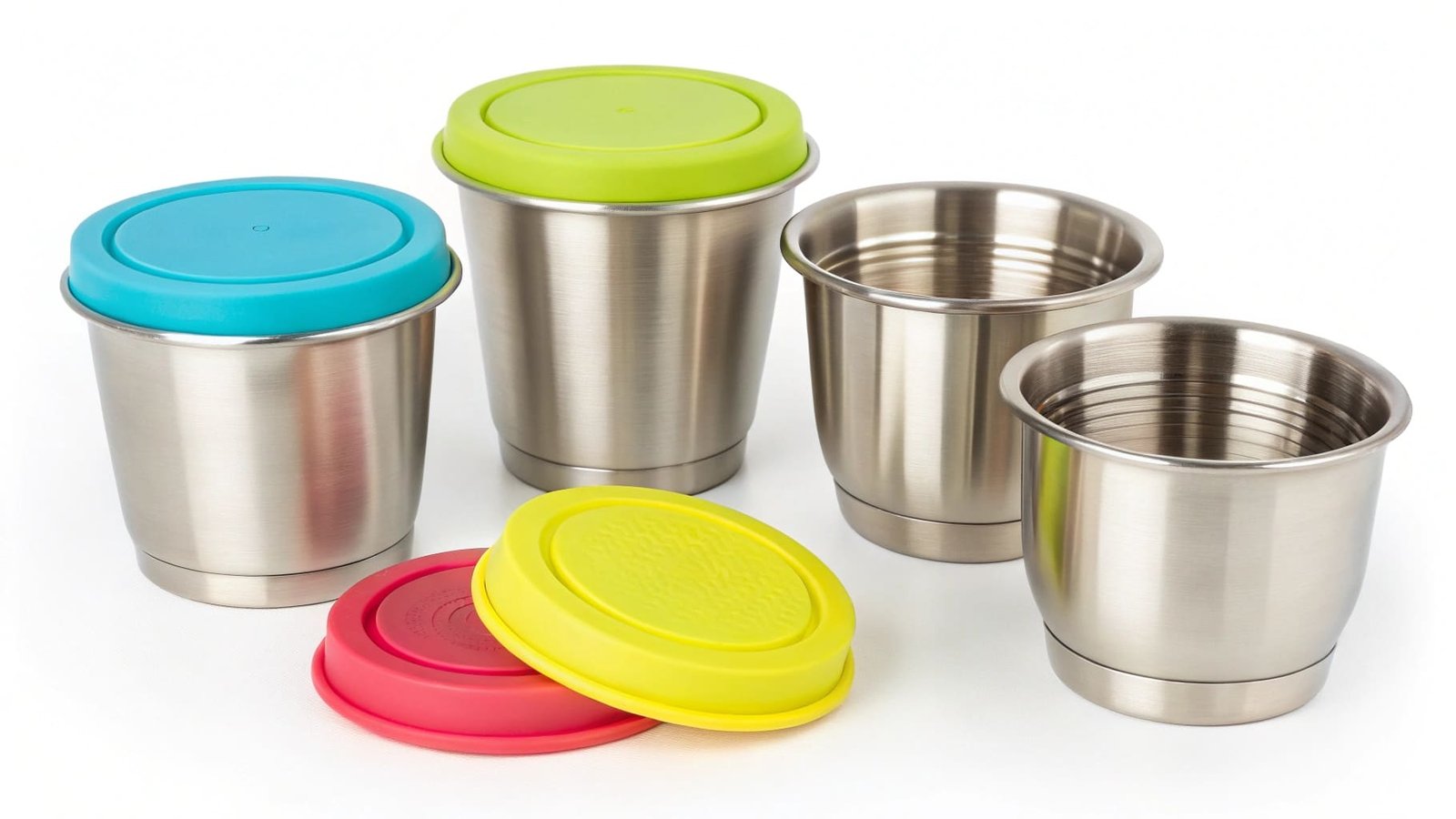
This is not a reason to give up on sustainability. It is a reason to rethink the material from the start. A reusable silicone lid skips this entire problem. It never enters the recycling stream because it does not need to. It gets washed, reused, and washed again.
I spoke to a procurement officer at a mid-size hotel chain last year. He told me that after switching to reusable silicone lids in their in-room coffee service, they cut their lid-related waste by over 90% within six months. The initial cost per unit was higher. The total cost over twelve months was lower.
Where Do Coffee Cup Lids Go?
This is the question most buyers do not ask. They focus on cost per unit and delivery time. But where a lid goes after use is part of the total cost of that lid.
Most disposable coffee cup lids end up in landfills. A smaller share ends up as litter. Very few are successfully recycled. This is the current reality for hotels that use single-use plastic lids at scale.
What Does This Mean for Hotel Procurement Strategy?
When you run a hotel that serves thousands of beverages per day, lid waste adds up fast. Let me put this into a practical frame.
| Hotel Size | Daily Beverage Services | Annual Lids Used | Estimated Landfill Contribution |
|---|---|---|---|
| Small (under 100 rooms) | 200–400 | 70,000–150,000 | Nearly all |
| Medium (100–300 rooms) | 400–900 | 150,000–330,000 | Nearly all |
| Large (over 300 rooms) | 900–2,000+ | 330,000–700,000+ | Nearly all |
These numbers represent real waste. They also represent a real cost that shows up in waste disposal fees, sustainability reporting, and guest perception.
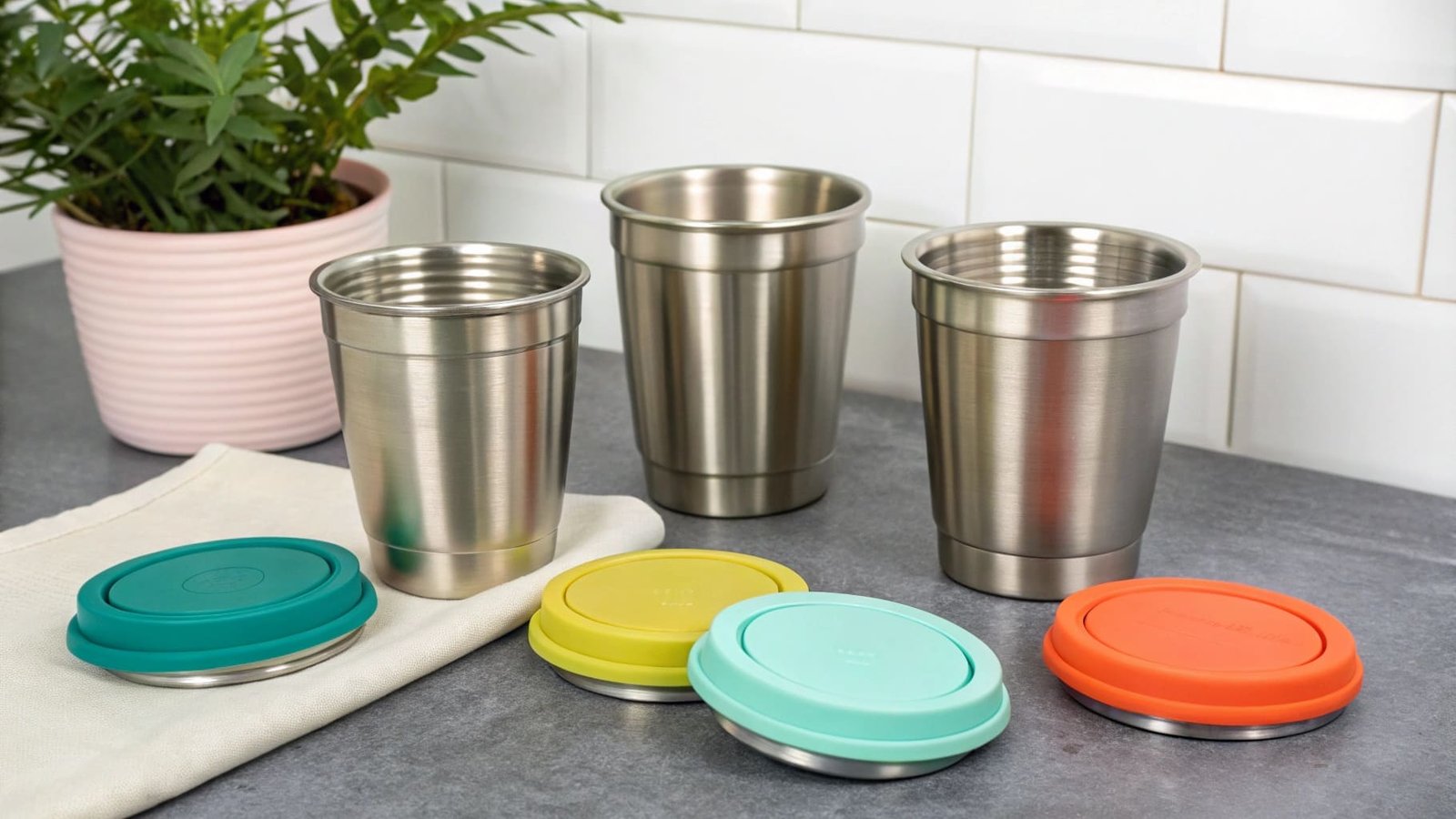
Progressive hotel chains are already making the shift. They are replacing single-use plastic lids with food-grade silicone lids that can be washed and reused across hundreds of cycles. The reasons are practical, not just ethical.
Silicone lids survive commercial dishwashers. They maintain a tight seal. They do not absorb odors. They meet food safety standards in the US, EU, and Canadian markets. They can be produced with a hotel's logo or brand colors, which turns a functional item into a brand touchpoint.
From a supply chain perspective, a reusable silicone lid also simplifies ordering. Instead of placing monthly orders for tens of thousands of disposable lids, a procurement team orders a larger initial batch and then orders replacements on a much slower cycle. This reduces supplier coordination time, reduces freight frequency, and reduces the risk of a stockout during a peak season.
There is also a positioning benefit. Hotels that can show guests and corporate clients a concrete reduction in single-use plastic are better placed in an increasingly eco-aware market. Sustainability is no longer just a marketing word. For many corporate travel buyers and event planners, it is a procurement criterion.
Conclusion
Cup lid material affects cost, waste, and brand perception. Silicone lids outperform plastic across all three. Procurement teams that understand this gain a real operational and strategic edge.
-
"[PDF] Hot Food and Beverages Can Burn! - DSHS", https://www.dshs.wa.gov/sites/default/files/DDA/dda/documents/Caregiver%20Alert%20Template%20-%20Hot.pdf. A public health source on hot-liquid scalds and beverage-container safety supports the claim that secure cup covers can reduce spill exposure and associated burn risk, while evidence on temperature retention may require a separate materials or packaging study. Evidence role: general_support; source type: government. Supports: A public health or safety source should support that hot beverages can cause scald injuries and that secure lids reduce spill exposure.. Scope note: This would support the safety mechanism more directly than the full combined claim about temperature, spills, and burns. ↩
-
"Recent Advances in Polymer Recycling: A Review of Chemical and ...", https://pmc.ncbi.nlm.nih.gov/articles/PMC11902707/. Materials-science references explain that polymer composition influences thermal behavior, mechanical durability, aging, and recyclability, providing contextual support for treating lid material as a determinant of both use-phase performance and end-of-life handling. Evidence role: mechanism; source type: education. Supports: A university or materials-science source should explain that polymer composition influences heat resistance, durability, degradation, and recyclability.. Scope note: The source may discuss polymers generally rather than hotel-specific cup lids. ↩
-
"Release of microplastics from disposable cups in daily use", https://pubmed.ncbi.nlm.nih.gov/36089043/. Packaging and polymer references commonly identify polypropylene as a widely used resin for hot-drink cup lids because of its moldability and thermal properties. Evidence role: general_support; source type: research. Supports: A packaging research source should identify polypropylene as a commonly used material for hot drink cup lids.. Scope note: This would support common use but may not quantify 'most' across all markets. ↩
-
"Silicone - Wikipedia", https://en.wikipedia.org/wiki/Silicone. Chemical references define silicones as polymeric materials with silicon-oxygen backbones that can form rubber-like elastomers, supporting the distinction between silicone and conventional plastics. Evidence role: definition; source type: encyclopedia. Supports: An encyclopedia or chemistry reference should define silicones as polymers with silicon-oxygen backbones and rubber-like forms.. ↩
-
"[PDF] Recycling 101 - Hennepin County", https://www.hennepincounty.gov/-/media/hennepinus/residents/recycling/zero-waste-guide/recycling-101.pdf. Municipal recycling guidance commonly distinguishes resin recyclability from local acceptance and notes that small plastic lids may be excluded or poorly captured by sorting systems. Evidence role: general_support; source type: government. Supports: A government or municipal recycling source should explain that PP is recyclable in some systems but small plastic lids may be excluded or poorly captured.. Scope note: Acceptance varies by jurisdiction and facility, so the evidence is strongest when framed as a common limitation rather than a universal rule. ↩
-
"[PDF] Emerging Issues in Food Waste Management Plastic Contamination", https://www.epa.gov/system/files/documents/2021-08/emerging-issues-in-food-waste-management-plastic-contamination.pdf. Government recycling guidance identifies food and liquid residues as common contaminants that can reduce the quality and acceptability of recyclable materials. Evidence role: mechanism; source type: government. Supports: A government recycling source should state that food and liquid residues can contaminate recyclables and reduce processing quality.. Scope note: The source may address recyclables broadly rather than cup lids specifically. ↩