Which Anti-Slip Silicone Boot Works Best for 40oz Tumbler Bulk Production?
You found a silicone boot supplier. The price looks right. Then 10,000 units arrive, the boots peel, the grip fails, and your clients start calling.
The best anti-slip silicone boot for 40oz tumbler bulk production uses 100% food-grade, platinum-cured silicone with a shore hardness of 50–60A. It must meet ±0.2mm fitment tolerance and pass ISO 22196 antimicrobial testing to ensure grip consistency and hygiene performance at scale.
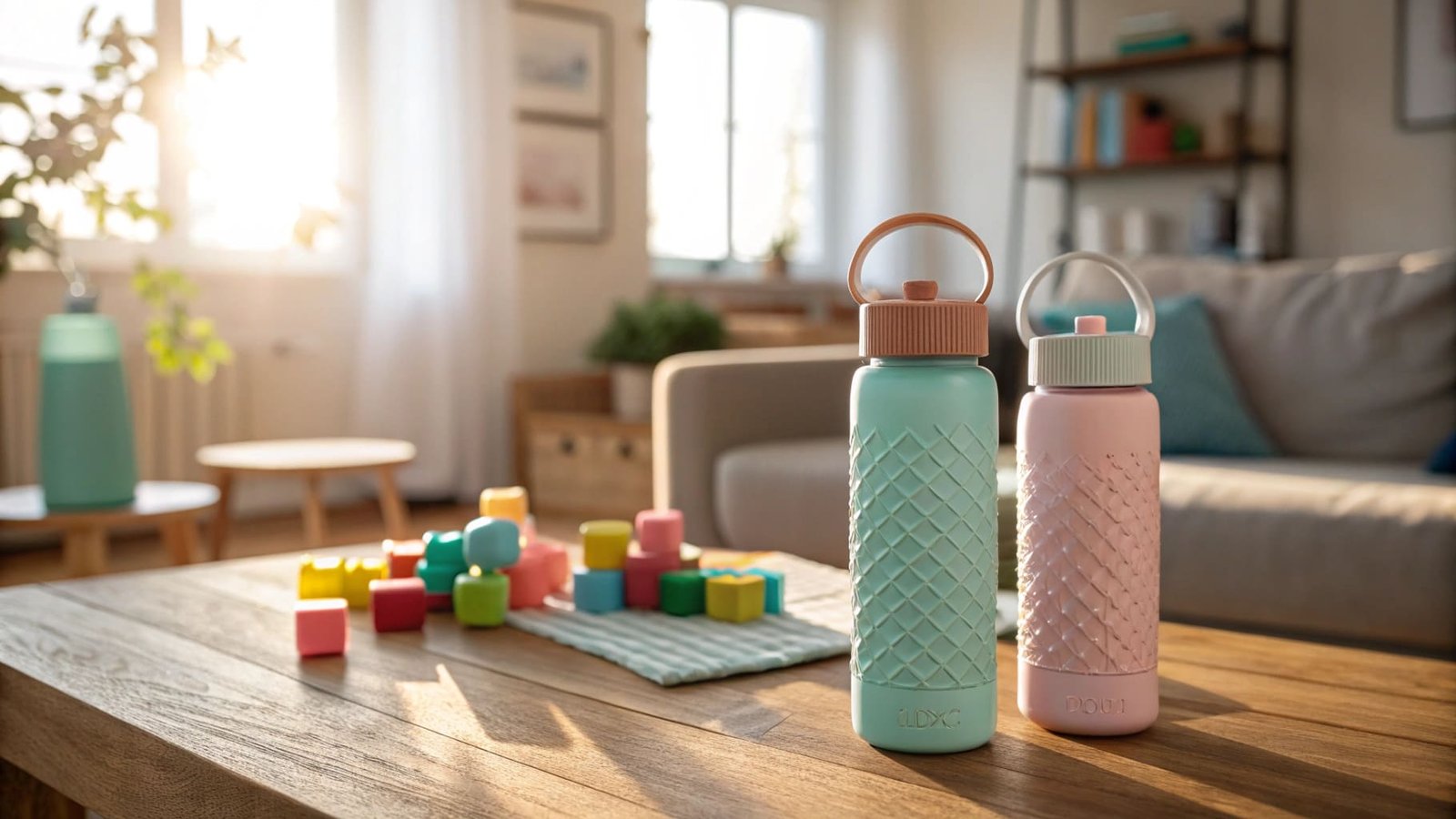
The 40oz tumbler market in North America is growing fast.1 Brands that get the protective accessories right keep customers. Brands that cut corners on silicone boots lose them. I've seen both outcomes. Let me walk you through what actually matters when you're buying in bulk.
What Is the Best Spill Proof Tumbler?
You search for the "best spill proof tumbler" and get a hundred different answers. But as a buyer sourcing accessories for these tumblers, you need to know what actually makes them work.
A spill proof tumbler works best when it has a tight lid seal, a stable base, and a non-slip boot2 that keeps it from sliding off surfaces. The boot is often ignored, but it plays a direct role in preventing spills caused by accidental knocks and tip-overs.
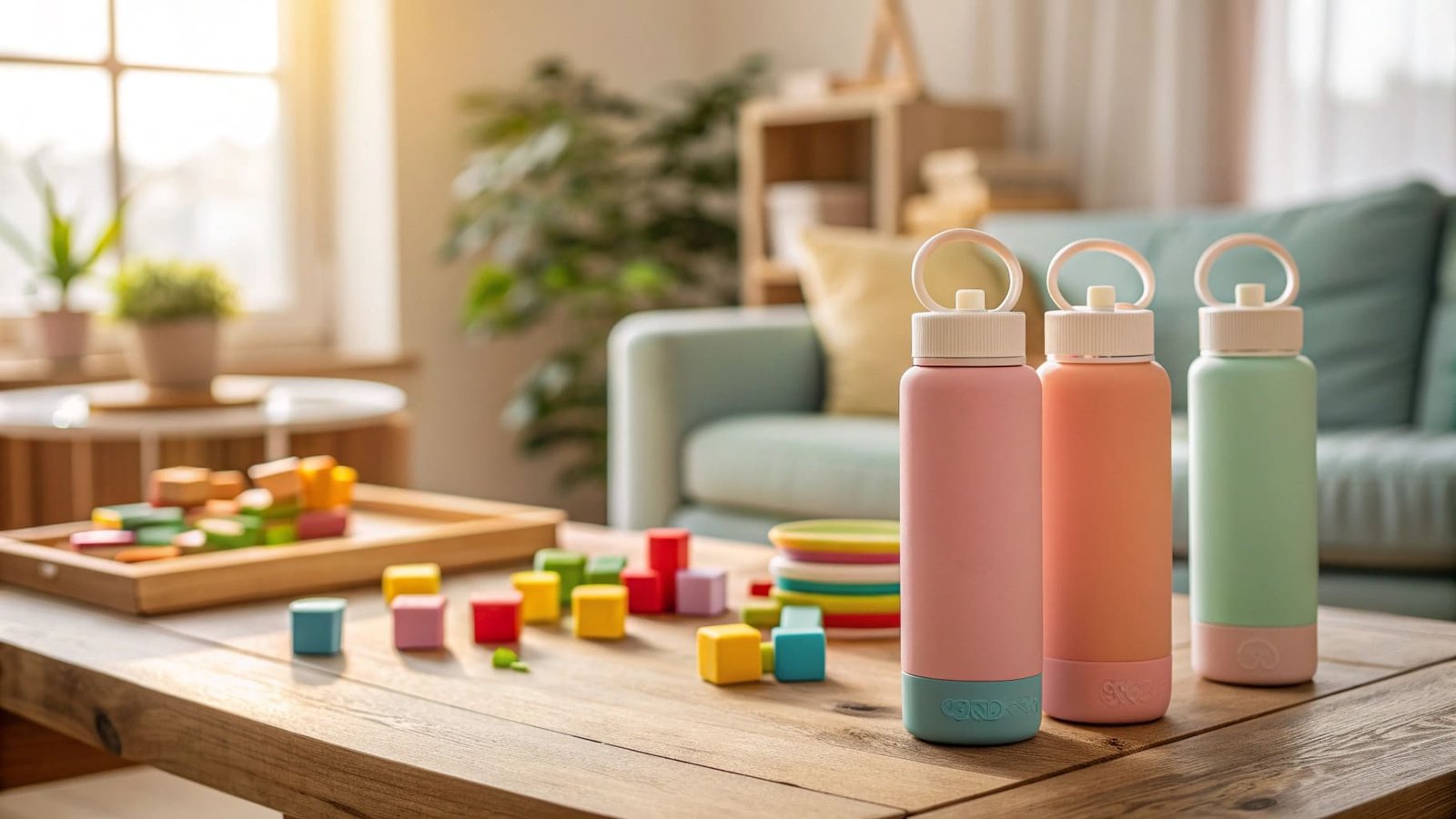
When I talk to procurement officers about tumbler boot selection, most of them focus on the lid first. That makes sense. The lid is what people see and touch the most. But the base is what keeps the tumbler in place. A boot that grips the surface reduces tip-overs. Fewer tip-overs mean fewer spills.3 That's a simple chain of cause and effect.
For bulk production, the boot must do three things well: grip the surface, protect the tumbler base from scratches, and stay attached without peeling. These are not optional features. They are the minimum standard that any serious supplier should meet before you place an order.
The material of the boot matters more than most buyers expect. Pure silicone performs better than TPE alternatives on wet surfaces, high-temperature environments, and repeated daily use.4 TPE may look similar and cost less, but it loses grip faster and degrades under heat. For brands selling at a premium price point, that difference shows up in customer reviews within months.
Here is a quick breakdown of what separates a good boot from a poor one:
| Feature | Good Boot | Poor Boot |
|---|---|---|
| Material | 100% food-grade silicone | TPE or mixed compounds |
| Shore Hardness | 50–60A | Below 45A or above 65A |
| Fitment Tolerance | ±0.2mm | Over ±0.5mm |
| Grip on Wet Surfaces | High friction | Slips easily |
| Surface Protection | Prevents scratches | Leaves marks on wood or tile |
The boot is a small part of the tumbler experience. But when it fails, the customer blames the whole product. That's a reputational cost that no bulk buyer can afford.
Are 40oz Tumblers Worth the Hype?
Every few years, a product category explodes and then disappears. Buyers worry about investing in the wrong trend. So the real question is whether the 40oz tumbler has staying power.
Yes, the 40oz tumbler is worth the investment. It meets a real need for all-day hydration, especially for active professionals and fitness users. The large capacity removes the need for constant refills, which fits naturally into long workdays and busy routines.
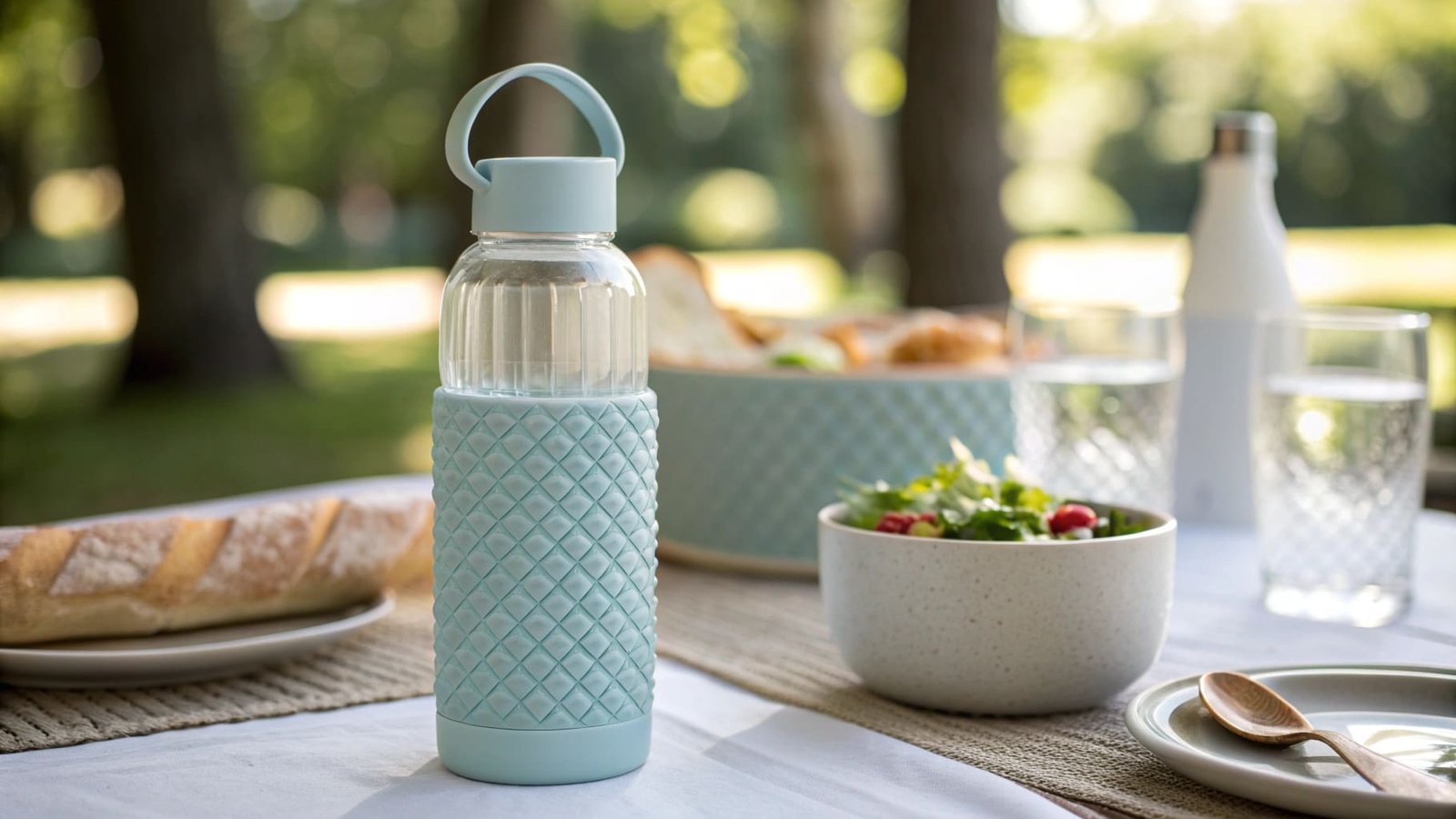
I've watched this market shift happen in real time. The demand is not driven by social media alone. It is driven by a real change in how people approach daily hydration. More people now carry water through the entire day. They want one container that works at the gym, at the office, and in the car. That behavioral shift does not reverse quickly.
For B2B buyers, this means the 40oz format is not a seasonal spike. It has a real user base with real pain points. Anti-slip boots address one of those pain points directly. A tumbler that scratches furniture or slides off a car seat creates a frustrating experience. A well-made boot eliminates both problems. That's a tangible quality improvement that buyers can communicate to their retail clients.
The 40oz format also creates specific demands on the boot itself. A full 40oz tumbler weighs significantly more than a standard 20oz cup.5 More weight means more surface pressure when the tumbler is set down. That means the boot needs stronger grip performance, not just adequate grip performance.
Here is why the 40oz format specifically drives boot demand:
| Factor | Why It Matters for Boots |
|---|---|
| Heavier when full | More weight means more pressure on the base — grip becomes critical |
| Used across more settings | Car holders, desks, gym floors — each surface is different |
| Premium price point | Buyers expect every detail, including the boot, to match the product quality |
| Long product life | Users keep these tumblers for years, so the boot must hold up over time |
When a customer spends a premium price on a tumbler, they expect every single part of it to perform. The boot is the part that touches every surface the tumbler rests on. It has to hold up consistently, not just on the first day of use.
Can Bacteria Grow on Silicone Rubber?
This question comes up often in procurement conversations, especially from buyers sourcing products that sit near food and beverages. It sounds technical, but the answer has a direct impact on which supplier you should choose.
Silicone rubber is non-porous, which means bacteria have very little surface area to attach to. High-quality, platinum-cured silicone resists bacterial growth far better than most alternative materials used in comparable products.
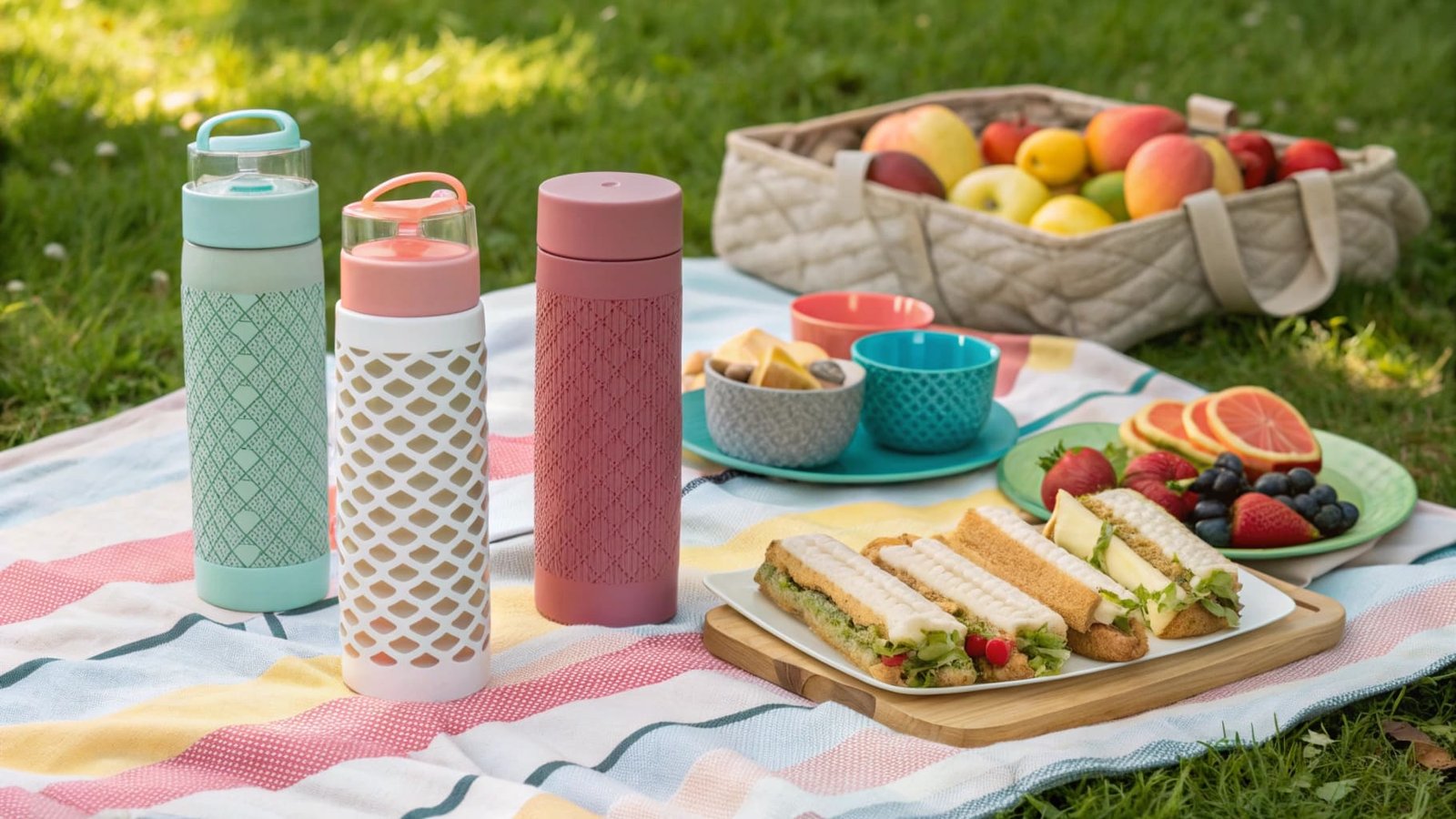
The honest answer is yes — bacteria can grow on silicone rubber, but only under certain conditions. The key variable is not the silicone itself. It is the curing method used during manufacturing.
There are two main curing methods used in silicone production. Platinum curing is the cleaner process. It leaves no chemical residue after the curing is complete.6 Peroxide curing can leave trace chemicals on the surface. Those residues do not disappear on their own. Over time, especially when exposed to heat and moisture, they create conditions where bacteria can take hold. A tumbler boot faces heat and moisture every single day. That makes the curing method a direct hygiene concern, not just a technical specification.
Here is a direct comparison of both methods:
| Curing Method | Residue Left Behind | Bacterial Risk | Best Use Case |
|---|---|---|---|
| Platinum-cured | None | Very low | Food contact, beverage accessories, medical use |
| Peroxide-cured | Trace chemicals possible | Higher under heat and moisture | Industrial and non-food applications |
When I evaluate suppliers for silicone tumbler boots, I ask for third-party antimicrobial test reports before anything else. The standard I look for is ISO 22196, which measures bacterial reduction rates on material surfaces. A reputable supplier will show a bacterial reduction rate above 99.9%. If a supplier cannot produce this document, that is a clear signal to move on.
For bulk orders of 5,000 units or more, this is not a minor detail. One hygiene-related complaint can do serious damage to a brand. The cost of choosing the right supplier upfront is far lower than the cost of a product recall, negative press, or lost retail partnerships. Certification fraud is also a real risk in this space. Always request original test reports and verify them directly with the issuing lab before finalizing any large order.
Conclusion
The right silicone boot is never about the lowest price. It is about material grade, precise fitment, and verified hygiene standards that protect your brand at scale.
-
"Reusable Water Bottle Market Size | Industry Report, 2030", https://www.grandviewresearch.com/industry-analysis/reusable-water-bottle-market. Market research on reusable water bottles reports growth in North American demand for durable, reusable drinkware; this supports the article's market-context claim, although most available data may track the broader reusable bottle category rather than 40oz tumblers specifically. Evidence role: statistic; source type: research. Supports: A neutral market or consumer research source should document growth in reusable drinkware or large-capacity reusable bottles in North America.. Scope note: Category-level market data may not isolate the 40oz size segment. ↩
-
"CPSC Anchor It! Campaign Marks 10 Years: Fewer Furniture Tip ...", https://www.cpsc.gov/Newsroom/News-Releases/2025/CPSC-AnchorIt-Campaign-Marks-10-Years-Fewer-Furniture-Tip-Overs-Lead-to-Safer-American-Households. Engineering descriptions of static stability and friction show that a wider or more stable base and higher contact friction reduce sliding and tipping, while a lid seal limits liquid escape; this supports the article's design logic, although it is general mechanical evidence rather than a tumbler-specific performance test. Evidence role: mechanism; source type: education. Supports: An engineering source should support the basic mechanics that sealing limits leakage while base stability and friction reduce sliding and tipping.. Scope note: General engineering principles do not quantify spill reduction for a specific tumbler model. ↩
-
"A technique to determine friction at the finger tips - PMC - NIH", https://pmc.ncbi.nlm.nih.gov/articles/PMC2827180/. Introductory mechanics sources define static friction as the force that resists relative motion between surfaces; this supports the claim that a higher-friction boot can reduce sliding-related tip-overs, although it does not directly measure spill frequency in consumer tumblers. Evidence role: mechanism; source type: education. Supports: A physics or engineering source should explain that higher static friction resists lateral motion, which can reduce sliding-related tip events.. Scope note: The support is mechanistic, not a direct spill-rate study. ↩
-
"(PDF) Mechanical and thermal properties of thermoplastic ...", https://www.academia.edu/67843060/Mechanical_and_thermal_properties_of_thermoplastic_elastomer_based_on_low_density_polyethylene_and_ultra_fine_fully_vulcanized_acrylonitrile_butadiene_rubber_powder_. Comparative polymer studies generally report that silicone elastomers retain properties across broader temperature ranges than many thermoplastic elastomers; this supports the article's durability rationale, although wet-surface grip can vary with formulation, surface texture, and additives. Evidence role: general_support; source type: paper. Supports: A materials paper should compare silicone rubber and thermoplastic elastomers on thermal stability, aging behavior, and mechanical performance.. Scope note: Direct support for wet-grip superiority requires formulation-specific friction testing. ↩
-
"Water - the NIST WebBook", https://webbook.nist.gov/cgi/cbook.cgi?ID=C7732185&Mask=4. Reference data on water density show that water mass is proportional to volume under ordinary conditions; this supports the statement that a 40oz filled tumbler carries substantially more liquid weight than a 20oz cup, excluding differences in the empty container weights. Evidence role: mechanism; source type: government. Supports: A reference source should support that water mass scales with volume, making a 40oz filled container roughly twice as heavy in contents as a 20oz filled container.. Scope note: The comparison addresses liquid contents, not total product weight across different tumbler designs. ↩
-
"Platinum Cured Silicones vs. Peroxide Cured Silicones", https://www.stockwell.com/platinum-cured-silicones-vs-peroxide-cured-silicones/. Polymer-processing literature distinguishes platinum-catalyzed addition curing from peroxide curing and notes that peroxide systems can generate residual decomposition byproducts; this supports the article's residue concern, although actual residue levels depend on formulation and post-curing conditions. Evidence role: mechanism; source type: paper. Supports: A polymer-processing source should explain the difference between addition-cure platinum silicone and peroxide-cure silicone, including potential byproducts from peroxide curing.. Scope note: The claim should not be read as proving zero residue in every platinum-cured product. ↩