What Are the Quality Standards for Food-Grade Silicone Cup Sleeves in Europe?
Buying silicone cup sleeves for European markets without knowing the rules is a real risk. One wrong supplier can cost you your business reputation — and your customers.
Food-grade silicone cup sleeves sold in Europe must comply with EU Regulation 1935/2004.1 This means the material cannot transfer harmful substances into drinks under normal use. Suppliers must provide test reports from accredited labs to prove this.
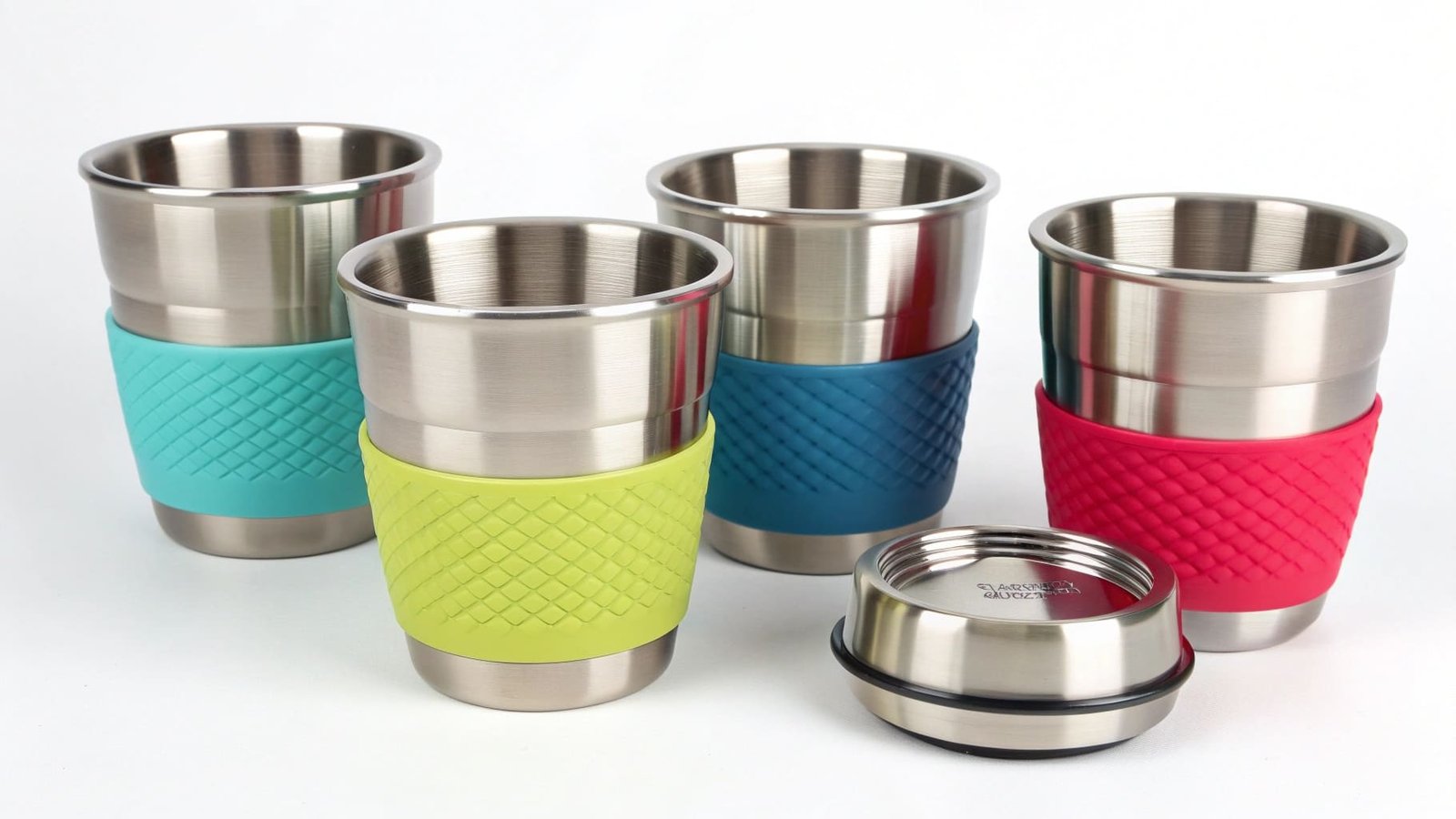
Most buyers I talk to already know that Europe has strict food safety rules. But knowing they exist and knowing how to verify compliance are two very different things. If you skip the verification step, you are trusting the supplier on their word alone. That is a gamble you do not want to take — especially when your customers are in Europe, where regulators take product recalls seriously. Let me walk you through what the standards actually require, how to judge silicone from Chinese suppliers, and how to spot the real thing before you place an order.
Is Silicone Food Safe in Europe?
Silicone is everywhere in kitchens — but not all silicone is made the same. Using the wrong type in food-contact products can put your buyers at risk without anyone knowing until it is too late.
Yes, silicone is food safe in Europe — but only when it meets specific regulatory standards. The main rule is EU Regulation 1935/2004, which covers all materials that touch food or drinks. Silicone cup sleeves must pass migration tests to prove no harmful substances move into beverages during use.2
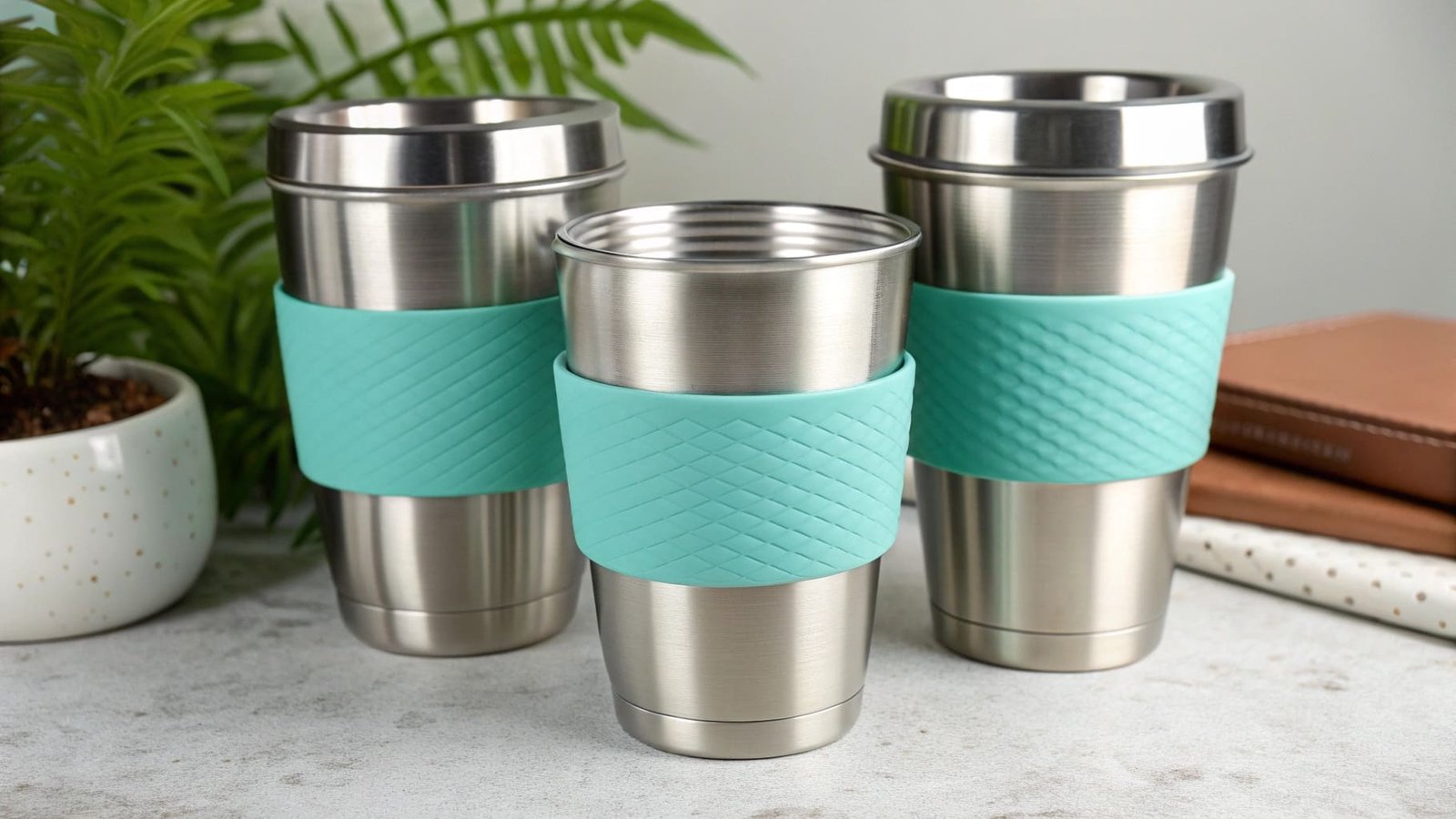
EU Regulation 1935/2004 is the foundation of food-contact material safety in Europe. It sets a general principle: any material touching food must not transfer substances in amounts that could harm human health, change the composition of the food, or change the taste or smell of the food3.
For silicone cup sleeves, this means the material must be tested under conditions that reflect real use — including heat exposure4, since many cup sleeves are used with hot drinks. The test measures how much of any substance moves from the silicone into a food-simulating liquid.
Beyond the EU-wide regulation, individual member states have added their own layers. Germany's LFGB standard is one of the most respected. France has its own DGCCRF guidelines. These national standards often go further than the EU baseline, and European buyers frequently ask for compliance with these in addition to the core EU regulation.
Here is a quick breakdown of the key standards you will encounter:
| Standard | Country/Region | What It Covers |
|---|---|---|
| EU Regulation 1935/2004 | European Union | All food-contact materials, migration limits |
| LFGB (§ 30/31) | Germany | Silicone and rubber food-contact products |
| DGCCRF | France | Food-contact material safety |
| FDA 21 CFR | USA | Often used as a baseline by global suppliers |
If a supplier cannot show test results against at least the EU regulation and LFGB, I would not move forward with them. These certifications exist specifically because the risks are real, and any serious manufacturer knows this.
Is Food-Grade Silicone from China Safe?
Many buyers hesitate the moment they hear "made in China." But hesitation based on geography alone is not a strategy. It is a blind spot.
Food-grade silicone from China can absolutely be safe for European markets. The determining factor is not where the product is made. It is whether the manufacturer has invested in the right testing, the right raw materials, and the right documentation to meet EU standards.5
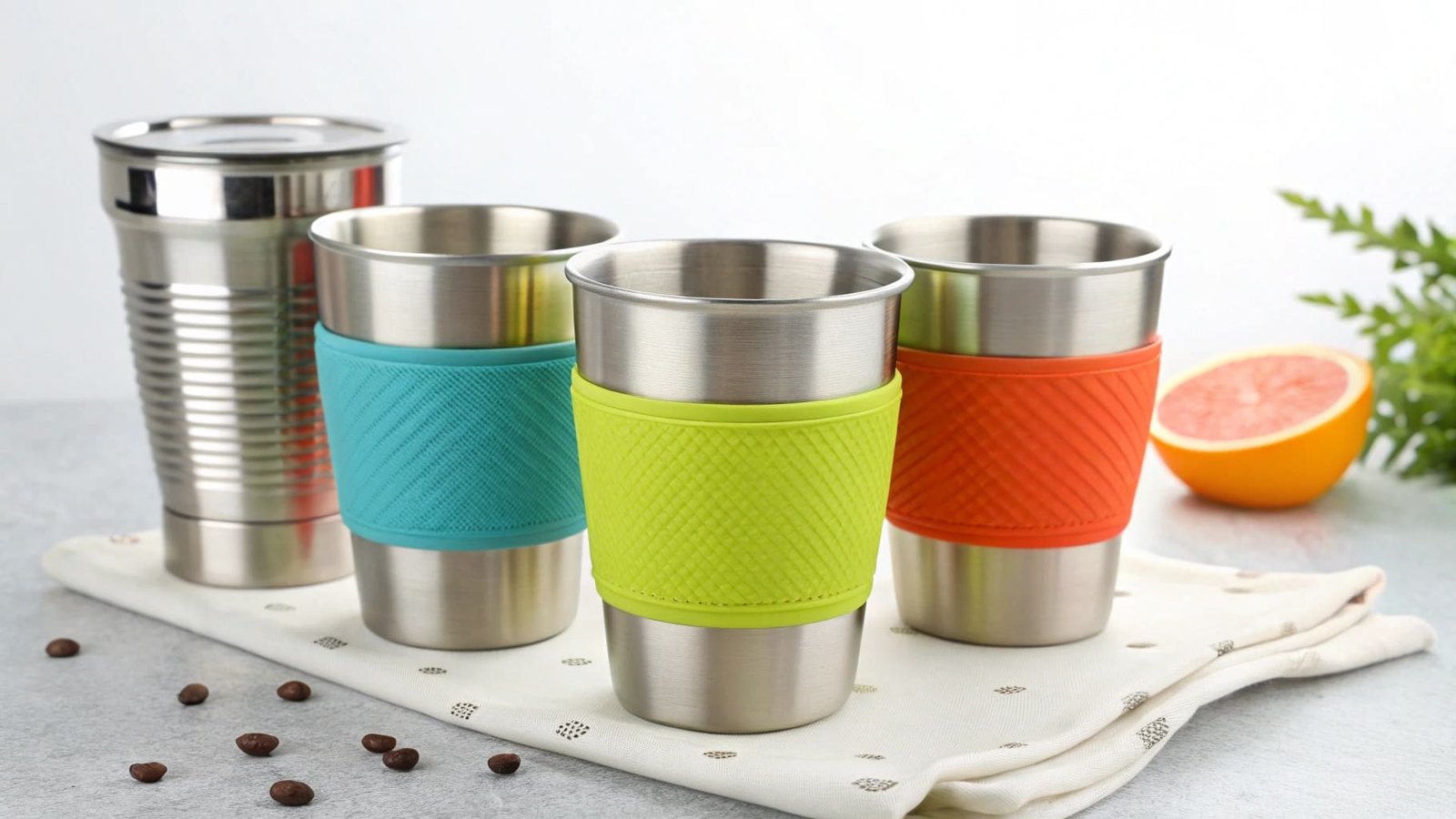
I have worked with silicone manufacturers in China for years. What I see clearly is that the gap between a compliant factory and a non-compliant one is not about location — it is about commitment. Some Chinese manufacturers treat EU compliance as a core part of their product offering. Others use the words "food grade" loosely, with no certified evidence to back them up.
The ones who are serious about compliance behave in a specific way. They hold test reports from recognized European or international laboratories. They can tell you exactly which raw material grades they use and who supplies them. They maintain documentation at the batch level, not just the product level. And when you ask a technical question, they can answer it — or they connect you with someone who can.
The ones who are not serious also behave in a specific way. They respond to compliance questions with vague assurances. They offer certificates that look official but come from unrecognized testing bodies. They resist providing batch-specific documentation. They promise fast delivery of paperwork without explaining what the paperwork actually shows.
Here is a side-by-side comparison of what separates a trustworthy Chinese supplier from a risky one:
| Factor | Trustworthy Supplier | Risky Supplier |
|---|---|---|
| Test reports | From accredited EU or ISO labs | From in-house or unrecognized labs |
| Raw materials | Documented, traceable, certified grade | Unspecified or undisclosed |
| Certification response time | Prompt, detailed, batch-specific | Vague, delayed, or generic |
| Technical knowledge | Can explain compliance clearly | Deflects or overpromises |
| LFGB / EU 1935/2004 knowledge | Demonstrates understanding | Uses terms without substance |
When I screen suppliers, I treat their response to compliance questions as the first real test. A supplier who handles those questions well has almost always thought seriously about the product. A supplier who gets defensive or evasive at that stage will likely cause problems later.
How to Tell Food-Grade Silicone?
You cannot always tell safe silicone from unsafe silicone just by looking at it. That is the problem. And that is exactly why some suppliers get away with selling substandard material.
You can identify genuine food-grade silicone through physical checks, lab testing, and supplier documentation. Food-grade silicone has almost no odor, resists staining, and stays elastic after heat exposure. But the only way to be fully certain is through certified migration test results from an accredited laboratory.
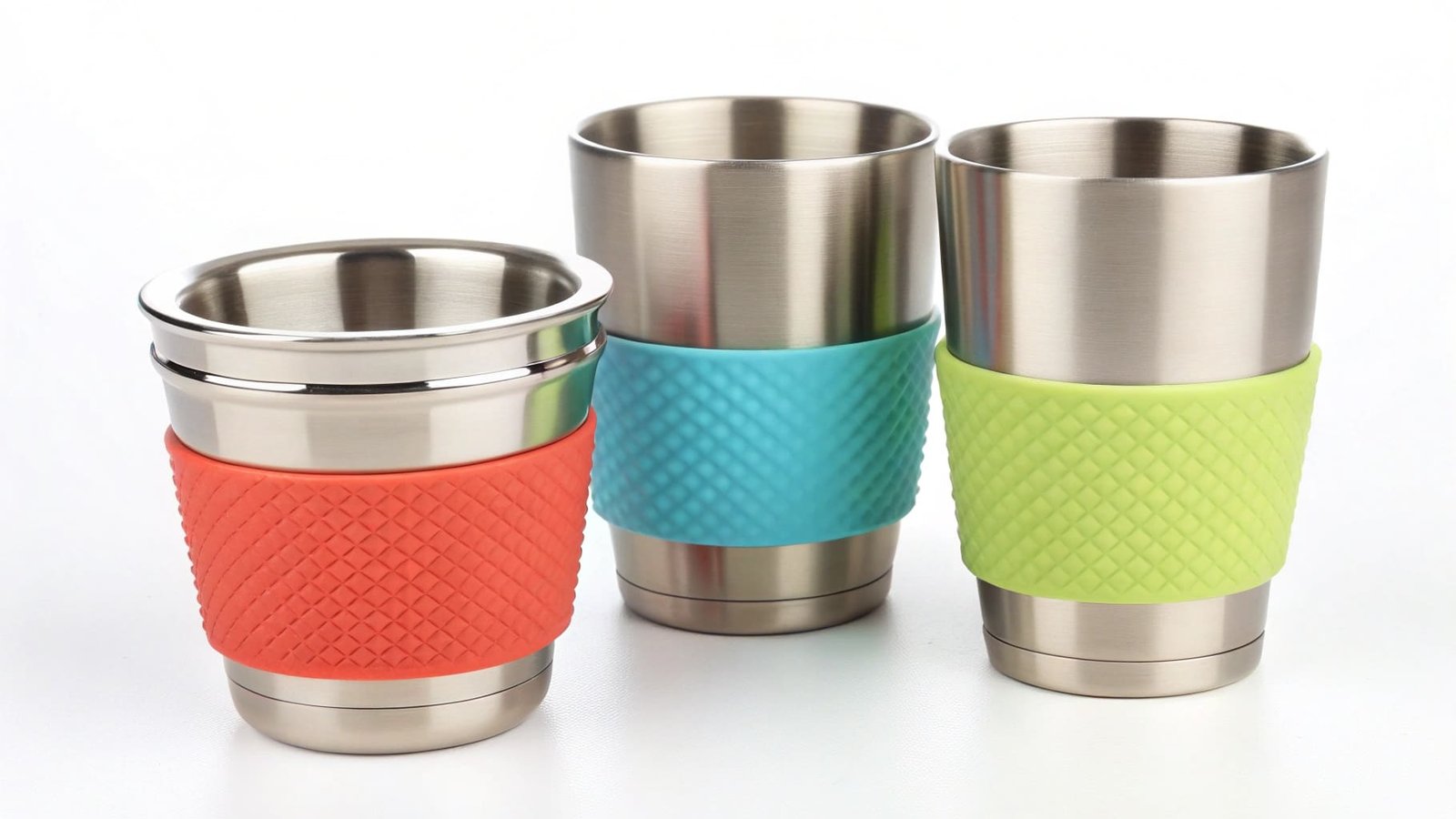
Let me break this down into three levels of verification, because not all buyers have the same access to resources, and some checks can be done before you even receive a sample.
Level One: Physical and Sensory Checks
These are quick checks you can do yourself with a sample in hand. Food-grade silicone should have very little smell — even when heated.6 If you heat a sample and it releases a sharp chemical odor, that is a warning sign. Food-grade silicone should also return to its original shape after stretching and should not stain easily when exposed to colored liquids.
These checks are useful, but they are not proof. They can help you eliminate obvious failures. They cannot confirm compliance.
Level Two: Documentation Review
This is where the real work happens. Ask the supplier for the following:
| Document | What to Check |
|---|---|
| Migration test report | Issued by an accredited lab, covers VOC migration, specific and overall migration limits |
| Material safety data sheet | Shows raw material composition and any restricted substances |
| Certificate of conformity | States compliance with EU 1935/2004 and/or LFGB |
| Batch-specific certificate of analysis | Tied to the specific production batch you are ordering |
Do not accept a single certificate that covers all products with no batch detail. That is a sign the supplier is using a blanket document that may not reflect what they actually shipped you.
Level Three: Third-Party Lab Testing
If you are sourcing large volumes or entering a new supplier relationship, send samples to an accredited European testing laboratory yourself. Labs certified under ISO 17025 can run migration tests that mirror the conditions of EU Regulation 1935/2004. This costs money, but it gives you independent proof that the product is what the supplier claims.
At Silijoy, I make this process easier for buyers by providing full test documentation upfront, before the conversation gets to price. That is how I think it should work. If a supplier makes you chase documentation, that tells you something important about how they will behave after the order is placed.
Conclusion
Europe's food-contact rules are strict, consistent, and enforceable. Verify supplier compliance through lab reports, physical checks, and transparent documentation — regardless of where the product is made.
-
"Regulation - 1935/2004 - EN - EUR-Lex", https://eur-lex.europa.eu/eli/reg/2004/1935/oj/eng. Regulation (EC) No 1935/2004 establishes EU-wide requirements for materials and articles intended to come into contact with food, supporting the application of the framework to silicone cup sleeves used with drinks. Evidence role: general_support; source type: government. Supports: The EU framework regulation applies to materials and articles intended to come into contact with food, which would include food-contact cup sleeves when used as intended.. ↩
-
"Risk assessment of food contact materials - PMC - NIH", https://pmc.ncbi.nlm.nih.gov/articles/PMC9749432/. EU food-contact material guidance and implementing measures use migration testing with food simulants to evaluate the transfer of constituents from materials into food under specified conditions. Evidence role: mechanism; source type: government. Supports: Food-contact material assessment commonly uses migration testing to measure transfer of substances from materials into food or food simulants under defined conditions.. Scope note: This supports migration testing as the assessment mechanism; specific pass criteria for silicone may also depend on national rules or applicable technical recommendations. ↩
-
"Risk assessment of food contact materials - PMC - NIH", https://pmc.ncbi.nlm.nih.gov/articles/PMC9749432/. Article 3 of Regulation (EC) No 1935/2004 states that food-contact materials must not transfer constituents to food in quantities that endanger health, bring about unacceptable changes in composition, or deteriorate organoleptic characteristics. Evidence role: definition; source type: government. Supports: The EU regulation defines the general safety requirements for food-contact materials, including health, composition, and organoleptic criteria.. ↩
-
"REGULATIONS - EUR-Lex - European Union", https://eur-lex.europa.eu/legal-content/EN/TXT/PDF/?uri=CELEX:32020R1245. EU food-contact testing rules and guidance select migration test conditions according to normal or foreseeable use, including time and temperature parameters that affect transfer from materials into food simulants. Evidence role: mechanism; source type: government. Supports: Food-contact migration testing conditions are selected to represent normal or foreseeable use, including relevant time and temperature exposure.. Scope note: This is directly established for harmonized materials such as plastics and is used contextually for silicone, which may also be governed by national measures. ↩
-
"Food Contact Materials - Regulation (EC) 1935/2004", https://www.europarl.europa.eu/RegData/etudes/STUD/2016/581411/EPRS_STU(2016)581411_EN.pdf. EU food-contact material legislation sets requirements for safety, traceability, and good manufacturing practice for materials placed on the EU market, indicating that compliance is assessed by conformity with these requirements rather than by manufacturing location alone. Evidence role: general_support; source type: government. Supports: EU food-contact law focuses on material safety, traceability, and good manufacturing practice rather than country of origin as the determinant of compliance.. Scope note: This supports the regulatory logic of the claim; it does not compare compliance rates between countries. ↩
-
"Risk Assessment of Food Contact Materials II - PMC - NIH", https://pmc.ncbi.nlm.nih.gov/articles/PMC9131608/. The German BfR recommendation for silicone food-contact materials addresses volatile organic components in silicone elastomers, supporting the relevance of odor and heat-related volatile release as screening concerns. Evidence role: mechanism; source type: government. Supports: Official recommendations for silicone food-contact materials address volatile organic components, which can be affected by heat and post-curing.. Scope note: This supports odor as a practical warning sign, not as a definitive compliance test. ↩