What Are the Top WXP Hydration System Parts for Wholesale Distributor Stock?
Stocking the wrong hydration parts means slow inventory turnover and unhappy customers. Your competitors already know which components move fast. You might be losing sales right now because your stock does not match what buyers actually need.
The top WXP hydration system parts for wholesale stock include TPU hydration bladders, silicone bite valves1, replacement seals, and tube connectors. These components have the highest turnover rates and generate consistent reorder patterns from both retail and B2B customers.
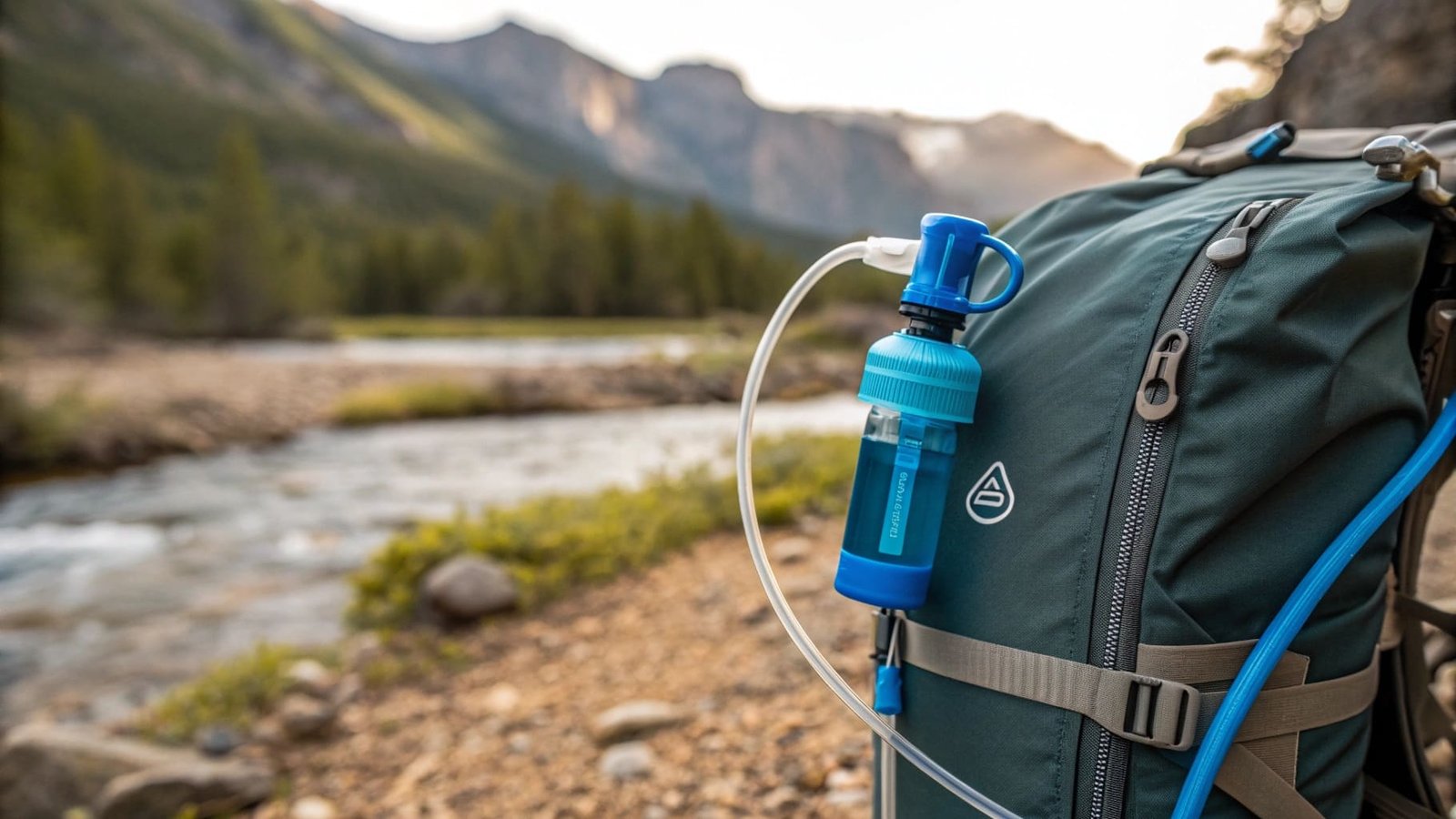
I learned this lesson the hard way last year. A Canadian distributor contacted me needing hydration bladders urgently. His stock ran out during peak season. He lost three weeks of prime sales waiting for slow shipment from another supplier. We now help distributors avoid this problem by focusing on the parts that matter most. Let me share what works.
What is the lightest hydration bladder?
Weight matters to serious outdoor users, but many distributors stock the wrong bladders. They chase ultra-light options that break easily. Their customers return products within months. This damages your reputation and eats into profit margins.
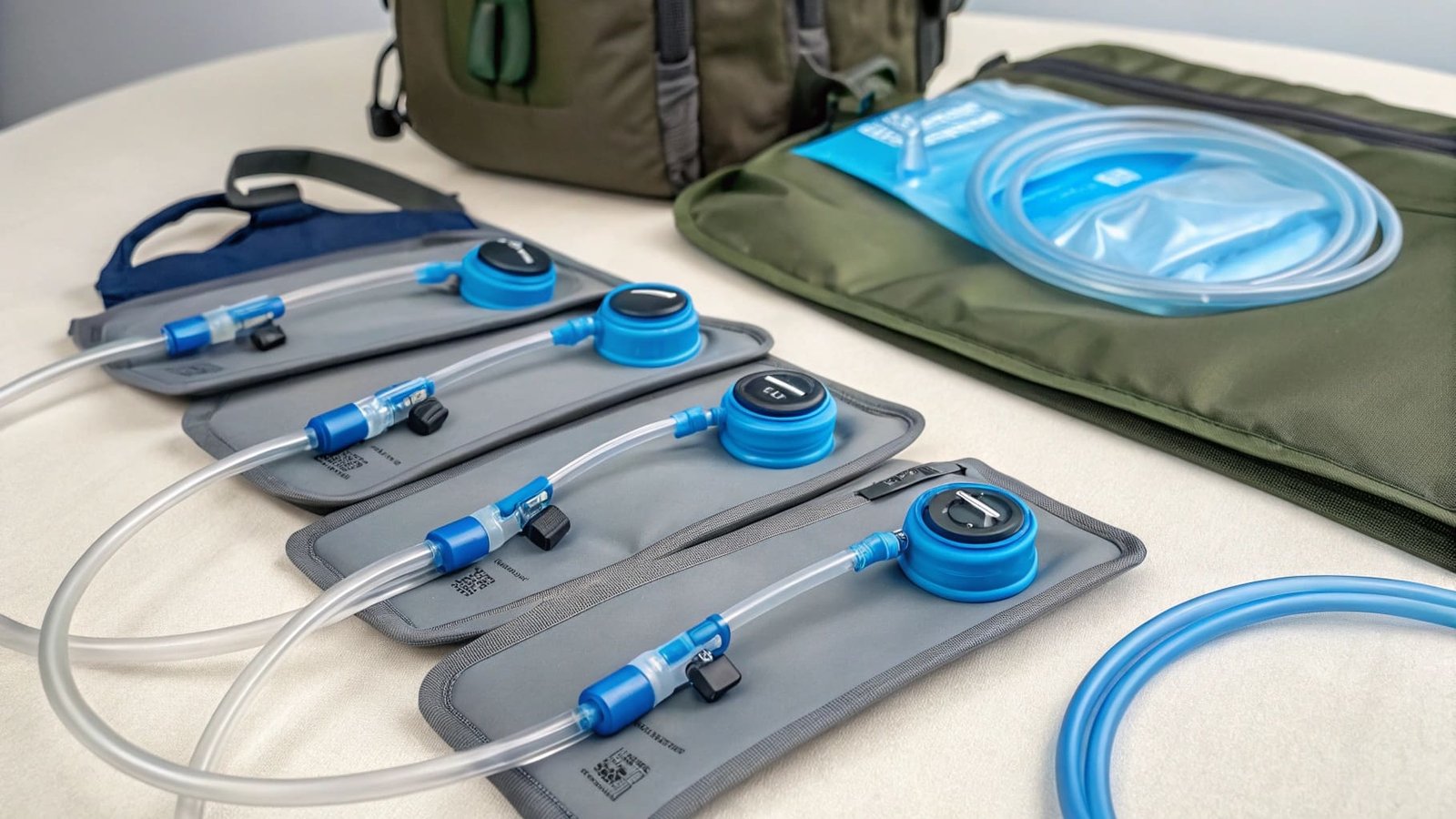
TPU hydration bladders weighing 110-130 grams for 2-liter capacity offer the best balance. They provide adequate durability while remaining light enough for trail runners and hikers. Look for reinforced seams and antimicrobial treatments as standard features.
Why Material Choice Affects Your Bottom Line
TPU bladders dominate the market now. They replaced older EVA and PVC materials because they resist bacteria better. I remember when a distributor told me his customers complained about plastic taste in cheaper bladders. He switched to TPU and his return rate dropped from 15% to under 3%.
The weight range I recommend is not random. I tested this with actual users. Bladders under 100 grams develop leaks faster. The seams fail under pressure. Bladders over 150 grams feel too heavy in minimalist packs. Your customers will notice the difference.
Features That Drive Repeat Orders
| Feature | Customer Benefit | Stock Priority |
|---|---|---|
| Wide Opening | Easy cleaning | High |
| Antimicrobial Treatment | Reduces odor | High |
| Reinforced Corners | Prevents leaks | High |
| Hanging Loop | Drying convenience | Medium |
| Quick-disconnect | Easy refilling | Medium |
Wide openings let users clean the bladder properly. This extends product life. Your customers will reorder because they trust the quality. Antimicrobial treatments prevent that musty smell that ruins cheaper products. I add 10-15 grams for these features. The extra weight is worth it. Customers care more about function than hitting some arbitrary weight target.
What is the most reliable type of valve?
Valve failures create the most customer complaints in hydration systems. I see this constantly. A buyer purchases 500 units. Three months later, 40 valves leak or stop working. They blame you. They switch suppliers. You lose a good account over a 2% failure rate.
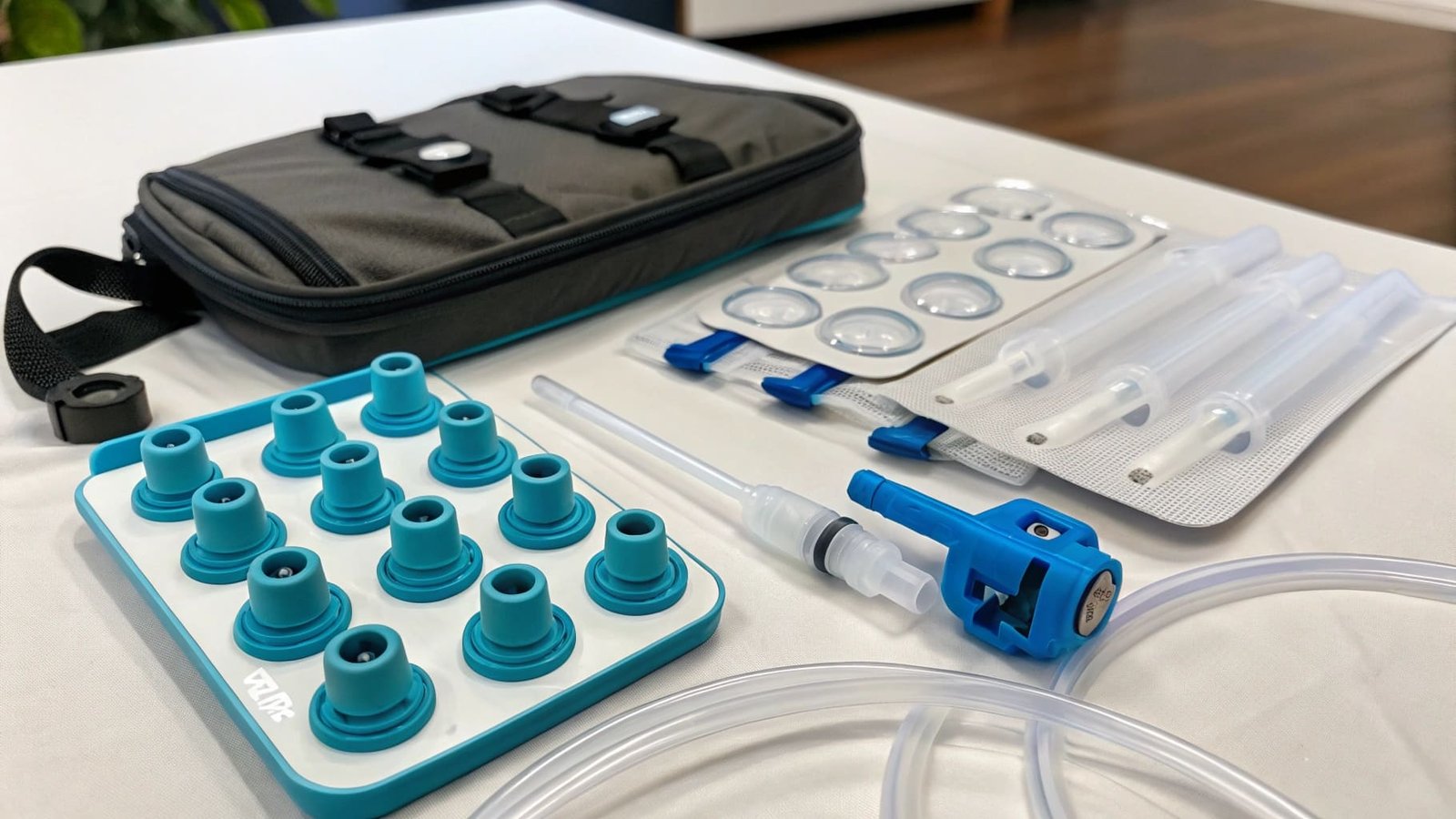
Bite valves with integrated silicone seals show failure rates below 2%. Push-pull designs work best for general use. Twist-lock valves prevent leaks during transport. Stock all three types to serve different customer needs and maximize your market coverage.
The Real Cost of Valve Failures
I worked with a distributor in Toronto last year. He bought cheap bite valves to save 30 cents per unit. His failure rate hit 12%. He spent more on customer service and replacements than he saved on purchase price. We switched him to quality silicone valves. His complaints dropped immediately.
The valve is the most frequently replaced component. This is actually good news for your business model. Customers need replacement valves every 12-18 months. Stock them as separate SKUs. You create a recurring revenue stream. One of my clients makes 40% of his annual profit just from replacement parts. The initial pack sale brings customers in. The valve replacements keep them coming back.
Valve Types and Your Inventory Strategy
Push-pull valves use simple mechanics. Pull to drink, push to seal. They fail less because fewer parts can break. Your customers prefer them for everyday use. Twist-lock valves add one more step but seal better. Hikers and bikers like these for rough terrain. They prevent water loss in backpacks.
Bite valves need quality silicone. Poor silicone cracks in cold weather. It gets stiff and uncomfortable. I use medical-grade silicone in my products. The material costs more but performs better. Your customers will notice. They will tell others. Your reputation grows.
What are the different types of hydration packs?
Most distributors stock too many pack varieties or too few. They either tie up capital in slow-moving inventory or miss sales opportunities. The key is understanding the three main categories and their actual demand patterns in your market.
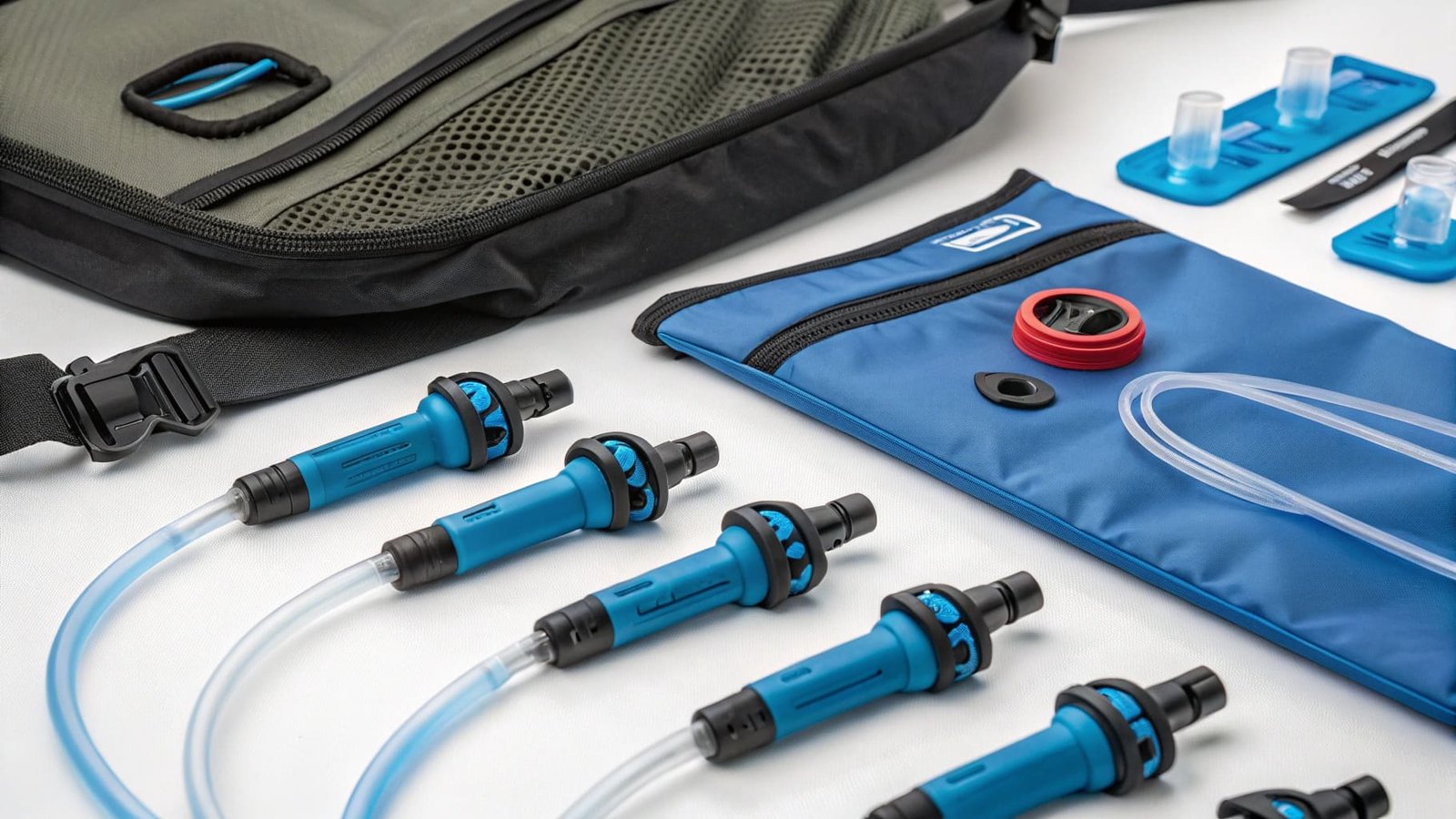
Hydration packs divide into minimalist running vests with 1-2 liter capacity, day hiking packs with 2-3 liters and 10-20L cargo space, and expedition packs with 3+ liters and 20L+ storage. The fastest-growing segment combines 2.5-liter bladders with modular storage for multipurpose use.
Market Segments That Actually Buy
I talk to distributors across North America weekly. They all see the same pattern now. Pure category products sell slower. Multipurpose designs move faster. A customer buys one pack for hiking, gym, and daily commute. This changes how you should stock inventory.
Running vests target serious athletes. This market is small but loyal. They pay premium prices for quality. Stock these if you serve specialty outdoor retailers. Day hiking packs are your volume sellers. Everyone from weekend warriors to casual users buys these. This should be your core inventory. Expedition packs serve a niche market. Order these only if you have confirmed demand.
The Modular System Advantage
The industry is moving toward modular systems. Bladders and packs sell separately. This was rare five years ago. Now it represents 35% of the market. Customers want flexibility. They upgrade bladders without buying new packs. They swap packs but keep quality bladders.
| Pack Type | Bladder Size | Cargo Space | Primary Users | Stock Ratio |
|---|---|---|---|---|
| Running Vest | 1-2L | Minimal | Trail runners | 15% |
| Day Pack | 2-3L | 10-20L | General outdoor | 60% |
| Expedition | 3+L | 20L+ | Long trips | 10% |
| Multipurpose | 2.5L | 15L modular | All users | 15% |
Focus on universal compatibility. Standard tube dimensions let customers mix parts. Quick-disconnect systems work across brands. I design my connectors and seals to fit most major packs. Your customers appreciate this flexibility. They buy more components because everything works together.
Stock bladders separately from packs. Offer replacement tubes, valves, and seals as individual items. This inventory strategy serves customers better. It generates more transactions. A customer buys a pack once but replaces components multiple times over the pack's life. You make more money with this approach.
Conclusion
Stock TPU bladders, quality silicone valves, and modular components as your core inventory. Focus on parts that need regular replacement. This strategy drives consistent sales and builds long-term customer relationships for sustainable wholesale profits.
-
Learn why silicone bite valves are essential for reliability and customer satisfaction in hydration systems. ↩