Why Do Source Water Bladder Connectors Have Growing B2B Market Demand?
Many B2B buyers struggle to find reliable hydration system components1 that meet both quality and scalability needs. Poor connectors lead to returns and damaged brand reputation. The market demand grows because businesses need dependable solutions.
Water bladder connectors see rising B2B demand due to outdoor recreation growth, military procurement needs, and the shift to quick-connect systems. Quality connectors reduce product failures and improve customer satisfaction.
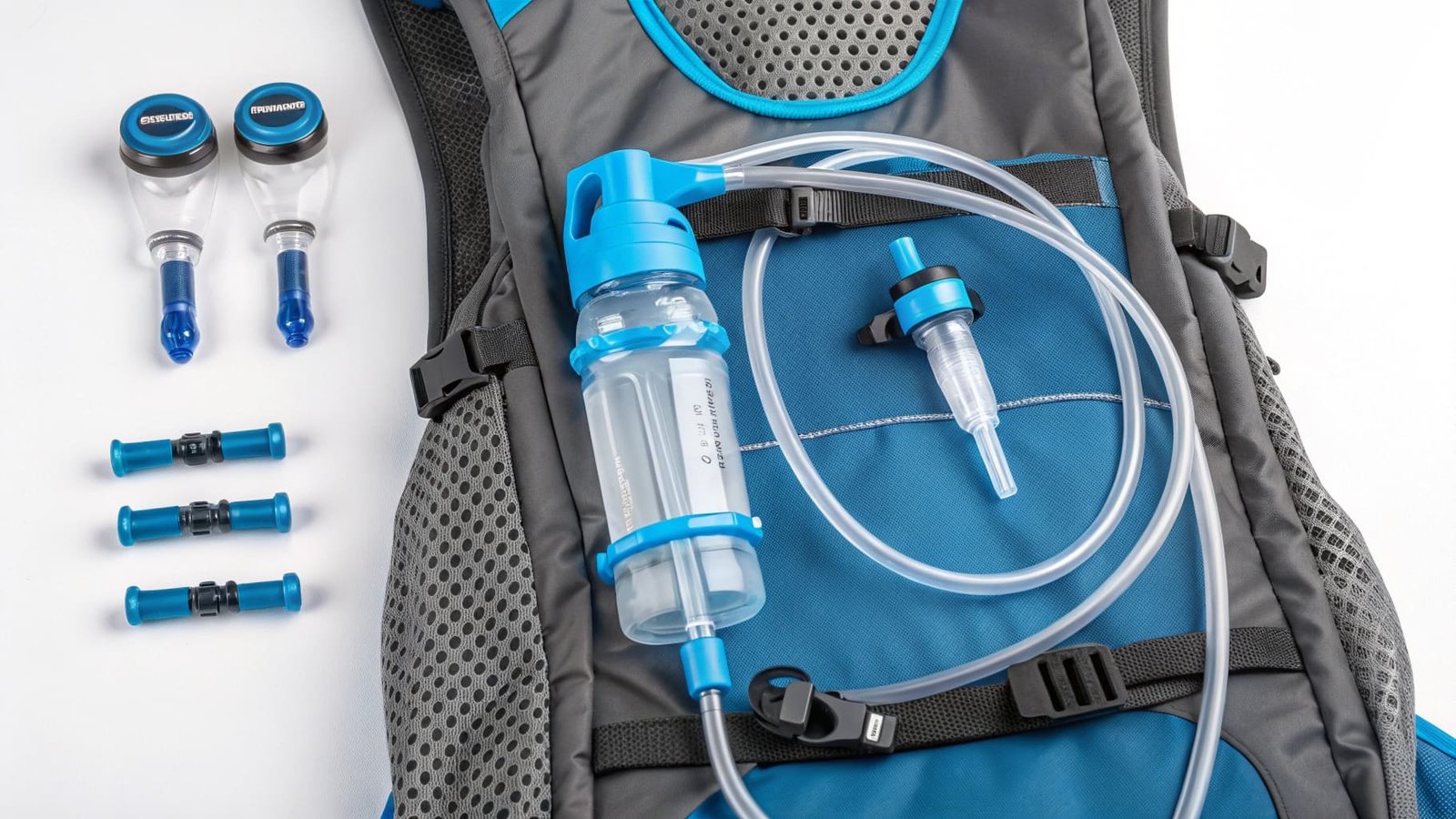
I remember when I first started helping B2B clients source hydration components. Most buyers focused on bladder quality alone. They overlooked the connector. That changed quickly. Returns piled up from connector failures. Now buyers understand connectors make or break hydration systems.
What Are the Best Water Bladders?
Finding the right water bladder supplier feels overwhelming with hundreds of options available. Quality varies dramatically between manufacturers. You need specific features that your customers actually value.
The best water bladders for B2B use medical-grade silicone2 bite valves and connectors meeting FDA and EU standards. Capacities range from 1.5L to 3L for consumer products, up to 10L for industrial applications.
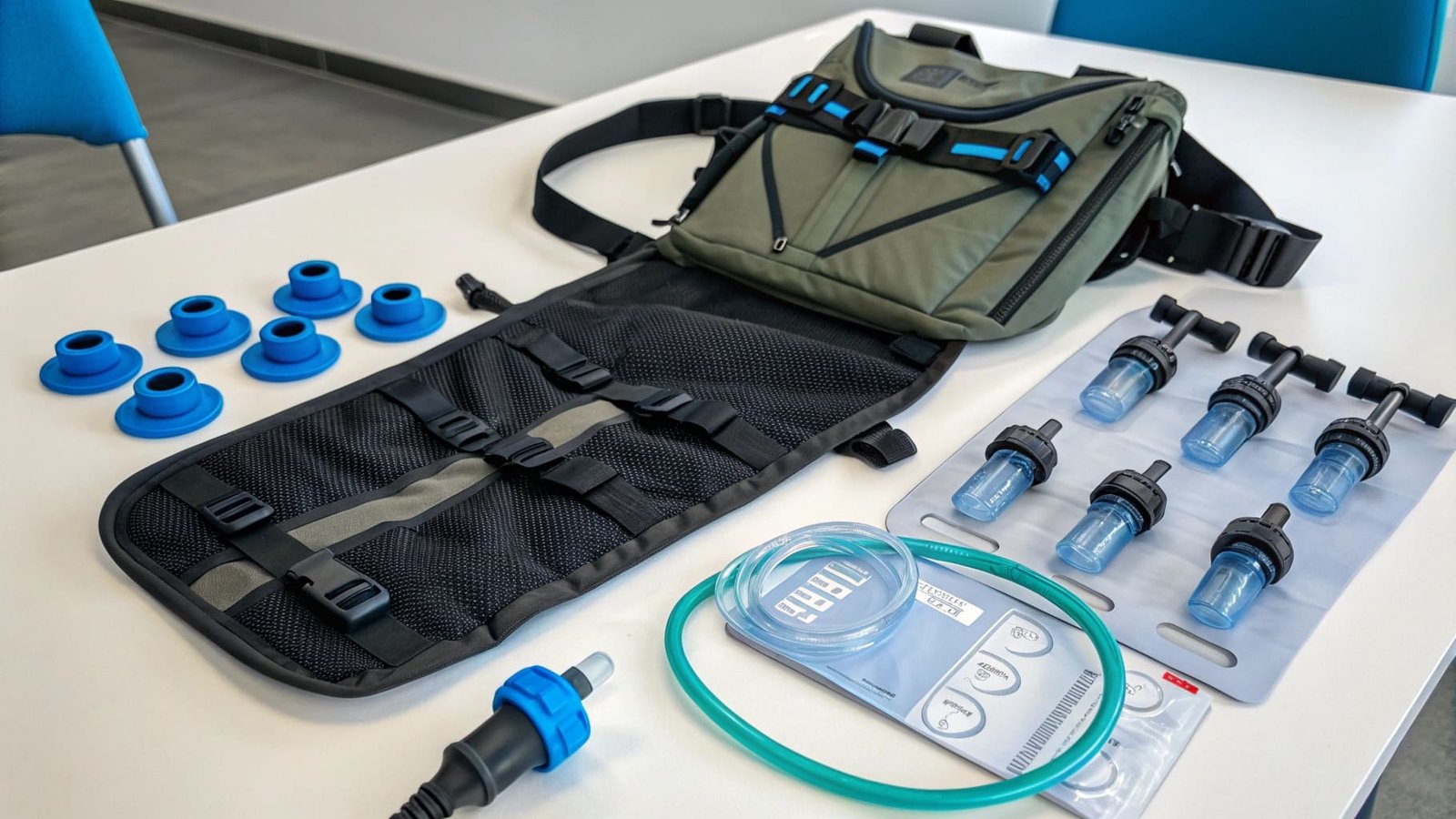
Key Features B2B Buyers Should Prioritize
I work with procurement officers who purchase thousands of units monthly. They tell me the same story. Their customers care about three things first.
The connector system matters most. It determines whether the bladder lasts one season or five years. Medical-grade silicone prevents bacterial growth. This reduces warranty claims significantly.
Capacity selection depends on end-user profiles. Hikers prefer 2L bladders. Military applications need 3L minimum. Industrial workers in hot environments require 10L systems.
| Bladder Type | Capacity | Primary Use | Connector Material |
|---|---|---|---|
| Consumer | 1.5L-3L | Hiking, Cycling | Food-grade Silicone |
| Military | 3L-5L | Field Operations | Military-spec TPU |
| Industrial | 5L-10L | Construction, Mining | Heavy-duty Silicone |
Temperature resistance matters more than buyers realize. I tested products in Canadian winters. Many connectors failed at -15°C. The silicone became brittle. Quality connectors maintain flexibility from -20°C to 60°C. This range covers most real-world conditions.
Can Quick Connect Fittings Be Used for Water?
Traditional threaded connectors frustrate users and increase contamination risks during refills. Field conditions make threading difficult with gloves or cold hands. Your customers need faster, cleaner solutions.
Quick connect fittings work well for water applications. They enable tool-free installation, reduce contamination during refills, and improve field usability. They have become the preferred standard.
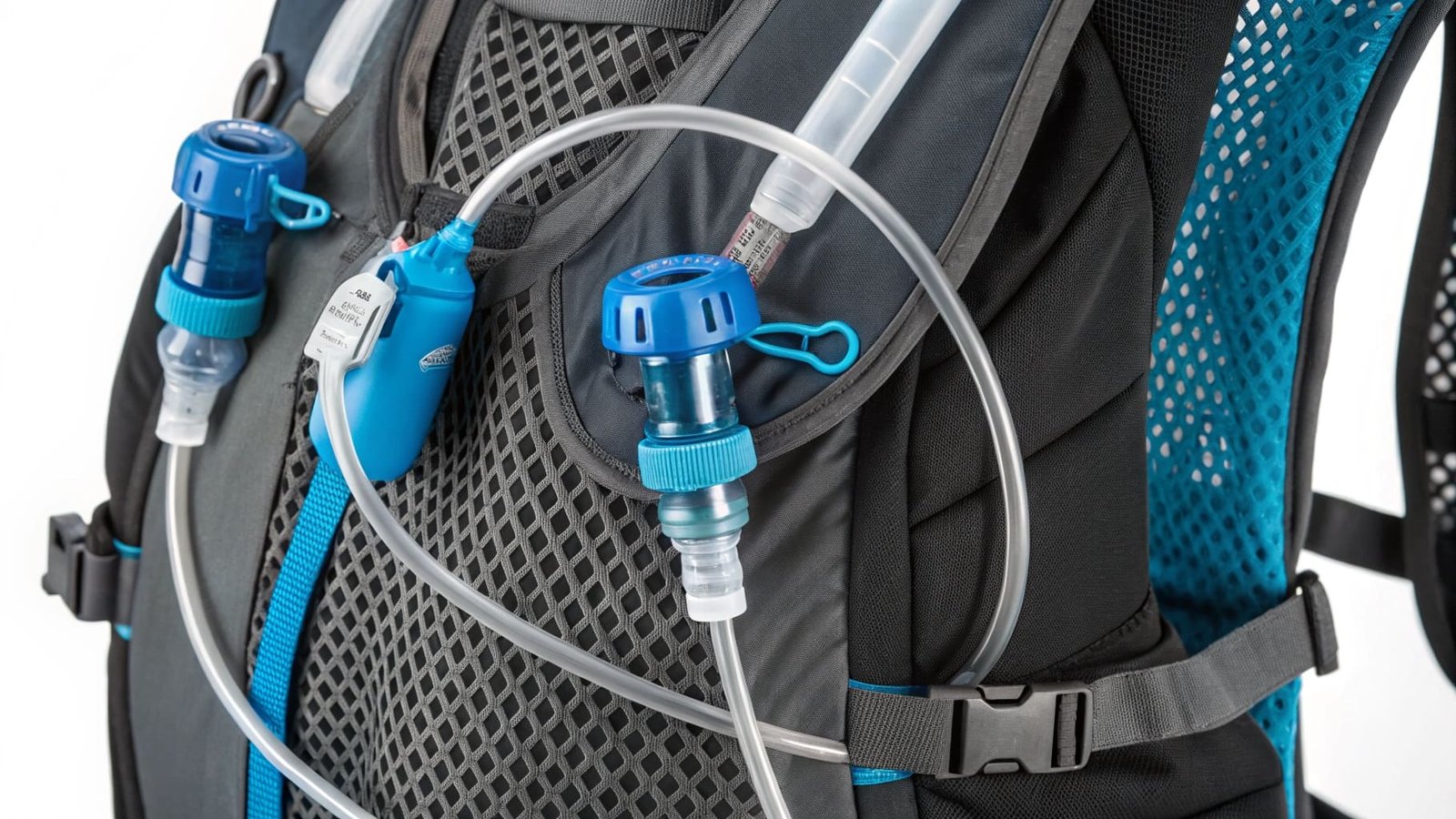
Why Quick Connect Systems Dominate Modern Hydration Products
I saw this shift happen over five years. Early adopters were military contractors. They needed soldiers to refill bladders quickly without removing packs. The advantages became clear immediately.
Quick connect fittings eliminate threading completely. Users push and twist. The connection locks. This takes three seconds compared to thirty seconds with traditional connectors. Speed matters when you are managing large teams.
Contamination prevention improves dramatically. Traditional connectors require full opening. Dirt and debris enter easily. Quick connect systems minimize opening size. They include check valves that prevent backflow.
The user experience improvement drives repeat purchases. I distribute products through retailers in Canada. They report higher customer satisfaction with quick-connect systems3. Returns drop by forty percent compared to threaded connectors.
Backward compatibility presents the biggest challenge. Many existing hydration packs use proprietary connectors. We design adapters that bridge old and new systems. This approach lets buyers upgrade gradually without replacing entire inventory.
How Do Hydration Bladders Work?
Many buyers purchase hydration systems without understanding the mechanics behind water delivery. This knowledge gap leads to poor component selection. Understanding the system helps you specify better products.
Hydration bladders use gravity-fed or pressure-assisted flow. Water moves from a flexible reservoir through tubing to a bite valve connector. Users apply teeth pressure to open the valve and drink.
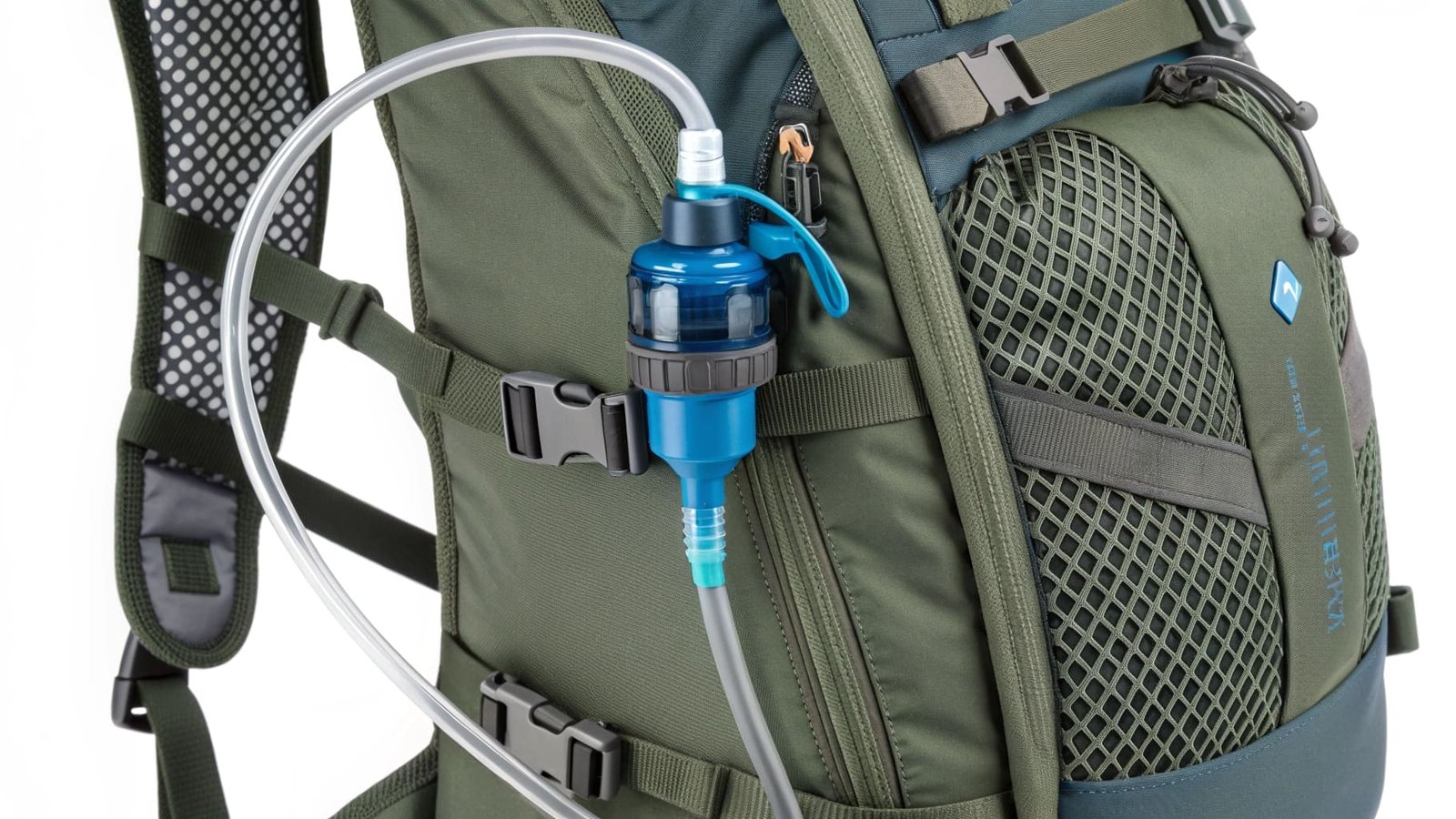
The Critical Role of Connector Mechanisms
I spent months testing different connector designs. The mechanism seems simple. It involves complex engineering to work reliably.
Water flows based on pressure differential. Gravity provides pressure in most consumer applications. The bladder sits higher than the bite valve. Water naturally flows downward through the tube. Some military systems add pressure assistance for faster flow rates.
The tube material affects flow rate significantly. Silicone tubes offer better temperature resistance. TPU tubes provide lighter weight. Diameter matters too. We use 6mm tubes for standard flow. Athletic applications need 8mm tubes for higher volume.
Bite valve connectors require precise engineering. They must stay sealed until the user bites. The seal prevents leaks when the pack bounces or tips over. Good designs use dual-seal systems with both internal spring pressure and external compression seals.
| Component | Function | Material Options | Failure Points |
|---|---|---|---|
| Reservoir | Water storage | TPU, EVA | Seam separation |
| Tube | Water transport | Silicone, TPU | Kinking, cuts |
| Connector | System interface | Medical silicone | O-ring wear |
| Bite valve | Flow control | Food-grade silicone | Spring fatigue |
Temperature range creates the biggest engineering challenge. The connector must maintain leak-proof seals from -20°C to 60°C. Cold temperatures make materials rigid. Heat makes them soft. We test every batch across this full range before shipping.
Cleaning and assembly ease affects long-term satisfaction. Professional users clean bladders weekly. Complex connectors with many small parts frustrate them. Our designs use maximum three components that disassemble without tools. This simplicity reduces customer service calls.
Market Trends Shaping B2B Purchasing Decisions
I notice three major shifts in buyer priorities over the past two years.
Antimicrobial properties now appear in most RFQs. Buyers want silicone components that inhibit bacterial growth. This reduces health risks and extends product life. We add silver ion treatments to our medical-grade silicone. Laboratory tests show ninety-nine percent bacterial reduction.
Sustainable materials drive corporate purchasing decisions. Large companies commit to environmental goals. They need suppliers who provide recyclable or biodegradable components. We develop bio-based silicone alternatives that meet food safety standards while reducing carbon footprint.
Backward compatibility saves buyers significant money. They have existing inventory and established product lines. New connector systems must work with legacy products. We maintain compatibility with major brand standards. This approach lets buyers upgrade gradually without obsoleting current stock.
The connector evolved from simple accessory to key differentiator. I see this in how buyers evaluate samples. They used to test bladders for leaks. Now they test connectors repeatedly. They check ease of assembly. They verify seal integrity across temperatures. They measure flow rates. The connector determines whether they place an order.
Conclusion
Water bladder connector demand grows because quality connectors solve real problems. B2B buyers need reliable components that reduce returns and improve customer satisfaction across diverse applications.
-
Explore this resource to find reliable hydration system components that meet quality and scalability needs. ↩
-
Understand the significance of medical-grade silicone in hydration products and its benefits for users. ↩
-
Discover the benefits of quick-connect systems and why they are preferred in modern hydration solutions. ↩