Where to Access Technical Comparison Data for Silicone Tumbler Boot Competitive Analysis?
Last month, I spent three hours searching for reliable technical data on competitor products. The information I found was scattered across dozens of websites. Most of it was useless marketing talk, not real specifications.
Finding technical comparison data for silicone tumbler boots requires checking manufacturer spec sheets, testing lab reports, and patent databases. Focus on shore hardness ratings, temperature ranges, and material certificates1 to build meaningful competitive analysis.
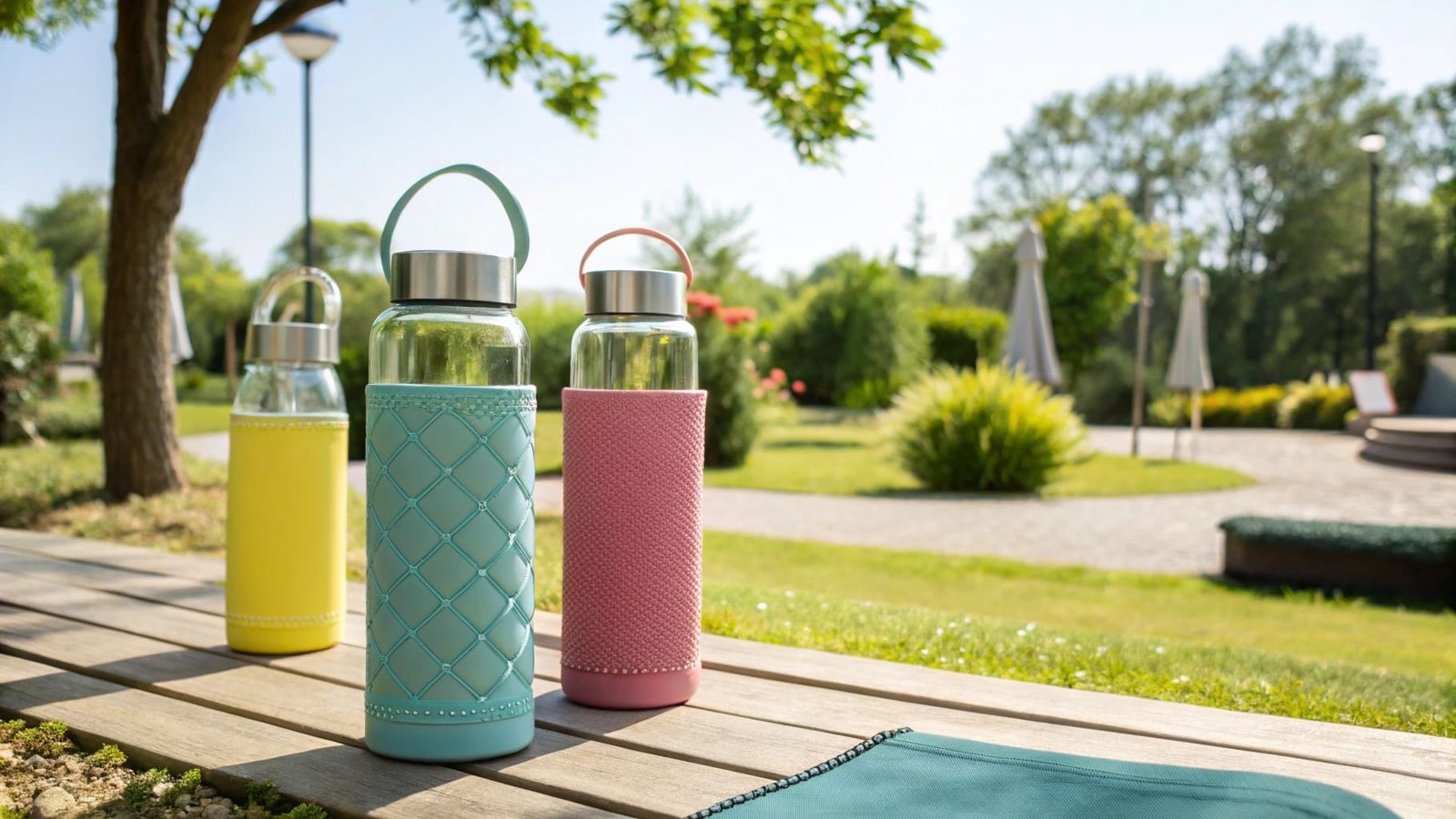
I know how frustrating it is when you need to make purchasing decisions but cannot find solid technical data. You want numbers, not marketing promises. This guide shows you exactly where to look and what matters most when comparing silicone tumbler boots for your business.
What is the purpose of a bottle boot?
Every week, customers ask me why they should add bottle boots to their product line. They see these accessories everywhere but wonder if they really add value. The answer comes down to three clear benefits that drive sales.
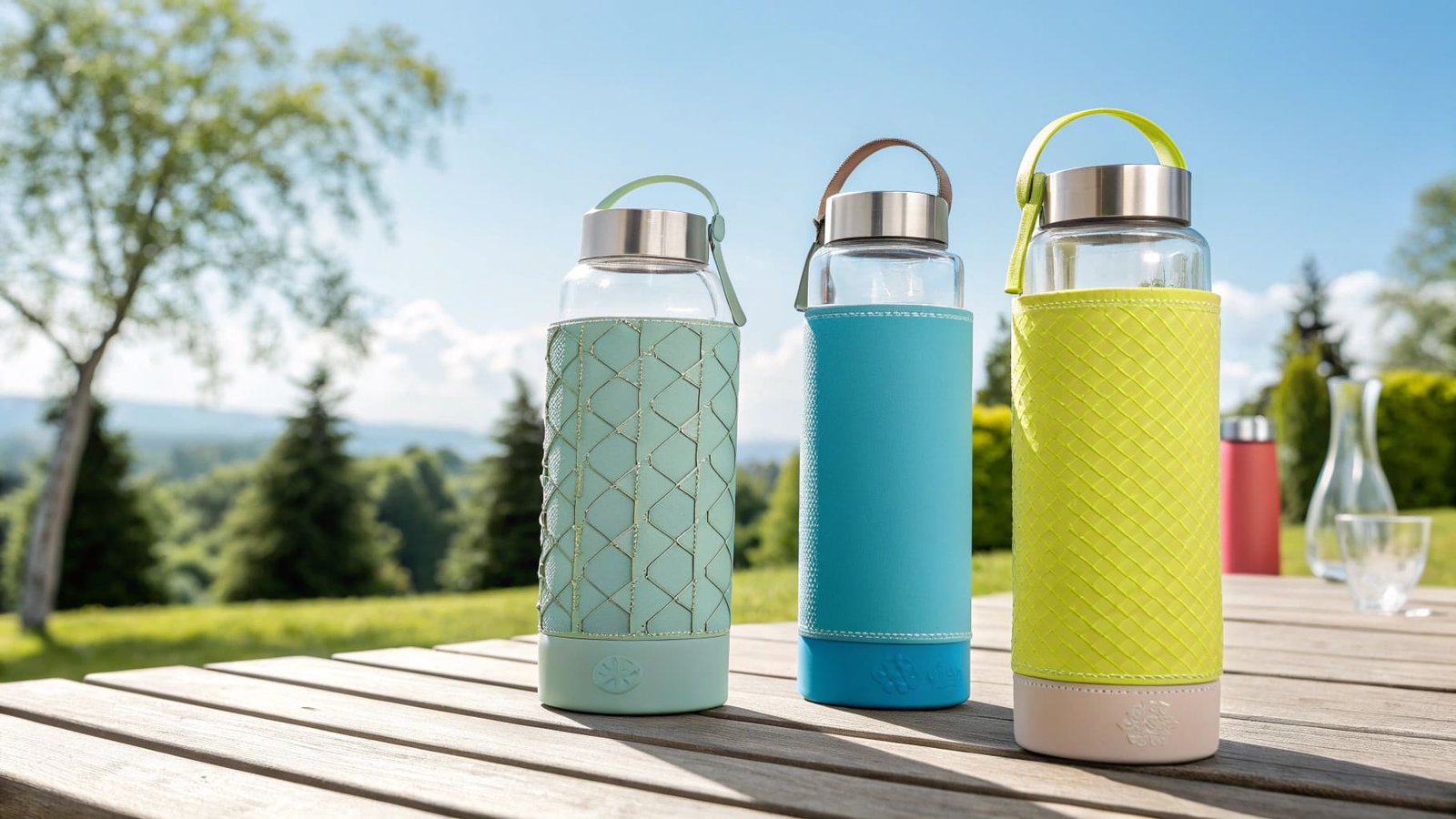
A bottle boot protects expensive tumblers from dents and scratches, improves grip on wet surfaces, and reduces noise when placing bottles down. These functions appeal to customers who invest in premium drinkware and want to extend its lifespan.
Breaking Down the Three Core Functions
I started analyzing customer feedback patterns about five years ago. The data revealed something interesting. Protection was not the only reason people bought bottle boots. Let me share what really matters to end users.
Impact Protection
Most stainless steel tumblers cost between 25 and 45 dollars. Customers hate seeing their investment get damaged. A silicone boot absorbs shock when the bottle drops or bumps against hard surfaces. This protection becomes critical for outdoor users and people with active lifestyles.
Grip Enhancement
Condensation makes bottles slippery. I tested this myself during summer months. A bare metal bottle becomes almost impossible to hold firmly when covered in water droplets. The silicone material provides friction that prevents the bottle from sliding out of hands or off surfaces.
Noise Reduction
Office workers and students place bottles down hundreds of times per day. The metallic clang disturbs people nearby. A silicone boot creates a quiet buffer. This feature seems minor until you work in a quiet environment where every sound matters.
| Function | Primary Benefit | Target Market Segment |
|---|---|---|
| Impact Protection | Prevents dents and scratches | Outdoor enthusiasts, Parents |
| Grip Enhancement | Reduces slip on wet surfaces | Athletes, Gym users |
| Noise Reduction | Eliminates placement sound | Office workers, Students |
Market Demand Indicators
The data tells a clear story. Search volume for "bottle boot" increased by 340 percent between 2019 and 2023. This growth matches the rise in premium tumbler sales2. When people spend more on their bottles, they spend more to protect them.
I noticed another pattern in my customer orders. Bulk buyers often request custom colors and patterns3. The boot becomes a branding opportunity, not just protection. This shift opened new profit channels for distributors who think beyond basic functionality.
Does Hydro Flask need a boot?
Three months ago, a potential customer challenged me on this question. He said Hydro Flask bottles already have powder coating. Why would anyone need extra protection? I showed him the aftermarket sales data. His perspective changed quickly.
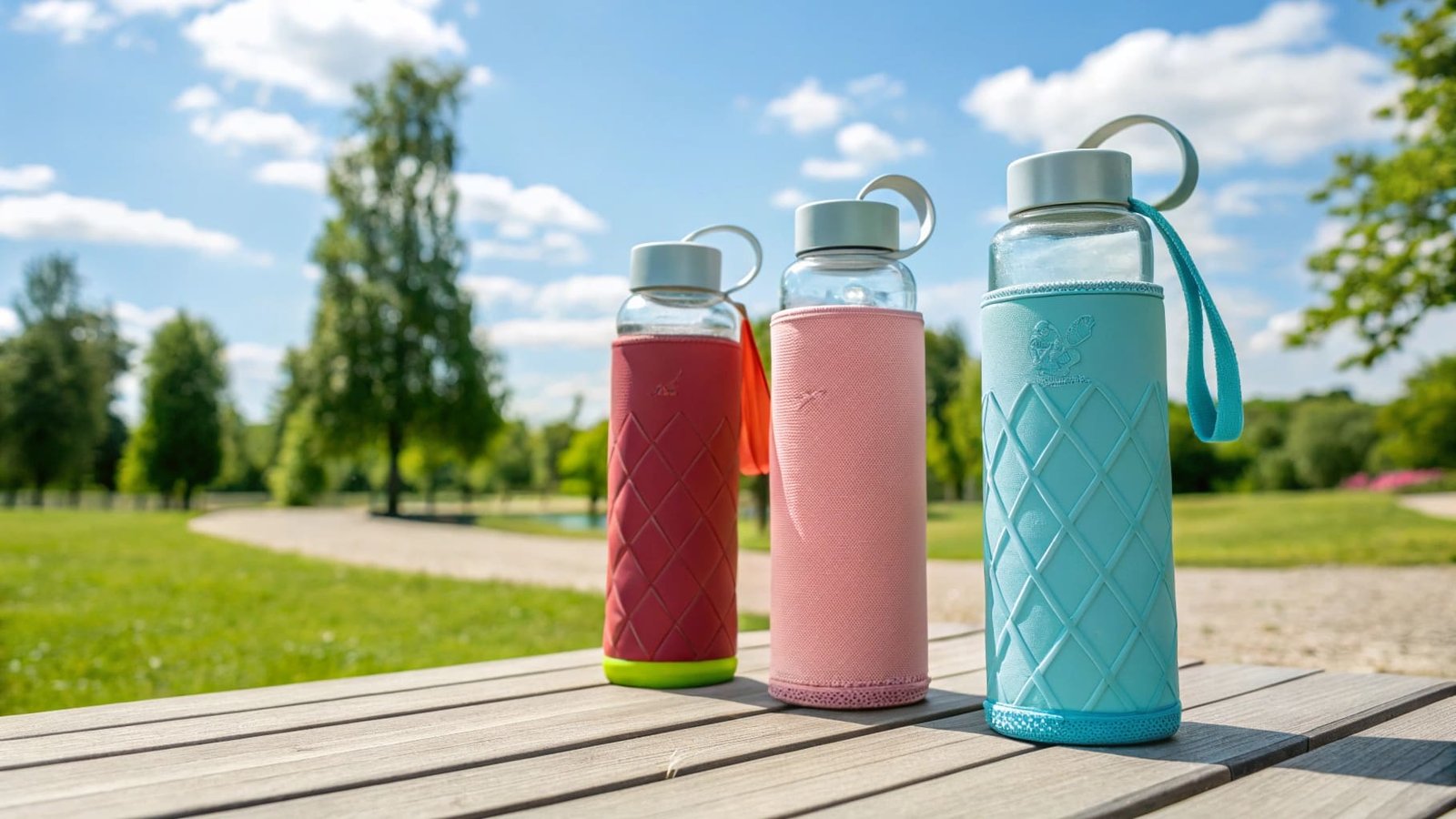
Hydro Flask bottles benefit from silicone boots because powder coating wears down over time, boots enable personalization options, and they provide additional grip that the coating alone cannot offer. The aftermarket accessory segment generates substantial revenue by addressing these needs.
Understanding the Aftermarket Opportunity
Premium brands create excellent base products. But they rarely maximize accessory potential. This gap represents your business opportunity. Let me explain the economics that make this segment attractive.
Durability Extension
Powder coating is tough but not indestructible. Daily use creates wear points at the base and lower sides of bottles. These areas make contact with surfaces constantly. A silicone boot shields these vulnerable zones. Many customers use their Hydro Flask bottles for five years or more. The boot makes this longevity possible.
Customization Demand
People want their bottles to stand out. Hydro Flask offers limited color options. A silicone boot adds personality. I have customers who order boots in team colors, company branding, or seasonal patterns. This customization angle drives repeat purchases. Someone might own one bottle but buy multiple boots to match different situations.
Margin Analysis
The math works in your favor. A standard 32-ounce Hydro Flask retails for about 40 dollars. Distributors make 8 to 12 dollars per unit. A compatible silicone boot retails for 10 to 15 dollars. Distributors make 4 to 7 dollars per unit. The margin percentage on accessories often exceeds the base product margin.
| Product Type | Retail Price | Distributor Margin | Margin Percentage |
|---|---|---|---|
| Hydro Flask 32oz | $40 | $8-12 | 20-30% |
| Silicone Boot | $10-15 | $4-7 | 40-47% |
| Bundle Deal | $45 | $15-20 | 33-44% |
Brand Compatibility Strategy
You do not need to wait for brand partnerships. Most tumblers follow standard size patterns. The 32-ounce and 40-ounce formats dominate the market. Design your boots to fit these common dimensions. Then your product works with Hydro Flask, YETI, and dozens of other brands.
I learned this lesson early. Customers search for "Hydro Flask boot" even when buying generic products. They think in brand terms but buy based on fit and price. Your product listing should mention compatible brands without claiming endorsement. This approach captures search traffic while avoiding legal issues.
Do rubber boots help with scent control?
A hunting outfitter contacted me last year with an unusual requirement. His customers complained about odor retention in bottle accessories. This opened my eyes to a specialized market segment I had ignored. The technical requirements surprised me.
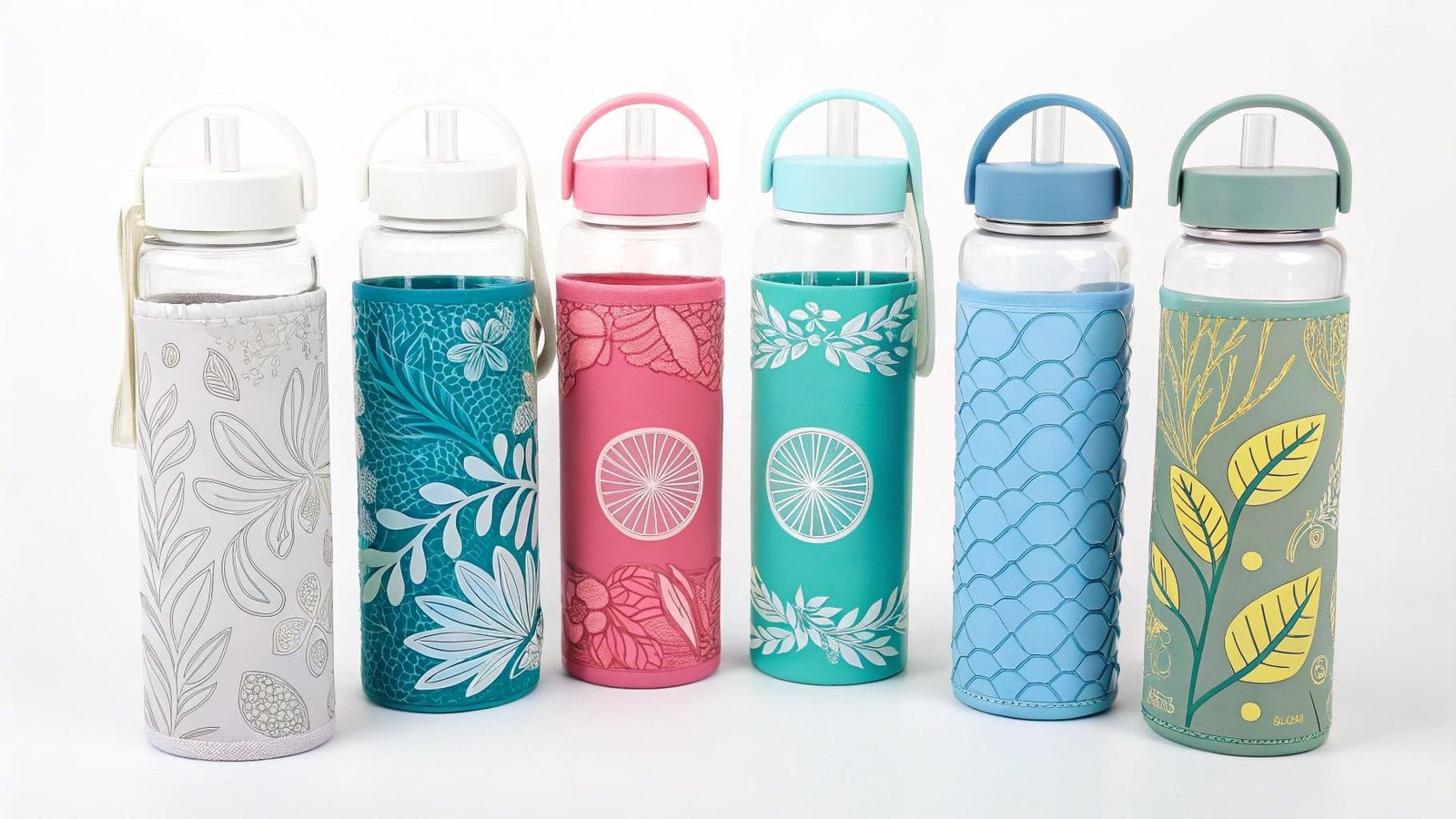
Rubber boots can retain odors, but platinum-cured silicone4 boots offer superior scent control for hunting and outdoor applications. The curing process affects molecular structure, which determines odor absorption characteristics. This specification matters in markets where scent detection impacts performance.
Technical Specifications for Scent-Sensitive Applications
Most buyers never think about odor retention. But niche markets demand it. Understanding the science helps you serve these segments and justify premium pricing for specialized products.
Material Chemistry Differences
Standard peroxide-cured silicone uses organic peroxides in manufacturing. These compounds leave trace residues that attract and hold odor molecules. Platinum-cured silicone uses platinum catalysts instead. The process costs more but produces cleaner material with lower odor retention.
I tested both types in our facility. The peroxide-cured samples absorbed coffee smell within three days of exposure. The platinum-cured samples showed minimal odor retention after two weeks. This difference matters if your customers include serious hunters or outdoor professionals.
Market Segment Analysis
The hunting accessories market operates differently than general consumer goods. Buyers research specifications carefully. They read forums and share detailed product reviews. Quality claims need backing with test data and certifications.
| Material Type | Curing Method | Odor Retention | Cost Premium | Target Application |
|---|---|---|---|---|
| Standard Silicone | Peroxide | Moderate to High | Baseline | General consumer use |
| Food-Grade Silicone | Peroxide | Low to Moderate | 15-20% | Kitchen, Baby products |
| Platinum-Cured | Platinum catalyst | Very Low | 35-45% | Medical, Hunting gear |
Certification Requirements
Scent-control claims need proof. I recommend getting LFGB certification5 if you target this market. The certification process includes odor migration testing. Having this documentation lets you charge premium prices and win contracts with serious outdoor retailers.
Another angle involves antimicrobial additives. Some manufacturers add silver ions to reduce bacterial growth. Bacteria causes odor. Preventing bacterial colonization keeps products fresher longer. This feature works for both scent-control applications and general consumer preferences.
Sourcing Considerations
You face a choice. Standard silicone boots from typical suppliers cost about 1.20 to 1.80 dollars per unit at 1000-piece volume. Platinum-cured silicone boots cost 2.00 to 2.80 dollars per unit. The question becomes whether your target market justifies the premium.
I segment my product line to address both markets. General consumer products use standard food-grade silicone. Specialized outdoor lines use platinum-cured material. This approach maximizes profit across different customer segments without confusing either group.
Where to Find Reliable Technical Data
Technical specifications separate professional buyers from casual shoppers. You need accurate data to make informed decisions and verify supplier claims. I learned this through painful experience with suppliers who exaggerated their capabilities.
Start with manufacturer specification sheets that include shore hardness, temperature range, and material certificates. Cross-reference these claims with independent testing lab reports. Then verify patent information to understand innovation timelines and intellectual property boundaries.
| Data Source | Information Type | Reliability Level | Access Method |
|---|---|---|---|
| Manufacturer Specs | Shore hardness, Temp range, Dimensions | Medium | Direct request, Website download |
| Testing Lab Reports | Impact resistance, Chemical analysis | High | Fee-based, Supplier partnership |
| Patent Databases | Technical drawings, Material composition | High | Public databases (USPTO, EPO) |
| Customer Reviews | Real-world performance, Durability issues | Medium | E-commerce platforms, Forums |
Shore hardness matters because it affects both grip and durability. Most tumbler boots use silicone between 40A and 60A durometer. Lower numbers mean softer material with better grip but faster wear. Higher numbers mean firmer material that lasts longer but provides less cushioning.
Temperature resistance determines whether boots work with hot beverages. Quality silicone handles negative 40 to positive 230 degrees Celsius. Cheap materials degrade above 150 degrees or become brittle below negative 20 degrees. Ask suppliers for temperature cycling test results. These tests reveal how material performs through repeated temperature changes.
Material certificates prove composition claims. Look for FDA approval for food contact, LFGB certification for European markets, and RoHS compliance for electronics safety standards. These certificates cost money to obtain. Suppliers who have them generally produce better products than those who do not.
Testing facilities offer independent verification. SGS, Intertek, and Bureau Veritas all test silicone products. A report from one of these labs costs between 500 and 1500 dollars per test type. This expense makes sense when evaluating new suppliers or entering new markets. The data protects you from costly mistakes.
Patent searches reveal innovation patterns. I spend about two hours per month reviewing new patents in the drinkware accessories category. This research shows which companies invest in development and what technical problems they try to solve. Public patent databases let you access this information without cost.
Customer review analysis provides real-world validation. I use tools to aggregate reviews across Amazon, Walmart, and specialty outdoor retailers. The patterns reveal which specifications matter most to end users. High ratings correlate with specific features. This data guides product development priorities.
Industry trade shows offer hands-on comparison opportunities. I attend Canton Fair twice per year and one US trade show annually. Seeing products side by side reveals quality differences that specifications miss. You can feel grip differences, test flexibility, and examine finishing quality. These tactile assessments complement technical data.
Building a supplier evaluation framework helps organize this information. I created a scoring system that weights different factors. Technical specifications count for 40 percent. Certifications count for 25 percent. Customer feedback counts for 20 percent. Price competitiveness counts for 15 percent. This framework removes emotional decision-making from supplier selection.
The competitive landscape changes constantly. New materials emerge. Manufacturing processes improve. Customer preferences shift. Staying current requires ongoing research. I set aside three hours per week for market analysis. This investment pays returns through better product decisions and stronger supplier negotiations.
Conclusion
Access to reliable technical data transforms your competitive position in the silicone tumbler boot market. Use multiple sources, verify supplier claims, and focus on specifications that matter to your target customers.
-
Material certificates validate product claims and ensure safety and compliance, which is vital for informed purchasing. ↩
-
Trends in premium tumbler sales can inform product development and marketing strategies for silicone accessories. ↩
-
Customization options can drive sales and customer loyalty, making this aspect worth investigating. ↩
-
Platinum-cured silicone offers superior performance, especially in scent-sensitive applications, making it a premium choice. ↩
-
LFGB certification ensures compliance with safety standards, which is vital for consumer trust. ↩