Why Do North American Retailers Require CPSIA Compliance for Silicone Cup Sleeves?
Last year, I lost a $50,000 order because I missed one certification document. The retailer rejected the entire shipment at customs. I learned the hard way that CPSIA compliance is not optional in North America.
North American retailers require CPSIA compliance for silicone cup sleeves1 because this law protects consumers from harmful substances in products that may contact children. CPSIA certification provides third-party verification that products meet strict safety standards, protecting retailers from liability and ensuring market access.
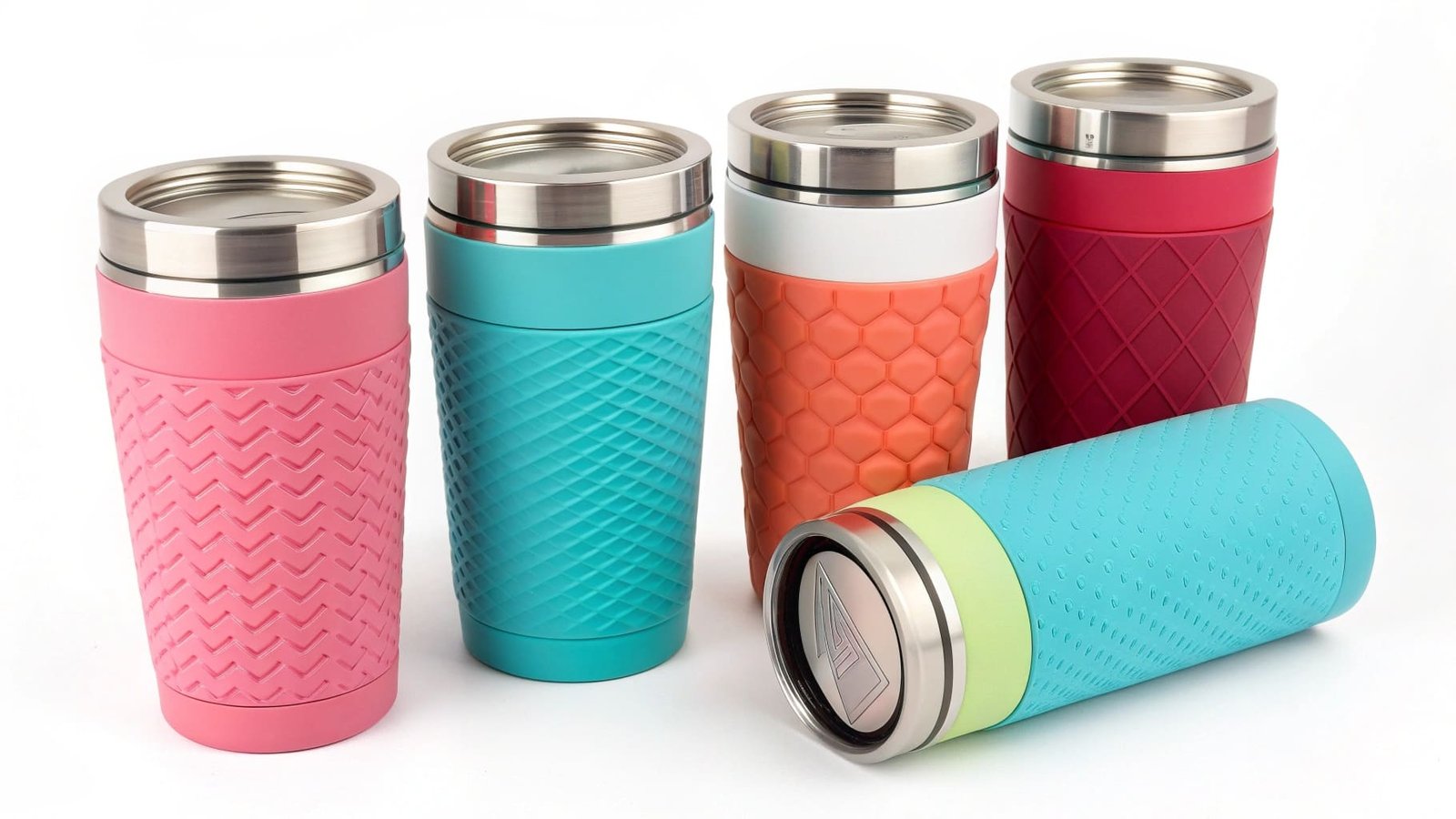
I remember sitting in my office that day, staring at the rejection notice. My customer was furious. I had delivered quality products, but without proper CPSIA documentation, they were worthless in the North American market. That experience changed how I approach compliance. Now I make sure every silicone cup sleeve shipment includes complete CPSIA test reports before it leaves my factory. This article will help you avoid the same costly mistake I made.
What is the Difference Between CPSC and CPSIA?
Many B2B buyers confuse these two terms. I did too when I started exporting to North America. The confusion cost me time and money until I figured out the relationship between them.
CPSC is the Consumer Product Safety Commission, a federal agency that enforces safety standards. CPSIA is the Consumer Product Safety Improvement Act of 2008, the specific law that CPSC administers. CPSC acts as the regulatory body while CPSIA serves as the rulebook.
Understanding the Regulatory Framework
I think of it this way: CPSC is like a traffic police officer, and CPSIA is the traffic law book. The officer enforces the rules written in the book. CPSC has the authority to recall products, impose fines, and block shipments. CPSIA defines what those rules are.
For silicone cup sleeves, CPSIA sets specific requirements. The law mandates testing for lead content, phthalates, and other restricted substances. Each substance has a maximum limit. Products must meet these limits before entering retail channels. CPSC-accepted laboratories conduct the tests. They issue certificates that prove compliance.
Here is what CPSIA testing covers for silicone cup sleeves:
| Test Item | Maximum Limit | Why It Matters |
|---|---|---|
| Lead Content | 100 ppm | Protects children from neurotoxicity |
| Phthalates (8 types) | 0.1% each | Prevents endocrine disruption |
| Cadmium | 75 ppm | Reduces cancer risk |
| Mercury | 60 ppm | Prevents nervous system damage |
I keep these numbers in my quality control handbook. Every batch gets tested against these standards before shipment.
What Does a Silicone Sleeve Do?
I learned something interesting when I started selling silicone cup sleeves. Many retailers do not understand why customers buy these products. They just know the items sell well and require CPSIA certification.
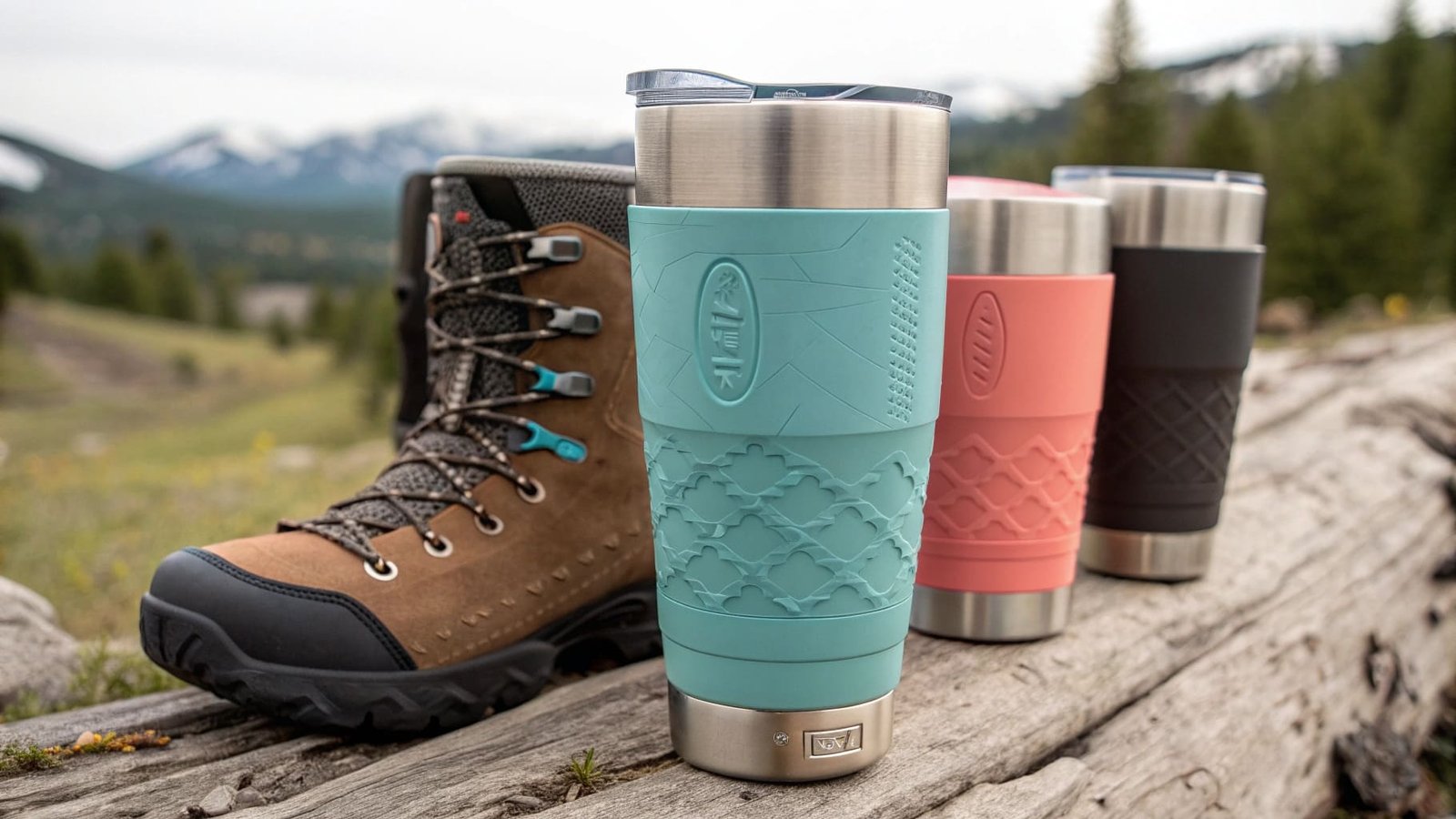
Silicone cup sleeves provide thermal insulation to protect users from hot beverages, improve grip to prevent spills, and add a protective layer that extends the cup's lifespan. They serve practical purposes that drive consumer demand in North American markets.
Multiple Functions Drive Market Demand
I once asked a retail buyer why silicone sleeves were so popular. She told me customers want three things: protection, comfort, and style.
The thermal insulation function matters most. Hot coffee can burn hands. A silicone sleeve creates a barrier between the hot cup and the user's skin. The material has low thermal conductivity. Heat does not transfer quickly through silicone. Users can hold their coffee cups comfortably.
The grip improvement prevents accidents. Smooth paper cups slip easily from hands. Silicone has natural friction. The textured surface of a silicone sleeve gives users better control. Fewer spills mean happier customers. Retailers love products that reduce customer complaints.
The protective function extends product life. Cups drop and crack. A silicone sleeve absorbs impact. The flexible material cushions the cup during falls. Some sleeves even prevent condensation from forming on cold drinks. No water rings on tables. These practical benefits make silicone sleeves attractive to consumers.
For retailers, silicone cup sleeves represent an accessory category that generates additional revenue. The profit margin on accessories often exceeds the base product. A customer buying a tumbler might add a sleeve for extra protection. This upsell opportunity makes compliance worth the effort.
Are Silicone Cups Safe to Drink From?
This question comes up in every sales meeting. Buyers worry about customer safety. They know one product recall can destroy a brand's reputation. I take this concern seriously because their worry is valid.
High-quality food-grade silicone2 is safe for drinkware applications. The material remains stable across temperature ranges, does not leach chemicals into beverages, and resists bacterial growth. However, retailers require CPSIA certification for third-party verification of these safety claims.
Why Certification Matters More Than Marketing Claims
I can claim my silicone is safe all day long. Retailers will not believe me without proof. They need CPSIA certification from accredited laboratories. This is where many Chinese suppliers fail. They use low-quality silicone but provide fake certificates. Eventually, the truth comes out during customs inspection or retailer audits.
Food-grade silicone has specific properties. The material uses platinum as a catalyst during curing. This process creates a stable polymer. The silicone does not break down when exposed to heat or cold. Temperature ranges from -40°F to 450°F cause no chemical changes. Compare this to some plastics that release harmful substances when heated.
The non-leaching property is critical. I test this regularly. We fill cups with hot water and let them sit for 24 hours. Then we test the water for contaminants. Food-grade silicone shows zero leaching. Low-quality silicone releases substances into the liquid. These substances can taste bad or cause health problems.
Bacterial resistance adds another safety layer. Silicone has a non-porous surface. Bacteria cannot penetrate the material. Other materials like certain plastics have tiny pores. Bacteria hide in these spaces and multiply. Silicone cups stay cleaner with basic washing.
North American retailers specifically require CPSIA certification because it provides independent verification. The certification process involves:
- Material testing at CPSC-accepted laboratories
- Documentation of material composition
- Supply chain traceability
- Regular batch testing
This verification protects retailers from liability. If a product causes harm, the retailer can prove they did due diligence. The CPSIA certificate shows they verified safety before selling. This legal protection is worth the compliance cost.
For B2B buyers sourcing silicone cup sleeves, understanding these requirements is critical. I learned this through experience. Retailers will reject shipments lacking proper CPSIA documentation. The result is costly delays or lost contracts. I now maintain a compliance checklist for every order.
Successful suppliers proactively provide test reports from CPSC-accepted laboratories. We clearly document material composition. We maintain traceability throughout our supply chain. This regulatory awareness separates professional suppliers from those unprepared for the North American market's demanding standards.
Conclusion
CPSIA compliance for silicone cup sleeves is not just paperwork. It represents a commitment to consumer safety and market access. Understanding these requirements protects both suppliers and retailers from costly mistakes.