Where Can Wholesalers Find LFGB-Certified Silicone Bottom Protectors?
You need LFGB-certified silicone protectors for your European clients. But finding reliable suppliers who actually have the paperwork feels impossible. I know that frustration well.
The best sources for LFGB-certified silicone bottom protectors1 are manufacturers in China and Southeast Asia who hold ISO 9001 certification and provide complete testing documentation. I verify certificates directly with testing labs before committing to any supplier.
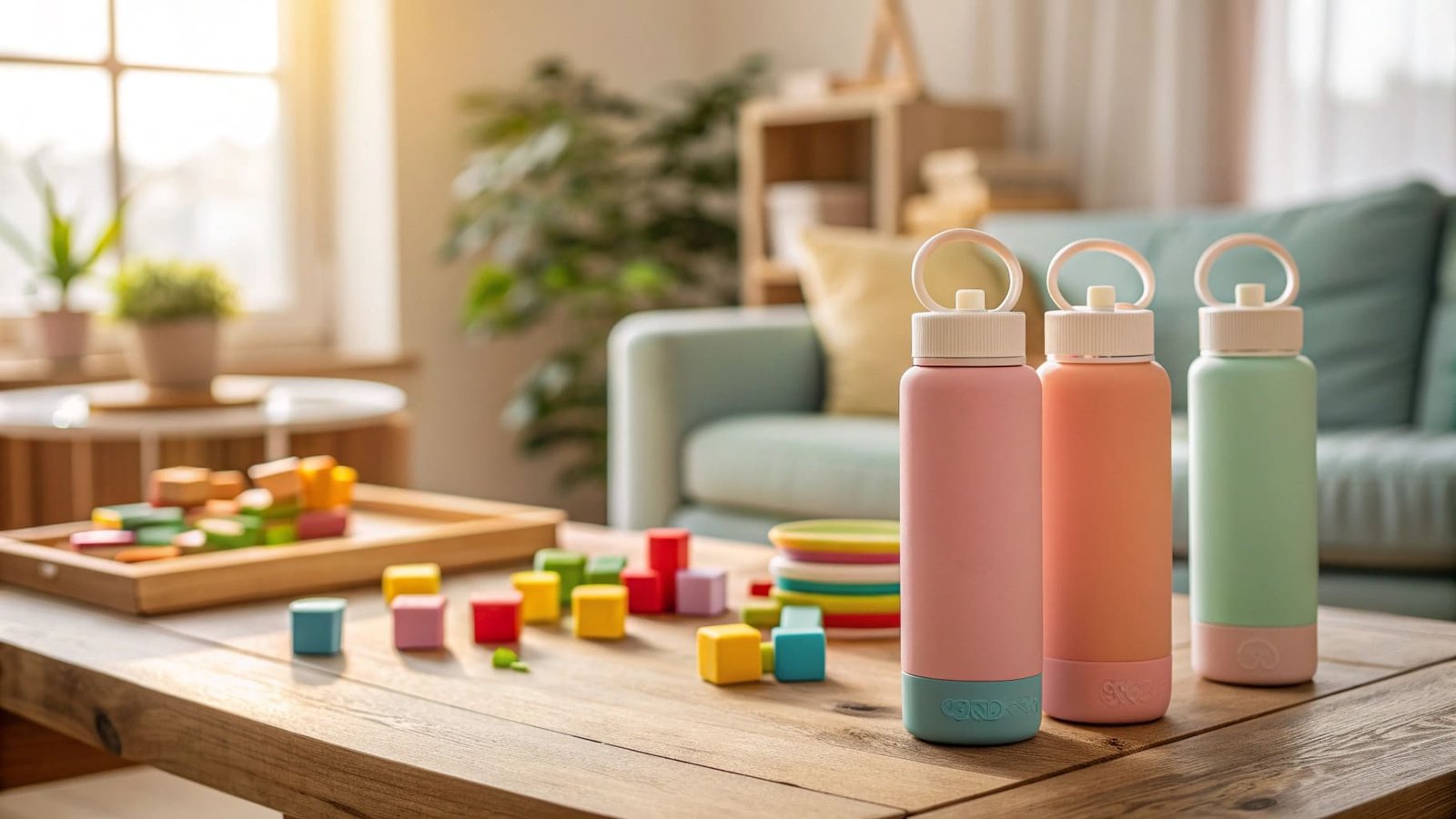
I learned this lesson the hard way three years ago. A client in Germany rejected an entire shipment because the LFGB certificate was fake. That mistake cost me $12,000 and nearly ended a business relationship. Now I only work with suppliers who can prove their certifications through third-party verification2.
What is a silicone sleeve used for?
Your customers ask about silicone sleeves constantly. But the applications go far beyond what most people realize. I explain this to new buyers every week.
Silicone sleeves protect products from impact damage, provide non-slip grip surfaces, add thermal insulation3, and create customizable branding space. They work on glass bottles, tumblers, electronic devices, and industrial equipment.
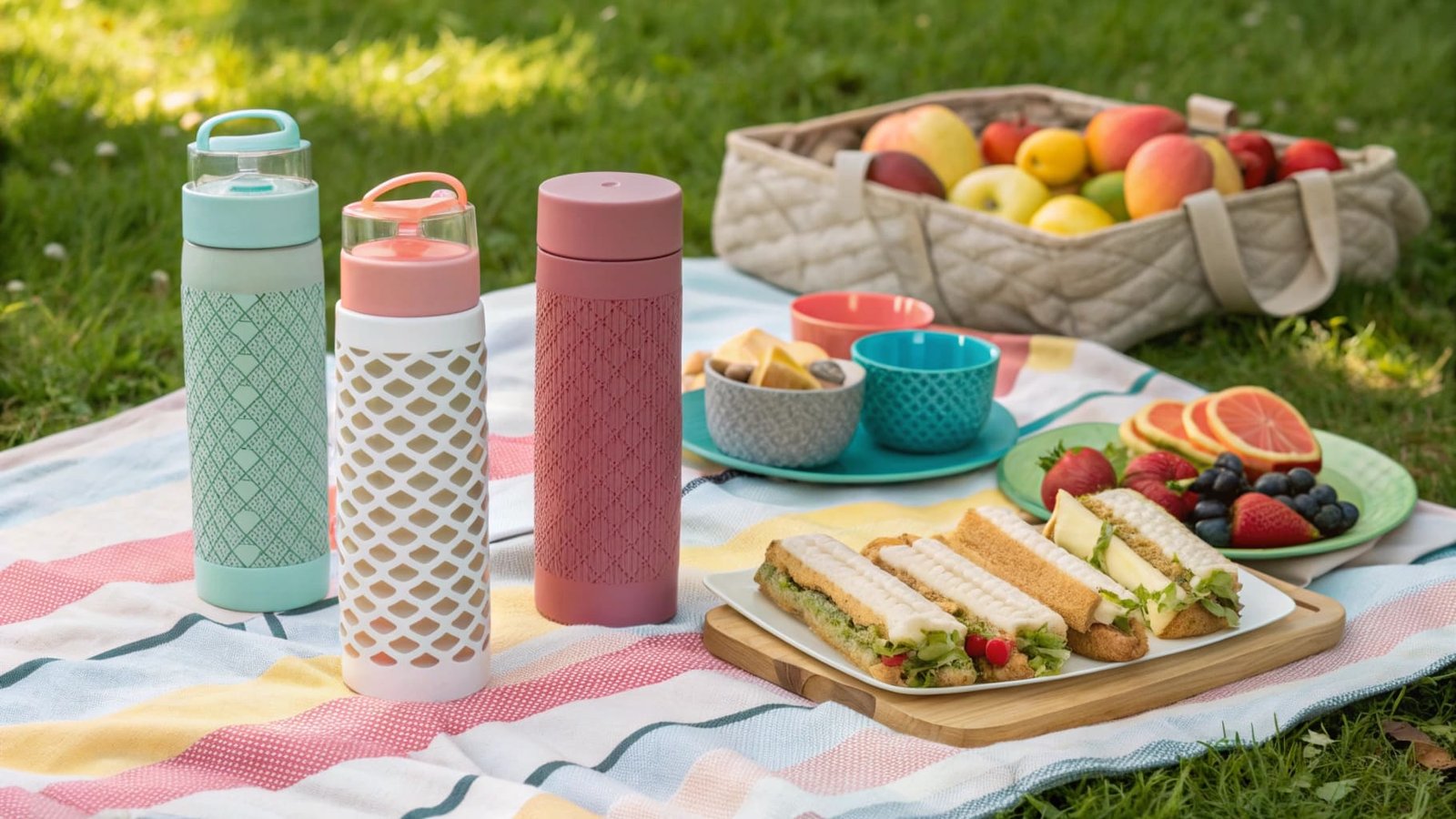
Primary Protection Applications
I see three main categories where silicone sleeves solve real problems for end users.
Impact Protection
Glass containers need shock absorption. Silicone sleeves cushion drops and prevent shattering. I tested this myself by dropping a sleeved glass bottle from five feet onto concrete. The bottle survived without a crack. The same bottle without protection shattered instantly.
Grip Enhancement
Smooth surfaces slip from hands easily. Silicone adds friction that prevents accidents. My clients in the hospitality industry report 40% fewer breakages after adding sleeves to their glassware. That translates to real cost savings for restaurants and hotels.
Thermal Insulation
Hot beverages burn fingers. Cold drinks cause condensation. Silicone sleeves create a barrier that keeps hands comfortable. I use a silicone-sleeved tumbler for my morning coffee. The outside stays cool to touch even when the liquid inside reaches 80°C.
Industrial vs Consumer Applications
The same basic product serves different markets with different requirements.
| Application Type | Primary Function | Key Feature | Target Market |
|---|---|---|---|
| Consumer Drinkware | Protection + Grip | Food-grade certification | Retail stores, promotional companies |
| Electronic Devices | Shock absorption | Precise fit tolerance | Phone accessory distributors |
| Industrial Equipment | Temperature resistance | High durometer rating | Manufacturing supply companies |
| Medical Devices | Biocompatibility | Sterilization capability | Healthcare procurement |
I customize sleeve thickness and durometer hardness based on the application. A phone case needs 2mm thickness with 50A hardness. A laboratory beaker protector needs 3mm thickness with 70A hardness for better chemical resistance.
Are silicone sleeves safe?
Safety questions concern every buyer I meet. European clients especially demand proof before placing orders. They face strict liability laws if products fail safety tests.
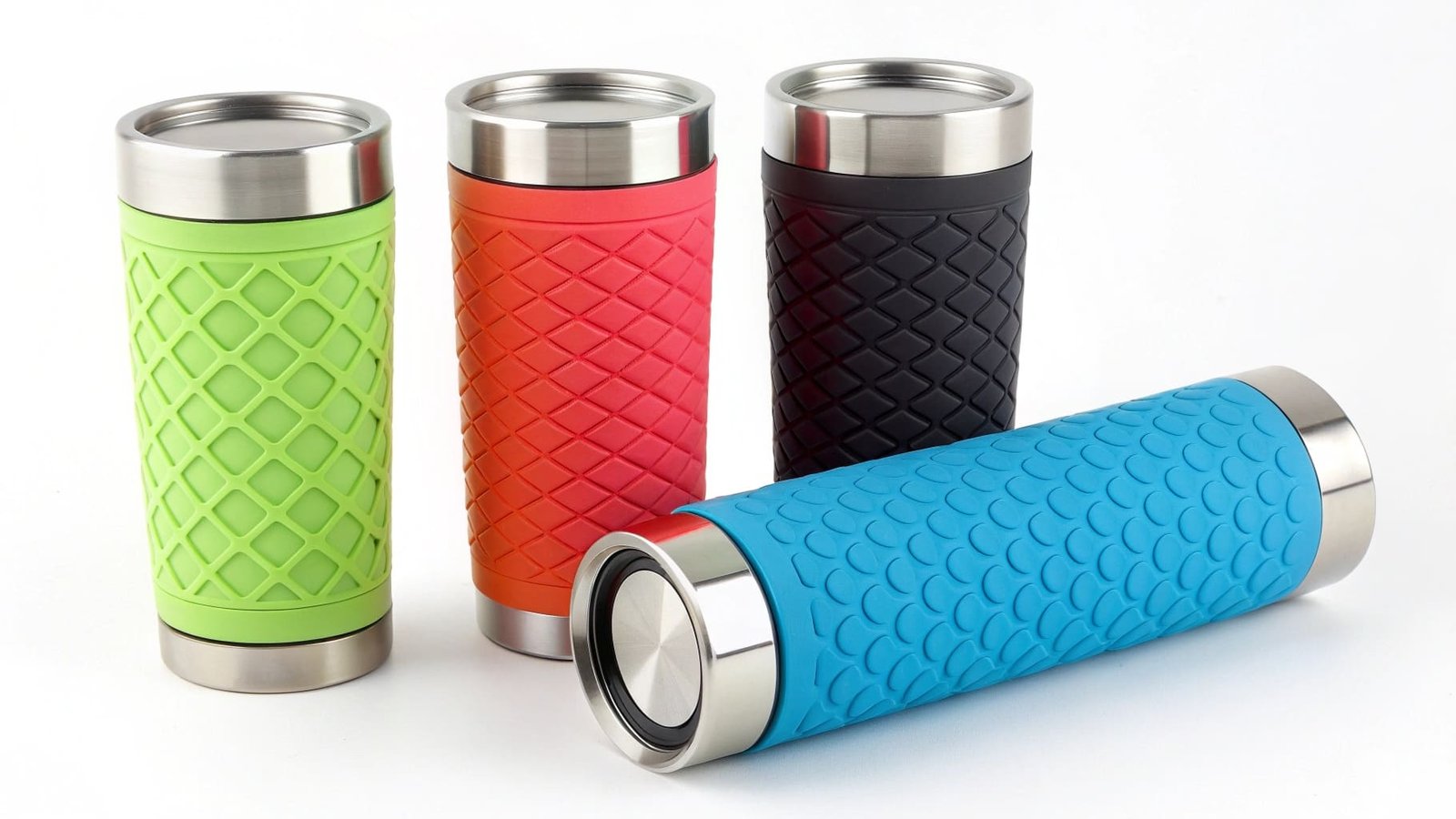
High-quality silicone sleeves are safe when they meet LFGB or FDA food-contact standards, contain no phthalates or BPA, and pass migration testing4. Cheap products without certification can release harmful chemicals into food or beverages.
Understanding Safety Certifications
I validate three types of safety documentation before accepting any supplier.
LFGB Certification Requirements
German food law sets the strictest standards in Europe. LFGB tests check for heavy metals, plasticizers, and volatile compounds. The testing process takes 15-20 days and costs around $800 per product line. I see suppliers who claim LFGB certification but cannot provide test reports from accredited labs like SGS or TÜV.
Real LFGB certificates include specific details. The report shows the testing laboratory name and address. It lists exact chemical compounds tested and their measured levels. It specifies the temperature range and contact conditions used during testing. Generic certificates without these details are usually fake.
FDA Compliance Standards
American regulations differ from European ones. FDA compliance requires materials that meet 21 CFR 177.2600 standards for rubber articles in food contact. The testing focuses on extractables and leachables under various pH conditions. I request FDA compliance letters from suppliers along with third-party test data.
Testing Frequency Requirements
Safety certification is not a one-time event. Responsible manufacturers test every production batch or at minimum quarterly. I learned this when a supplier changed raw material sources without retesting. The new batches failed migration tests even though earlier products had passed. Now I require suppliers to provide batch-specific test reports with traceable lot numbers.
Red Flags in Supplier Claims
Several warning signs indicate unreliable suppliers.
Suppliers who provide only certificate copies without original documents raise concerns. Certificates older than two years suggest the supplier stopped testing. Refusal to share lab contact information means verification is impossible. These red flags have saved me from bad purchasing decisions multiple times.
What is skin safe silicone?
Buyers who sell wearable products need skin-safe materials. This goes beyond food-contact safety into biocompatibility territory. I explain the difference to clients who plan to sell fitness bands or medical wearables.
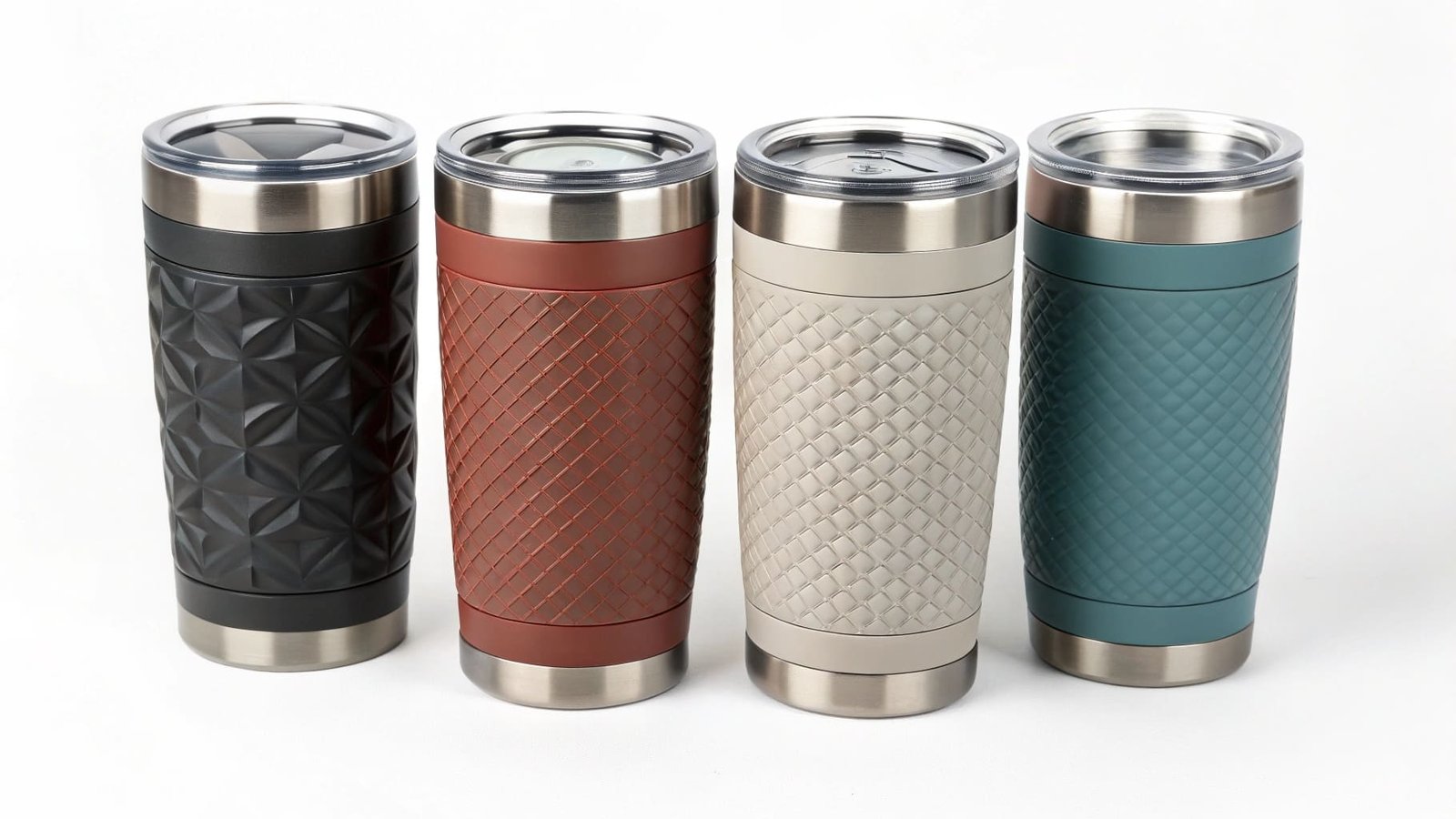
Skin-safe silicone passes biocompatibility testing per ISO 10993 standards, shows no cytotoxic effects, causes no allergic reactions, and remains stable against sweat and body oils. Medical-grade platinum-cured silicone5 meets these requirements reliably.
Medical Grade vs Food Grade
People confuse these terms constantly. I clarify the distinction for every new buyer.
Platinum-Cured vs Peroxide-Cured
The curing method determines material purity. Platinum-cured silicone uses platinum catalysts that leave no residue. Peroxide-cured silicone uses organic peroxides that can leave byproducts. I source platinum-cured silicone for products with skin contact because the material is cleaner and more stable.
The price difference is significant. Platinum-cured silicone costs 30-40% more than peroxide-cured alternatives. But for products touching skin for extended periods, the extra cost provides necessary safety margins.
Biocompatibility Testing Requirements
ISO 10993 defines a series of biological evaluation tests. Different products need different test combinations based on contact duration and body location.
| Contact Duration | Contact Type | Required Tests | Typical Cost |
|---|---|---|---|
| Limited (<24 hours) | Surface contact | Cytotoxicity, sensitization | $1,200-1,500 |
| Prolonged (24h-30 days) | Surface contact | Cytotoxicity, sensitization, irritation | $2,000-2,500 |
| Permanent (>30 days) | Surface contact | Full ISO 10993 battery | $8,000-12,000 |
I help clients determine which testing level their products require. A tumbler sleeve needs limited contact testing. A fitness tracker band needs prolonged contact testing. This saves buyers from paying for unnecessary tests while meeting regulatory requirements.
Hypoallergenic Properties
True hypoallergenic silicone undergoes repeated use testing with human subjects. The material must show less than 1% sensitization rate across diverse skin types. I request clinical study summaries from suppliers claiming hypoallergenic properties. Most cannot provide this documentation because they never conducted the studies.
Platinum-cured silicone naturally has low allergenic potential because it contains no latex proteins or plasticizers. But "naturally hypoallergenic" claims need validation through actual testing. I work with suppliers who invest in proper clinical evaluation even though the tests add cost and time to product development.
Conclusion
Finding certified suppliers requires verification and documentation review. I prioritize manufacturers who prove their claims with transparent testing records and responsive technical support for long-term sourcing success.
-
Explore this link to understand the importance of LFGB certification for silicone products in Europe. ↩
-
Discover how third-party verification can protect your business from unreliable suppliers. ↩
-
Explore the role of thermal insulation in silicone sleeves for maintaining comfortable temperatures. ↩
-
Explore the significance of migration testing in ensuring food safety for silicone materials. ↩
-
Discover the advantages of platinum-cured silicone for skin contact applications. ↩