Which Custom Kpop Cup Sleeve Designs Appeal to European Distributors?
European distributors are leaving money on the table. The K-pop wave is real, but the wrong designs kill deals before they start. Here is what actually works.
Custom K-pop silicone cup sleeves that appeal to European distributors share three traits: minimalist design, EU-compliant materials, and flexible MOQ options. Pastel palettes, clean fandom logos, and food-grade silicone with LFGB certification are the most requested features among buyers in the 25–45 age range.
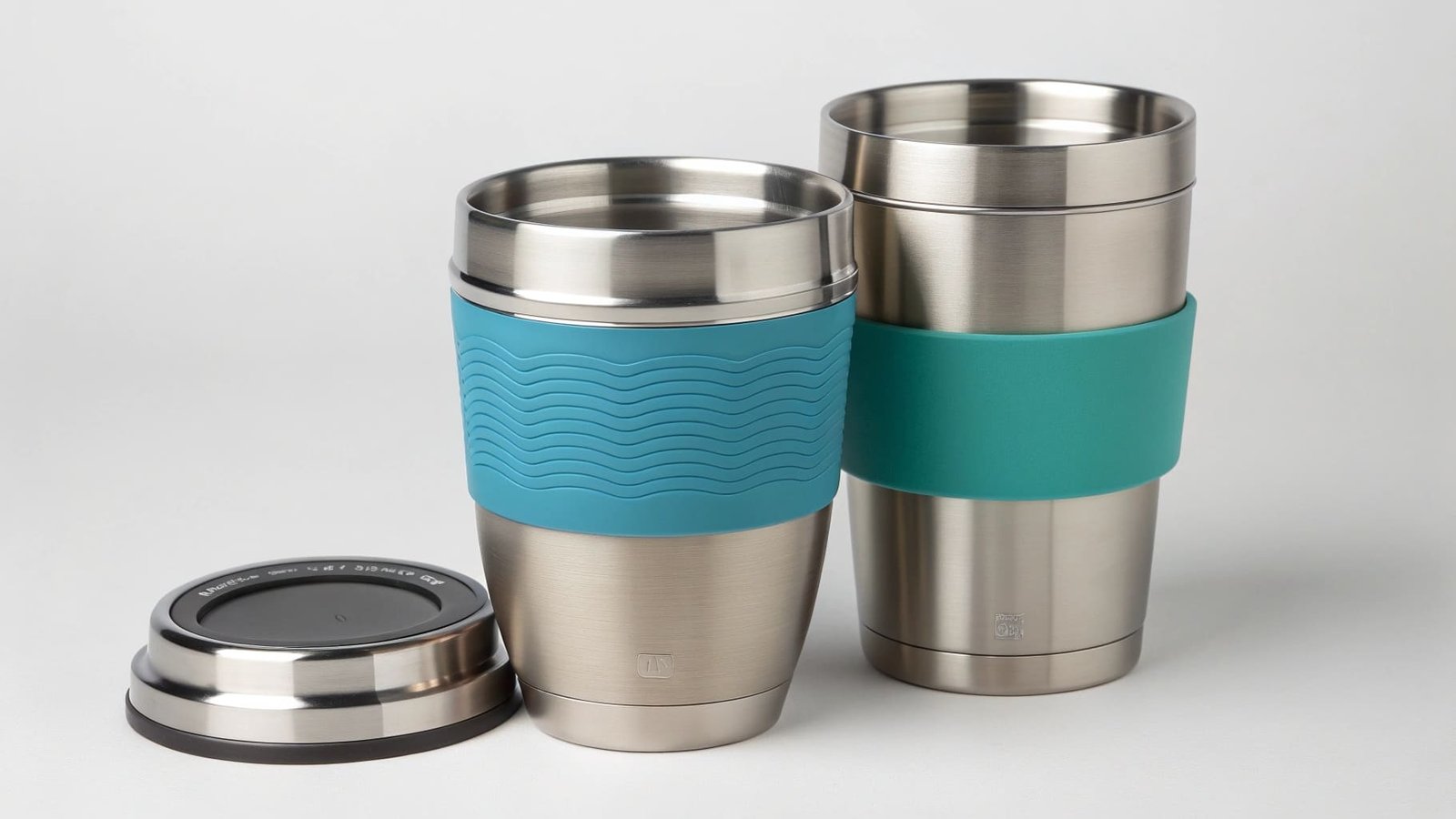
I work with buyers across Europe every season. The ones who reorder fastest got the design brief right from the start. The ones who struggle usually made one of the same three mistakes. I want to walk you through all of it.
Who Invented the Cup Sleeve?
You know the sleeve on your coffee cup. But do you know where it came from? The answer changes how you sell this product today.
The cup sleeve was invented by Jay Sorensen in 1991. He patented the first cardboard cup sleeve after spilling hot coffee on himself.1 That single problem created a product category worth hundreds of millions of dollars. The silicone version came decades later, driven by the reusable goods movement.
From Cardboard to Silicone: A Product That Grew Up
The original sleeve had one job: protect your hand from heat. That function has not changed. What changed is the material and the meaning.
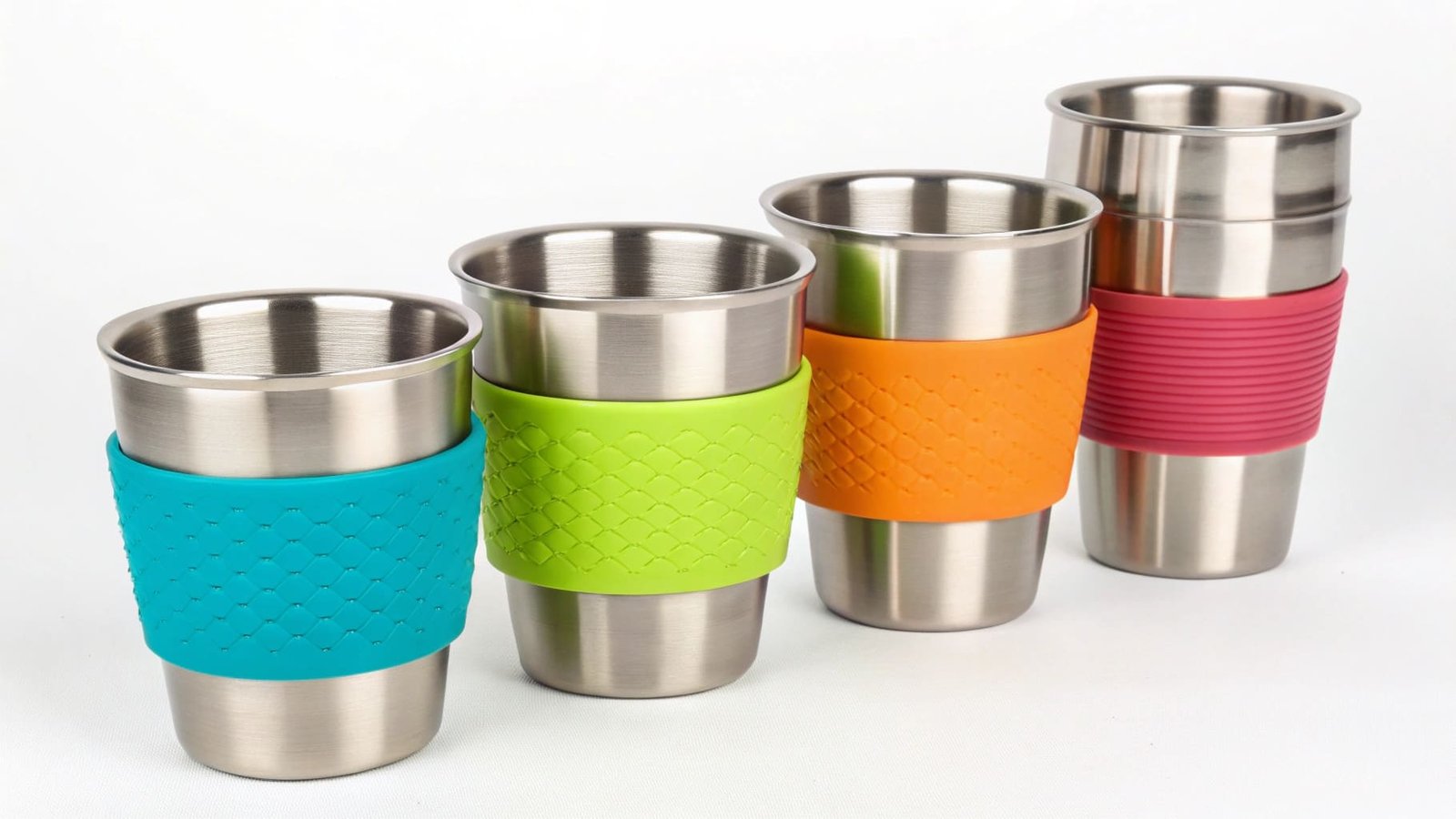
In the 2010s, silicone cup sleeves entered the market as a reusable, washable alternative to disposable cardboard.2 The shift matched a growing demand in Europe for sustainable consumer products.3 European buyers, especially in Germany, the Netherlands, and Scandinavia, began sourcing silicone sleeves because they aligned with stricter packaging regulations and local consumer values.
Then K-pop changed everything.
From around 2018 onward, Korean fan culture turned the humble cup sleeve into a collectible.4 Korean cafés started offering custom cup sleeves as gifts when a fan group celebrated a celebrity's birthday. Fans would line up, buy drinks, and keep the sleeve. The product moved from functional to emotional.
European distributors noticed. They saw a product that already had cultural momentum in Asia. They also saw an underserved market at home, where K-pop fandoms were growing fast among teens and young adults.
The table below shows how the cup sleeve evolved over time:
| Era | Material | Primary Use | Key Market |
|---|---|---|---|
| 1990s | Cardboard | Heat protection | Coffee shops |
| 2010s | Silicone | Reusable, eco-friendly | General retail |
| 2018–now | Custom silicone | Fan merchandise | K-pop retail, gift shops |
Understanding this history matters. European distributors are not just buying a sleeve. They are buying into a product story that connects sustainability, fan culture, and daily use. Suppliers who can tell that story clearly win the order.
What Does Cup Mean for Girls?
In K-pop fan culture, a cup sleeve carries a meaning beyond keeping hands comfortable. That meaning is worth real money to distributors who understand it.
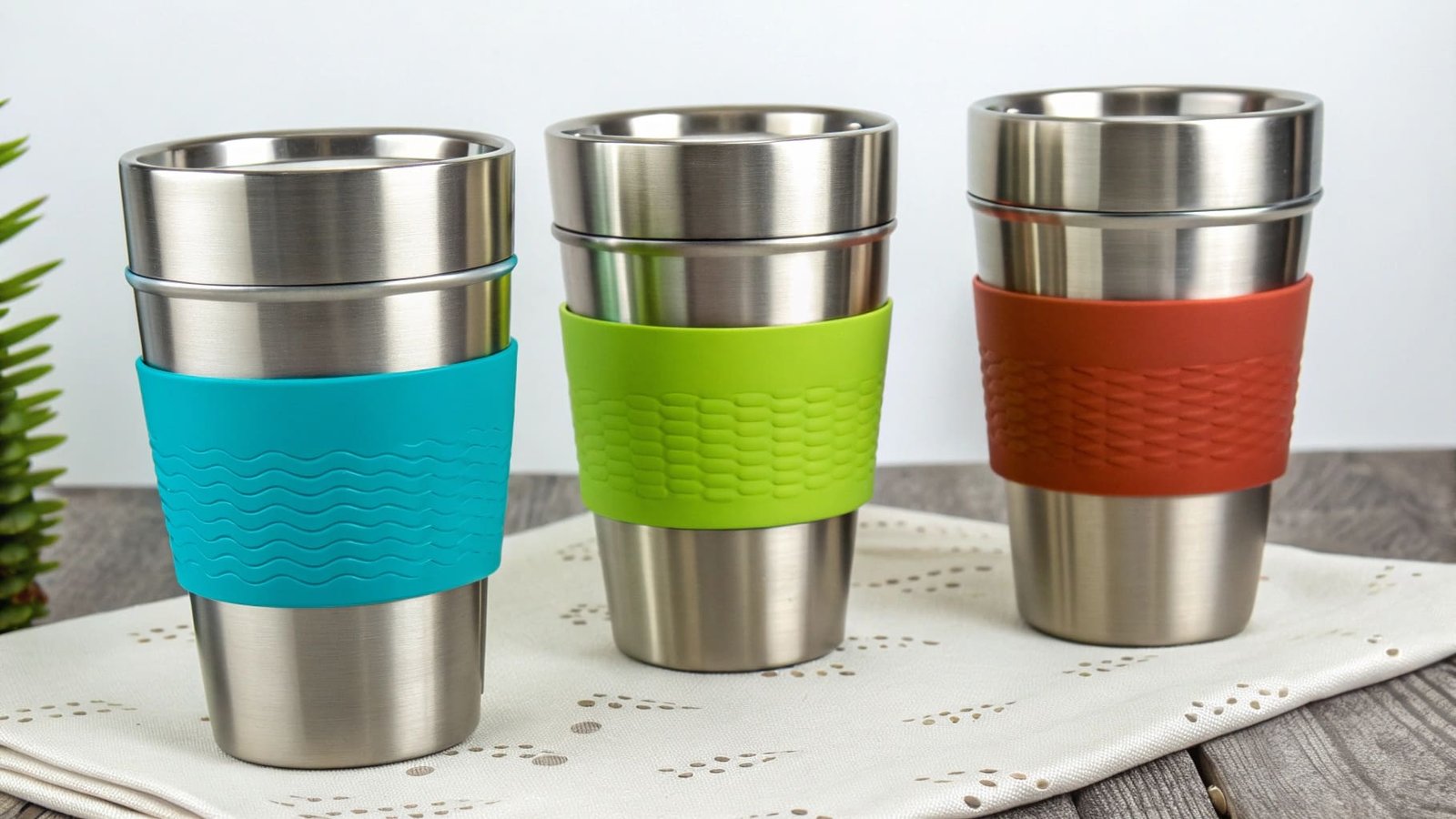
For female K-pop fans, a cup sleeve is a symbol of fandom identity. Fans collect sleeves featuring their favorite idol's photo, birthday artwork, or group logo. Owning and displaying a cup sleeve is a way to show belonging to a fan community.
Why Female Fans Drive the Cup Sleeve Market
The K-pop fandom in Europe skews female. Data from multiple European markets shows that girls and young women between 16 and 30 make up the largest share of active K-pop consumers5. They buy merchandise regularly, attend events, and shape the buying behavior of their social circles.
This matters directly to distributors. When I speak with procurement teams sourcing K-pop merchandise, they consistently name female fans as their core buyer profile. A cup sleeve that connects with this group sells faster and generates repeat purchases.
What connects with female K-pop fans in Europe?
| Design Element | Why It Works |
|---|---|
| Pastel color palettes | Matches European minimalist taste and fan aesthetics |
| Member-specific artwork | Drives individual purchases within a fan group |
| Soft matte finish | Feels premium and photographs well for social media |
| Subtle logo placement | Works across different retail settings |
European distributors also tell me that overly saturated or cluttered designs do not move well on local shelves. Designs that sell well in Korean markets are often too busy for European retail. The sweet spot is a design that feels authentically K-pop but looks clean enough for a mainstream gift shop.
This is where suppliers need to offer real design support, not just print-on-demand services. A supplier who understands European retail environments helps distributors avoid slow inventory and costly redesigns down the line. At Silijoy, this kind of consultation is part of how we work with new distributors from the start.
What Age Should I Start Wearing a Cup?
This question has a different answer depending on who is asking. For K-pop fans and the distributors who serve them, age is a targeting tool more than anything else.
The primary K-pop cup sleeve buyer is between 16 and 35 years old. Distributors who understand this age range design their inventory and marketing around it. Targeting too broadly dilutes the product's cultural relevance and reduces how much of the stock actually sells through.
Age Demographics and What They Mean for Your Order
When I talk to European distributors, the ones with the clearest buyer profile make the best sourcing decisions. They know which age group they serve. They know what that group wants. And they order accordingly.
Here is how age shapes buying behavior in the K-pop merchandise market:
| Age Group | Buying Behavior | Design Preference | Channel |
|---|---|---|---|
| 13–17 | Impulse buys, trend-driven | Bold, character-heavy designs | Social media, fan events |
| 18–25 | Planned purchases, brand loyal | Clean, aesthetic-forward designs | Online retail, K-pop stores |
| 26–35 | Gift buyers, quality focused | Minimalist, premium feel | Gift shops, lifestyle stores |
Most European distributors I work with target the 18–25 range as their primary customer. This group has disposable income, buys online, and follows K-pop group news closely. They are also the most likely to purchase multiple sleeves across different idol designs throughout the year.
The 26–35 segment is a growing opportunity. These buyers often purchase cup sleeves as gifts for younger fans. They put quality above price. This means distributors serving this group need to source from suppliers who can show certifications clearly and without delay. LFGB compliance, REACH compliance, and BPA-free documentation are not optional for this segment.6 They are expected before the conversation about price even starts.
Minimum order quantities also shift with age targeting. Distributors testing designs for younger audiences often need smaller MOQs, around 500 units, to manage trend risk. Designs go stale fast in younger demographics, and over-ordering a single design is a real financial risk. Distributors serving the older gift-buying segment can commit to higher quantities because demand is more stable and less trend-dependent.
At Silijoy, we work with MOQs starting at 500 units per design. This gives distributors the room to test multiple K-pop group designs at the same time without locking too much capital into any single order. When a design proves itself on the shelf, scaling up is straightforward.
Which Design Features Do European Distributors Prioritize?
Most distributors ask about design first. But the ones who have been burned before ask about materials and compliance right after. There is a reason for that order.
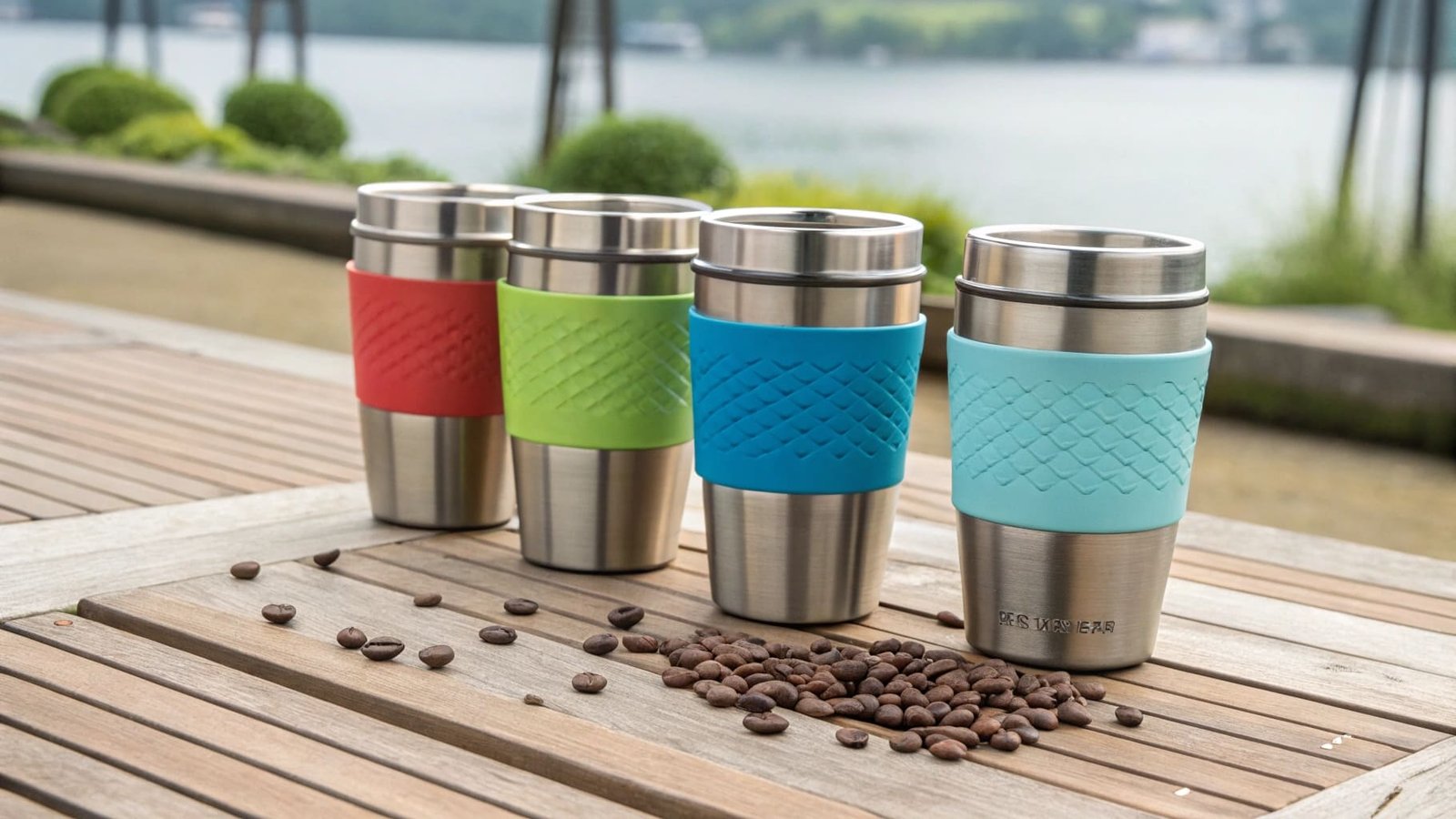
European distributors prioritize silicone cup sleeve designs that combine minimalist K-pop aesthetics with full EU material compliance. LFGB-certified, BPA-free food-grade silicone with dual-layer construction and pastel or muted color palettes consistently outperforms other options in European retail channels.
Breaking Down What European Buyers Actually Want
I have had hundreds of conversations with distributors across Germany, France, the Netherlands, and the UK. The requirements come up in the same order almost every time. Design comes first. Then material. Then certifications. Then MOQ and lead time.
Here is a breakdown of the most common requirements I hear:
| Requirement | Details | Why It Matters |
|---|---|---|
| Color palette | Pastel, muted, or monochromatic | Matches European retail aesthetics |
| Logo treatment | Subtle, placed on one side | Versatile across store types |
| Material | Food-grade silicone, BPA-free | EU consumer safety expectations |
| Certification | LFGB, REACH compliant | Required for market entry in Germany and EU broadly |
| Construction | Dual-layer preferred | Matches strong European coffee culture |
| MOQ | 500–1000 units per design | Allows multi-design testing |
| Lead time | 3–5 weeks for standard orders | Needed to hit seasonal sales windows |
The dual-layer construction point is worth expanding. European consumers drink a lot of hot coffee and tea. A single-layer silicone sleeve provides basic insulation. A dual-layer sleeve performs noticeably better7, and experienced buyers know the difference when they hold a sample. Distributors who have sourced single-layer sleeves before and received complaints from retail partners now specifically ask for dual-layer in their initial inquiry. This is a detail that separates suppliers who understand the European market from those who do not.
Design turnaround speed matters just as much as the design itself. European distributors often need to move quickly around K-pop events, album drops, or tour announcements. A supplier who can turn around a design revision in 48 to 72 hours is worth more than a supplier with slightly lower unit pricing but a slow design team. At Silijoy, our design team works directly with buyers to adapt member artwork, fandom symbols, and color schemes without back-and-forth delays.
How Do Licensing and Trademark Rules Affect K-pop Cup Sleeve Orders?
This is the question distributors do not ask often enough. It is also the one that creates the most expensive problems down the line.
European trademark law applies strictly to celebrity imagery used on commercial products. Distributors who sell K-pop cup sleeves featuring idol photos or official logos without proper licensing face real legal exposure. Understanding this before placing an order protects both the distributor and the supplier.
What European Distributors Need to Know About K-pop Licensing
K-pop intellectual property is tightly controlled. Major agencies like HYBE, SM Entertainment, and JYP Entertainment own the rights to their artists' images, names, and logos. Using these assets on merchandise without a license is not a grey area in Europe. EU copyright and trademark law treats unauthorized commercial use seriously.
Here is how this plays out in practice for distributors:
| Asset Type | Licensing Required? | Risk Level | Common Workaround |
|---|---|---|---|
| Official idol photo | Yes | High | Fan-style illustration |
| Official group logo | Yes | High | Fandom-inspired symbol |
| Member name in Latin script | Depends on jurisdiction | Medium | Stylized typography |
| Fan-created fandom color | Generally no | Low | Color palette design |
| Original fan art (commissioned) | Supplier must confirm rights | Medium | Work with licensed artists |
The safest path for most European distributors is to work with original fan-inspired designs rather than official licensed imagery. This means abstract references to fandom culture, signature color palettes associated with specific groups, and stylized typography that evokes K-pop aesthetics without directly copying protected assets.
Some distributors do pursue official licensing agreements with Korean entertainment agencies. This is possible but takes time and involves minimum sales commitments. It is more practical for larger distributors with established K-pop retail channels than for companies testing the product category for the first time.
At Silijoy, we advise all new buyers on this topic before production begins. We do not print artwork that carries clear trademark risk. This protects our buyers and keeps their retail partnerships clean. If a distributor brings us artwork, we ask for confirmation of rights before we move to sampling. This step takes one conversation and saves significant trouble later.
What Makes a Silicone Cup Sleeve Supplier Reliable for European B2B Buyers?
Finding a design you like is the easy part. Finding a supplier who delivers on time, with the right certifications, and without quality surprises is the real challenge.
A reliable silicone cup sleeve supplier for European B2B buyers provides verified LFGB and REACH certifications, consistent product quality across batch sizes, clear communication, and lead times that align with seasonal retail calendars.
The Supplier Checklist European Distributors Use
I hear the same complaints from distributors who have had bad supplier experiences. Delayed shipments. Certificates that do not hold up to scrutiny. Sales contacts who go quiet after the deposit is paid. These are not rare problems. They are common enough that experienced buyers now come with a checklist.
Here is what that checklist looks like in practice:
| Check Point | What to Ask | Red Flag |
|---|---|---|
| Certifications | Request original LFGB and REACH documents | Certificates with no verifiable lab name |
| Samples | Ask for production samples, not showroom samples | Only polished display samples available |
| Communication | Test response time before ordering | Over 24 hours on standard inquiries |
| MOQ flexibility | Ask what happens below minimum | Rigid, no room for discussion |
| Lead time history | Ask for references from current buyers | Vague answers about past delivery records |
| Payment terms | Understand deposit and balance structure | 100% payment demanded upfront |
| Design revision policy | Ask how many rounds are included | Extra charges on every small change |
Distributors who have been in this business for a few years check every item on that list. Newer buyers sometimes skip the certification check and pay for it when their retail partner or customs office asks for documentation they cannot produce.
At Silijoy, we make certifications available at the inquiry stage. We do not wait until the order is placed to show proof of compliance. This is one of the first things a serious European buyer asks for, and we treat it as a basic part of the conversation, not a special request.
Conclusion
European distributors want K-pop cup sleeves that combine clean design, certified materials, flexible MOQs, and reliable suppliers. Get those four things right and the order follows.
-
"Jay Sorensen - Wikipedia", https://en.wikipedia.org/wiki/Jay_Sorensen. The relevant patent record documents Sorensen's protected cup-sleeve design, and contemporary accounts describe the invention as arising from a hot-coffee spill incident. Evidence role: case_reference; source type: government. Supports: A patent record should verify the patent filing or grant for Sorensen's cup sleeve design, while a reliable historical source can contextualize the spill anecdote.. Scope note: A patent record verifies the invention and filing details but does not by itself prove the personal spill story. ↩
-
"Coffee cup sleeve - Wikipedia", https://en.wikipedia.org/wiki/Coffee_cup_sleeve. Patent and product records from the period describe reusable silicone cup sleeves as washable insulating accessories intended to replace or reduce reliance on disposable paper sleeves. Evidence role: historical_context; source type: government. Supports: Patent filings or product-history records should show reusable silicone cup sleeves appearing as washable alternatives to disposable cardboard sleeves during or around the 2010s.. Scope note: Such records can show availability and intended function, but they do not necessarily establish the scale of commercial adoption. ↩
-
"The role of environmental attitudes and consumption patterns ... - PMC", https://pmc.ncbi.nlm.nih.gov/articles/PMC11839691/. European consumer surveys report substantial public concern about environmental impacts and an expressed preference for more sustainable products, providing context for demand for reusable consumer goods. Evidence role: statistic; source type: institution. Supports: An EU or international survey should show that European consumers express concern about sustainability and prefer products with lower environmental impact.. Scope note: Such survey evidence supports the broader sustainability trend but does not directly measure demand for silicone cup sleeves. ↩
-
"Cupsleeves 101: An Ultimate Survival Guide to Korean ...", https://thekrazemag.com/latest-updates/2025/8/27/cupsleeves-101-an-ultimate-survival-guide-to-korean-birthday-cafes. Research on K-pop fan practices describes cup-sleeve café events as participatory fan rituals in which commemorative sleeves circulate as collectible objects tied to idol birthdays and group promotions. Evidence role: historical_context; source type: research. Supports: A cultural-studies source should document K-pop cup-sleeve events, especially birthday café events where fans collect commemorative sleeves.. Scope note: Available sources may document the practice without establishing 2018 as a precise global starting point. ↩
-
"k-pop online survey - preliminary findings - Korean Studies Center", https://koreanstudiescenter.gmu.edu/research/k-pop-survey. Demographic studies of K-pop fandom commonly identify teenage and young adult women as a major segment of active fans, providing context for merchandise targeting toward the 16-to-30 age range. Evidence role: statistic; source type: research. Supports: A demographic study should show that active K-pop consumers in Europe cluster among teenage and young adult women.. Scope note: This supports the likely audience profile but may not prove that this exact age range is the largest in every European national market. ↩
-
"LFGB Testing Requirements: Ensuring Safety and Compliance - HQTS", https://www.hqts.com/lfgb-testing-requirements-ensuring-safety-and-compliance/. German and EU food-contact and chemical-safety frameworks, including LFGB and REACH, establish compliance expectations for materials that may contact food or beverages, making documentation relevant in European B2B sourcing. Evidence role: definition; source type: government. Supports: Regulatory sources should explain the role of LFGB for German food-contact materials, REACH for chemical safety in the EU, and BPA restrictions or declarations for consumer products.. Scope note: The regulations support the need for compliance documentation, but the exact documents required can vary by product use, market, and retailer policy. ↩
-
"Study on Thermal Insulation Performance of Silica Aerogel ... - PMC", https://pmc.ncbi.nlm.nih.gov/articles/PMC11593504/. Heat-transfer literature shows that adding material thickness or insulating layers reduces conductive heat flow, which supports the mechanism by which a dual-layer sleeve can insulate better than a single-layer sleeve. Evidence role: mechanism; source type: paper. Supports: A heat-transfer or materials source should show that increased thickness, air gaps, or layered structures reduce heat transfer and improve insulation performance.. Scope note: This provides a physical mechanism rather than direct comparative testing of the specific cup-sleeve products described in the article. ↩