Which Silicone Cup Covers Meet FDA Standards for Bulk Export to the USA?
You picked the wrong supplier once. The shipment failed compliance checks at the US border. You lost time, money, and a client. It does not have to happen again.
Silicone cup covers meet FDA standards for bulk export to the USA when they comply with Title 21 CFR 177.2600. This regulation covers rubber articles for repeated food contact. Compliant products must pass migration tests. They must use only FDA-approved additives, catalysts, and pigments. Suppliers must provide lab-verified documentation.
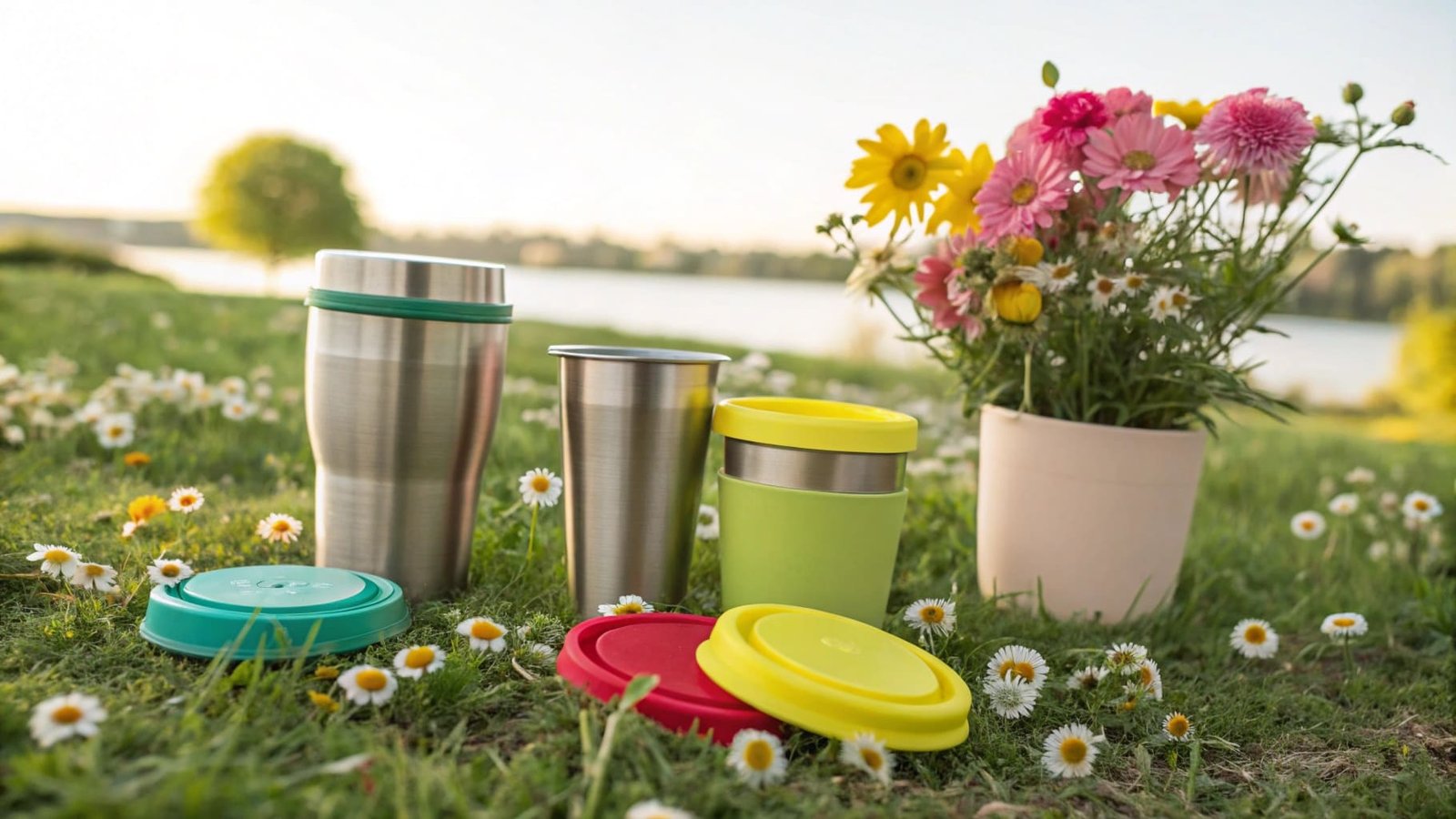
I have worked with buyers who assumed "food-grade silicone" was enough. It is not. The US market expects specific proof. That proof starts with understanding what FDA compliance actually means, what materials are truly safe, and which product design wins in health-conscious retail environments. Each of these questions has a direct answer. I will walk through all three.
Is FDA Silicone Safe?
You found a supplier offering "FDA silicone." You placed a large order. The products arrived, but the documentation was incomplete. US customs flagged the shipment. Sound familiar?
FDA-compliant silicone is safe for food contact when made and used correctly. The key regulation is Title 21 CFR 177.2600. It governs rubber articles for repeated food contact use. Safe silicone must pass migration tests showing no harmful substances leach into food or drinks under normal use.
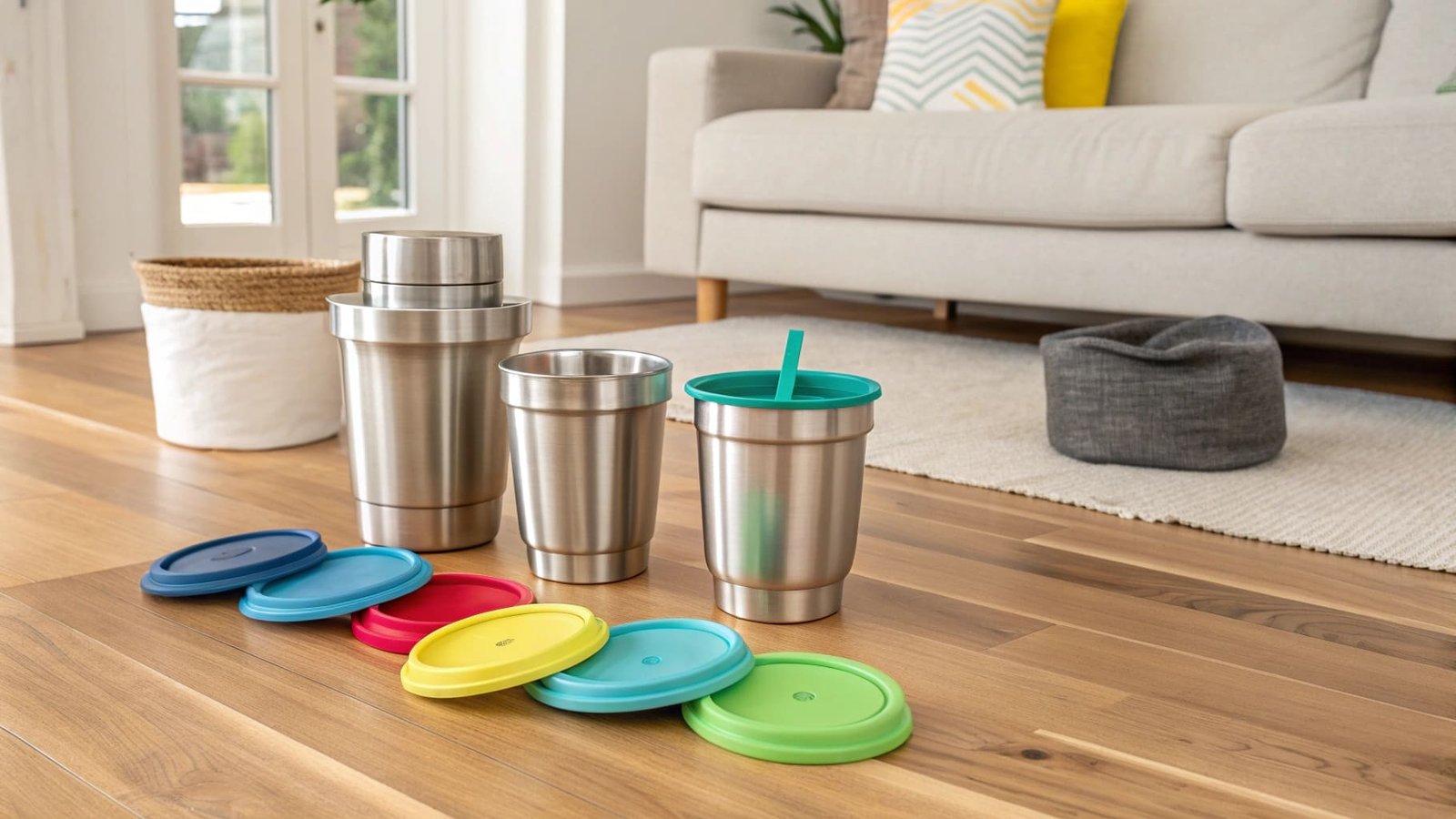
Many buyers I speak with treat "FDA-compliant" as a simple label. It is not. It is a documentation trail. Let me break down what that trail actually looks like and why it matters for bulk export.
What Does CFR 177.2600 Actually Require?
This regulation does not just describe a material type. It sets specific conditions for what can be in the silicone and how it performs under use.
| Requirement | What It Means for Buyers |
|---|---|
| Approved base polymers | The silicone polymer itself must be on the FDA's approved list |
| Approved additives | Fillers, pigments, and processing aids must all be individually approved |
| Migration limits | Tested amounts of substances that move into food must stay below legal thresholds |
| Repeated use stability | The product must remain compliant after multiple uses, not just the first |
When I evaluate a new supplier, I ask for three documents before anything else. First, I want the material safety data sheet. Second, I want a third-party migration test report from an accredited lab. Third, I want a written statement confirming that no unapproved additives or pigments are used in the formulation.
Suppliers who cannot produce all three documents are a risk. The US market does not accept verbal assurances. Retailers and procurement teams in America deal with legal liability. They need paper proof. If your supplier cannot give you paper proof, your competitor's supplier probably can.
There is one more thing I always check. Pigments used in colored silicone products must also meet FDA standards.1 Many suppliers use compliant base silicone but add non-compliant colorants. This is one of the most common reasons products fail compliance audits. If you are ordering colored cup covers, always ask specifically about pigment compliance.
What Is the Safest Silicone?
You have two suppliers quoting similar prices. One uses platinum-cured silicone. The other uses peroxide-cured silicone. You are not sure which one to choose. The wrong choice affects your brand reputation in a premium market.
The safest silicone for food contact is platinum-cured silicone.2 It leaves no chemical residue after curing. It produces no odor. It performs consistently from freezer temperatures up to oven heat without breaking down.3
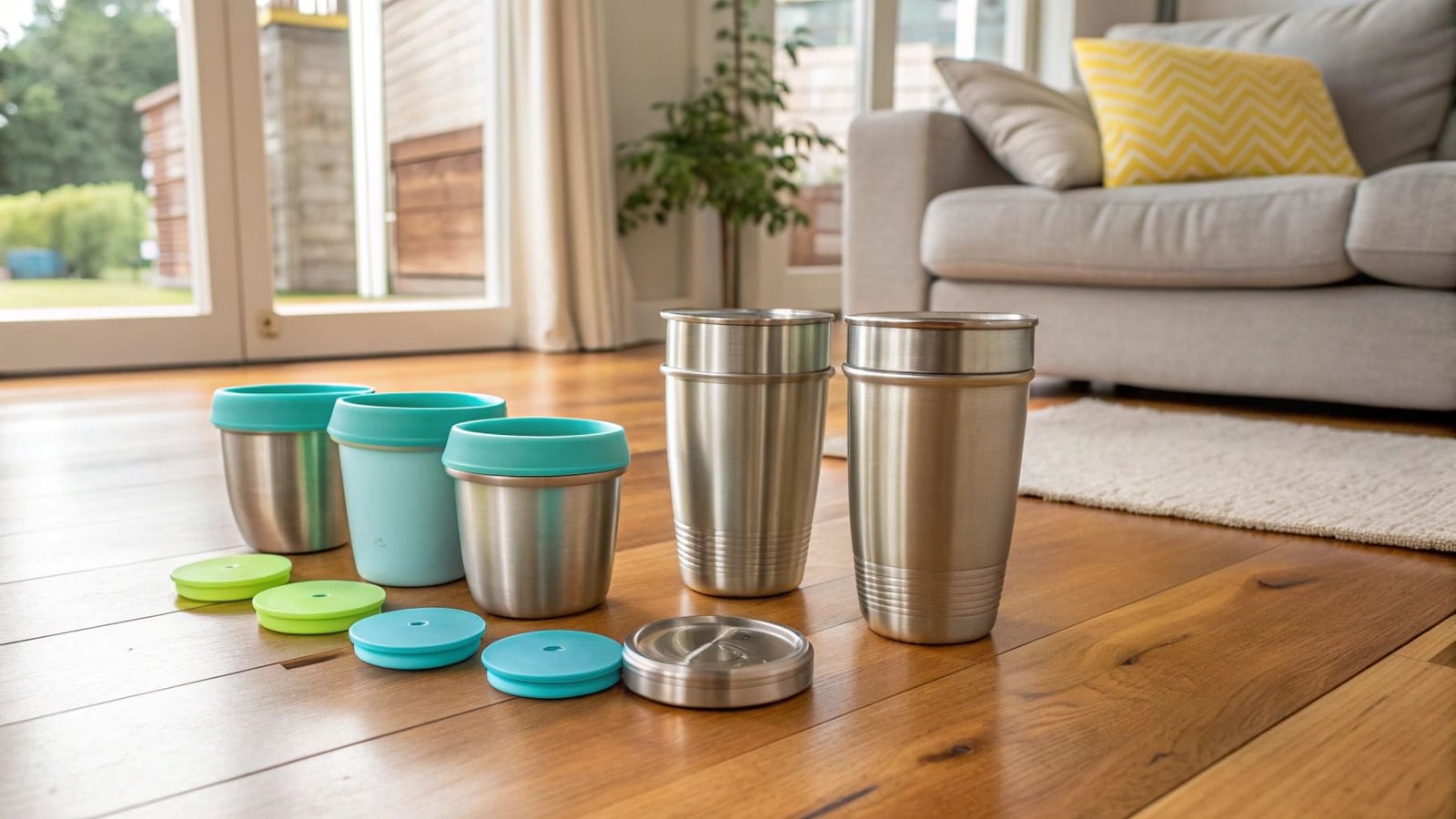
The difference between platinum-cured and peroxide-cured silicone is not marketing language. It is chemistry. Understanding it helps you ask better questions and make better sourcing decisions.
Platinum-Cured vs. Peroxide-Cured Silicone
The curing method changes how the silicone behaves after manufacturing. Peroxide curing leaves byproducts in the material. These byproducts must be removed through a secondary baking process called post-curing. If a manufacturer skips or shortens this step, residues remain. Those residues can create odors and may not meet migration standards.
Platinum curing does not create harmful byproducts. The reaction is cleaner. The final product is more stable.
| Feature | Platinum-Cured | Peroxide-Cured |
|---|---|---|
| Residue after curing | None | Possible if post-cure is skipped |
| Odor | None | Possible |
| Temperature range | -60°C to 230°C | Similar but less stable |
| Tear resistance | Higher | Lower |
| Cost | Higher | Lower |
| Certification eligibility | LFGB, FDA, REACH | Depends on post-cure process |
For bulk export to the USA, platinum-cured silicone is the safer choice. It also qualifies more easily for LFGB certification from Germany, which applies stricter migration testing than FDA alone.4 Buyers targeting European markets alongside the USA benefit from sourcing products that meet both standards at once.
I always recommend that buyers request a written confirmation that the silicone is platinum-cured. Some suppliers list it on their product pages but use peroxide-cured material for production runs. Ask for it in the purchase agreement.
Two more things belong in your product safety checklist. The product should clearly disclose the absence of BPA, BPS, phthalates, and lead. These are endocrine disruptors and heavy metals. US consumers and retailers ask about them directly. Having clear documentation removes friction from your sales process and reduces legal risk for your retail partners.
What Is the Healthiest Microwave Cover?
Your retail buyer in the US wants a silicone microwave cover for a health-focused product line. They are replacing plastic wrap alternatives. They need proof that your product is the healthiest option on the shelf.
The healthiest microwave cover uses food-grade platinum-cured silicone. It must include a venting design to allow controlled steam release. It must withstand temperatures up to 230°C without warping, leaching, or releasing fumes.
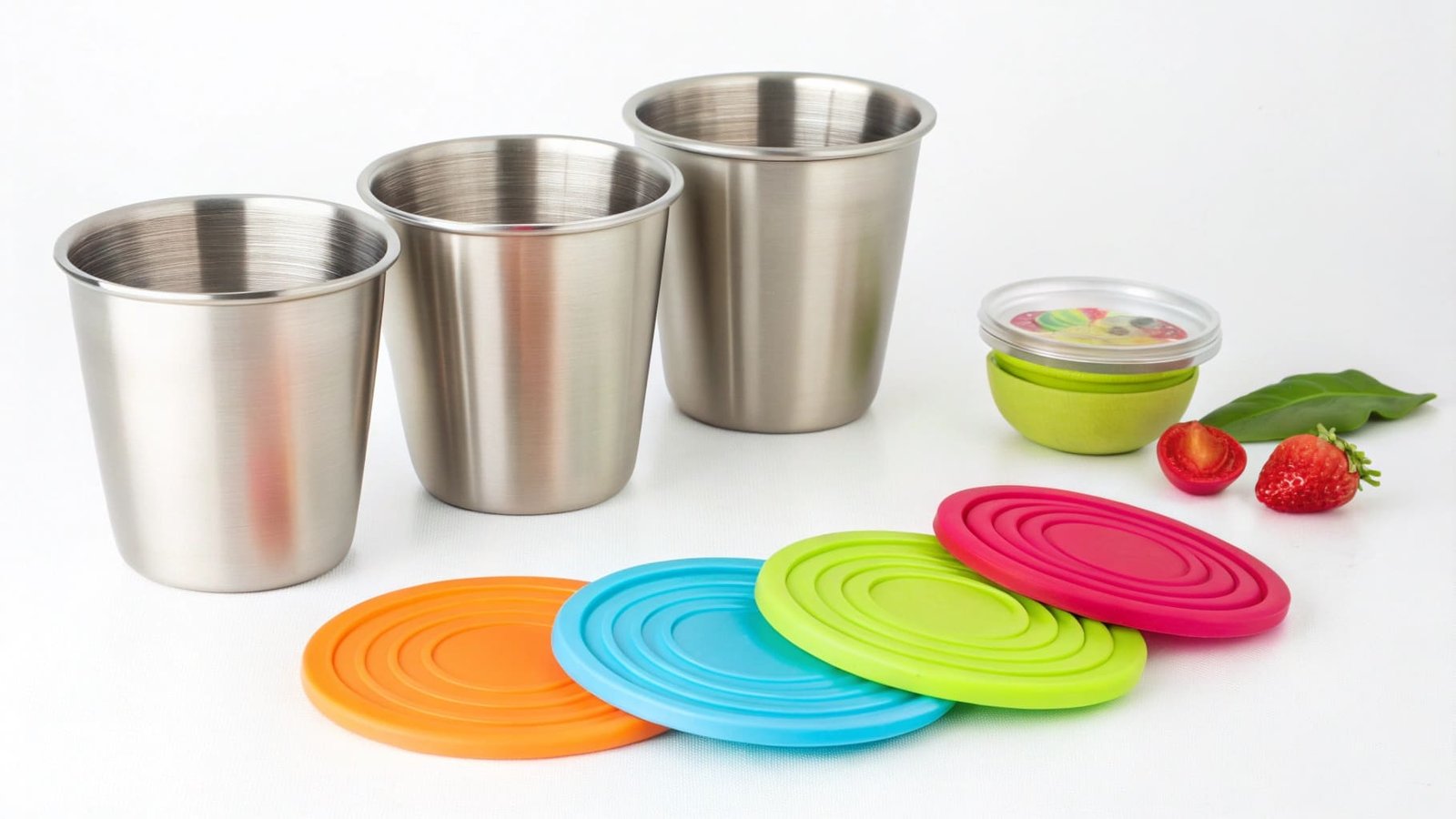
This question is not just about materials. It is about design, function, and how you position the product to your buyers. Let me break down what makes a microwave cover earn the "healthiest" label in practice.
Why Silicone Beats Plastic Covers in Health Terms
Plastic microwave covers are common. They are also a growing liability for retailers. Many plastic covers contain phthalates or release microplastics when exposed to microwave heat.5 Consumer awareness of this issue is rising in North America. Retailers are actively looking for replacements.
Silicone microwave covers remove these risks entirely when made correctly.
| Health Factor | Plastic Cover | Silicone Cover (Platinum-Cured) |
|---|---|---|
| Microplastic release | Risk at high heat | None |
| Phthalate exposure | Possible | None (BPA/BPS-free) |
| Chemical off-gassing | Yes at microwave temps | None |
| Bacterial growth | Can occur in scratches | Non-porous, resists bacteria |
| Reusability | Limited | High |
| Heat stability | Warps above 100°C typically | Stable to 230°C |
Design matters as much as material. A quality silicone microwave cover needs a venting mechanism. Without it, steam pressure builds inside the cover. This can cause burns when removed or force hot liquid out of the container.6 The vent can be a built-in hole, a raised edge that allows partial air flow, or a flexible lip that lifts slightly under pressure.
The non-porous surface of silicone is also a meaningful health advantage. Plastic covers develop small scratches over time. Bacteria grow in those scratches. Silicone does not scratch the same way. It stays hygienic longer with standard washing. This is a real selling point for health-focused retailers.
For bulk export positioning, I highlight three things: the product contains no harmful chemicals, it handles microwave heat without degrading, and it reduces single-use plastic waste. That last point connects to sustainability trends that US consumers respond to strongly. Reusable silicone covers align with the goals of eco-conscious shoppers. This gives your retail partner a story to tell, not just a product to stock.
Conclusion
FDA-compliant, platinum-cured silicone cup covers with proper documentation and smart design are the right choice for bulk export to the USA. Source carefully. Document everything.
-
"Regulatory Status of Color Additives - FDA", https://www.fda.gov/ForIndustry/ColorAdditives/ColorAdditiveInventories/ucm106626.htm. FDA guidance on color additives states that color additives must be approved for their intended use, providing regulatory context for why pigments in colored silicone food-contact products require separate compliance review. Evidence role: definition; source type: government. Supports: Color additives are subject to FDA authorization for their intended uses, including uses in food-contact articles where applicable.. Scope note: This supports the need to check pigment authorization but does not establish that non-compliant pigments are a common audit failure. ↩
-
"Platinum Cured Silicones vs. Peroxide Cured Silicones", https://www.stockwell.com/platinum-cured-silicones-vs-peroxide-cured-silicones/. Technical studies of silicone elastomer curing show that platinum-catalyzed addition curing does not rely on peroxide decomposition and can reduce curing byproducts relative to peroxide-cured systems, although this evidence supports a material-safety rationale rather than proving that every platinum-cured product is categorically the safest. Evidence role: mechanism; source type: paper. Supports: Addition-cured, platinum-catalyzed silicone generally avoids peroxide decomposition byproducts and can have lower residual volatiles than inadequately post-cured peroxide systems.. Scope note: The comparative term “safest” depends on the complete formulation, manufacturing controls, and test results. ↩
-
"[PDF] Elastomer Characteristics", https://www.nrc.gov/docs/ML0720/ML072040257.pdf. Materials-science references describe silicone elastomers as retaining useful properties over a wide temperature range, supporting the statement that silicone can function from freezing conditions to elevated cooking temperatures; the exact safe range must still be verified for the specific formulation and product design. Evidence role: general_support; source type: education. Supports: Silicone elastomers are known for broad low- and high-temperature stability compared with many organic polymers.. Scope note: The source would support general silicone material behavior, not the tested performance of a specific cup cover. ↩
-
"21 CFR 177.2600 -- Rubber articles intended for repeated use. - eCFR", https://www.ecfr.gov/current/title-21/chapter-I/subchapter-B/part-177/subpart-C/section-177.2600. German BfR Recommendation XV for silicones includes compositional and migration-related criteria used in LFGB food-contact assessments, providing context for the market view that German silicone testing can be more demanding than FDA extractives testing alone; the comparison is not a formal ranking by either regulator. Evidence role: general_support; source type: institution. Supports: German BfR recommendations and LFGB-related testing include additional requirements often used for silicone food-contact compliance in Germany.. Scope note: This supports contextual comparison of test regimes, not a universal legal statement that every LFGB test is stricter in all respects. ↩
-
"Analysis of Phthalate Migration to Food Simulants in Plastic ... - PMC", https://pmc.ncbi.nlm.nih.gov/articles/PMC3924457/. Studies of plastic food-contact materials have found that heating, including microwave heating in some experiments, can increase migration or release of plastic-derived particles and chemicals, supporting concern about heated plastic covers; the evidence varies by polymer, additive package, temperature, and use conditions. Evidence role: general_support; source type: paper. Supports: Studies have reported release of microplastics or chemical migrants from some plastic food-contact materials under heating conditions.. Scope note: This does not prove that all plastic microwave covers contain phthalates or release microplastics. ↩
-
"Cooking with Microwave Ovens | Food Safety and Inspection Service", http://www.fsis.usda.gov/food-safety/safe-food-handling-and-preparation/food-safety-basics/cooking-microwave-ovens. Government microwave-safety guidance advises venting covers and opening them away from the face because trapped steam can cause burns, supporting the safety rationale for vented microwave-cover designs. Evidence role: mechanism; source type: government. Supports: Microwave cooking guidance warns that steam can build under covers and cause burns when coverings are removed.. ↩