Which Tumbler Seal Ring Materials Offer Best Chemical Resistance for OEM Applications?
I have seen many buyers struggle with seal ring failures. The wrong material choice costs money and damages reputation. Chemical resistance determines whether your tumbler seals last or fail.
Food-grade silicone offers the best balance for most tumbler applications. It resists common chemicals, meets safety standards, and works across temperature ranges. Viton handles stronger chemicals but costs more for specialized needs.
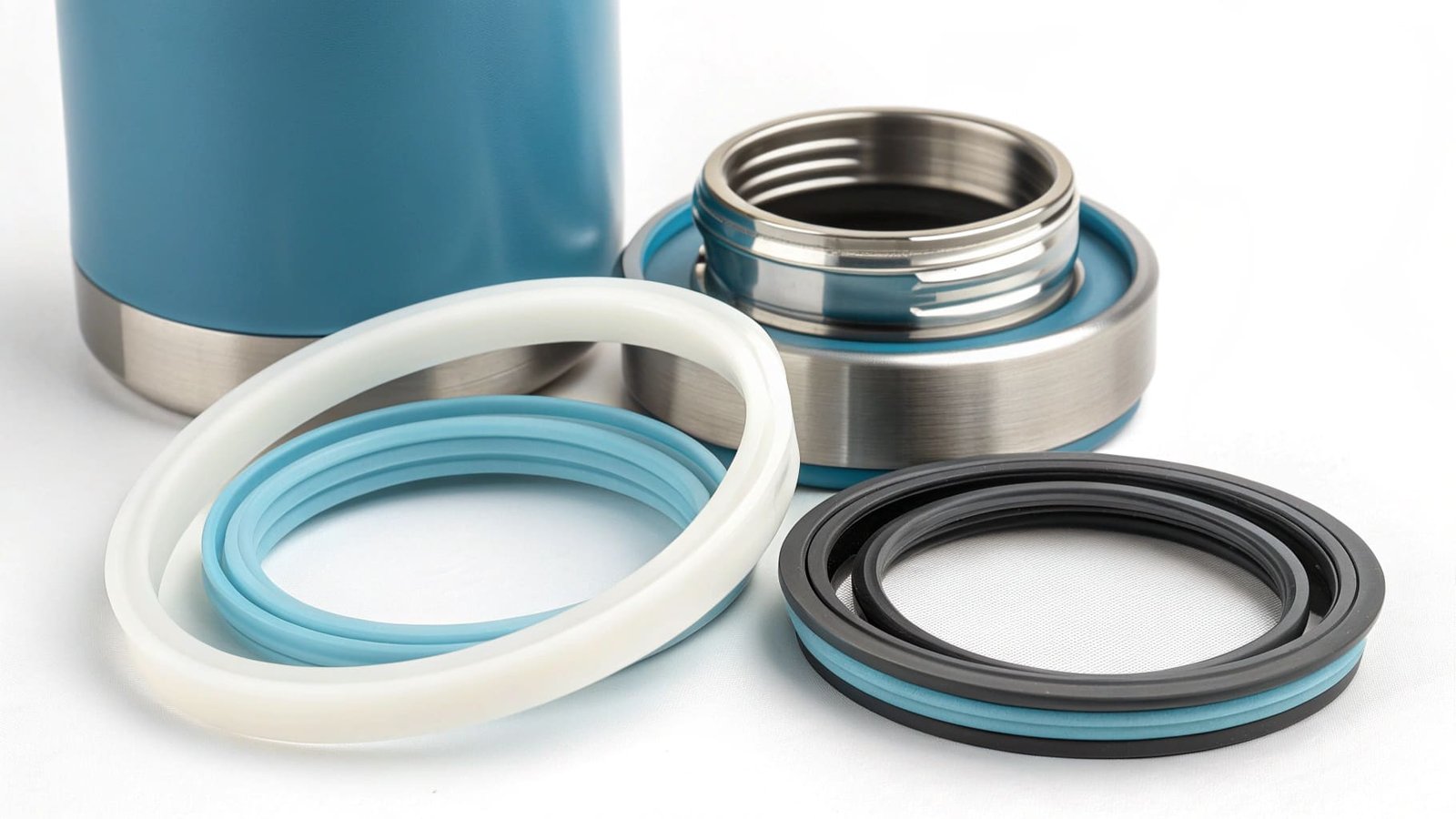
I work with OEM buyers who face a real problem. They need seal rings that survive repeated exposure to beverages, cleaning agents, and temperature changes. Last month, a buyer contacted me because his seal rings degraded after just two weeks of normal use. The material he chose could not handle the chemical exposure. This is not rare. I see it happen when buyers focus only on price and ignore material properties.
What is the best O-ring material for chemical resistance?
Material selection confuses many buyers. They ask me which material works best. The answer depends on what chemicals touch the seal ring during use and cleaning.
Silicone rubber works best for beverage tumblers. It handles water, mild acids, alkaline solutions, and ingredients like coffee oils. Food-grade silicone1 meets FDA requirements and maintains flexibility from freezing to boiling temperatures.
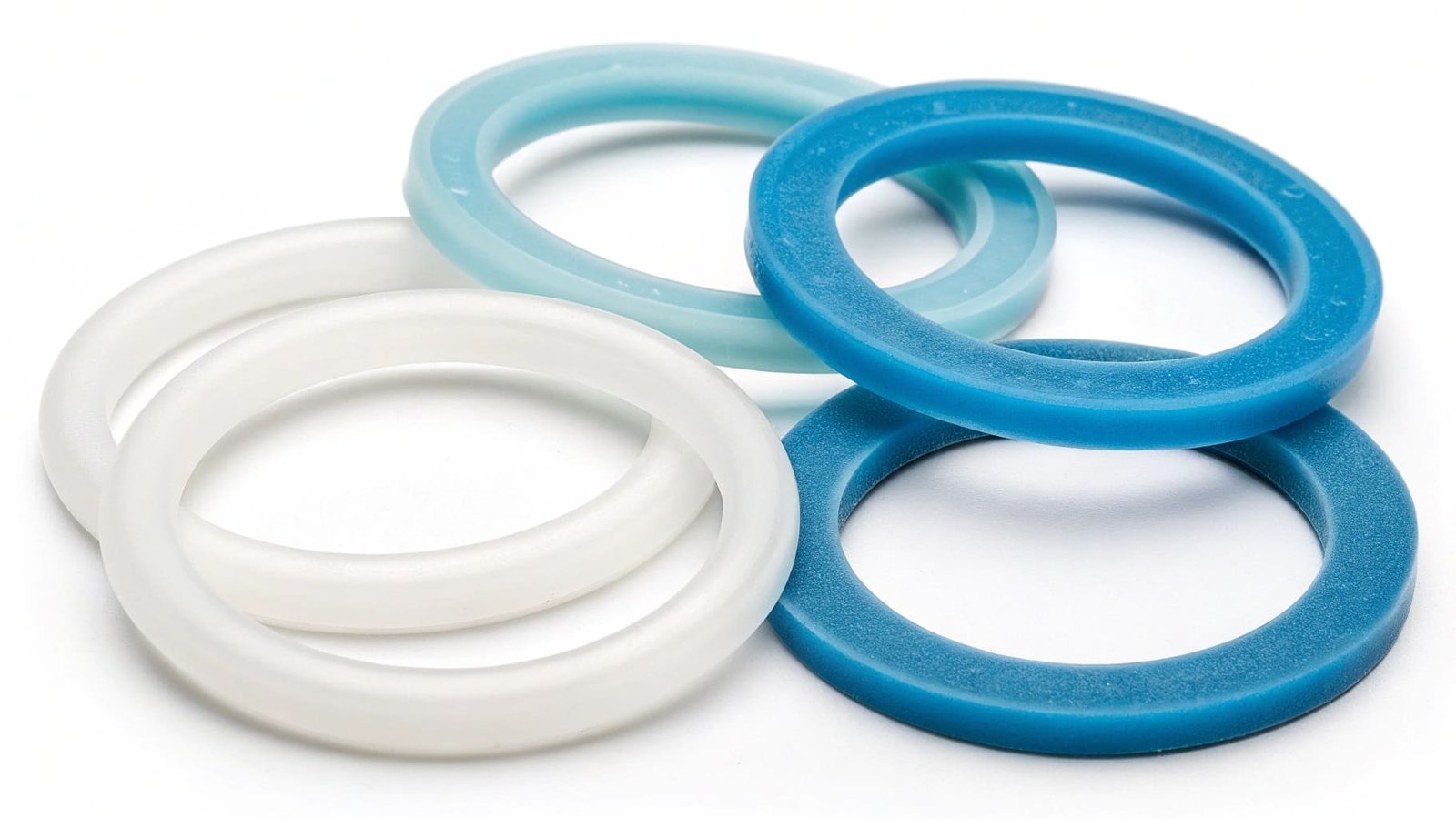
I recommend silicone for most tumbler applications. Here is why. Silicone resists degradation from dishwasher detergents. It stays flexible in cold drinks and hot beverages. It does not absorb odors or flavors from liquids.
Viton (FKM) offers superior resistance. It handles petroleum products, strong acids, and aggressive solvents. I suggest Viton when tumblers face industrial cleaning agents or specialized chemical exposure. The cost is higher. A Viton seal ring costs three to four times more than silicone. This limits its use to specialized applications where the chemical exposure justifies the investment.
EPDM provides moderate chemical resistance. It handles water, steam, and mild chemicals well. The cost sits below silicone. But EPDM lacks food-grade certifications and temperature stability. I rarely recommend EPDM for beverage tumblers.
Here is a comparison table I use with my clients:
| Material | Chemical Resistance | Temperature Range | Food-Grade Available | Relative Cost |
|---|---|---|---|---|
| Silicone | Excellent for beverages | -60°C to 230°C | Yes | Medium |
| Viton | Superior for harsh chemicals | -20°C to 200°C | Limited | High |
| EPDM | Good for water and steam | -50°C to 150°C | Limited | Low |
| NBR | Excellent for oils | -40°C to 100°C | No | Low |
What gasket material is resistant to chemicals?
Gasket materials and seal rings share similar requirements. Both need chemical resistance. Both must maintain integrity under pressure. The difference lies in application and form factor.
For tumbler applications, platinum-cured silicone2 gaskets perform best. They resist common beverage chemicals and cleaning agents. Standard peroxide-cured silicone costs less but releases residuals during curing. I always recommend platinum-cured for food contact.
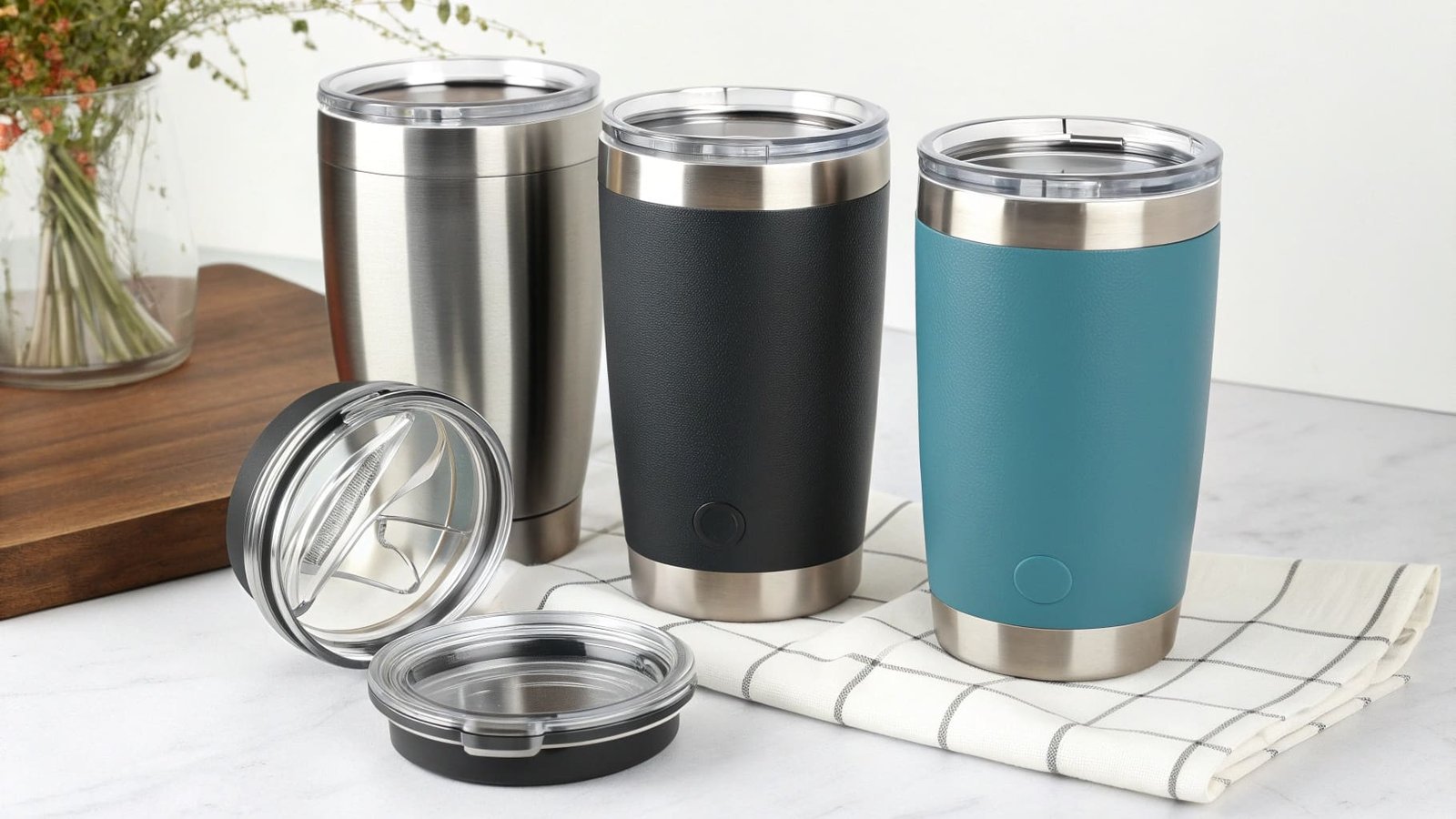
I learned this the hard way early in my business. A buyer ordered peroxide-cured gaskets for cost savings. His customers complained about odor and taste. He had to recall and replace all units. The savings disappeared in warranty costs.
Fluorosilicone combines properties of silicone and fluoroelastomers. It handles both aqueous solutions and petroleum-based products. The cost sits between standard silicone and Viton. I suggest fluorosilicone when tumblers might contact both water-based beverages and oil-based liquids.
Chemical resistance also depends on gasket design3. Thicker gaskets resist chemical permeation better than thin ones. But thick gaskets require more compression force. I work with buyers to balance thickness, compression requirements, and seal performance.
The manufacturing process affects chemical resistance too. Compression molding creates denser gaskets with better chemical resistance than extrusion. At silijoy, we use compression molding4 for seal rings that face aggressive chemicals. The tighter molecular structure prevents chemical penetration.
Buyers should test gaskets in their actual use conditions. I provide sample gaskets for testing. A buyer can submerge samples in the chemicals they expect. Check for swelling, hardness changes, or visual degradation. This simple test prevents expensive failures later.
What rubber is chemical resistant?
Not all rubbers offer good chemical resistance. The polymer structure determines how rubber reacts to different chemicals. I explain this to buyers who assume all rubber materials work the same.
Fluoroelastomers (FKM/Viton) provide the highest chemical resistance. The carbon-fluorine bonds resist attack from most chemicals. Viton handles acids, bases, oils, fuels, and solvents. I recommend Viton when chemical exposure is severe or unknown.
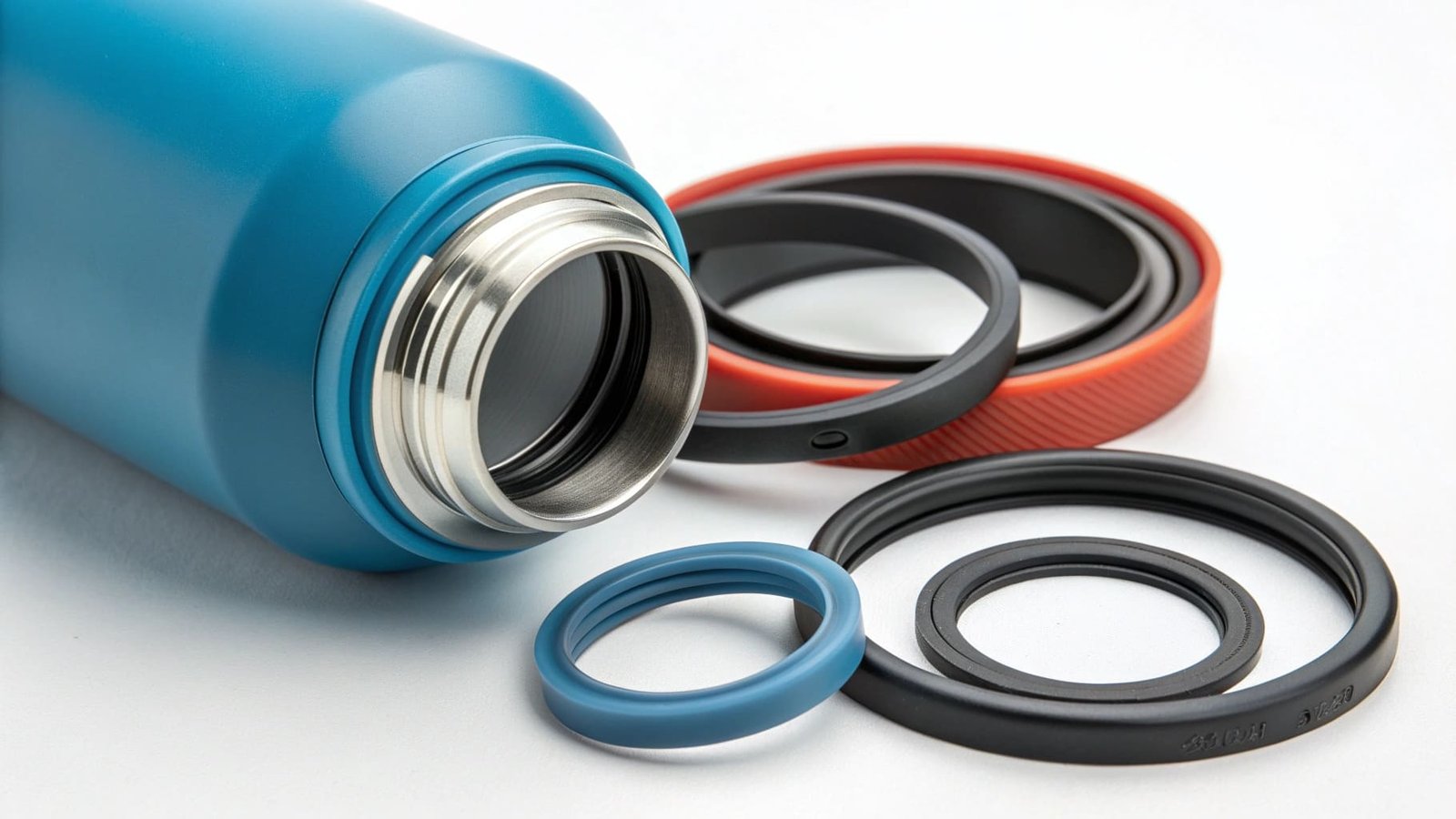
Silicone rubber offers balanced performance. It resists water-based chemicals, mild acids, and alkaline solutions. Silicone degrades when exposed to concentrated acids, steam above 121°C for extended periods, or certain solvents. But for beverage tumblers, these conditions rarely occur.
NBR (Nitrile) resists petroleum products and oils excellently. I see buyers choose NBR for industrial tumblers used with oily substances. But NBR degrades from ozone exposure and certain cleaning chemicals. It also lacks food-grade options for consumer products.
EPDM resists water, steam, and outdoor weathering. It handles diluted acids and bases. EPDM fails when exposed to petroleum products or oils. I tell buyers EPDM works for water bottles but not for tumblers that might contain oily beverages.
Here is what I learned from 15 years in this business. Chemical resistance data comes from controlled lab tests. Real-world conditions are messier. Temperature fluctuations, chemical mixtures, and mechanical stress all affect performance. I advise buyers to add a safety margin to their material selection.
Material compatibility charts help. But they cannot predict every situation. I had a buyer whose seal rings failed despite choosing a compatible material. The failure came from chemical mixtures, not single chemicals. The combination created unexpected reactions.
Storage conditions matter too. Rubber compounds can degrade on the shelf. I store our seal rings in cool, dark conditions. Ozone, UV light, and heat accelerate aging. Buyers should consider storage time from manufacturing to end use.
Conclusion
Chemical resistance determines seal ring longevity and product safety. Food-grade silicone offers the best balance for most tumbler applications. Test materials under actual use conditions before committing to production.
-
Explore how Food-grade silicone provides excellent chemical resistance and safety for tumbler applications. ↩
-
Find out why platinum-cured silicone is recommended for food contact and its benefits over other types. ↩
-
Explore how gasket design impacts chemical resistance and performance in real-world applications. ↩
-
Discover how compression molding enhances the chemical resistance of gaskets compared to other methods. ↩