Which Water Bottle Gasket Replacement Fits Most Insulated Bottle Brands?
You buy a replacement gasket. It arrives. It does not fit. This happens more than it should, and it costs real money.
Most insulated bottle brands use their own gasket sizes. There is no industry standard.1 This means a gasket made for a Hydro Flask will likely not fit a YETI or a Stanley. If you need a gasket that fits multiple brands, the closest option is a silicone gasket made to match the most common groove dimensions across top brands — typically 70mm to 89mm in diameter with a Shore A hardness of 40 to 60.
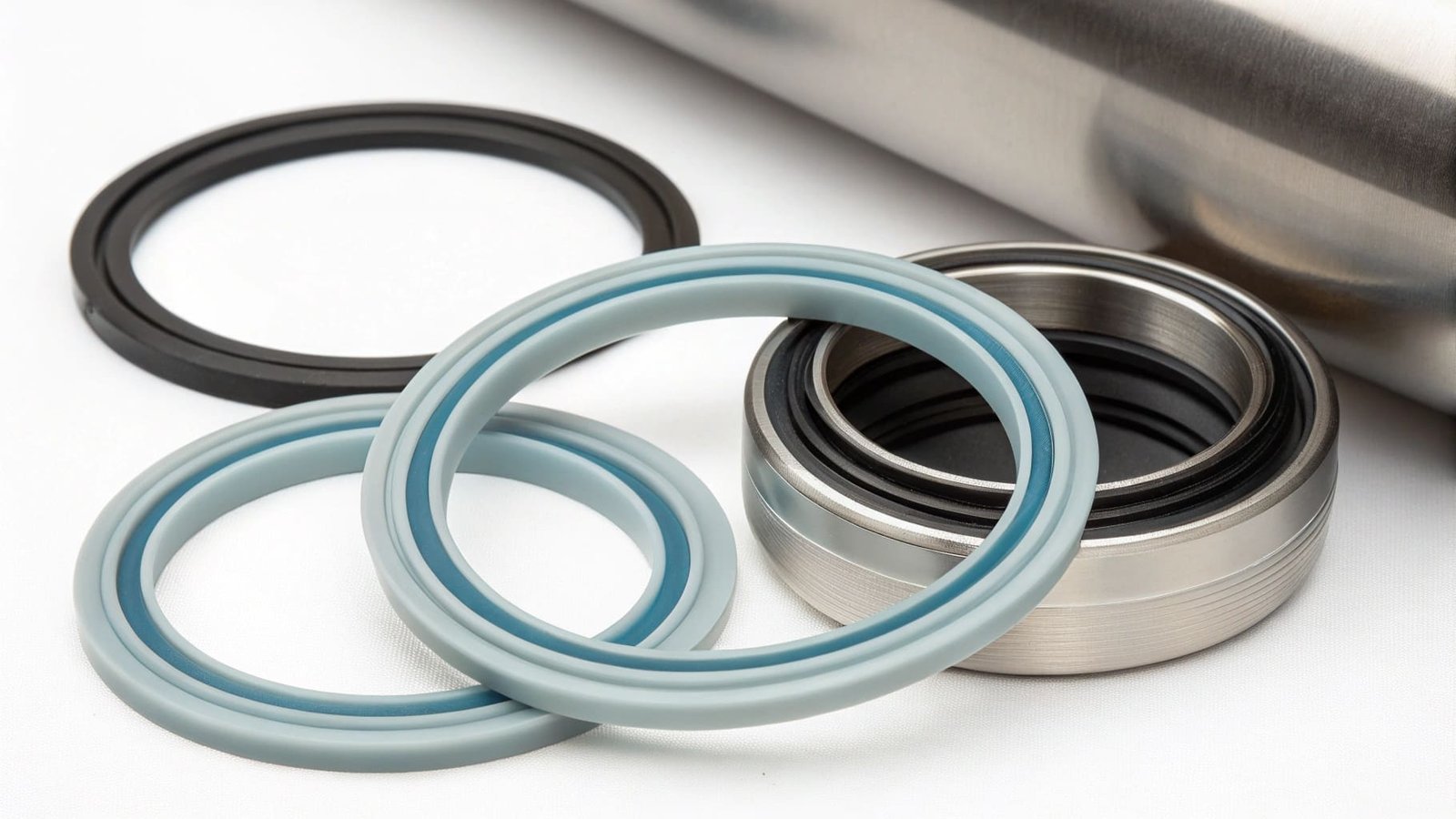
Finding the right gasket replacement sounds simple. It is not. The real problem is that no one talks about what makes a gasket actually work across different bottles — and that gap costs buyers time, money, and sometimes an entire season of sales. I want to break that down clearly here.
What Water Bottle Brand Has the Best Insulation?
You pick a bottle based on reviews. It keeps your drink cold for 24 hours. Then the gasket fails and you lose all that insulation performance.
The brands most people point to for insulation are Hydro Flask, YETI, and Stanley. All three use double-wall vacuum technology. In real-world performance, the differences between them are small. What separates them more is gasket quality and how easy those gaskets are to replace.
Why Insulation Performance Comes Down to More Than Walls
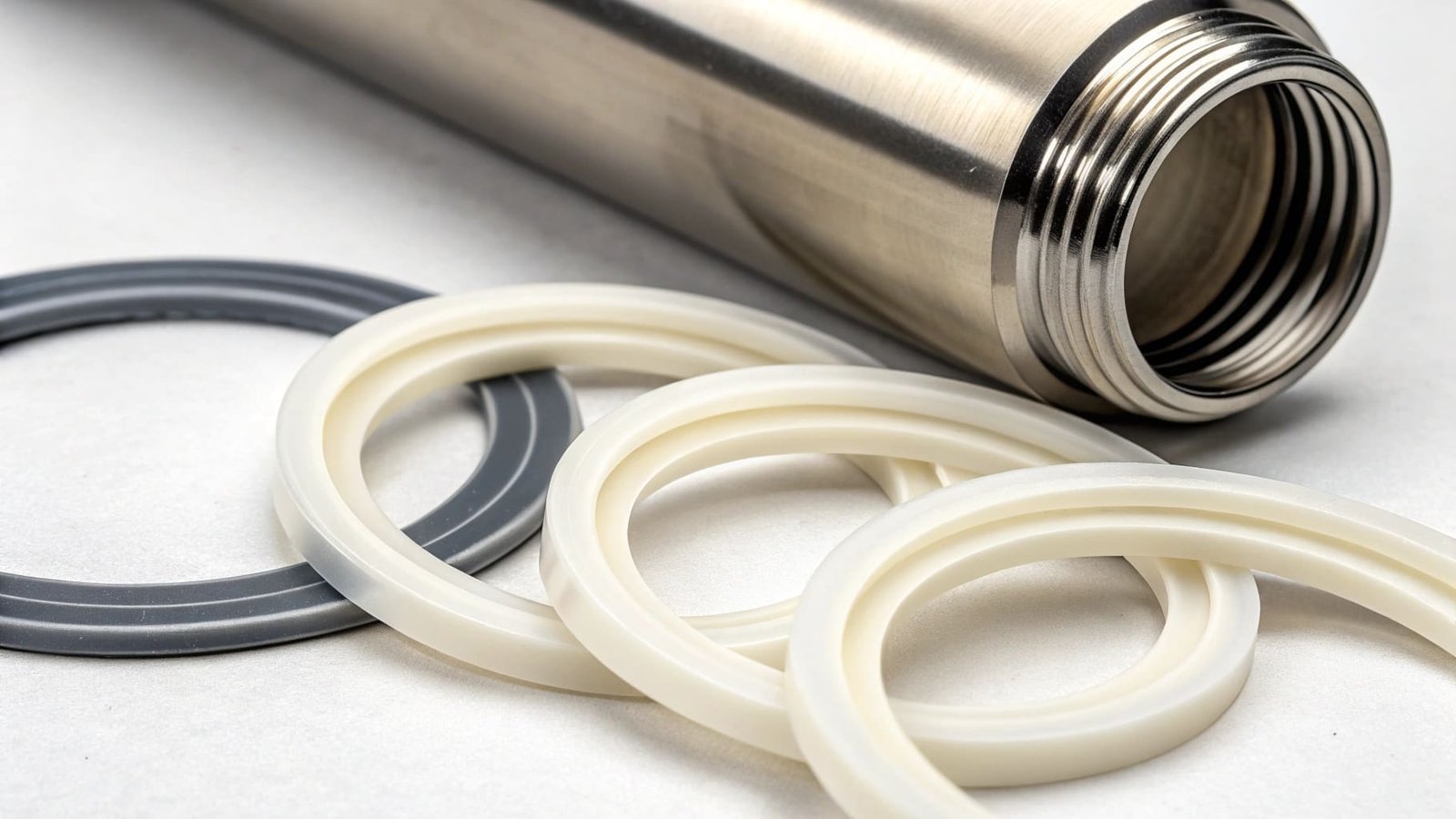
Double-wall vacuum technology is now the standard across premium insulated bottles. Hydro Flask, YETI, and Stanley all use it. The vacuum layer sits between two stainless steel walls and blocks heat transfer.2 Most brands using this method will keep a cold drink cold for 20 to 24 hours.3
The gap in performance does not usually come from the walls. It comes from the seal. A worn or poorly fitted gasket breaks the lid seal. Once that happens, cold air escapes and warm air gets in.4 The bottle still looks the same. But it no longer performs the same.
This is what I see consistently when B2B buyers come to me with complaints. The bottle passed every quality check. But the gasket material was too rigid, or the groove depth was slightly off, or the silicone durometer was too high. Any one of these problems creates a loose seal.5
Here is a quick comparison of how insulation performance breaks down across key variables:
| Factor | Impact on Insulation | Common Failure Point |
|---|---|---|
| Double-wall vacuum | High | Manufacturing defect |
| Lid seal / gasket fit | High | Wrong groove depth or diameter |
| Silicone hardness (Shore A) | Medium | Too hard = poor contact seal |
| Lid thread pattern | Medium | Brand-specific, non-standard |
| Gasket material grade | Medium | Non-food-grade silicone degrades faster |
The best-insulated bottles on the market right now are not necessarily the ones with the most marketing behind them. They are the ones where every part — including the gasket — is built to a precise spec and easy to replace when it wears out.
What Is the Best Insulated Water Bottle in the World?
Everyone wants the one bottle that does everything. The search for the "best" bottle often leads people to the wrong question.
Hydro Flask, YETI, Stanley, and Thermos all appear in top rankings. Each has loyal buyers. But the bottle that performs best over time is not always the one that scores highest in a first-week review. It is the one that holds its performance after 12 months of daily use.
The Part of "Best" That No One Talks About
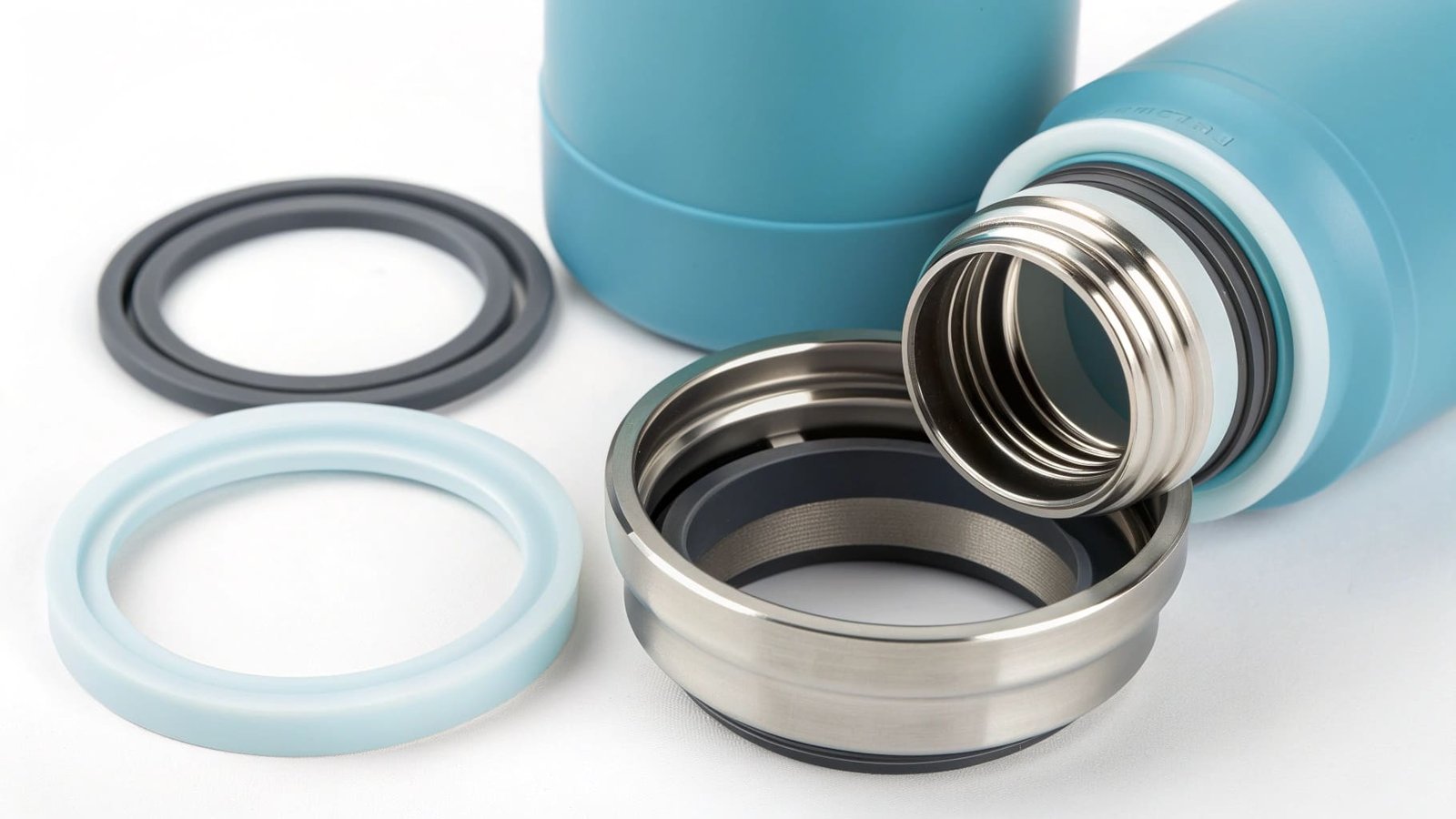
I work in the silicone parts side of this industry. I see a pattern. A brand launches a well-reviewed bottle. Sales go up. Then, 6 to 18 months later, buyers start reporting insulation loss or leaking. The bottle itself is fine. The gasket has worn down.
This is where "best bottle" rankings fall short. They test new bottles. They do not test bottles after the gasket has gone through 300 wash cycles or been exposed to repeated heat changes.
The bottles that hold up best over time share a few common traits:
| Feature | Why It Matters |
|---|---|
| Food-grade silicone gasket | Does not degrade or absorb odors |
| Shore A 40–60 hardness | Flexible enough to seal, firm enough to hold shape |
| Standard groove dimensions | Easier to find compatible replacements |
| Replaceable lid design | Extends the life of the bottle |
| Consistent OEM gasket specs | Reduces variance between production batches |
No single brand dominates every one of these categories. What I tell B2B buyers is this: stop chasing the "best bottle" headline. Start asking whether the gasket supplier for that bottle can deliver consistent specs across 10,000 units. That is where real performance lives.
I have worked with brands that had beautiful bottles and poor gasket sourcing. The returns were painful. I have also worked with brands that chose a mid-range bottle design but locked in a reliable silicone gasket supplier early. Their warranty claims were a fraction of the others.
The world's best insulated bottle is the one backed by a supply chain that keeps every part to spec — from the first unit to the ten-thousandth.
What Is the Best Leak Proof Water Bottle?
A bottle leaks. A client calls. You have no good answer. This is the moment most B2B buyers realize they chose the wrong gasket supplier.
Bottles marketed as leak proof are everywhere. But leak proof is a claim that depends entirely on one small part: the gasket. Without a properly sized, properly graded silicone gasket, no lid design can hold a seal under pressure or movement.
What Actually Makes a Bottle Leak Proof
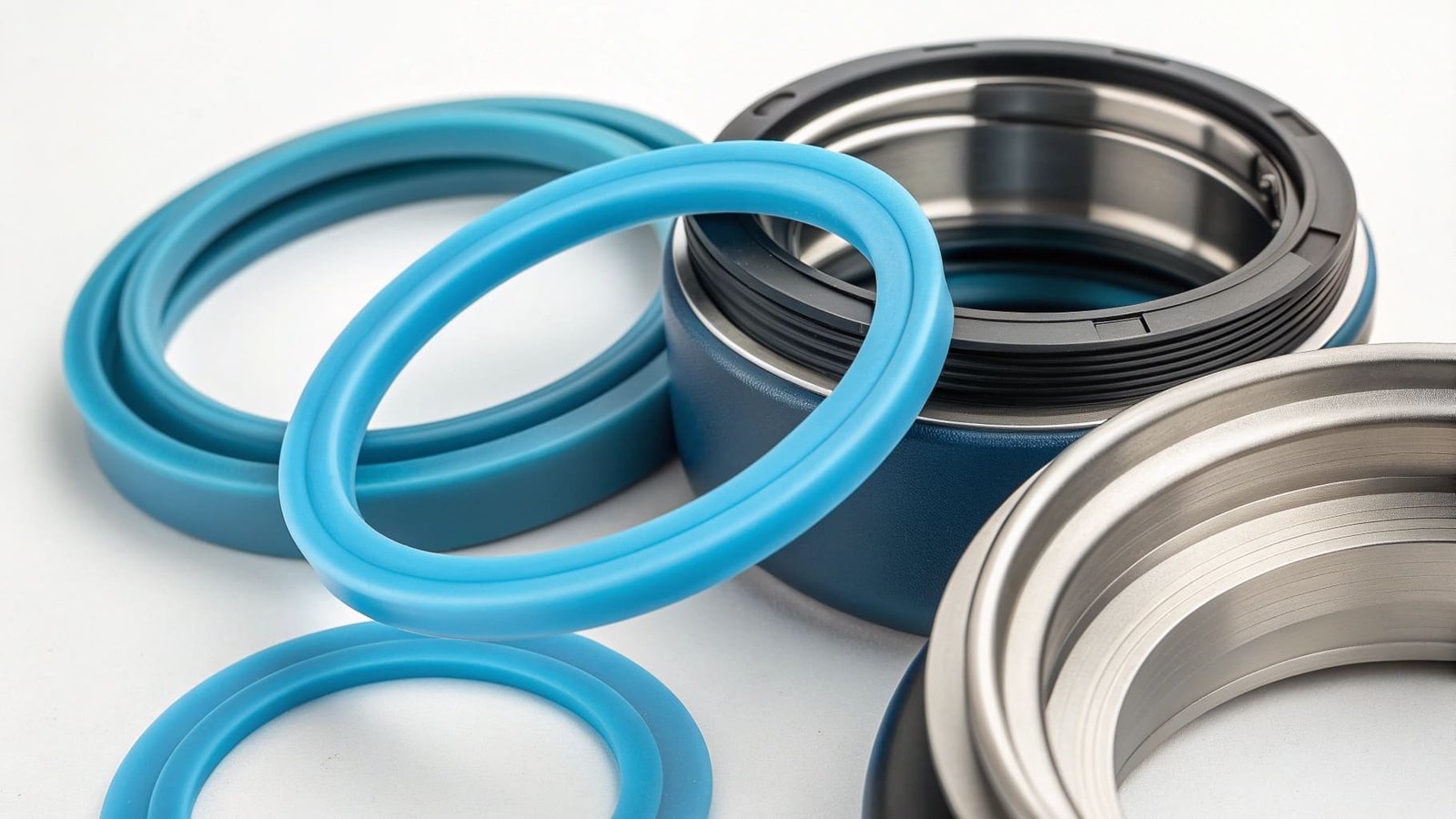
Leak proof performance is not a lid feature. It is a gasket engineering problem. I see brands invest heavily in lid design — magnetic closures, locking mechanisms, multi-layer threads — and still get leaks because the gasket does not match the groove.
There are three main reasons a gasket fails to seal:
Wrong diameter. The gasket sits loose inside the groove. Liquid finds the gap.
Wrong hardness. A gasket that is too rigid does not compress enough to fill the groove. A gasket that is too soft collapses and loses shape over time.
Wrong material grade. Non-food-grade silicone breaks down faster. It also swells slightly when exposed to acidic drinks, which changes the fit.6
Here is how common gasket failure causes compare:
| Failure Cause | How It Happens | How to Prevent It |
|---|---|---|
| Diameter mismatch | Brand uses non-standard groove | Source gaskets matched to exact OEM spec |
| Hardness too high | Rigid gasket does not compress | Use Shore A 40–60 range |
| Hardness too low | Gasket deforms after repeated use | Test under compression cycles |
| Material degradation | Low-grade silicone exposed to heat or acid | Specify food-grade silicone with FDA or LFGB cert |
| Inconsistent batch quality | Supplier skips durometer testing | Require QC reports per batch |
The brands with the best leak proof reputation — Hydro Flask and YETI are the most common names — invest in consistent gasket specs. Their OEM gaskets are not revolutionary. They are precise. The groove depth, the gasket diameter, and the silicone hardness are held to tight tolerances across every production run.
For B2B buyers building or distributing their own bottle line, this is the part that matters most. A $0.08 gasket difference in Shore A hardness can be the reason a product gets returned or reordered. I have seen both outcomes, and the difference always comes back to the gasket spec sheet.
Conclusion
Gasket fit drives insulation and leak proof performance more than any bottle design does. Know your specs, choose the right silicone grade, and find a supplier who holds the line.
-
"Water Bottle Gasket Replacement - Amazon.com", https://www.amazon.com/water-bottle-gasket-replacement/s?k=water+bottle+gasket+replacement. Standards documentation and technical references indicate that reusable bottle lid gasket dimensions are not governed by a widely cited common dimensional standard, so compatibility is typically determined by the manufacturer’s lid and groove design. Evidence role: general_support; source type: institution. Supports: A standards body or technical reference should show whether reusable bottle gasket dimensions are standardized or left to manufacturer design.. Scope note: This would support the absence of an identified common standard contextually; proving a universal absence across all markets is difficult. ↩
-
"Vacuum Flask - HyperPhysics Concepts", http://hyperphysics.phy-astr.gsu.edu/hbase/thermo/vacfla.html. Physics explanations of the vacuum flask state that the evacuated space between the inner and outer walls reduces conduction and convection, thereby limiting heat transfer between the liquid and the environment. Evidence role: mechanism; source type: education. Supports: A physics education source should explain that the vacuum gap in a vacuum flask reduces conductive and convective heat transfer between inner and outer walls.. ↩
-
"Best Water Bottle? I Tested Stanley, Yeti, Owala, and 5 Others", https://www.youtube.com/watch?v=CK3bVG1Jtl0. Comparative testing and product specifications for double-wall vacuum bottles commonly report cold-retention periods near 20 to 24 hours, although measured results depend on starting temperature, bottle volume, lid design, and ambient conditions. Evidence role: statistic; source type: research. Supports: A comparative test or collection of specifications should show that 20–24 hour cold-retention claims are common for double-wall vacuum bottles.. Scope note: This supports the range as a common claim or test outcome, not as a guarantee for every bottle or use condition. ↩
-
"Sealing Materials Require a Careful Choice", https://www.normandale.edu/academics/degrees-certificates/vacuum-and-thin-film-technology/articles/sealing-materials-require-careful-choice.html. Seal engineering literature explains that elastomer gaskets require adequate compression and surface contact to prevent leakage; wear, dimensional mismatch, or insufficient compression can create leak paths for gas or liquid exchange. Evidence role: mechanism; source type: paper. Supports: An engineering source should explain that inadequate gasket compression or wear can create leak paths, allowing fluid or gas exchange across a seal.. Scope note: The source would directly support the sealing mechanism, while the specific effect on a given bottle’s insulation would depend on the lid design and size of the leak. ↩
-
"What is Durometer and How Does it Impact Gaskets and Seals?", https://breinerco.com/what-is-durometer-and-how-does-it-impact-gaskets-and-seals-2/. Elastomer gasket design guidance states that material hardness affects compressibility and conformity to sealing surfaces; a gasket that is too hard for the groove and clamping force may fail to achieve continuous sealing contact. Evidence role: mechanism; source type: institution. Supports: An elastomer design guide should explain how durometer affects gasket compression, conformity, and sealing contact.. Scope note: The source supports the mechanism generally; the exact durometer threshold depends on gasket geometry, compression force, and material formulation. ↩
-
"Migration of Chemical Compounds from Packaging Materials into ...", https://pmc.ncbi.nlm.nih.gov/articles/PMC11475518/. Food-contact and polymer-compatibility studies report that silicone elastomer behavior under acidic simulants depends on formulation and additives, and that exposure can affect properties such as migration, swelling, or mechanical stability. Evidence role: mechanism; source type: paper. Supports: A chemical-compatibility or food-contact materials study should show how silicone formulations can change under acidic food-simulant exposure.. Scope note: This supports the possibility of formulation-dependent change under acidic exposure; it does not prove that every non-food-grade silicone gasket swells or degrades faster. ↩