Why Is Everyone Obsessed with Custom Cup Holders in the B2B Market?
You spent months building a product line. Then a simple accessory starts outselling everything else. That is exactly what is happening with custom cup holders right now.
Custom cup holders have become one of the fastest-growing B2B accessory categories.1 They are cheap to produce, easy to brand, and used daily by end customers. That combination makes them a high-return item for any bulk buyer looking to build brand presence without a large budget.
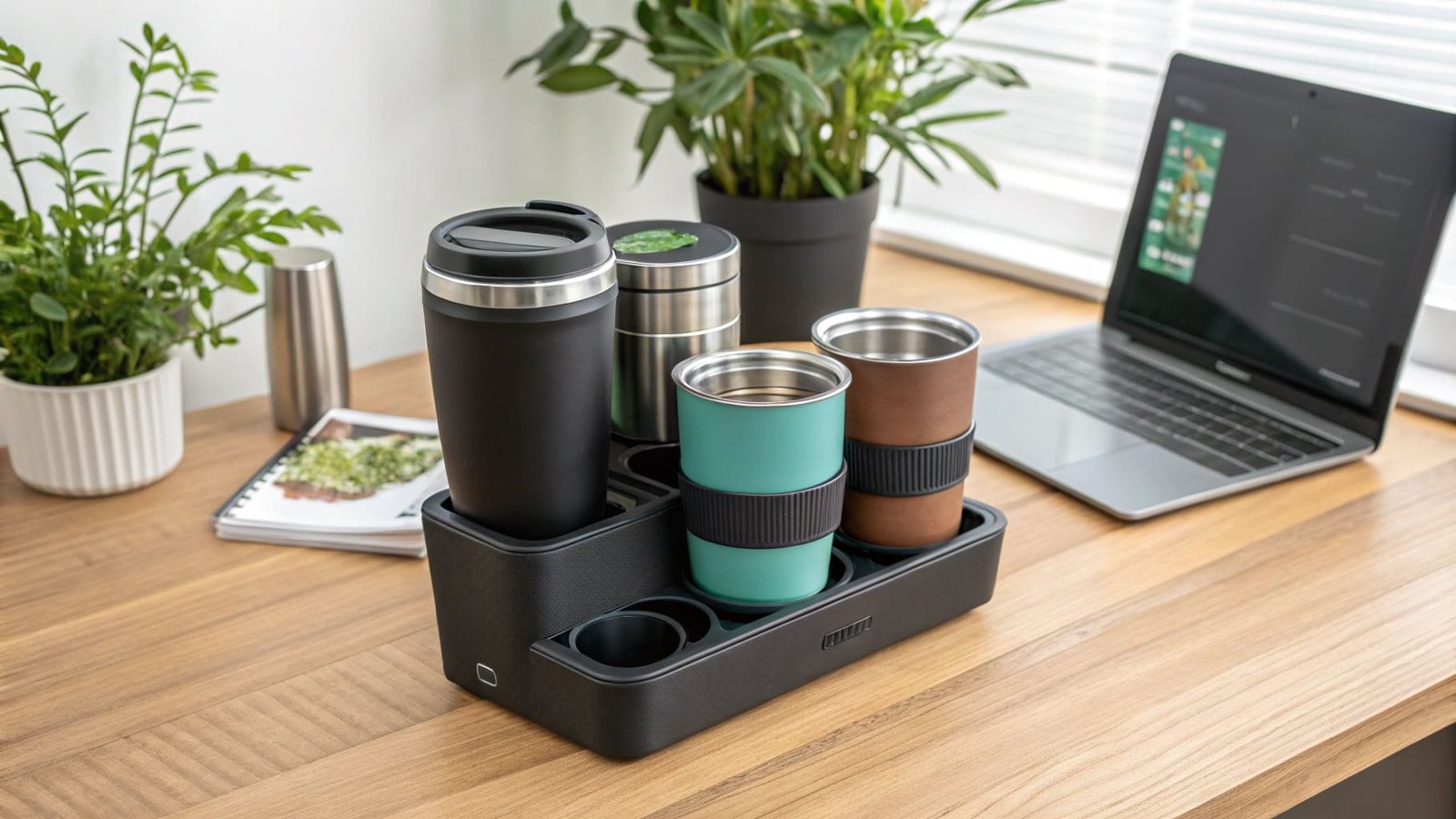
I did not expect cup holders to be a serious topic when I first started working in silicone accessories. A buyer from Canada reached out to me about silicone tumbler boots, and halfway through the conversation, he started asking about custom cup holders. He said his customers kept requesting them. That was three years ago. Since then, I have had that same conversation more times than I can count. Something has clearly changed in this market. Let me break down exactly what is driving it.
What Is the Purpose of a Cup Holder?
Most people think the answer is obvious. But when you dig deeper, the real answer changes everything about how you source and sell them.
A cup holder keeps a drink in place and stops it from spilling. That is the basic job. But for B2B buyers, the purpose goes much further. A cup holder is a daily-use item that sits in front of a customer for years.2 That makes it one of the most cost-efficient brand touchpoints a company can own.
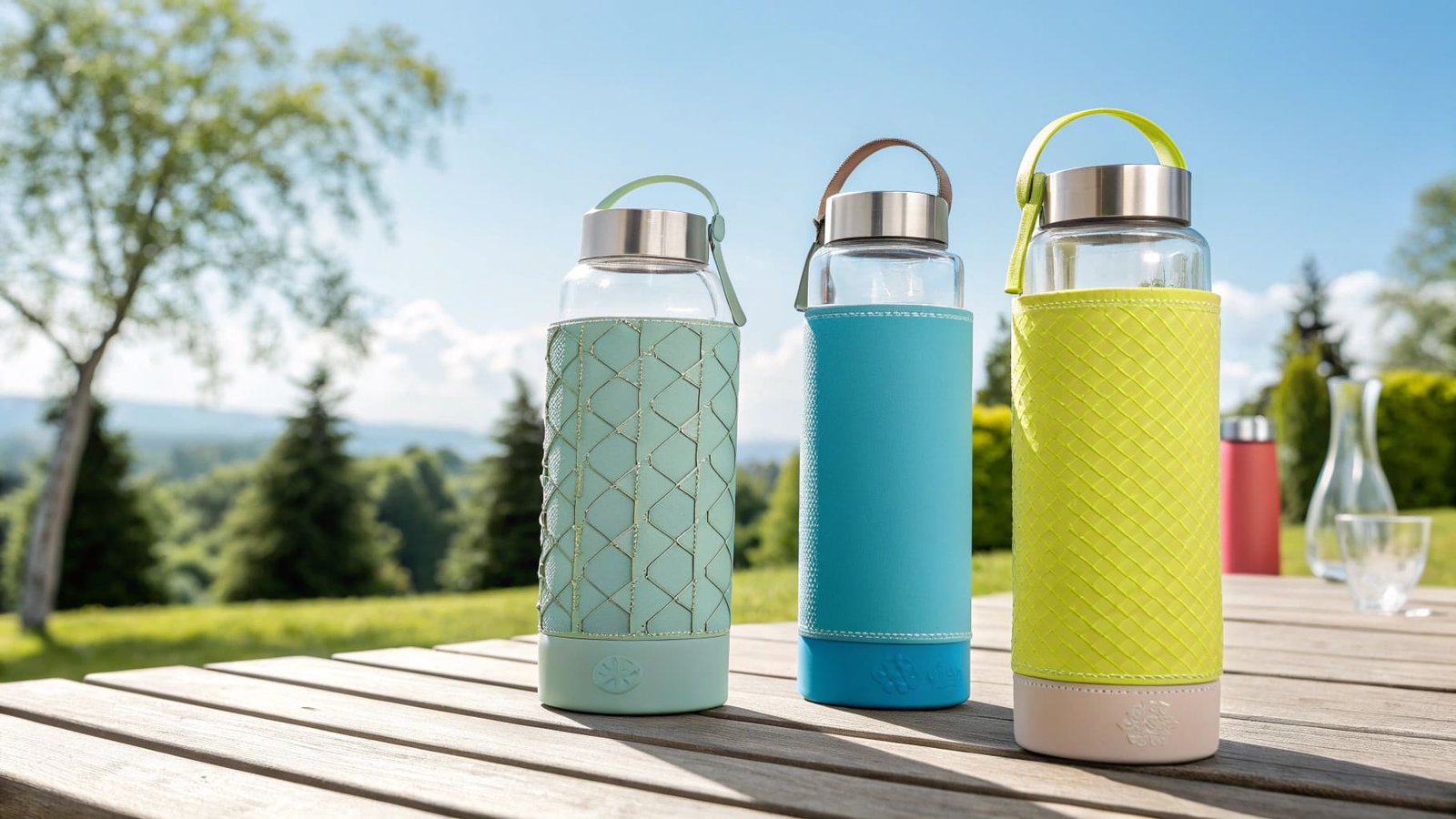
The Basic Function vs. The Business Function
The physical job of a cup holder is simple. It holds a container steady and absorbs vibration.3 For automotive use, it prevents drinks from tipping during a turn. For desk use, it keeps a surface clean. For travel gear, it adds convenience.
But here is the business function, and this is what most buyers miss at first.
A cup holder placed in a car, on a desk, or in a bag is seen multiple times every single day. The person using it is not scrolling past it like a social media ad. They are physically touching it. That kind of repeated contact is rare in modern marketing. Most brand impressions are digital and forgotten in seconds. A physical product with your logo on it creates a different kind of memory.4
The table below shows the difference between traditional advertising and a branded cup holder over a one-year period.
| Category | Digital Ad | Branded Cup Holder |
|---|---|---|
| Cost per unit | Variable, ongoing | One-time production cost |
| Daily impressions | Depends on ad spend | Multiple, guaranteed |
| Customer interaction | Passive (scrolling) | Active (physical touch) |
| Lifespan | Ends when budget ends | Years of continued use |
| Brand recall | Low retention | High retention |
This is why smart B2B buyers no longer treat cup holders as commodity items. They treat them as long-term brand investments. The math is straightforward. A silicone cup holder that costs a few dollars to produce can deliver brand impressions for three to five years.5 No digital campaign comes close to that return.
What Is the Key Symbol in My Cup Holder?
This question comes up often. Buyers want to know what branding element matters most. The answer is simpler than most people expect.
The key symbol is your logo. But placement, material, and print method determine whether that logo works or disappears after two weeks of use.
Why Logo Placement and Print Method Change Everything
I have seen buyers make expensive mistakes here. They source a cheap cup holder, pay for a logo print, and then find the logo fades or peels within a month. That result is worse than no logo at all. A damaged logo signals low quality to the end customer. It connects that negative impression directly to the brand.
Silicone is the most forgiving material for custom branding.6 It holds color well and resists the heat, moisture, and daily friction that destroy prints on other materials. But not all silicone printing methods are equal. The table below explains the main options.
| Print Method | Durability | Best Use Case | Cost Level |
|---|---|---|---|
| Debossed logo | Highest | Premium promotional items | Medium |
| Silk screen print | High | Large batch orders | Low to medium |
| Heat transfer | Medium | Detailed, multi-color designs | Medium |
| Pad print | Medium | Simple one-color logos | Low |
For most B2B buyers ordering in bulk, debossed logos give the best long-term result. The logo becomes part of the silicone itself. It cannot peel, fade, or wash off.7 When a customer picks up that cup holder every morning, the brand mark is always clean and sharp.
The placement also matters. A logo placed on the outer band of a cup holder is visible when the cup is sitting still. A logo placed on the base is only visible when the cup is lifted. For maximum daily exposure, the outer band is the right choice.
One more thing I always tell buyers: keep the design simple. A clean logo on a well-made silicone holder looks premium. A complicated design printed badly looks like a mistake. Simplicity protects your brand.
Are Heated and Cooled Cup Holders Worth It?
This is the most common question I get from buyers who are comparing product tiers. The honest answer is: it depends on your customer.
Heated and cooled cup holders use built-in temperature control to keep drinks warm or cold.8 They are mostly used in premium vehicles and high-end recreational products. They sound impressive. But for most B2B bulk buyers, they create more problems than they solve.
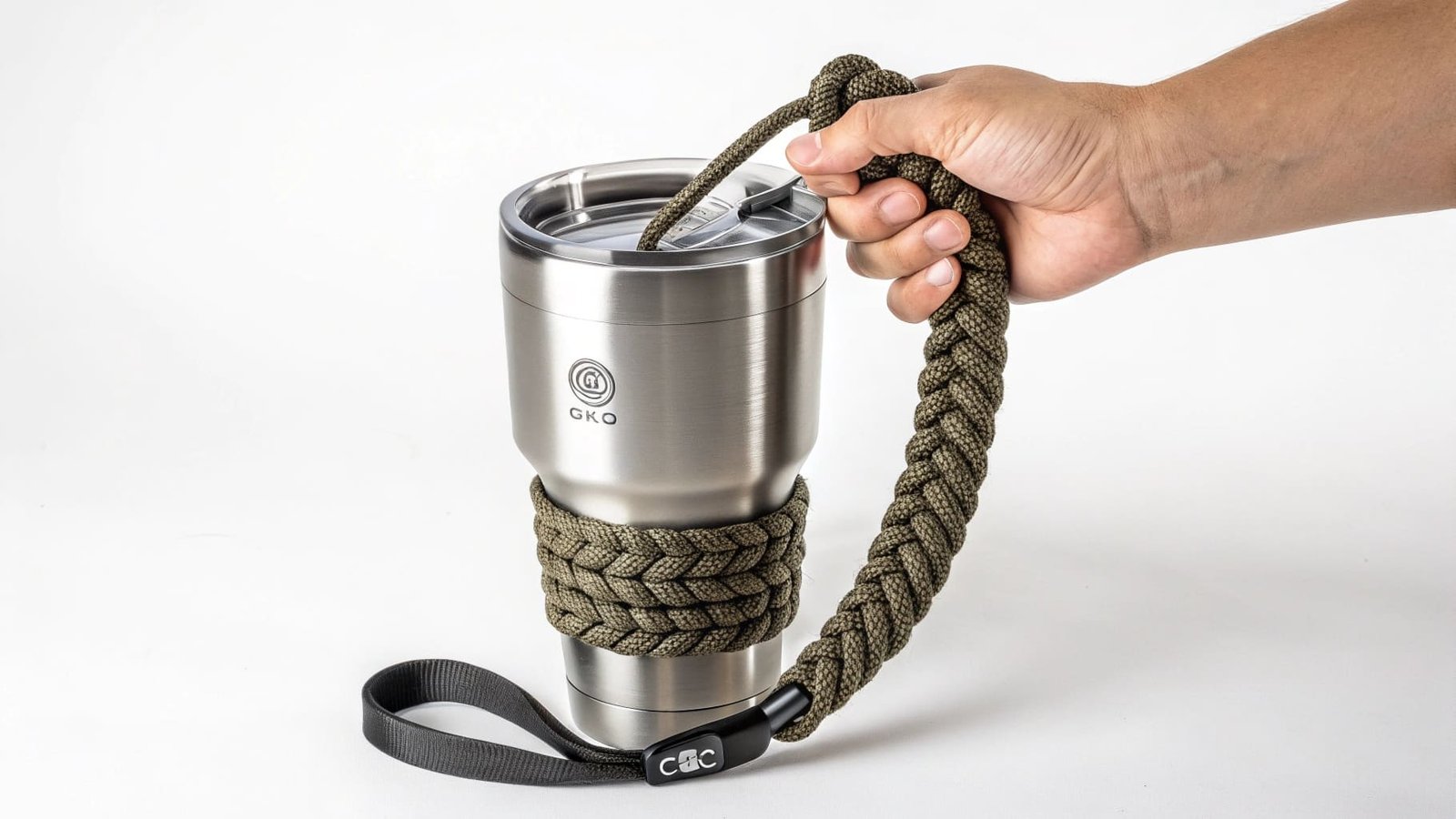
Breaking Down the Value Calculation
The price gap between a standard silicone cup holder and a heated or cooled unit is significant. A standard silicone cup holder for bulk orders might cost between one and three dollars per unit. A heated or cooled model with electronics and temperature control can cost fifteen to forty dollars per unit or more. That is a price jump of 300% to over 1,000%.
That jump only makes sense in specific situations.
| Use Case | Heated/Cooled Worth It? | Why |
|---|---|---|
| Premium automotive OEM | Yes | Customers expect luxury features and pay for them |
| High-end RV accessories | Yes | Niche market, high margins, strong feature demand |
| Corporate gift programs | No | Cost is too high, logistics too complex |
| Promotional merchandise | No | Volume pricing does not work at this cost level |
| Aftermarket accessory brands | Rarely | Standard holders give better margin at scale |
For buyers like the ones I work with most often, the calculation almost always lands on standard silicone. The durability of silicone already solves the main customer complaints: cheap holders crack, fade, and lose their grip. Silicone fixes all of that without adding electronic components that can fail, require power, and complicate shipping.
There is also a logistics issue with heated and cooled units. They often contain lithium batteries or electrical components. That creates restrictions for air freight and extra requirements for customs documentation. For a buyer importing from China to Canada or the United States, that adds cost and risk that most do not want.
The buyers who ask me most seriously about heated and cooled options are usually testing whether they need them. After we go through the numbers together, most decide they do not. The standard silicone option gives them better margins, simpler logistics, and a product that lasts just as long in the hands of the end customer.
Conclusion
Custom cup holders have moved from simple accessories to smart branding tools. Silicone material, logo durability, and bulk pricing make them a strong choice for any B2B buyer.
-
"Automotive Cup Holders Market Size, Share Report 2035 | MRFR", https://www.marketresearchfuture.com/reports/automotive-cup-holders-market-22105. Industry market data indicate growth in branded drinkware and promotional accessory categories, providing contextual support for the claim that custom cup holders are part of a rising B2B accessory segment. Evidence role: statistic; source type: institution. Supports: A neutral market or industry report should show growth in drinkware, promotional accessories, or related branded accessory categories, ideally including cup holders or adjacent products.. Scope note: The source may support the broader drinkware or promotional-products category rather than proving that cup holders specifically are among the fastest-growing items. ↩
-
"Promotional Product Effectiveness - Brand Guidelines", https://brand.missouri.edu/apply-the-brand/apparel-merchandise-promo-items/promotional-product-effectiveness/. Promotional-product retention studies report that useful branded items, including drinkware, are often kept for extended periods, supporting the claim that a cup-holder-style accessory can provide long-term brand exposure. Evidence role: statistic; source type: institution. Supports: A promotional-products retention or impressions study should show that consumers keep useful branded items such as drinkware for extended periods.. Scope note: The evidence is likely to cover promotional drinkware or useful branded products generally, rather than cup holders alone. ↩
-
"Cup holder - Wikipedia", https://en.wikipedia.org/wiki/Cup_holder. Technical descriptions of vehicle cup holders describe them as devices for retaining beverage containers and limiting movement during motion, supporting the functional description of stabilization and vibration reduction. Evidence role: definition; source type: other. Supports: A technical description, patent, or automotive engineering source should explain that cup holders are intended to retain beverage containers and limit movement during vehicle motion.. Scope note: Patent and technical sources describe design intent and mechanisms, not necessarily performance across all cup-holder products. ↩
-
"Memory Issues Pertaining to Social Marketing Messages about ...", https://pmc.ncbi.nlm.nih.gov/articles/PMC2782842/. Research on tangible marketing and haptic perception finds that physical interaction can influence memory and evaluation, supporting the claim that a logo-bearing physical product may create a different recall pathway than a digital ad. Evidence role: mechanism; source type: paper. Supports: A scholarly source should show that tangible or haptic interaction can influence memory, brand recall, or perceived ownership.. Scope note: The evidence supports a general cognitive mechanism rather than proving the effectiveness of every branded cup holder. ↩
-
"Silicone wristbands track hundreds of unique chemical exposures", https://www.niehs.nih.gov/news/factor/2023/8/science-highlights/silicone-wristbands-measures-exposures. Promotional-product impression studies and silicone-material durability references indicate that useful branded items can remain in circulation for extended periods, giving contextual support to multi-year brand exposure from silicone accessories. Evidence role: statistic; source type: institution. Supports: A combination of promotional-product impression data and silicone durability information should support the idea that silicone branded accessories can remain useful and visible for multiple years.. Scope note: The specific three-to-five-year duration and production cost would require supplier or product-specific data; general sources can only support the plausibility of multi-year use. ↩
-
"Silicone rubber - Wikipedia", https://en.wikipedia.org/wiki/Silicone_rubber. Materials-science references describe silicone elastomers as flexible, heat-resistant, and resistant to moisture and environmental exposure, supporting their suitability for durable customized accessories. Evidence role: mechanism; source type: education. Supports: A materials-science or university source should support silicone’s relevant properties, such as heat resistance, moisture resistance, flexibility, and suitability for molded surface detail.. Scope note: The source may not compare silicone directly with every alternative material or evaluate branding performance specifically. ↩
-
"Debossing: Definition, Process, Materials, and Types - Xometry", https://www.xometry.com/resources/sheet/debossing/. Manufacturing and graphic-arts references define debossing as forming an impressed design into a material surface, supporting the claim that a debossed mark is not a surface coating that can peel or wash off. Evidence role: mechanism; source type: education. Supports: A manufacturing or graphic-arts source should define debossing as an impressed design and explain why it avoids failure modes associated with surface inks or transfers.. Scope note: The source supports the mechanism of debossing; fading or wear can still occur through material degradation, dirt accumulation, or poor production quality. ↩
-
"12V Car Cup Cooler and Warmer, Thermoelectric Car Coffee Cup ...", https://www.amazon.com/Klanata-Personal-Thermoelectric-Cooling-Functions/dp/B0D5WFPL9Y. Technical descriptions of heated and cooled cup holders describe the use of heating elements or thermoelectric cooling systems to alter heat transfer around a beverage container, supporting the stated temperature-control function. Evidence role: mechanism; source type: other. Supports: A technical source or patent should explain that heated/cooled cup holders use heating elements or thermoelectric modules to transfer heat and regulate beverage temperature.. Scope note: Patent or technical sources describe possible designs and mechanisms, not necessarily the performance of every commercial unit. ↩